I Accidentally Ate Unpasteurized Cheese While Pregnant - What Should I Do?
Did you accidentally eat raw milk cheese? We provide a clinical, step-by-step risk assessment covering Listeria incubation, the 165°F rescue protocol, and exact symptoms to monitor.
In this article

Editorial note: This article is researched from official public health and pregnancy food safety guidance, then edited by the PregnancyPlate team for clarity. It is not medical advice. If you are worried about symptoms or a specific exposure, contact your midwife, GP or healthcare provider.
The 2AM Panic Audit: You just realized the cheese you ate was unpasteurized. Take a deep breath. In 2026, we move past the fear-mongering and apply a clinical, step-by-step risk assessment to determine exactly what you need to do next.
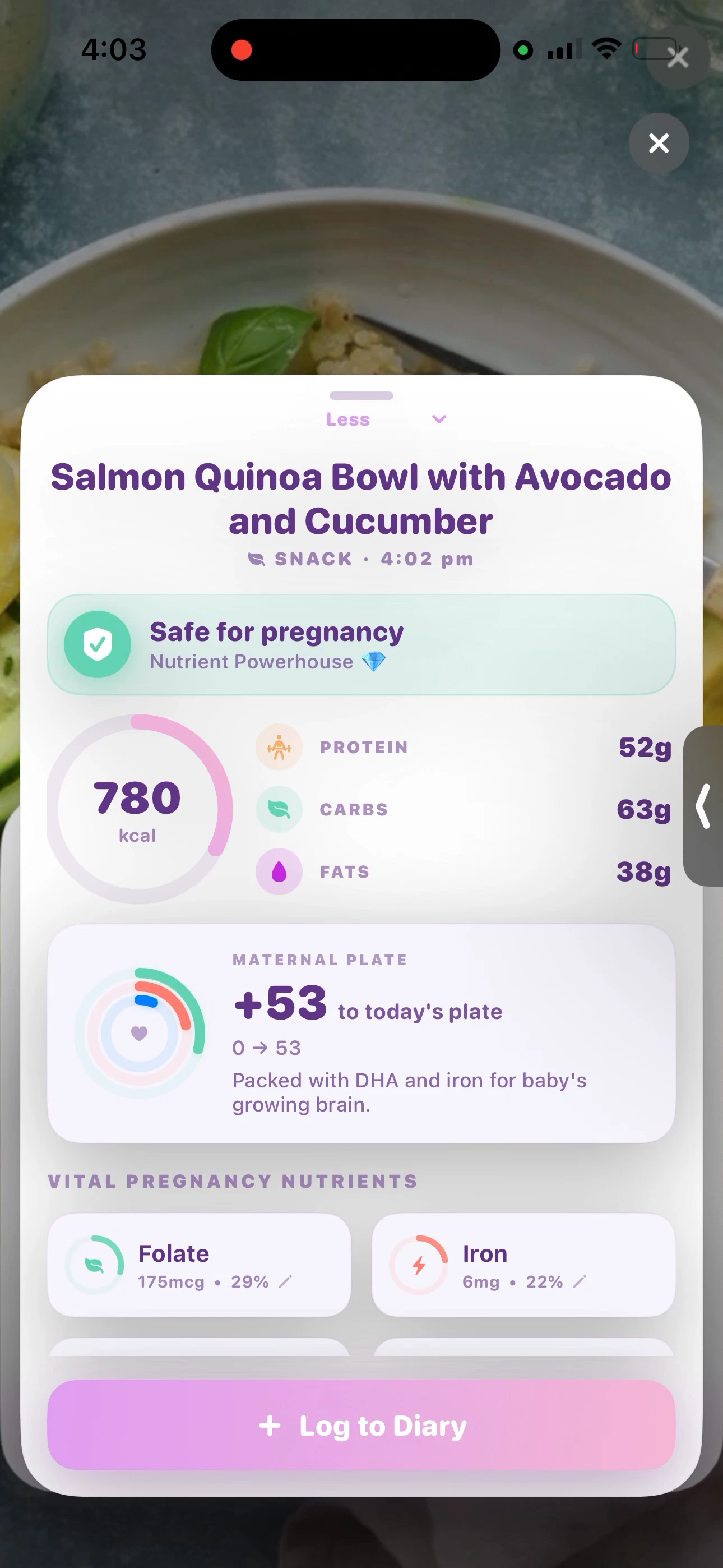
Log Your Cheese Intake for Instant Safety FeedbackYour next meal, a little less guesswork.
Scan your plate for pregnancy food-safety guidance and a nutrition breakdown. Keep your meals and nutrient progress in one place.
 Scan with your iPhone
to get the app
It usually happens right after the meal. You are enjoying a beautiful charcuterie board, a sophisticated restaurant dish, or a snack from an artisanal market, and suddenly the realization hits: Was that cheese pasteurized? A quick check of the label or a question to the waiter confirms your worst fear - it was raw milk cheese. The immediate physiological response is a spike in cortisol and adrenaline, a classic "fight or flight" reaction. For an expectant mother in 2026, this moment is fraught with anxiety about Listeria, miscarriage, and fetal harm. This comprehensive, clinical guide is designed to act as your immediate "Decision Engine." We will deconstruct the panic, analyze the statistical reality of the risk, teach you how to perform a retroactive risk assessment based on cheese chemistry, and outline the exact symptoms and timelines you need to monitor. You are not alone in this; millions of women have accidentally consumed unpasteurized cheese during pregnancy and gone on to have perfectly healthy babies. Let’s look at the science.
The Immediate Reaction: Managing the Cortisol Spike
Before we look at the bacteria, we must look at your stress response. When you realize you've consumed a potentially unsafe food, your body releases a massive surge of cortisol. While occasional stress is normal, acute, sustained panic can temporarily constrict blood vessels and increase maternal heart rate. The First Step: Drink a large glass of water, sit down, and consciously regulate your breathing. The risk of the unpasteurized cheese harming your baby in this exact second is zero. Pathogens, if present, require an incubation period to multiply and cause an infection. Panicking now serves no clinical purpose and only depletes your energy. You have time to assess the situation logically and methodically.
The Statistical Reality: Deconstructing the Fear
The primary reason health agencies worldwide advise against unpasteurized (raw milk) dairy during pregnancy is the risk of Listeria monocytogenes. Listeriosis is a rare but severe infection that can cross the placental barrier. However, we must ground this fear in 2026 statistical reality. The Clinical Math: The actual incidence of Listeriosis in pregnant women is remarkably low - typically ranging from 3 to 12 cases per 100,000 pregnancies, depending on the global region. Furthermore, not every piece of unpasteurized cheese contains Listeria. The vast majority of artisanal cheeses are produced under incredibly strict hygiene standards, especially in regions with strong dairy traditions like France, Switzerland, and the UK. Consuming a piece of raw milk cheese is an exposure to risk, not a guarantee of infection. Your immune system, though slightly modulated during pregnancy, is still highly effective at neutralizing many common foodborne pathogens.
The Retroactive Risk Assessment: Hard vs. Soft
Not all unpasteurized cheeses carry the same level of risk. The danger is dictated by the cheese's internal environment - specifically its moisture content and acidity (pH level). You need to categorize the cheese you just ate.
- High Risk (Soft, Bloomy, or Blue): Cheeses like authentic French Camembert, Brie de Meaux, Roquefort, or raw milk Feta. These cheeses have a high moisture content and a relatively neutral pH, which creates a perfect breeding ground for Listeria and other bacteria to thrive and multiply rapidly. If you ate an unpasteurized soft cheese, your vigilance level should be higher.
- Low Risk (Hard, Aged Cheeses): Cheeses like authentic Parmigiano-Reggiano, aged raw-milk Cheddar, or Gruyère. These cheeses are aged for months or even years. During this aging process, the moisture content drops significantly, and the acidity increases. This creates a hostile environment where pathogens like Listeria cannot survive, let alone multiply. In 2026, many global health bodies consider hard, aged unpasteurized cheeses to be statistically safe, even though the blanket advice often says "avoid all raw milk." If the cheese you ate was hard enough to grate over pasta, your risk is exceedingly low.
The Pathogen Profile: What Are We Looking For?
While Listeria is the most famous concern, raw milk can harbor other pathogens. Understanding what they are helps you know what symptoms to watch for.
- Listeria monocytogenes: The primary concern due to its ability to cross the placenta. It is unique because it can grow at refrigerator temperatures.
- Salmonella: Causes severe gastrointestinal distress. While it rarely crosses the placenta directly, severe maternal dehydration from diarrhea and vomiting can trigger preterm labor or compromise placental blood flow.
- Campylobacter: The most common bacterial cause of diarrheal illness. Similar to Salmonella, the risk is primarily maternal dehydration and systemic inflammation rather than direct fetal infection.
- E. coli (STEC): Certain strains can cause severe abdominal cramping and bloody diarrhea. It is a significant maternal health risk that requires immediate medical intervention.
The 165°F "Rescue" Protocol: Did You Cook It?
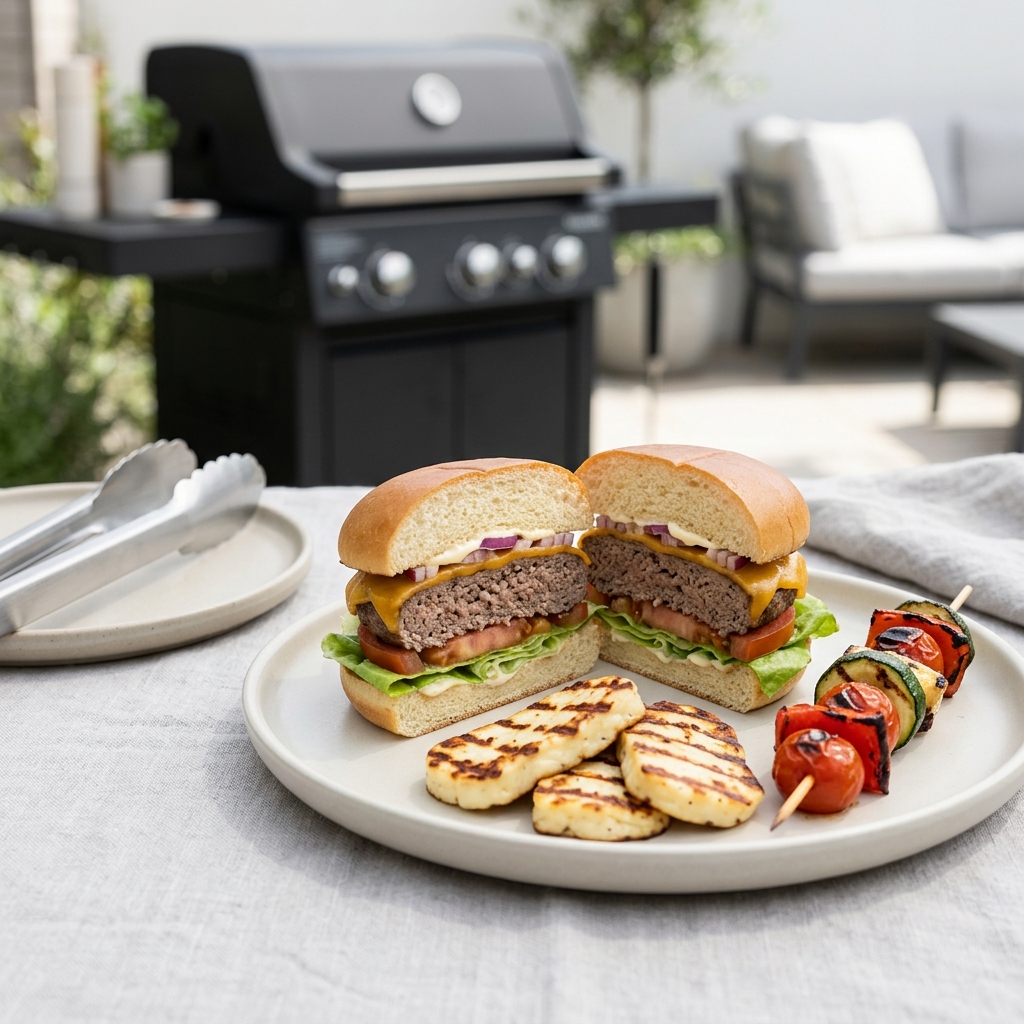
If you realize the cheese was unpasteurized, the next critical question is: How was it prepared? If the cheese was incorporated into a dish that was thoroughly cooked - such as a baked ziti, a wood-fired pizza, or a bubbling gratin - you have likely performed a "Pathogen Kill-Step." The 165°F Rule: Listeria, Salmonella, and E. coli are all destroyed when subjected to sustained heat of 165°F (74°C). If the raw milk cheese was bubbling and steaming hot when you ate it, the heat has effectively pasteurized the product retroactively. In this scenario, your risk drops to virtually zero. However, if the cheese was just slightly warmed, melted gently over a burger, or served at room temperature on a cracker, the risk remains.
The Watch and Wait Protocol: Incubation Periods
If you consumed raw milk soft cheese that was not cooked, you must now enter the "Watch and Wait" phase. The most challenging aspect of Listeria is its highly variable incubation period. Symptoms can appear anywhere from 3 days to 70 days after exposure, though the average is around 21 days. This long window requires sustained, but calm, vigilance.
- Immediate Symptoms (12-48 hours): Symptoms appearing within the first two days are more likely to be caused by Salmonella, E. coli, or Campylobacter. Watch for severe nausea, vomiting, watery or bloody diarrhea, and intense abdominal cramping.
- Delayed Symptoms (3-70 days): Listeriosis often presents differently than standard food poisoning. It frequently mimics a severe case of the flu. Watch for a sudden, high fever (above 100.4°F or 38°C), severe muscle aches, persistent back pain, stiff neck, profound fatigue, and sometimes mild gastrointestinal issues.
Differentiating Normal Pregnancy from Infection
Pregnancy itself causes fatigue, backaches, and occasional nausea. How do you distinguish normal gestational discomfort from a Listeria infection? The "Baseline Deviation" Rule: Pay attention to sudden, dramatic shifts from your daily baseline. Normal pregnancy fatigue feels like you need a nap; Listeria fatigue feels like you physically cannot get out of bed. Normal pregnancy backache is usually a dull ache linked to posture; Listeria back pain is often acute, severe, and accompanied by a fever. Clinical Tip: Fever is the great differentiator. Normal pregnancy does not cause a sudden, high fever. If you spike a fever after a known exposure, you must act.
When to Contact Your OB-GYN
Do not wait for your next scheduled appointment if you develop symptoms. Call your provider immediately if you experience:
- A fever over 100.4°F (38°C).
- Severe, unremitting muscle aches or a stiff neck.
- Inability to keep fluids down for more than 12 hours.
- Decreased fetal movement (if you are far enough along to track kick counts).
Medical Interventions: What Can Be Done?
If your doctor suspects Listeriosis, they will not take a "wait and see" approach. The standard protocol in 2026 involves drawing blood cultures to confirm the presence of the bacteria. Crucially, Listeriosis is highly treatable if caught early. The standard treatment is a high-dose course of intravenous antibiotics - typically Ampicillin, often paired with Gentamicin. These antibiotics are safe for the fetus and are highly effective at crossing the placenta to treat the baby directly, preventing severe complications. The key is prompt medical intervention at the first sign of a fever or severe flu-like symptoms.
The Ambiguity of "Thermized" and "Micro-Filtered" Milks
In your frantic label-reading post-consumption, you might encounter terms other than "pasteurized" or "raw."
- Thermized Milk: This milk is heated, but at a lower temperature and for a shorter duration than standard pasteurization (usually around 145°F for 15 seconds). While it reduces the bacterial load, it is not legally or clinically considered pasteurized. Treat thermized cheese with the same caution as raw milk cheese.
- Micro-Filtered Milk: This is a modern technique where milk is forced through microscopic ceramic filters to physically remove bacteria without heat. While highly effective, most global health agencies still recommend avoiding soft cheeses made from micro-filtered milk during pregnancy, as the filtration process may not guarantee the removal of every single pathogen spore.
Preventative Strategies: The 2026 Kitchen Protocol
To prevent this 2AM panic from happening again, adopt a strict "Verify Before Ingesting" protocol.
- The Label Audit: In many countries, cheese must explicitly state if it is made from pasteurized milk. If the label says "raw milk," "lait cru," "unpasteurized," or if it simply lists "milk" without the word "pasteurized," assume it is unsafe unless it is a hard, aged variety.
- Restaurant Advocacy: Do not be afraid to be the "difficult" customer. Waitstaff are often unaware of the pasteurization status of their cheese boards. Ask them to check with the chef or look at the original packaging. If they cannot confirm 100%, decline the cheese.
- Farmers Markets: While supporting local agriculture is wonderful, artisanal markets are the highest-risk zones for unpasteurized dairy. Always engage directly with the cheesemaker and ask for their pasteurization protocols.
The Psychological Toll: Forgiving Yourself
Finally, we must address the maternal guilt. Accidental exposures happen to the most diligent and educated mothers. The modern food landscape is complex, and labeling can be deceptive. Punishing yourself over a single piece of cheese will not change the past; it will only elevate your stress hormones. Acknowledge the mistake, categorize the risk, monitor your health calmly, and move forward. Your vigilance now is proof of your dedication to your baby's health.
Summary Verdict: The Unpasteurized Cheese Action Plan
- Step 1: Don't Panic. The statistical odds are overwhelmingly in your favor.
- Step 2: Categorize. Was it hard/aged (Low Risk) or soft/bloomy (High Risk)?
- Step 3: Evaluate Heat. Was the cheese cooked until bubbling hot (165°F)? If yes, you are safe.
- Step 4: Monitor. Watch for severe flu-like symptoms, sudden fever, or extreme GI distress for up to 70 days.
- Step 5: Act. Call your OB-GYN immediately if you spike a fever above 100.4°F. Mention the raw cheese exposure explicitly.
Accidental consumption of unpasteurized cheese is a frightening moment, but armed with clinical knowledge, it is a manageable one. By understanding the distinction between hard and soft cheeses, recognizing the protective power of heat, and knowing exactly which symptoms warrant medical attention, you transform panic into empowered vigilance. Take a deep breath, keep a record of what you ate and when, and utilize the medical safety nets available to you in 2026.
Never Second-Guess a Label Again
Tired of deciphering vague cheese labels and cryptic restaurant menus? Use the PregnancyPlate App. Our AI-driven barcode scanner and menu analysis tool instantly cross-references dairy products against global pasteurization databases. Get a definitive "Safe" or "Avoid" verdict in seconds. Protect your peace of mind and your baby's health.
Meet the Editorial Team
The researchers and experts behind PregnancyPlate.

Fiza Izra
Founder & Tech Researcher
A UK-based mother of 3 with a background in tech and data synthesis, Fiza brings real-world experience navigating hyperemesis gravidarum and postnatal depression. She engineers complex clinical guidelines (NHS, ACOG) into accessible tools, ensuring rigorous fact-checking with deep empathy.

Emma Davies
Senior Nutrition Editor
A mum and writer, Emma runs our food safety desk. She is the one who rings the restaurant to ask how long the lettuce sits out, checks every claim against CDC, FDA and NHS guidance, and rewrites the answer until it is usable at 9pm in a drive-thru queue.
Make sense of every plate.
Scan your plate for pregnancy food-safety guidance and a nutrition breakdown. Keep your meals and nutrient progress in one place.
Scan with your iPhoneto get the app