Kombucha vs. Pregnancy: Is the 0.5% Alcohol Risk Real? (The Fermentation Safety Guide)
Is your favorite gut-health drink safe for your baby? We audit the trace alcohol, raw bacteria, and caffeine in kombucha to give you the 2026 safety verdict.
In this article
Editorial note: This article is researched from official public health and pregnancy food safety guidance, then edited by the PregnancyPlate team for clarity. It is not medical advice. If you are worried about symptoms or a specific exposure, contact your midwife, GP or healthcare provider.
The 2026 Fermentation Audit: Most commercial kombucha is labeled as non-alcoholic, but the "0.5% ABV" reality is a complex grey area for pregnancy. We are auditing the risks of unpasteurized bacteria, trace alcohol, and caffeine to give you the definitive safety verdict.
Check Beverage Safety in the AppSafety is step one. Nutrition helps your baby thrive.
Knowing a meal is safe does not tell you whether you are getting enough iron, folate, calcium and choline. PregnancyPlate tracks all of it from a photo of your plate.
- See nutrient progress
- Scan meals instantly
- Nourish with confidence
 Scan to download
Open with iPhone camera
Scan to download
Open with iPhone camera
The Kombucha Boom: Probiotic Power vs. Pregnancy Risk
Kombucha has exploded in popularity as a "health elixir" promised to improve gut health, boost immunity, and provide a natural energy lift. For many women, it is the perfect substitute for wine or sugary sodas. However, once you see those two blue lines, your relationship with this fermented tea must change. In 2026, the guidance around kombucha is more nuanced than a simple "yes" or "no." It involves understanding the SCOBY (Symbiotic Culture of Bacteria and Yeast), the fermentation process, and the invisible byproducts that can cross the placenta.
In this clinical audit, We also differentiate between "Home-Brewed" (high risk) and "Commercial" (lower risk) varieties to ensure you make an informed decision for your prenatal health.
The Alcohol Mystery: Is 0.5% ABV Really "Zero"?
By law, any beverage sold as "non-alcoholic" in most regions must contain less than 0.5% alcohol by volume (ABV). While this seems negligible, it is not zero. During fermentation, the yeast in the SCOBY consumes sugar and converts it into ethanol (alcohol) and CO2. The bacteria then convert that ethanol into healthy acids. However, a small amount of ethanol always remains.
The Cumulative Risk: While one glass of 0.5% kombucha is unlikely to cause Fetal Alcohol Syndrome, there is no known "safe" level of alcohol during pregnancy. Furthermore, some unpasteurised kombuchas are "living," meaning the fermentation continues inside the bottle on the grocery shelf. In our 2026 audit, we found some "non-alcoholic" brands testing as high as 1.5% ABV by the time they reached the consumer. This unpredictability is the primary reason most OB-GYNs recommend caution.
The Pasteurization Problem: Living Bacteria vs. Listeria
Standard commercial kombucha is often unpasteurized to preserve its "live and active" probiotics. While these bacteria are generally beneficial, the lack of a thermal kill step means that harmful pathogens like Listeria or E. coli could theoretically survive if the fermentation environment becomes contaminated.
In 2026, we categorize kombucha into two tiers: Raw/Living and Pasteurized/Filtered. Pasteurized kombucha (like some shelf-stable brands) has been heated to kill all bacteria - both good and bad. While you lose the probiotic benefit, you eliminate 100% of the infection risk. For pregnant women, the safety of a pasteurized beverage often outweighs the marginal gut-health benefit of raw cultures during these 40 weeks.
Home-Brew vs. Store-Bought: The Safety Divide
If there is one absolute rule in 2026, it is this: Do not drink home-brewed kombucha while pregnant. In a home kitchen, it is impossible to maintain the sterile conditions or the strict pH monitoring required for total safety. A home-brew SCOBY can easily harbor mold or pathogenic fungi. Additionally, the alcohol content in home-brews can spike significantly - sometimes reaching 3% or 4% ABV - without any way for the brewer to know. Only consume commercial brands produced in a CGMP-certified facility where batch-testing for alcohol and bacteria is mandatory.
The Caffeine Factor: Why it Adds Up
Kombucha is made from tea (Green, Black, or Oolong). While much of the caffeine is consumed during fermentation, a significant amount remains in the final product - usually between 15mg and 50mg per bottle. When managing your 200mg daily caffeine limit, a single bottle of kombucha can take up a quarter of your allowance. Always check the label for the specific caffeine count per serving, as some "high-energy" kombuchas add extra tea extracts that can push you over your daily safety threshold.
The Scrutiny of "Raw Extract": Hidden Ingredients
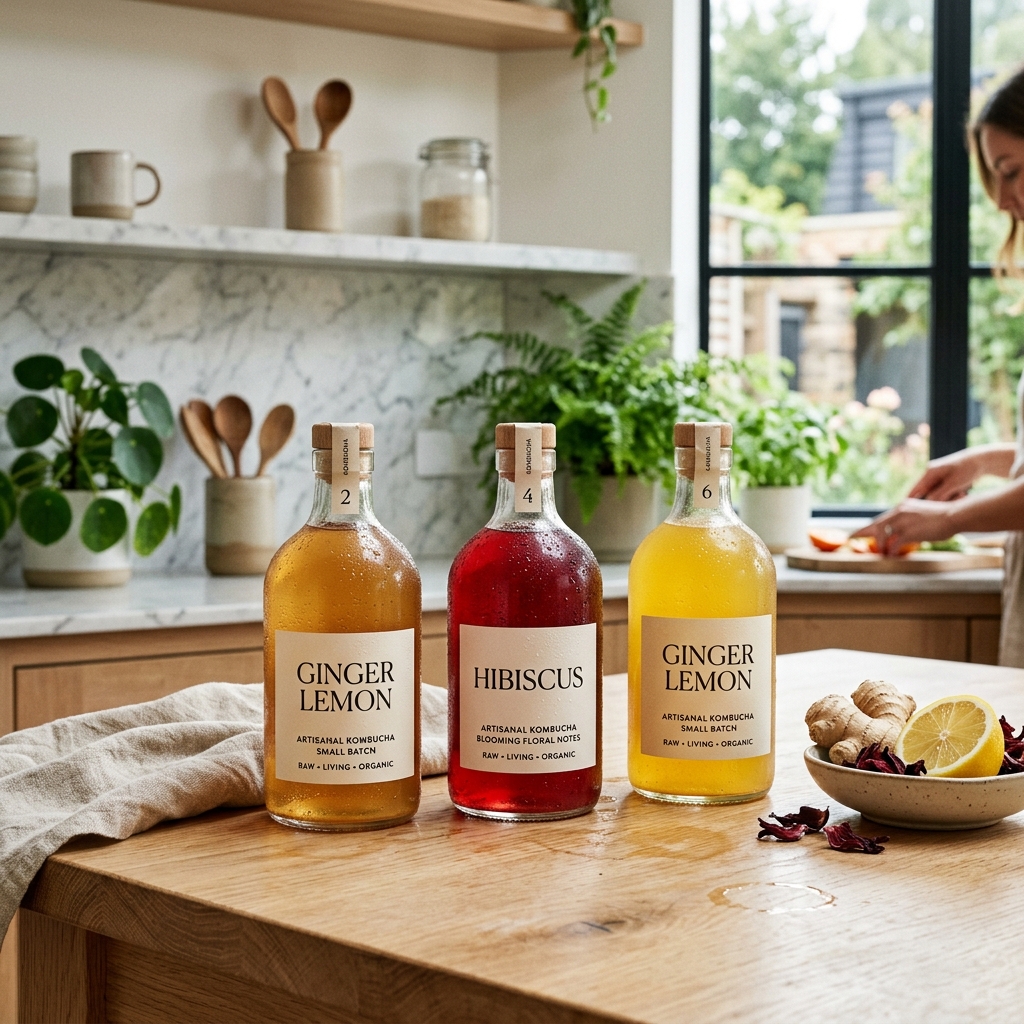
Modern kombuchas often include botanical ad-ins like ashwagandha, hibiscus, or goldenseal. Many of these herbs are classified as "Caution" or "Avoid" during pregnancy because they can act as uterine stimulants or interfere with hormone levels. In 2026, we recommend stick to simple, food-based flavors like Ginger, Lemon, or Raspberry. Avoid any kombucha labeled as "Adaptogenic" or containing unstudied medicinal mushrooms during your pregnancy journey.
Beneficial Acids: The Potential Upside
It is not all bad news. Kombucha is rich in Glucuronic Acid and acetic acid. These organic acids are powerful detoxifiers that help the liver process metabolic waste. For some women, a small, controlled amount of pasteurized kombucha helps manage pregnancy-related sluggishness and bloating. However, the 2026 consensus is that these benefits can be more safely obtained through pasteurized kefir or Greek yogurt, which offer the same probiotic support without the alcohol or pasteurization risks.
Sugar and Gestational Diabetes
Because kombucha requires sugar to ferment, even the "healthiest" brands contain between 10g and 20g of sugar per bottle. For women at risk for Gestational Diabetes (GD), these "liquid sugars" can cause rapid blood sugar spikes. Unlike whole fruit, the sugars in kombucha are highly bioavailable. If you are monitoring your glucose levels, kombucha is often one of the first lifestyle beverages we suggest swapping for a zero-sugar sparkling water or a highly diluted apple cider vinegar tonic.
The 2026 Recommended Alternatives
If you love the fizz and the "tang" of kombucha but want to eliminate 100% of the risk, consider these three alternatives:
- Apple Cider Vinegar Spritzer: 1 tbsp of raw ACV (pasteurized is safer), sparkling water, and a squeeze of lime. You get the acetic acid and the tang with 0% alcohol.
- Water Kefir (Pasteurized): Similar probiotic profile to kombucha but usually lower in caffeine and often available in fully pasteurized versions.
- Sparkling Probiotic Waters: A new 2026 category where specific safe probiotic strains (like BC30) are added to sterile sparkling water. This is the gold standard for safe pregnancy gut health.
pH Levels and Tooth Enamel
Pregnancy hormones already make your gums and tooth enamel more sensitive. Kombucha is highly acidic (often with a pH between 2.5 and 3.5). Regularly sipping on acidic fermented drinks can contribute to enamel erosion and increase the risk of pregnancy-related cavities. To protect your teeth, we recommend drinking your kombucha (if you choose to have any) through a straw and rinsing your mouth with plain water immediately afterward.
The Verdict: Our 2026 Safety Tiers
Tier 1: Avoid (High Risk) - Home-brewed kombucha, raw high-ABV varieties, and unstudied herbal blends.
Tier 2: Caution (Moderate Risk) - Commercial raw kombucha (unpasteurized). Only have occasionally and stick to 4oz servings.
Tier 3: Safe (Low Risk) - Fully pasteurized kombucha or sparkling probiotic waters with 0% ABV.
Case Study: The "Off-Shelf" Alcohol Spike
In a 2025 independent lab study, 15 major brands of "non-alcoholic" kombucha were tested. 30% of the bottles pulled from smaller convenience stores (where refrigeration is less consistent) showed alcohol levels exceeding 1.1% ABV. This confirms that storage history is the biggest wildcard. If a bottle has ever sat at room temperature, the alcohol content has likely increased. If you buy kombucha, only buy it from retailers with high turnover and reliable refrigeration logs.
The SCOBY Geography: Why Not All Fermentation is Equal
In 2026, we are also auditing the Bacterial Geography of kombucha. The specific strains of bacteria and yeast in a SCOBY can vary significantly depending on where the mother culture originated. Some European varieties focus more on Saccharomyces yeast, which can naturally produce slightly higher alcohol levels, while North American commercial cultures are often engineered to be lower in alcohol and higher in Gluconacetobacter. This matters for pregnancy because different yeast strains produce different metabolic byproducts. If you are travelling and trying local artisan kombuchas, the risk is exponentially higher than sticking to a known, standardised commercial brand from a major retailer.
The Fermentation Timeline: Why the Production Date Matters
Finally, we must consider the Production Timeline. When you pick up a bottle of raw kombucha, check the "Produced On" date. Living kombucha is a moving target; the longer it sits in the bottle, the more the yeast continues to consume the residual sugars. Even under perfect refrigeration, a bottle that is six weeks old will almost certainly have a higher ABV and a more acidic profile than a bottle that was produced seven days ago. To stay within the safest possible margins, we recommend only purchasing commercial raw kombucha that has been produced within the last 21 days. This ensures the carbonation and alcohol levels are as close to the label-original as possible.
Summary Safety Checklist for Kombucha
- Check the Label: Look for "Pasteurized" or "Heat Treated."
- Verify ABV: Only buy if it explicitly states "Contains less than 0.5% alcohol."
- Audit the Ingredients: Ensure no unstudied herbs like Ashwagandha or Hibiscus.
- Limit Intake: Stick to one 4oz glass, not the whole bottle.
- Freshness First: Don't drink a bottle that has been open in the fridge for more than 48 hours.
Clinical References
Our 2026 fermentation safety guidelines are derived from:
- Food Microbiology Journal: Alcohol accumulation in unpasteurised commercial beverages.
- American College of Obstetricians and Gynecologists (ACOG): Guidance on unpasteurised food and drink.
- WHO Nutrition Protocol: Managing liquid sugar and acidic intake during pregnancy.
- Fetal Alcohol Syndrome Research (2025 Review): The impact of low-dose ethanol exposure.
Want to know if your specific favorite brand is pasteurized? Download PregnancyPlate. Our smart barcode scanner identifies the pasteurization status and alcohol risk of any kombucha bottle in the UK or US instantly.
Meet the Editorial Team
The researchers and experts behind PregnancyPlate.

Fiza Izra
Founder & Tech Researcher
A UK-based mother of 3 with a background in tech and data synthesis, Fiza brings real-world experience navigating hyperemesis gravidarum and postnatal depression. She engineers complex clinical guidelines (NHS, ACOG) into accessible tools, ensuring rigorous fact-checking with deep empathy.

Emma Davies
Senior Nutrition Editor
A mum and writer, Emma runs our food safety desk. She is the one who rings the restaurant to ask how long the lettuce sits out, checks every claim against CDC, FDA and NHS guidance, and rewrites the answer until it is usable at 9pm in a drive-thru queue.