I Ate Undercooked Chicken While Pregnant: Should I Be Worried?
Accidentally ate chicken that looked pink or undercooked? Here is the calm, clinical pregnancy action plan, including symptoms to watch for, when to call your provider, and how to prevent the next scare.
In this article
Editorial note: This article is researched from official public health and pregnancy food safety guidance, then edited by the PregnancyPlate team for clarity. It is not medical advice. If you are worried about symptoms or a specific exposure, contact your midwife, GP or healthcare provider.
The Fast Answer: If you ate a small amount of chicken that may have been undercooked, do not panic. Most accidental exposures do not lead to illness. Your job now is to assess the risk, hydrate, monitor symptoms, and contact your midwife, OB-GYN, or urgent care if warning signs appear.
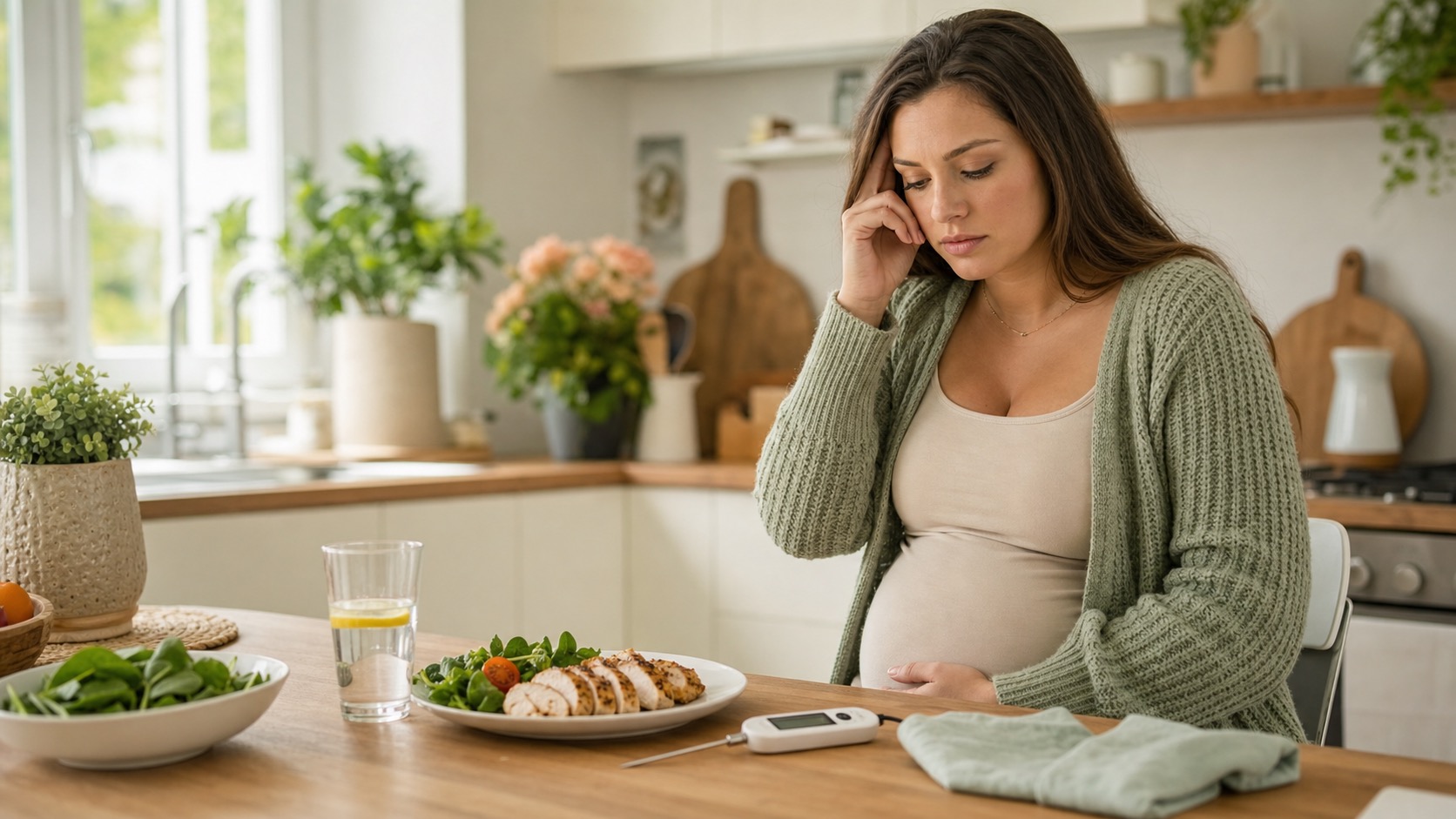
Log the Exposure in PregnancyPlateIt is one of the most common pregnancy food scares: you are halfway through dinner, then you notice the chicken looks a little pink, glossy, rubbery, or oddly soft in the middle. Suddenly, every normal pregnancy twinge feels suspicious. If this just happened to you, take a breath. A possible undercooked chicken exposure is worth taking seriously, but it is not an automatic emergency and it does not mean something bad will happen to your baby.
The main concern with undercooked chicken is foodborne infection, especially Salmonella and Campylobacter. Chicken can also be involved in outbreaks connected to other germs, but those two are the classic risks. According to official food safety guidance, poultry should be cooked to an internal temperature of 165°F or 74°C. That target matters because visual signs are imperfect. Chicken can look pink and still be safe in some cases, and it can look white while still not having reached a safe internal temperature. A thermometer is the only reliable judge.
During pregnancy, the goal is not to spiral. The goal is to move through a calm protocol: identify what you ate, estimate how undercooked it may have been, monitor for symptoms, protect hydration, and know when to call for medical help. This guide gives you the next steps without panic language and without pretending that every bite of questionable chicken is the same risk.
First, Assess What Actually Happened
Before assuming the worst, separate the facts from the fear. Ask yourself three practical questions. Was the chicken raw and translucent in the center, or just slightly pink near the bone? Was it a whole breast, a thigh, minced chicken, rotisserie chicken, nuggets, or leftovers? How much did you eat before noticing the issue? A single bite of chicken that was mostly cooked is a different risk profile from a full portion of clearly raw chicken.
Your next meal, a little less guesswork.
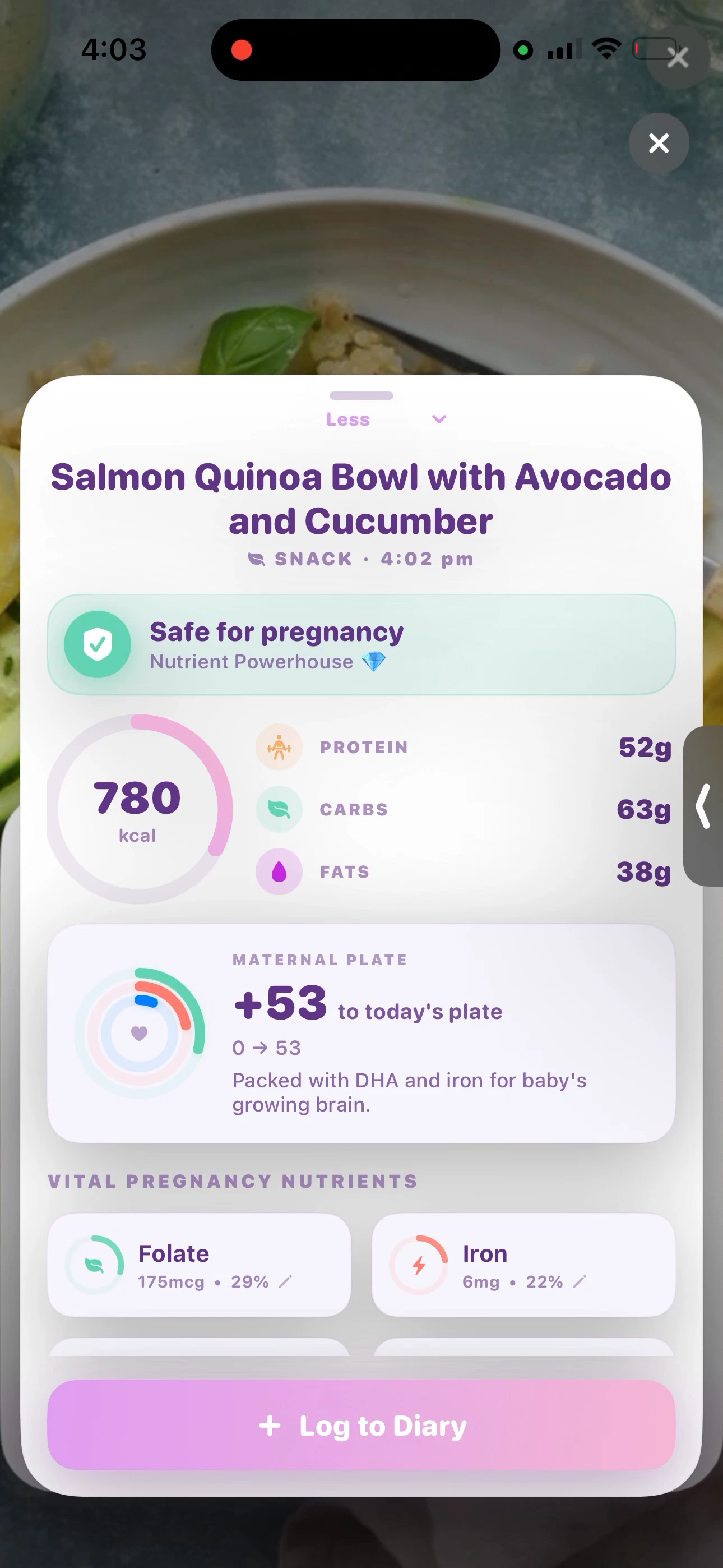
Scan your plate for pregnancy food-safety guidance and a nutrition breakdown. Keep your meals and nutrient progress in one place.
 Scan with your iPhone
to get the app
Texture matters more than color alone. Clearly unsafe chicken often looks shiny, gelatinous, or translucent inside. It may feel slippery or stringy rather than firm and fibrous. Slight pinkness close to a bone can happen because of marrow pigments, especially in younger poultry, but that does not prove safety either. If the food was not temperature checked, treat it as a potential exposure and monitor yourself.
Why Undercooked Chicken Matters in Pregnancy
Pregnancy changes how your immune system behaves. This does not mean you are fragile, but it does mean your body can respond differently to infections. The main maternal risks from undercooked chicken are vomiting, diarrhea, fever, dehydration, and abdominal cramping. Those symptoms can be miserable for anyone, but during pregnancy dehydration and fever deserve extra attention because they can affect blood pressure, uterine irritability, and overall wellbeing.
The good news is that many cases of foodborne illness remain limited to the digestive system and resolve with fluids and rest. The reason we take it seriously is that severe illness can require medical care. If you develop a fever, cannot keep fluids down, see blood in stool, feel faint, or notice reduced fetal movement later in pregnancy, you should contact your care team quickly.
The 165°F Rule: What Counts as Safely Cooked?
Official food safety guidance recommends cooking all poultry, including chicken breasts, thighs, wings, ground chicken, giblets, and stuffing inside poultry, to 165°F or 74°C. The temperature should be checked in the thickest part of the meat, avoiding bone where possible. For thin pieces, insert the thermometer from the side so the sensing area reaches the center.
Why so precise? Because bacteria are not killed by appearance. Heat is the safety step. A white center is not a guarantee, and a faint pink tone is not always proof of danger. The thermometer removes guesswork. If you still have the chicken, you can check another piece from the same batch. If it is below 165°F, do not eat more. Reheat it until the thickest part reaches the target.
Symptoms to Watch For Over the Next 72 Hours
Many chicken-related food poisoning symptoms appear within hours to a few days, though timing varies by germ and dose. Watch for nausea that feels different from your usual pregnancy nausea, repeated vomiting, diarrhea, stomach cramps, chills, fever, headache, body aches, or unusual weakness. Log it in the PregnancyPlate app as it happens: the time you ate the chicken, when symptoms started, your temperature, fluid intake, and any medication your provider recommends. Having that timeline ready is what your provider will ask for first, and it is very hard to reconstruct accurately once you are feeling rough.
A mild stomach upset without fever may be managed at home with rest and fluids, but pregnancy is not the time to ignore worsening symptoms. Call your provider if symptoms are intense, if you are unsure, or if your instinct says something is off. You are not wasting anyone's time. Food safety exposure in pregnancy is a valid reason to ask for clinical advice.
When to Call a Doctor, Midwife, or Urgent Care
Contact your care team promptly if you have a temperature of 100.4°F or 38°C or higher, repeated vomiting, diarrhea lasting more than 24 hours, blood in stool or vomit, severe abdominal pain, signs of dehydration, dizziness, fainting, contractions, vaginal bleeding, leaking fluid, or reduced fetal movement if you are far enough along to track movement. If you cannot reach your usual provider and symptoms are significant, use urgent care or your local emergency advice line.
Signs of dehydration include very dark urine, peeing much less than usual, dry mouth, racing heartbeat, lightheadedness, and being unable to keep fluids down. Dehydration is often the most immediate practical risk from vomiting and diarrhea in pregnancy. It can usually be treated, but it needs attention before it becomes severe.
What to Do Right Now If You Feel Fine
If you feel completely fine, you do not need to force yourself to vomit, take antibiotics, or run to the hospital just because the chicken looked questionable. Do not take anti-diarrhea medication, antibiotics, herbal antimicrobials, or high-dose supplements unless your provider tells you to. Instead, stop eating the chicken, save any packaging or restaurant receipt if available, and monitor your body.
Hydrate normally. Eat simple, gentle foods if your stomach feels unsettled. Keep your next meal bland if anxiety has made your stomach tight. Toast, rice, bananas, soup, crackers, and applesauce are easy options. If symptoms begin, shift into a symptom management plan and call for guidance if warning signs appear.
The At-Home Hydration Plan If Symptoms Start
If vomiting or diarrhea begins, hydration becomes the priority. Take small sips rather than large gulps. Oral rehydration solution, electrolyte drinks, diluted juice, broth, ice chips, and water can all help. If plain water makes you nauseous, try it very cold or alternate with something salty like broth. The aim is steady fluid intake, not perfection.
Once vomiting has settled for several hours, reintroduce food gradually. Start with bland carbohydrates, then add protein when tolerated. Avoid greasy foods, very high-fiber meals, spicy sauces, and heavy dairy until your gut calms down. If you cannot keep fluids down for several hours, call your provider. You may need anti-nausea medication or IV fluids, and that is a normal part of pregnancy care when illness hits hard.
Restaurant Chicken, Takeaway Chicken, and Fast Food
If the chicken came from a restaurant or takeaway, the next step is documentation. Keep the receipt, note the restaurant name, and take a photo if the food visibly looks raw. If you become ill, this information helps your provider and, if needed, local food safety teams. Do not keep eating from the same batch. If the chicken is clearly undercooked, report it to the restaurant so they can correct the cooking process.
For future orders, choose chicken preparations that are cooked hot to order and easy to inspect. Grilled chicken pieces, hot chicken sandwiches, curries that are simmered thoroughly, and freshly cooked nuggets are usually safer than lukewarm buffet chicken or pre-cooked slices sitting in trays. Heat and time matter. Chicken that is cooked properly and held hot is much safer than chicken that drifts into the danger zone.
What About Pink Chicken Near the Bone?
Pinkness near the bone can happen even when chicken is cooked, especially with thighs, drumsticks, and younger birds. Bone marrow pigments can leak into surrounding meat during cooking. Smoking, grilling, and certain marinades can also create pink tones. This is why judging safety by color alone can mislead you in both directions.
The real question is temperature and texture. If the chicken was firm, steaming hot, and measured 165°F, it is safe even if a small area looks pink. If it was cool, rubbery, translucent, or not checked, treat it as a possible exposure. In pregnancy, the most helpful habit is not avoiding all chicken. It is using a thermometer so you do not have to emotionally audit every bite.
Preventing the Next Chicken Scare
Prevention is simple but specific. Keep raw chicken separate from ready-to-eat foods. Wash hands, boards, knives, and counters after handling raw poultry. Do not rinse raw chicken, because splashing water can spread bacteria around the sink. Thaw chicken in the refrigerator, not on the counter. Cook poultry to 165°F and refrigerate leftovers within 2 hours, or within 1 hour if the room is very warm.
For meal prep, divide cooked chicken into shallow containers so it cools quickly. Reheat leftovers until steaming hot throughout. If you use PregnancyPlate to log meals, note when cooked chicken was prepared and when it was eaten. This turns food safety into a simple tracking habit instead of a memory test.
The Calm Pregnancy Action Plan
- Stop eating the chicken. Do not finish the meal if you suspect it was undercooked.
- Save details. Note the time, food source, and amount eaten.
- Check temperature if possible. Any remaining chicken should reach 165°F before eating.
- Monitor symptoms. Watch for fever, vomiting, diarrhea, blood, dizziness, or severe pain.
- Call if warning signs appear. Pregnancy is a good reason to get advice early.
- Hydrate steadily. Small sips are better than forcing large amounts.
The Verdict
Accidentally eating possibly undercooked chicken while pregnant is frightening, but it is also manageable. The key is to avoid both extremes: do not dismiss symptoms, but do not assume one questionable bite has harmed your baby. Most people who have a food safety scare never become seriously ill. Your best protection is calm monitoring, hydration, and prompt medical advice if fever, dehydration, severe symptoms, or fetal movement changes appear.
Going forward, make the thermometer your kitchen safety tool. Chicken is a valuable source of protein, iron, choline, and B vitamins during pregnancy. You do not need to cut it out. You just need it cooked properly, stored safely, and reheated thoroughly.


Make sense of every plate.
Scan your plate for pregnancy food-safety guidance and a nutrition breakdown. Keep your meals and nutrient progress in one place.
Scan with your iPhoneto get the app