Can You Drink La Croix While Pregnant? (Sparkling Water & Hydration Guide)
Tired of plain water? We investigate if La Croix, Bubly, and other sparkling waters are safe during pregnancy, and whether 'natural flavors' pose any risks to your baby.
In this article
Editorial note: This article is researched from official public health and pregnancy food safety guidance, then edited by the PregnancyPlate team for clarity. It is not medical advice. If you are worried about symptoms or a specific exposure, contact your midwife, GP or healthcare provider.
The Quick Answer: Yes, La Croix and most unsweetened sparkling waters are completely safe to drink during pregnancy. They provide a massive hydration benefit when you are suffering from morning sickness and can't tolerate the taste of plain, flat water. The "natural flavors" are FDA-approved and safe, and the carbonation can actually help settle an upset stomach.
Check Beverage Safety in the AppSafety is step one. Nutrition helps your baby thrive.
Knowing a meal is safe does not tell you whether you are getting enough iron, folate, calcium and choline. PregnancyPlate tracks all of it from a photo of your plate.
- See nutrient progress
- Scan meals instantly
- Nourish with confidence
 Scan to download
Open with iPhone camera
Scan to download
Open with iPhone camera
The Hydration Struggle is Real
During pregnancy, your body's fluid volume expands by up to 50%. You are not just hydrating yourself; you are literally creating amniotic fluid. Because of this, the American College of Obstetricians and Gynecologists (ACOG) recommends drinking 8 to 12 cups (64 to 96 ounces) of water every single day. This is a massive jump from what most women are used to drinking, and it can feel like a full-time job just to constantly refill your water bottle.
But here is the reality of the first trimester: plain water often tastes completely metallic, disgusting, or immediately triggers nausea. Many women report that the sheer thought of drinking room-temperature flat water makes them gag. This is a biological response to fluctuating hormones, particularly estrogen and hCG, which severely alter your sense of taste and smell. If you are struggling to hit your 96-ounce goal because flat water makes you sick, sparkling water like La Croix feels like an absolute lifesaver. But is it safe to consume carbonated water in such large quantities?
Breaking Down La Croix: The Safety Audit
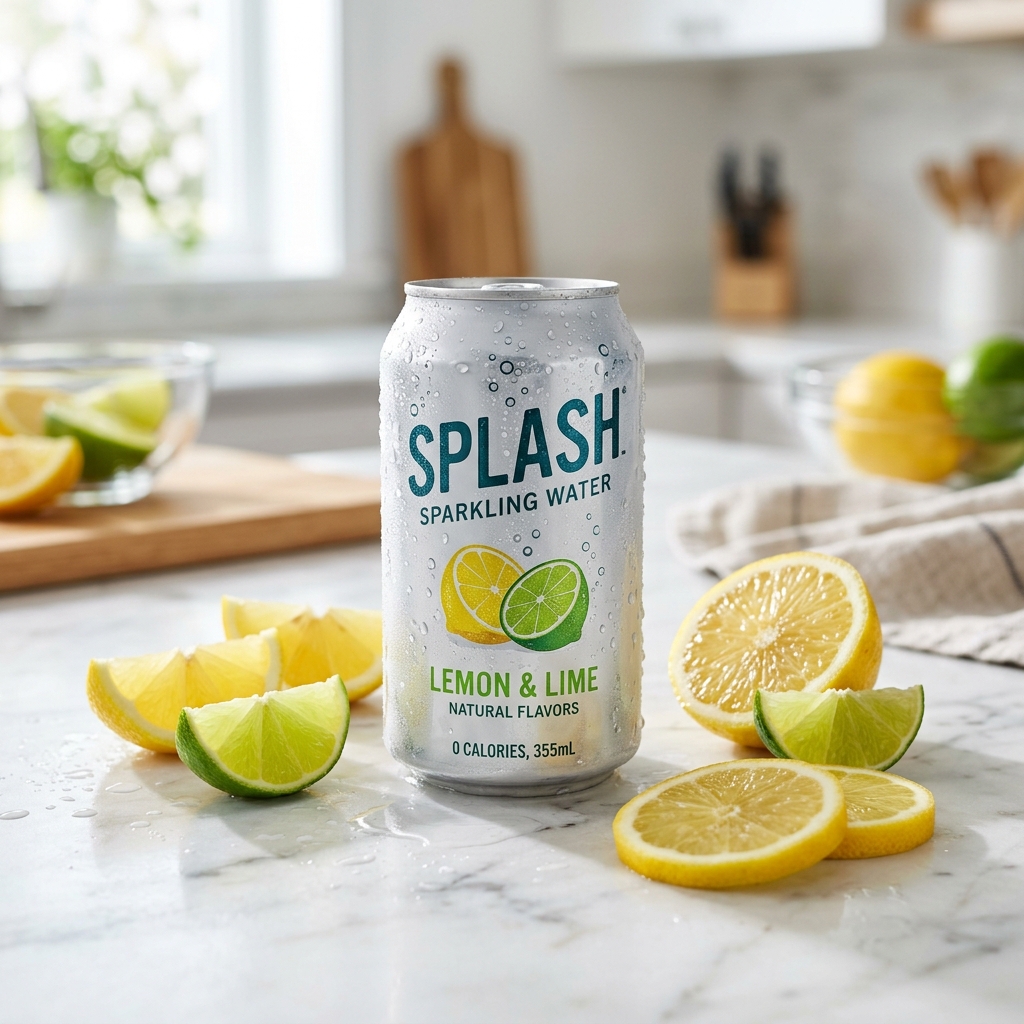
Let's look at the ingredients of a standard La Croix (like Pamplemousse or Lemon). The ingredients list is incredibly short, which is exactly what we look for when evaluating pregnancy-safe foods and beverages:
- Carbonated Water: Completely safe. This is simply water that has been infused with carbon dioxide gas under pressure.
- Naturally Essenced (Natural Flavors): Completely safe. These are extracted directly from the named fruit.
- Zero Calories, Zero Sweeteners, Zero Sodium: Excellent. This means you do not have to worry about gestational weight gain or blood pressure spikes.
The beauty of La Croix, Bubly, Spindrift, and Waterloo is what they lack. They do not contain artificial sweeteners (like aspartame or sucralose), they do not contain added sugars, and most importantly, they do not contain caffeine. This makes them a "free pass" beverage. You can drink as many as you need to stay hydrated without worrying about hitting a caffeine limit (unlike your morning Starbucks) or spiking your blood sugar. In fact, staying hydrated is the number one way to prevent premature Braxton Hicks contractions.
What Exactly Are "Natural Flavors"?
The term "natural flavors" often sounds suspicious to health-conscious mothers. The FDA defines natural flavors as substances extracted from plant or animal sources (like fruit, spices, or herbs) whose significant function in food is flavoring rather than nutritional.
In the case of La Croix, the company has stated that they extract flavor oils directly from the fruit. For example, they extract the essential oils from the rind of a grapefruit for their Pamplemousse flavor. There are no artificial additives, sugars, or synthetic chemicals used to create the flavor profile.
These oils are highly distilled and used in microscopic amounts. The FDA classifies them as "Generally Recognized as Safe" (GRAS). There is zero clinical evidence to suggest that the natural fruit essences used in major sparkling water brands pose any risk to fetal development. If you are drinking Spindrift, the flavor actually comes from a small amount of real squeezed fruit juice, which is also completely safe (though it does add 1-2 grams of carbohydrates per can, which is negligible).
The Benefits of Carbonation for Morning Sickness
For many women, La Croix isn't just a fun drink; it's a therapeutic tool for surviving the first trimester. Why?
Carbonation acts as a mild gastric stimulant. The bubbles can actually encourage you to burp, which relieves the intense pressure and bloating that accompanies early pregnancy digestion. Remember, your body is producing massive amounts of progesterone, a hormone that relaxes smooth muscle tissue to prevent premature uterine contractions. Unfortunately, it also relaxes your digestive tract, causing food to sit in your stomach longer and producing painful gas.
The slight acidity of the bubbles in sparkling water, combined with a sharp citrus flavor like lemon or lime, is scientifically proven to be one of the most effective palate cleansers for combating nausea. Cold, carbonated beverages are significantly easier to keep down than warm or room-temperature liquids when you are suffering from hyperemesis or general morning sickness. Sipping an ice-cold La Croix slowly throughout the day can provide a steady stream of hydration without triggering the gag reflex.
The One Drawback: Third Trimester Heartburn
⚠️ The Reflux Warning
While La Croix is a miracle in the first trimester, it can become your worst enemy in the third trimester. As your baby grows and physically crushes your stomach, your esophageal sphincter relaxes. The carbonated bubbles in sparkling water expand in your stomach, which can force stomach acid back up into your throat, triggering brutal heartburn. If you are prone to acid reflux, you may need to switch back to flat water or add a splash of safe electrolyte powder instead to make it palatable.
Is Topo Chico or San Pellegrino Safe?
Yes, mineral waters like Topo Chico, San Pellegrino, and Perrier are also perfectly safe. In fact, they offer an added bonus over standard seltzer water: they naturally contain trace minerals.
Mineral water comes from underground springs and naturally contains high levels of dissolved minerals like calcium, magnesium, and potassium, which are incredibly beneficial during pregnancy. Magnesium, in particular, is a critical mineral during the third trimester. It helps relax smooth muscle tissue, which can fend off those awful middle-of-the-night calf cramps and restless leg syndrome that plague so many expectant mothers.
However, there is a small caveat: mineral waters do contain trace amounts of sodium. For the vast majority of pregnant women, this is perfectly fine and actually helps with electrolyte balance. But, if your doctor has put you on a strict low-sodium diet due to high blood pressure, hypertension, or preeclampsia risks, you should consult with them before making Topo Chico your primary water source. For strict sodium restriction, standard seltzer waters like La Croix or Bubly are safer bets.
Are ALL Sparkling Waters Safe? (The Danger Zone)
While La Croix and basic seltzers are safe, you must carefully read the labels of other "sparkling beverages" in the grocery aisle. The beverage industry has blurred the lines between water, soda, and energy drinks. Many drinks market themselves as sparkling water but are actually hiding ingredients that you need to moderate or avoid entirely:
- Sparkling Ice / Diet Sodas: Beverages like Sparkling Ice or Diet Coke contain artificial sweeteners like Sucralose (Splenda) or Aspartame. While the FDA considers these artificial sweeteners safe in moderation during pregnancy, many mothers prefer to avoid them due to emerging research on how they affect the maternal gut microbiome. Furthermore, they train your palate to crave intense sweetness, which can make it harder to manage gestational diabetes later on.
- Caffeinated Sparkling Waters: Brands like Bubly Bounce, AHA Caffeinated, or even caffeinated Celsius waters contain significant amounts of hidden caffeine—often up to 35mg or 50mg per can. If you drink three of these a day thinking it is just water, you are quickly eating into your 200mg daily caffeine allowance. Always check the label for "caffeine" or "green tea extract."
- Tonic Water: This is a massive red flag. Tonic water is NOT sparkling water. It contains quinine, which is a chemical compound originally used to treat malaria. While it gives tonic water its signature bitter taste, quinine can cross the placenta. High doses of quinine are strictly forbidden during pregnancy, as they have been linked to neonatal withdrawal symptoms and other severe complications. You should avoid drinking large amounts of tonic water.
- CBD Sparkling Waters: An increasing number of boutique sparkling waters are infused with CBD. The FDA and ACOG strongly advise against consuming any cannabis or CBD products during pregnancy, as there is insufficient data to prove they are safe for a developing fetal brain.
Tips for Maximizing Your Hydration
If you are struggling to hit your 96 ounces of water a day, here are a few pregnancy-safe strategies to make it easier:
- The 50/50 Split: If the carbonation is giving you too much gas, try mixing half a can of La Croix with half a glass of flat water. You still get the refreshing citrus essence, but with half the bubbles.
- Infuse It: Add fresh fruit to your flat water. Muddled strawberries, a slice of cucumber, or fresh mint leaves can completely mask the metallic taste of tap water without adding any artificial ingredients.
- Temperature Matters: Most pregnant women find that ice-cold beverages are vastly easier to tolerate than room-temperature water. Invest in a high-quality insulated tumbler (like a Stanley or Yeti cup) and keep it packed with ice all day long.
- Eat Your Water: Remember that hydration doesn't just come from beverages. Foods with high water content, like watermelon, cucumbers, strawberries, and iceberg lettuce, all count towards your daily fluid intake.
The Bottom Line
Pregnancy requires you to make a massive amount of sacrifices when it comes to your diet and lifestyle. Fortunately, giving up your favorite sparkling water is not one of them. If La Croix is the only way you can stomach water right now, drink it proudly.
Hydration is the absolute most important factor for maintaining healthy amniotic fluid levels, supporting increased blood volume, and preventing premature contractions. Pop the can, enjoy the bubbles, and stay hydrated knowing you are making a safe and healthy choice for both you and your baby.
Scan Your Beverage in the App
Not sure if that new flavored water has hidden caffeine, adaptogens, or artificial sweeteners? The PregnancyPlate App's ingredient scanner will instantly flag any problematic additives in your drinks. Take a photo of the label and get instant peace of mind.
Sources
- American College of Obstetricians and Gynecologists (ACOG), How much water should I drink during pregnancy?
- U.S. Food and Drug Administration (FDA), Food Additive Status List (GRAS).
- National Institutes of Health (NIH), Hydration and Pregnancy Outcomes.
Meet the Editorial Team
The researchers and experts behind PregnancyPlate.

Fiza Izra
Founder & Tech Researcher
A UK-based mother of 3 with a background in tech and data synthesis, Fiza brings real-world experience navigating hyperemesis gravidarum and postnatal depression. She engineers complex clinical guidelines (NHS, ACOG) into accessible tools, ensuring rigorous fact-checking with deep empathy.

Emma Davies
Senior Nutrition Editor
A mum and writer, Emma runs our food safety desk. She is the one who rings the restaurant to ask how long the lettuce sits out, checks every claim against CDC, FDA and NHS guidance, and rewrites the answer until it is usable at 9pm in a drive-thru queue.