Is Boba Safe During Pregnancy? (Tapioca Pearls, Tea Bases and Sugar Guide)
Boba cravings during pregnancy are very real. The good news is bubble tea is safe as an occasional treat. The not-so-good news is a standard large boba has up to 50g of sugar and enough caffeine to hit your daily limit. Here's everything you need to know to order it safely.
In this article
Editorial note: This article is researched from official public health and pregnancy food safety guidance, then edited by the PregnancyPlate team for clarity. It is not medical advice. If you are worried about symptoms or a specific exposure, contact your midwife, GP or healthcare provider.
Quick Answer: Yes, boba (bubble tea) is safe during pregnancy as an occasional treat. The tapioca pearls are made from cassava starch and are fine. The bigger concerns are the caffeine hidden in most tea bases (even fruit teas!) and the absolutely massive amounts of sugar in a standard order. A large boba can have 50g of sugar and up to 130mg of caffeine. The good news is most boba shops let you customise both. Order 25% sugar or less, ask about caffeine-free base options, and you're good.
Check Boba Safety in PregnancyPlateSafety is step one. Nutrition helps your baby thrive.
Knowing a meal is safe does not tell you whether you are getting enough iron, folate, calcium and choline. PregnancyPlate tracks all of it from a photo of your plate.
- See nutrient progress
- Scan meals instantly
- Nourish with confidence
 Scan to download
Open with iPhone camera
Scan to download
Open with iPhone camera
Boba cravings during pregnancy are genuinely one of the most common things we hear about. Something about that chewy texture and sweet milky tea just hits differently when you're pregnant. And the first thing most women do when the craving strikes is google "is boba safe during pregnancy" in mild panic.
So let's settle it properly. Boba is safe during pregnancy. But there are some real things worth knowing before you order a large taro milk tea with extra pearls, because the standard boba shop order is not exactly pregnancy-optimised. This guide covers the actual science behind every component of a boba drink so you can order confidently and enjoy it without the anxiety spiral.
Are Tapioca Pearls Safe During Pregnancy?
Yes. The chewy black balls you're craving are made from tapioca starch, which comes from cassava root. In their pure form, tapioca pearls are basically just starch. No pregnancy concerns with the ingredient itself.
There are a couple of practical things to be aware of though:
- Digestion: Tapioca is really dense and slow to digest. If you're already dealing with pregnancy constipation (which is incredibly common, especially from the second trimester onwards because progesterone slows your whole digestive system down), a large serving of boba pearls on top of that can make things genuinely uncomfortable. Stick to a small or regular size.
- Choking risk in the third tri: This sounds alarming but it's worth mentioning. In the third trimester your diaphragm gets physically compressed by the baby, which means your breathing is shallower and your gag reflex can be more sensitive. The wide boba straw requires a strong suck to pull the pearls up. Just sip slowly rather than going full vacuum mode. Easy fix.
- The sugar in the pearls themselves: Most boba shops pre-cook and store their tapioca pearls in brown sugar syrup. This means even if you order 0% sugar in your tea, the pearls themselves are contributing roughly 10 to 15g of sugar to your drink. Worth knowing when you're managing your overall sugar intake.
The Hidden Caffeine Problem
This is the big one that most people miss. Boba looks like a fun sweet drink, not a caffeine vehicle. But most boba drinks are built on a tea base, and tea contains caffeine.
The ACOG and the NHS both recommend keeping caffeine under 200mg per day during pregnancy. A large classic milk tea boba can contain anywhere from 80 to 130mg of caffeine. If you've already had a cup of coffee or tea in the morning (around 95mg), one large boba could tip you over your daily limit without you even realising.
Here's a rough caffeine guide for the most common boba bases:
- Classic black milk tea base: 80 to 130mg caffeine (high risk)
- Green/oolong tea base: 50 to 80mg caffeine (moderate)
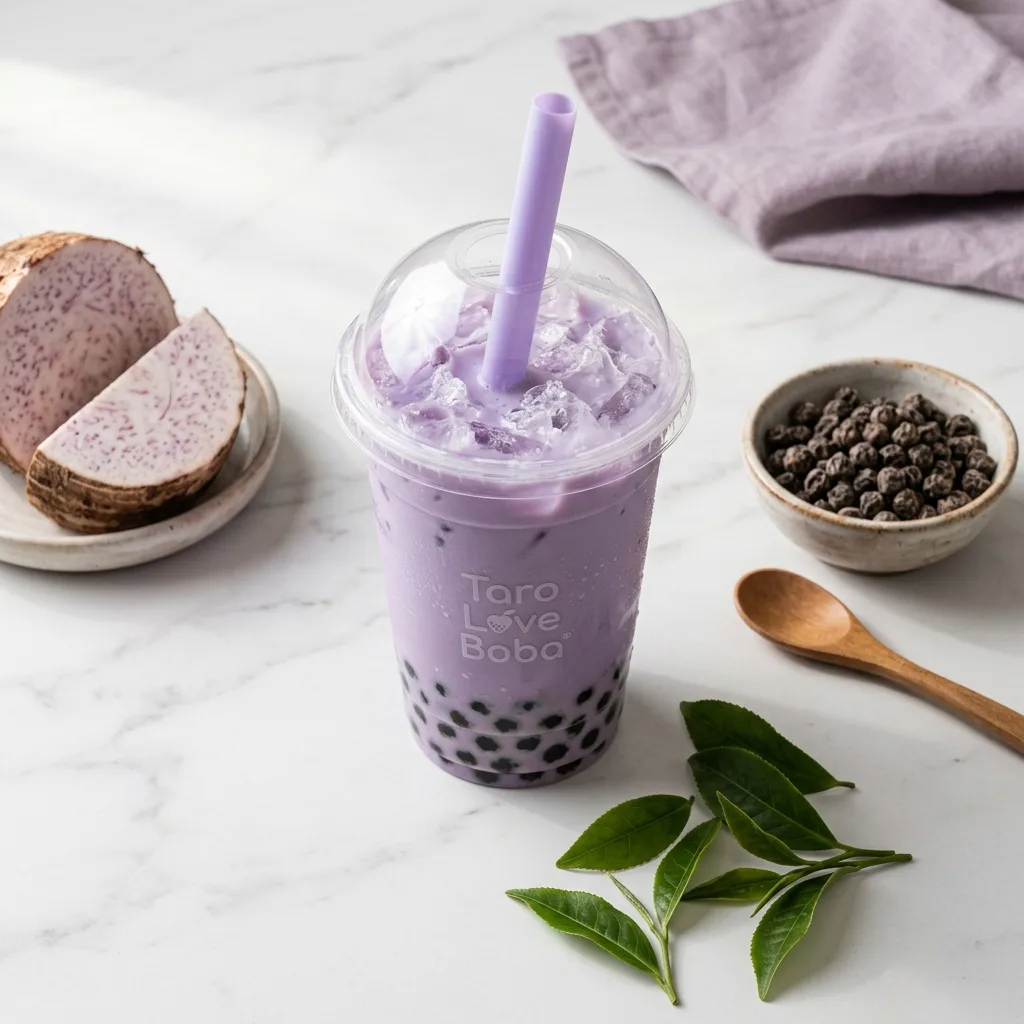
- Taro (powder-based): 0 to 15mg (low, but not always zero)
- Winter melon tea: 0mg (completely caffeine-free, safe at any amount)
- Fresh fruit teas (hibiscus, strawberry etc): Usually 0mg if genuinely herbal-based, but always check because many shops use a green or black tea base even for "fruit teas"
The taro one trips people up the most. Taro itself is a root vegetable with no caffeine. But most commercial boba shops use a pre-mixed taro powder that sometimes includes black tea powder as a flavour enhancer. It's usually a small amount but it's not always zero. If you're being cautious about caffeine, ask specifically whether the taro powder contains tea.
Safest low-caffeine boba orders: winter melon, fresh fruit herbal bases, matcha-free options. Ask for "no tea base" and "fresh milk" instead if available, some shops do this.
The Sugar Issue is Actually Pretty Serious
Let's be honest about the sugar situation. A standard large boba at 100% sugar has around 50g of added sugar. That is more than the total daily sugar limit recommended for most adults (25 to 37g per day according to the WHO), all in one drink. For a pregnant woman, this level of sugar in one hit causes a significant blood sugar spike followed by a crash, and over time can contribute to excessive weight gain and increased Gestational Diabetes risk.
If you already have Gestational Diabetes or have been flagged as at risk, a standard boba order is genuinely not a good idea. But most shops have a sugar customisation system that makes it manageable:
- 100% sugar: Around 50g of added sugar. Avoid during pregnancy.
- 50% sugar: Around 25g. Still quite high but occasional is OK for most women.
- 25% sugar: Around 12 to 15g from the syrup, plus 10 to 15g from the pearls. Much more manageable.
- 0% sugar: Only the natural sweetness from the pearls themselves (around 10 to 15g). This is the safest option for GD or anyone watching their blood sugar closely.
Our recommendation for pregnant women: always order 25% or less. Ask for 0% if you have GD. It still tastes sweet because of the pearls and the natural flavour of the milk.
Safer Toppings and Mix-Ins to Try
If you want the boba experience but want to reduce the dense starch load of traditional tapioca pearls, there are some genuinely good alternatives at most shops:
- Crystal boba / agar jelly: Made from seaweed-based agar rather than tapioca starch. Much lighter, lower calorie, still gives you that chew. Great option.
- Grass jelly: Made from a plant in the mint family, slightly herbal flavour, significantly less sugar than syrup-soaked tapioca pearls. Safe during pregnancy.
- Aloe vera: Refreshing, lower in calories, and naturally good for digestion which is helpful during pregnancy. Make sure the shop uses food-grade aloe.
- Pudding (egg custard): Generally safe, made with pasteurised eggs in commercial boba shops. Check with individual shops if you're unsure.
Chain Guide: Which Boba Shops Are Safest During Pregnancy?
Not all boba shops are equal when it comes to transparency and quality. Here's a quick breakdown of the major chains:
- Gong Cha: Best for sugar customisation. Their 0% sugar option is genuinely zero-added-sugar, which makes them the most reliable choice for GD management. They also clearly label which bases have caffeine.
- Kung Fu Tea: High marks for ingredient quality. Default sugar levels are very high so always ask for 25% or less. Their milk options are good quality.
- Tiger Sugar: Famous for the brown sugar streaks but that aesthetic is basically liquid sugar at this point. The base drink itself is fine but the extra brown sugar swirls add a huge amount of sugar on top of everything else. If you love Tiger Sugar, order their plain milk tea without the signature brown sugar drizzle, or just accept it's a once-in-a-while treat.
- Sharetea: Good caffeine-free base options and clear sugar level system. Solid choice.
- Independent local shops: Quality varies a lot. Ask about their pearl sourcing (you want food-grade cassava starch from a reputable supplier) and whether their sugar system is actually calibrated properly. Established chains have better consistency.
Trimester by Trimester: How Boba Fits In
- First Trimester: The chewy texture of boba can honestly be a comfort thing when morning sickness is bad and you can't face most food. The cold temperature can also help with nausea. Just go for a small size, low sugar, and a caffeine-free base. Avoid ordering anything with strong flavours or high acidity if nausea is a problem. For more on eating in the first tri, our first trimester nausea guide has lots of practical ideas.
- Second Trimester: Most women feel better and food becomes more enjoyable again. Boba as a treat is totally fine. Just keep it to 25% sugar or less and watch where your daily caffeine is coming from. If you're also having coffee or tea that day, either skip the tea base entirely in your boba or go with a caffeine-free option. Our protein needs by trimester guide is worth reading at this stage too since protein targets go up in the second tri.
- Third Trimester: Watch the pearls for digestion reasons (constipation gets worse as your digestive system slows further). Avoid hot boba drinks if heartburn is an issue. Sugar is still the main watch-out, especially if your OB is monitoring your glucose levels late in pregnancy. Go for a small, 0 to 25% sugar, caffeine-free option and eat something with protein and fibre first so you're not drinking it on an empty stomach and getting a blood sugar spike.
What About Boba and Gestational Diabetes?
If you have GD, boba is something to be genuinely careful with rather than just enjoying freely. The combination of sugar from the syrup, sugar from the pearls, and the fast-absorbing simple carbohydrates in tapioca makes a standard boba order a high glycaemic index drink that can cause significant glucose spikes.
That said, you don't have to swear off boba entirely. Here's how to make it work with GD:
- Order 0% sugar and ask about unsweetened milk options
- Choose crystal boba or grass jelly instead of tapioca pearls (lower GI)
- Go for a caffeine-free fresh milk base with no tea
- Have a small size only
- Eat it after a meal with protein and fat, not on an empty stomach, to slow glucose absorption
- Test your blood glucose 1 to 2 hours after as you normally would with any new food
Talk to your OB or dietitian about your specific GD management plan. Every case is different. Some women with well-controlled GD can handle a small carefully ordered boba occasionally; others find even a small amount causes a spike. Your glucose meter will tell you the truth.
FAQs
Is boba safe in the first trimester?
Yes, in moderation. Choose a small size, 25% sugar or less, and a caffeine-free base like winter melon or fresh milk. The cold temperature can actually help with nausea which is a nice bonus in the first tri.
Are tapioca pearls safe during pregnancy?
Yes. They're made from cassava starch and are completely safe to eat during pregnancy. The main considerations are the sugar they absorb during cooking and their density which can aggravate constipation if eaten in large quantities.
Is taro boba safe during pregnancy?
Generally yes, but check whether the taro powder used contains tea. Most commercial taro powders are caffeine-free or very low caffeine, but some include black tea powder. If you're keeping a close eye on caffeine, just ask.
Does boba count towards my daily caffeine limit?
It depends on the base. A classic milk tea boba absolutely counts and can contribute 80 to 130mg of caffeine. Winter melon, herbal fruit teas, and fresh milk bases with no tea are caffeine-free. Always factor in your full day of caffeine from all sources including coffee, tea, chocolate, and cola.
Can boba help with pregnancy heartburn?
No, and it can actually make it worse. The density of the pearls, the sugar, and any acidic fruit components can all trigger or worsen reflux. If heartburn is a problem, warm winter melon tea with no pearls is about as gentle as boba gets.
Is the milk in boba pasteurised?
At established chains yes. Commercial boba chains use pasteurised dairy or non-dairy milks. If you're at a small independent shop and you're not sure, just ask. Unpasteurised milk is one of the foods to avoid during pregnancy so it's worth checking if you have any doubt.
The Bottom Line
Boba during pregnancy is fine as an occasional treat. It's not something to stress about if you're having it once a week or so. The things that actually matter are keeping the sugar low (order 25% or under), being aware of the caffeine in your tea base, and not going absolutely massive on the portion size.
Quick order guide:
✓ Tapioca pearls? Safe.
✓ Taro base? Usually fine, check for tea content.
✓ Winter melon or herbal base? Safest caffeine-free option.
✓ 25% sugar or less? Yes, always.
✓ Crystal boba or grass jelly? Great lower-sugar alternatives to tapioca.
✗ Large 100% sugar classic milk tea? Too much sugar and caffeine for a regular pregnancy drink.
✗ Tiger Sugar brown sugar drizzle on top? Save it for a genuine once-in-a-while treat.
For more on managing your overall pregnancy diet, check out our pregnancy-safe snacks guide and our breakdown of caffeine limits during pregnancy. And if you're navigating Gestational Diabetes specifically, our protein and nutrition guide covers how to hit your nutritional targets while keeping blood sugar stable.
Track Your Caffeine and Sugar in One Place
The PregnancyPlate App lets you log your boba order, tracks your caffeine and sugar against your daily pregnancy targets, and flags if you're getting close to your limits. No maths required.
Sources
- American College of Obstetricians and Gynecologists (ACOG), Nutrition and Pregnancy Guidance (2024).
- National Health Service (NHS), Foods to Avoid During Pregnancy (2023).
- U.S. Food and Drug Administration (FDA), Food Safety for Pregnant Women (2023).
- World Health Organization (WHO), Healthy Diet: Sugar Intake Guidelines (2023).
- National Health Service (NHS), Healthy Eating in Pregnancy (2023).
Meet the Editorial Team
The researchers and experts behind PregnancyPlate.

Fiza Izra
Founder & Tech Researcher
A UK-based mother of 3 with a background in tech and data synthesis, Fiza brings real-world experience navigating hyperemesis gravidarum and postnatal depression. She engineers complex clinical guidelines (NHS, ACOG) into accessible tools, ensuring rigorous fact-checking with deep empathy.

Emma Davies
Senior Nutrition Editor
A mum and writer, Emma runs our food safety desk. She is the one who rings the restaurant to ask how long the lettuce sits out, checks every claim against CDC, FDA and NHS guidance, and rewrites the answer until it is usable at 9pm in a drive-thru queue.