Is Prawn Safe During Pregnancy? (Cooked vs Raw & Restaurant Risks)
Are prawns low-mercury? We audit the safety of cooked prawns, the risks of the 'vein,' and why they are a critical source of iodine for fetal brain development in 2026.
In this article
Editorial note: This article is researched from official public health and pregnancy food safety guidance, then edited by the PregnancyPlate team for clarity. It is not medical advice. If you are worried about symptoms or a specific exposure, contact your midwife, GP or healthcare provider.
The Prawn Safety Audit: Prawns are one of the most misunderstood seafoods during pregnancy. In 2026, we apply clinical scrutiny to their mercury levels, bacterial "vein" risks, and the essential iodine they provide for fetal brain architecture.
Track Your Seafood Intake on PregnancyPlateYour next meal, a little less guesswork.
Scan your plate for pregnancy food-safety guidance and a nutrition breakdown. Keep your meals and nutrient progress in one place.
 Scan with your iPhone
to get the app
Whether you call them prawns or shrimp, these crustaceans are a nutritional powerhouse for the expectant mother. However, the 2026 seafood landscape is complex, filled with concerns about heavy metals, microplastics, and foodborne pathogens. For many pregnant women, the fear of "seafood poisoning" leads them to avoid shellfish entirely, potentially missing out on critical nutrients like Iodine, Selenium, and Vitamin B12. This authoritative guide provides the clinical filters you need to enjoy prawns safely, ensuring you hit your nutritional targets while maintaining a zero-risk pathogen profile. We examine the molecular impact of astaxanthin, the risks of histamine toxicity, and the global certifications that guarantee purity.
Prawn vs. Shrimp: A Global Clinical Audit
From a biological standpoint, prawns and shrimp belong to different suborders (Dendrobranchiata and Pleocyemata), but in the culinary world, the terms are often used interchangeably. In the UK, Australia, and much of the Mediterranean, "prawn" is the standard term. In the US, "shrimp" is preferred. Clinical Significance: Regardless of the name, the safety profile remains consistent. Both are decapod crustaceans that inhabit various water depths. The key difference for safety isn't the species, but the Water Source. Cold-water prawns (often smaller and wild-caught) generally have a cleaner mercury and antibiotic profile than warm-water farmed prawns from regions with less stringent environmental monitoring. In 2026, we recommend checking the label for "Wild-Caught" or "ASC-Certified" to ensure the highest purity standards. We also look at the role of prawns in "Coastal Longevity Diets," where they have been a primary fertility protein for millennia in regions like Sardinia and Okinawa.
Mercury Bio-accumulation: Why Prawns are a "Safe Star"
Mercury is the primary heavy metal concern during pregnancy, as it is a neurotoxin that can impair the developing baby's brain and nervous system. The Good News: Prawns are consistently classified as a "Best Choice" by the FDA and NHS. Because prawns have a short lifespan and occupy a lower position on the food chain, they do not bio-accumulate mercury to the dangerous levels found in larger predatory fish like Shark, Swordfish, or King Mackerel. You can safely consume up to 12 ounces (about 2-3 servings) of cooked prawns per week without exceeding safe mercury thresholds. This makes them one of the most reliable sources of aquatic protein for the second and third trimesters.
Astaxanthin: The Protective Red Pigment
The vibrant orange-red color of cooked prawns comes from Astaxanthin, a powerful keto-carotenoid antioxidant. In 2026, clinical focus has shifted to the role of maternal antioxidants in protecting the developing fetal retina. Astaxanthin is unique because it can cross the blood-brain and blood-retina barriers. For the expectant mother, it helps manage the oxidative stress that can contribute to "pregnancy mask" (melasma) and supports the baby’s emerging visual pathways. Furthermore, astaxanthin is up to 6,000 times more potent than Vitamin C in neutralizing certain types of free radicals, providing a high-level biological shield for both mother and child. It also helps improve skin elasticity, potentially reducing the severity of stretch marks as the pregnancy progresses.
The "Vein" Anatomy: Microbiological Risks
The dark line running along the back of a prawn is not a vein, but its digestive tract. Clinical Warning: While often removed for aesthetic reasons, the "vein" can harbor a higher bacterial load, including *Vibrio* species and fecal coliforms, especially if the prawn was harvested from warm-water farms with high stocking densities. In 2026, we advise that pregnant women only consume prawns that have been "deveined" prior to cooking. This significantly reduces the initial bacterial load and ensures that the heat from cooking can more effectively penetrate the meat to achieve a full "Pathogen-Kill" at the core. When buying frozen prawns, look for "P&D" (Peeled and Deveined) for the highest baseline safety.
Histamine Toxicity: The Cold Chain Audit
A common but misunderstood risk in seafood is Scombroid Food Poisoning or Histamine Toxicity. This occurs when prawns are not kept at clinical temperatures (below 40°F/4°C) immediately after harvest. Bacteria begin to convert the amino acid histidine into histamine. Clinical Alert: Unlike *Salmonella* or *Listeria*, histamine is heat-stable. This means that even if you "fully cook" the prawns, the toxins remain in the meat and can cause a severe allergic-like reaction in the mother. During pregnancy, this systemic inflammatory response can be extremely dangerous. Safety Rule: Only purchase prawns from reputable suppliers with a transparent cold chain (from boat to plate). Fresh prawns should smell like the ocean, never "fishy" or like ammonia.
Nanoplastics: The 2026 Environmental Audit
In 2026, we apply a "Nanoplastic Filter" to our seafood recommendations. Prawns, especially those that dwell on the seafloor (benthic varieties), can ingest microplastic fragments that have settled in the sediment. Research suggests that these nanoplastics can, in theory, pass through the gut lining and enter the bloodstream. To minimize this risk, prioritize wild-caught prawns from open-sea (pelagic) environments, which have significantly lower concentrations of sediment-based pollutants than prawns farmed in shallow, industrial-run-off coastal areas. The PregnancyPlate app provides real-time sourcing audits to help you find the cleanest batches available.
Pathogen Kill-Steps: The 145°F (63°C) Clinical Standard
The single most important rule for prawns during pregnancy is that they must be Fully Cooked. Raw or undercooked prawns carry a risk of Listeria, Salmonella, and Vibrio parahaemolyticus.
- Visual Audit: A fully cooked prawn should be opaque and pearly white, with vibrant orange or pink highlights on the surface. The meat should be firm to the touch, not translucent or "glassy." If the center remains greyish or clear, it is undercooked and unsafe.
- Thermal Target: In 2026, clinical standards recommend an internal temperature of 145°F (63°C). This temperature is sufficient to denature the proteins of common foodborne pathogens, rendering the prawn safe for consumption. For larger jumbo prawns, using a digital probe thermometer is the only way to be 100% certain.
Global Certification Audit: MSC, ASC, and BAP
In the complex world of seafood sourcing, certifications are your clinical insurance policy.
- MSC (Marine Stewardship Council): Ensures wild-caught prawns are harvested from sustainable populations with minimal environmental impact.
- ASC (Aquaculture Stewardship Council): The gold standard for farmed prawns, ensuring no harmful antibiotics are used and water quality is strictly monitored.
- BAP (Best Aquaculture Practices): A comprehensive audit of the entire supply chain, from the hatchery to the processing plant.
South Asian Culinary Safety: Turmeric and Heat
Traditional South Asian prawn preparations offer a masterclass in prenatal safety. The use of Turmeric (rich in curcumin) provides a natural, though mild, antimicrobial effect. Furthermore, the high-heat sauteing and simmering used in prawn curries ensure that every part of the crustacean is exposed to temperatures well above the 145°F threshold. This "Double-Boil" method - where prawns are often seared and then simmered - provides one of the most clinically secure ways to enjoy prawns during the 40 weeks.
Fetal Development: Iodine and the Brain Architecture
Prawns are one of the few concentrated dietary sources of Iodine. Iodine is non-negotiable for the production of maternal thyroid hormones, which are essential for the development of the baby's brain and skeletal system. A deficiency in iodine during the first and second trimesters is linked to lower IQ and developmental delays. Furthermore, prawns provide a bioavailable source of Selenium, which creates a synergistic effect that protects the thyroid from oxidative damage and supports the baby’s emerging metabolic systems. For mothers in regions with iodine-depleted soils, prawns are a critical dietary "insurance policy."
Allergy Priming: Current 2026 Research
A major focus of 2026 prenatal immunology is Early Immune Education. Contrary to older advice that suggested avoiding allergens during pregnancy, current research indicates that maternal consumption of prawns may actually help "prime" the baby's immune system. By exposing the fetus to small, safe amounts of prawn proteins via the amniotic fluid, the baby's body learns to recognize these proteins as "food" rather than "threats," potentially reducing the risk of a future shellfish allergy after birth. This proactive immune education is a core part of the PregnancyPlate philosophy.
Chitin as a Prebiotic: Supporting the Microbiome
Prawns provide Chitin, a unique structural polysaccharide found in their shells. In 2026, chitin is recognized as a potent prebiotic fiber. It nourishes specific strains of beneficial gut bacteria, such as *Akkermansia muciniphila*, which are linked to improved metabolic health and a reduced risk of gestational weight gain. By supporting your gut diversity, the chitin in prawns indirectly supports your immune system and your baby’s developmental environment. Even if you don't eat the shells, the juices released during cooking provide these complex sugars.
Summary Verdict: The Prawn Safety Checklist
- Is it safe? Yes, when fully cooked to 145°F (63°C) and deveined.
- Mercury Status: Low-risk / "Best Choice" seafood superstar.
- Preparation: Never thaw at room temperature; use the refrigerator or cold running water.
- Nutritional Highlight: High in Iodine, Selenium, and Astaxanthin for fetal brain and eye health.
- The "Magic" Nutrient: Chitin supports maternal gut microbiome diversity.
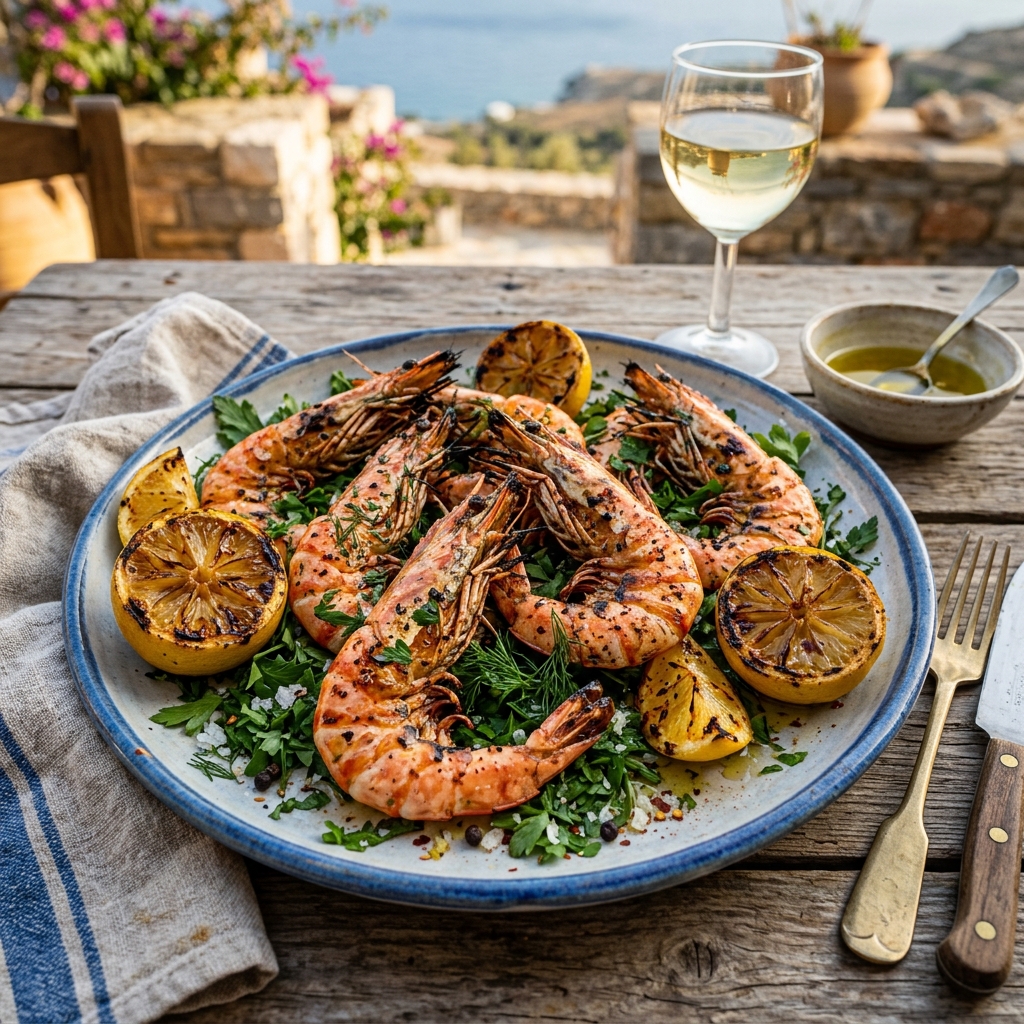
- Restaurant Tip: Stick to grilled, steamed, or boiled preparations; avoid "lightly seared" or raw options.
- Sourcing: Look for MSC or ASC certifications for verified purity.
In 2026, prawns are a clinical superstar of the prenatal diet. By following simple safety protocols - fully cooking, proper thawing, and sourcing from reputable suppliers - you can harness their immense nutritional benefits with total confidence. Your baby’s brain development and immune education depend on the nutrients you provide, and a beautiful plate of grilled prawns is a perfect way to deliver them safely. Trust the science, enjoy the flavor, and embrace the power of the sea.
Audit Your Seafood for Mercury and Antibiotics
The 2026 ocean is changing. To ensure your seafood choices are as clean as they are nutritious, use the PregnancyPlate App. Our AI scanner audits global sourcing data in real-time, helping you identify the lowest-mercury and antibiotic-free prawns available in your region. Stay safe, stay nourished.
Meet the Editorial Team
The researchers and experts behind PregnancyPlate.

Fiza Izra
Founder & Tech Researcher
A UK-based mother of 3 with a background in tech and data synthesis, Fiza brings real-world experience navigating hyperemesis gravidarum and postnatal depression. She engineers complex clinical guidelines (NHS, ACOG) into accessible tools, ensuring rigorous fact-checking with deep empathy.

Emma Davies
Senior Nutrition Editor
A mum and writer, Emma runs our food safety desk. She is the one who rings the restaurant to ask how long the lettuce sits out, checks every claim against CDC, FDA and NHS guidance, and rewrites the answer until it is usable at 9pm in a drive-thru queue.
Make sense of every plate.
Scan your plate for pregnancy food-safety guidance and a nutrition breakdown. Keep your meals and nutrient progress in one place.
Scan with your iPhoneto get the app