Benefiber During Pregnancy: Is It Safe for Constipation and Bloating?
Constipated and wondering if Benefiber is pregnancy-safe? We audit wheat dextrin, fibre targets, hydration, bloating, dosing, food-first constipation support and when to call your provider.
In this article

Editorial note: This article is researched from official public health and pregnancy food safety guidance, then edited by the PregnancyPlate team for clarity. It is not medical advice. If you are worried about symptoms or a specific exposure, contact your midwife, GP or healthcare provider.
The Fibre Supplement Audit: Constipation in pregnancy is common, uncomfortable and often made worse by iron tablets, nausea, low appetite and slower digestion. Benefiber may be suitable for some pregnant women, but it should be used as part of a wider plan: enough water, gradual fibre increases, food-first choices and medical advice if symptoms are severe or persistent.
Track Fibre and Hydration on PregnancyPlatePregnancy constipation is not a small inconvenience when you are the one dealing with it. It can make you feel heavy, bloated, crampy and anxious every time you go to the bathroom. It can also trigger haemorrhoids, worsen pelvic pressure and make eating feel like a calculation. So it makes sense that many pregnant women search for a gentle fibre supplement and land on Benefiber.
Benefiber is commonly known as a clear, mixable fibre powder. In many markets, the main active ingredient is wheat dextrin, a soluble fibre. It is designed to dissolve into drinks and soft foods without a strong taste or gritty texture. That makes it attractive during pregnancy, especially if vegetables are hard to tolerate, nausea is active, or your appetite is inconsistent.
But pregnancy changes the question. You are not only asking whether a fibre powder works. You are asking whether it is safe, whether it will worsen bloating, whether it interacts with prenatal vitamins or medicines, how much water you need, and when constipation needs medical advice instead of another scoop of fibre. This guide gives you the PregnancyPlate answer.
Quick Answer: Can You Take Benefiber While Pregnant?
Many pregnant women can use a fibre supplement such as Benefiber, but you should check with your healthcare provider first, especially if you have severe constipation, abdominal pain, bowel disease, gestational diabetes, medication timing issues, or a history of bowel obstruction. Fibre supplements are not prescription drugs, but they still affect digestion and can interfere with comfort if used incorrectly.
The safest approach is to start low, increase slowly and drink enough fluid. Taking a large amount of fibre powder without enough water can make bloating and constipation worse. If you are already backed up, throwing a full dose of fibre at the problem may not give instant relief. Fibre is better as a routine support than an emergency fix.
Also check the exact product in your country. Formulas, serving sizes and labels can vary. Do not rely only on the brand name. Read the active ingredient, serving size, allergen information and pregnancy warnings on the specific container you own.
Why Constipation Happens in Pregnancy
Pregnancy constipation has several causes, and they often stack together. Progesterone relaxes smooth muscle, which slows intestinal movement. Your growing uterus can create more pressure in the abdomen. Nausea can reduce food variety. Iron supplements can harden stools. Reduced activity, low fluid intake and not eating enough fibre can all add to the problem.
This is why constipation is rarely solved by one trick. A fibre supplement may help, but it works best alongside water, movement, regular meals and a diet with enough total fibre. If the main driver is iron, you may need to ask your provider about a different iron form, dose timing or stool-softening strategy. If the main driver is dehydration from vomiting, fibre alone can backfire.
Think of constipation as a traffic problem. Fibre adds bulk and helps move stool, but water is what keeps that bulk soft enough to travel. Movement encourages the gut to keep rhythm. Regular meals give the digestive system a predictable signal. PregnancyPlate tracks these pieces together because they work together.
What Is Benefiber?
Benefiber is a branded fibre supplement. In many versions, the active fibre is wheat dextrin, a soluble fibre made from wheat starch. It is often marketed as taste-free, clear-mixing and easy to add to drinks or soft foods. Unlike stimulant laxatives, it does not directly force the bowel to contract. It supports stool consistency by increasing fibre intake.
That difference matters. A soluble fibre supplement is usually a gentle, gradual tool. It may not produce a bowel movement the same day. Some people notice improvement over several days as their routine becomes more consistent. If you are in acute pain or have not had a bowel movement for many days, you need medical advice rather than waiting for fibre to slowly work.
Although wheat dextrin is derived from wheat, some products are labelled gluten-free according to local testing standards. Anyone with coeliac disease, wheat allergy or strong gluten sensitivity should check the label carefully and ask their clinician if unsure. Pregnancy is not the time to gamble with allergens.
Food-First Fibre Still Matters
Benefiber can help close a fibre gap, but it does not replace high-fibre foods. Whole foods provide fibre plus potassium, magnesium, folate, vitamin C, antioxidants, plant protein and fluids. They also give different types of fibre, which feed different gut bacteria and support a healthier microbiome.
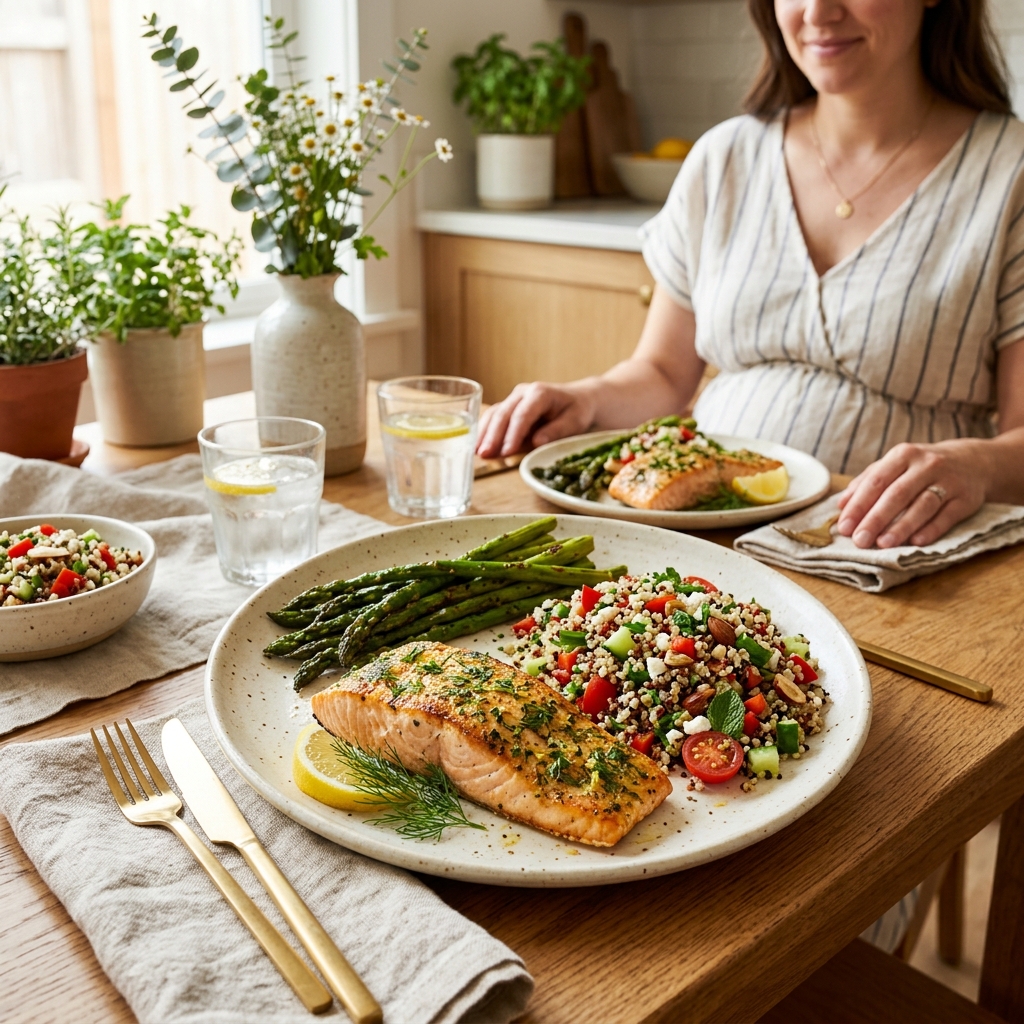
Useful pregnancy-friendly fibre foods include oats, berries, pears, apples with skin, lentils, beans, split peas, chickpeas, wholegrain bread, brown rice, wholegrain pasta, chia seeds, ground flaxseed, vegetables, prunes and nuts. The best choice depends on your symptoms. If nausea is active, oats, toast, banana and applesauce may be easier. If bloating is active, large servings of beans or cruciferous vegetables may need to increase slowly.
A supplement can be the bridge, not the whole building. For example, you might use a small serving of fibre powder in water while also adding oats at breakfast, raspberries as a snack and lentils at dinner. This is more balanced than relying on powder while eating very low-fibre meals.
How to Start Without Making Bloating Worse
The biggest mistake with fibre supplements is starting too aggressively. If your gut is used to a low-fibre diet, suddenly adding a full serving can cause gas, pressure and bloating. Pregnancy already slows digestion, so the gut may be more sensitive to abrupt changes.
Start with a smaller amount than the label serving, if your provider agrees, and build slowly over several days. Mix it thoroughly into water or a soft food you tolerate. Drink extra fluid across the day. If bloating becomes uncomfortable, reduce the amount and increase food fibre more gradually.
Pay attention to timing. Some women prefer fibre in the morning with breakfast because it is easier to drink enough water afterward. Others prefer it in the afternoon. Taking fibre right before bed may not suit everyone, especially if it causes gas or makes you wake for the bathroom.
Water Is Non-Negotiable
Fibre and fluid are a team. Adding fibre without fluid can leave stool bulky but dry. That can worsen straining, which is exactly what you are trying to avoid. Pregnancy also increases fluid needs, and vomiting, sweating, high temperatures or breastfeeding another child can increase needs further.
You do not need to force huge amounts of water in one sitting. Sip steadily. Pair fibre with a full glass of water, then keep drinking through the day. If plain water is hard during nausea, try water with ice, diluted juice, warm water, herbal tea approved by your provider, or hydrating foods like oranges, melon, soup and yogurt.
Watch urine colour, thirst and dizziness. Dark urine, dry mouth, headaches or lightheadedness can suggest you are behind on fluids. If dehydration is linked to vomiting or diarrhoea, contact your healthcare provider.
Medication and Prenatal Vitamin Timing
Fibre supplements can affect how some medicines or supplements are absorbed if taken at the same time. This does not mean Benefiber is unsafe, but timing matters. Ask your provider or pharmacist how far apart to separate fibre from your prenatal vitamin, iron, thyroid medication, diabetes medication or any prescription medicine.
Iron is especially relevant because it commonly causes constipation, and pregnant women may take it daily. Some women find it easier to take iron with vitamin C at one time of day and fibre at another. Do not change prescribed iron without advice, because iron deficiency can matter for both mother and baby.
If you have gestational diabetes, check whether the specific product has added sugars, flavourings or carbs that matter for your plan. Plain fibre products may have minimal impact, but labels vary and blood sugar responses are individual.
When Benefiber Is Not Enough
Fibre is not the right answer for every constipation situation. Call your healthcare provider if you have severe abdominal pain, vomiting, blood in stool, fever, sudden constipation with swelling, inability to pass gas, black stools, unexplained weight loss, or constipation lasting several days despite fluids and food changes. Also call if you have haemorrhoids causing significant bleeding or pain.
If stool is already very hard and stuck, a fibre supplement may be too slow. Your provider may recommend a pregnancy-safe stool softener, osmotic laxative or other treatment depending on your medical history. Do not combine multiple laxatives or supplements without guidance.
Constipation can feel embarrassing, but clinicians deal with it constantly in pregnancy. The earlier you ask, the easier it usually is to fix before haemorrhoids, fissures or severe straining develop.
The PregnancyPlate Constipation Routine
Daily Support Checklist
- Start with breakfast: Oats, berries, chia or wholegrain toast set up the day.
- Drink steadily: Fibre works better when fluid intake is consistent.
- Add movement: A short walk can help gut motility without turning it into a workout.
- Use fibre powder gradually: Increase slowly to avoid gas and bloating.
- Separate medicines: Ask your pharmacist about timing with iron, thyroid medication and prenatals.
- Do not ignore red flags: Severe pain, vomiting, bleeding or long-lasting constipation needs advice.
Best Foods to Pair With Benefiber
If you use Benefiber, pair it with a food routine that supports the same goal. Good breakfast options include oatmeal with raspberries, chia pudding, wholegrain toast with peanut butter, or yogurt with berries and ground flaxseed. For lunch, try lentil soup, bean salad, chickpea wraps or wholegrain pasta with vegetables. For dinner, include vegetables, pulses or a wholegrain carbohydrate rather than relying only on white rice or plain pasta.
Prunes deserve special mention because they contain fibre and naturally occurring sorbitol, which can help draw water into the bowel. Start with a small portion. Too many prunes at once can cause cramping or gas, especially if your gut is sensitive.
If nausea limits your options, do not force huge salads. Choose gentler fibre: oats, applesauce, pears, bananas that are not overly green, lentil soup blended smooth, or small amounts of chia mixed into yogurt. The best fibre plan is the one you can actually tolerate.
Common Mistakes
The first mistake is taking fibre powder but not drinking more. The second is expecting it to work instantly. The third is using it to compensate for a consistently low-fibre diet. The fourth is ignoring iron as the possible driver. The fifth is waiting too long to ask for help when constipation becomes painful.
Another mistake is changing too many things at once. If you add Benefiber, prunes, chia seeds, beans and a new prenatal on the same day, you will not know which change caused bloating or relief. Make one or two changes, track symptoms for a few days, then adjust.
Finally, do not assume natural means harmless. Fibre is food-like, but dose still matters. Your gut needs time to adapt.
The Final Verdict
Benefiber may be a useful pregnancy constipation tool for some women, especially when diet fibre is low or food variety is limited by nausea. It is not a cure-all, and it is not a replacement for fluids, movement, high-fibre foods or medical advice when symptoms are severe. Used gradually and with enough water, it can fit into a safe constipation routine.
The best plan is practical: audit your fibre, increase slowly, hydrate, separate it from key medicines if advised, and call your provider for red flags. Pregnancy constipation is common, but suffering through it without a plan is not necessary.