Can Pregnant Women Eat Philly Cheesesteak? Hot Sandwich Safety Guide
A Philly cheesesteak can be a good pregnancy sandwich when the beef is cooked hot, the cheese is pasteurized and the fillings are handled well. Becky Lingard walks through the safest order.
In this article
Editorial note: This article is researched from official public health and pregnancy food safety guidance, then edited by the PregnancyPlate team for clarity. It is not medical advice. If you are worried about symptoms or a specific exposure, contact your midwife, GP or healthcare provider.
The sensible answer: a Philly cheesesteak is usually pregnancy-safe when it is cooked fresh on a hot grill, served steaming, and made with pasteurized cheese. The risk rises when the beef is barely warmed, the sandwich sits around, or cold deli-style meat is used instead of freshly cooked steak.
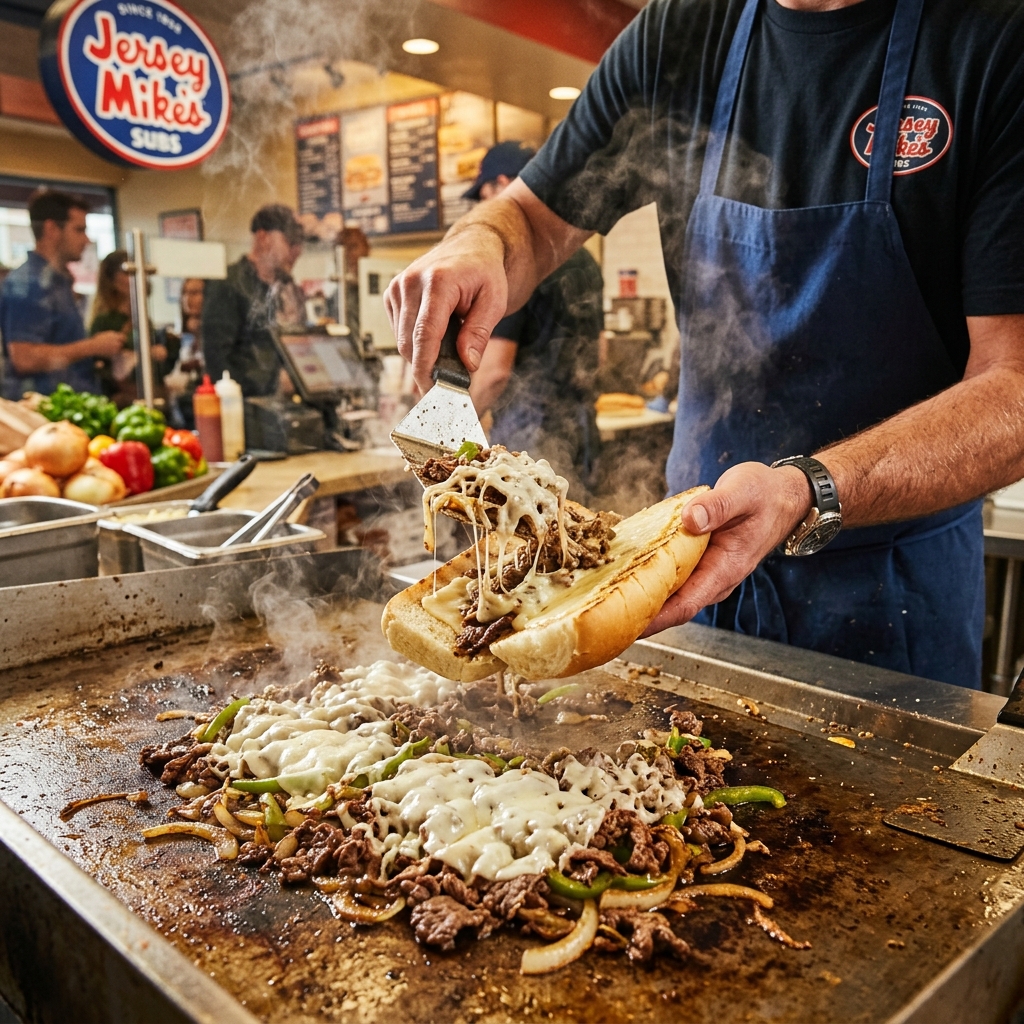
Check Restaurant Orders in the AppA Philly cheesesteak is one of the easier sandwich questions to answer, which is a relief because pregnancy makes hot salty food hit differently. Unlike a cold Italian sub, a proper cheesesteak is cooked on a grill right before serving. Thin beef, onions, peppers and cheese all go into the sandwich hot. That puts it in a safer category than cold deli meat, provided the cooking is real and the sandwich is served straight away.
The nuance is worth keeping. Not every "cheesesteak" is made the same way. Some places cook shaved steak fresh on a flat-top. Some use pre-cooked beef that is reheated. Some use processed steak strips. Some leave trays of cooked meat sitting warm for the lunch rush. The safest order is the one where you can see or trust the heat step.
We see this question in PregnancyPlate because users are not only asking "is beef safe?" They are asking whether a chain like Jersey Mike's, Subway, Charleys or a local takeaway has enough heat to make the sandwich pregnancy-safe. I would answer it like this: if the steak is cooked fresh until hot and the cheese is pasteurized, yes. If the sandwich is lukewarm, old, or built from cold deli beef, no.
Why Cheesesteak Is Usually Safer Than Cold Subs
The big pregnancy sandwich concern is Listeria. The CDC explains that deli meats and deli-prepared foods can be contaminated with Listeria, and that the bacteria can spread through deli equipment, hands, surfaces and food. Refrigeration does not kill Listeria.
A cheesesteak is different because the beef is normally cooked hot for the sandwich. Heat is the useful part. The CDC's prevention advice says people at higher risk, including pregnant women, should choose safer foods and that deli meats, cold cuts, hot dogs and fermented or dry sausages should be reheated to 165 F or until steaming hot. A proper cheesesteak gives you that hot-food advantage.
Still, "hot sandwich" is not a magic phrase. The steak needs to be hot in the middle of the pile, not just warm where it touched the grill. If you are handed a cheesesteak with melted cheese but barely warm beef, send it back.
Beef Temperature: Thin Steak vs Ground Meat
Philly cheesesteak is usually made with thin slices of beef rather than ground beef. FoodSafety.gov lists whole cuts of beef such as steaks and roasts at 145 F with a rest time, while ground meat and sausage require 160 F. Thin shaved steak cooks quickly because there is so much surface area.
In a restaurant, you are not going to check with a thermometer. Use texture and heat. The beef should be browned, not raw-looking, and the sandwich should be hot enough that steam escapes when opened. Any red or raw-looking patches are a reason to pause. Some beef can stay pink after cooking, but in a fast sandwich setting I would choose fully browned over rare.
If the sandwich uses chopped burger-style meat or sausage, follow the ground meat mindset. That needs full cooking, with no raw centre. This is why I am more relaxed about a fresh shaved-steak cheesesteak than a mystery chopped meat filling from a low-turnover counter.
Cheese: Provolone, American and Cheese Whiz
Most Philly cheesesteak cheeses are pasteurized. Provolone, American cheese and processed cheese sauces used by major chains are typically made from pasteurized dairy. The NHS pregnancy food guidance lists pasteurized soft cheeses and pasteurized dairy products as foods that can be eaten during pregnancy.
The cheese question gets trickier at independent restaurants using artisanal cheese, blue cheese sauces or soft cheeses added after cooking. Ask if the cheese is pasteurized. If they cannot confirm, choose standard provolone or American cheese, or skip the cheese.
Cheese sauce also needs to be hot and handled well. A fresh ladle of hot cheese sauce is different from a pump bottle that has been sitting warm and crusting at the nozzle. If it looks tired, choose sliced cheese melted on the hot steak instead.
Onions, Peppers and Mushrooms
Cooked onions, peppers and mushrooms are generally fine in pregnancy when cooked and served hot. They can actually make the sandwich more balanced by adding flavour and some fibre. The issue is cross-contamination, not the vegetables themselves.
If vegetables are cooked on the same grill as the steak, that is usually fine because they are heated. If raw salad is added after the grill, use the same caution you would with any sandwich counter. Lettuce and tomato can be safe, but they depend on washing and handling. For a classic cheesesteak, I would stick with cooked onions and peppers.
Mushrooms should be cooked thoroughly. The NHS specifically warns that some foods can carry Listeria and that thorough cooking reduces risk. For mushrooms, hot and cooked is the goal, not lightly warmed.
Chain Orders: Jersey Mike's, Subway and Takeaway Counters
At Jersey Mike's, the advantage is the grill. A Philly cheesesteak is cooked hot on the flat-top, which is why it is usually one of the better pregnancy options there. Ask for it fresh and hot, and eat it straight away. If you want more detail on cold sub decisions, our Jersey Mike's and Jimmy John's pregnancy guide covers the deli meat side.
At Subway, steak-style fillings vary by market and preparation. If the steak is pre-cooked and then heated, ask for it toasted until steaming hot. A toasted roll alone does not prove the beef reached a safe temperature. This is similar to the logic in our Subway toasted sub safety guide.
At local takeaways, look for turnover. A busy grill with steak cooked to order is better than a tray of cooked beef sitting under weak heat. If the worker scoops beef from a warm pan and barely warms it, ask for it to be heated longer. If that feels awkward, choose a different hot item.
The "Steaming Hot" Rule Without Being Weird About It
You do not need to perform a science experiment at the counter. You need a normal sentence that gets the result. Try: "Could you make the steak really hot please? I am pregnant, so I need it steaming." That is clear, polite and hard to misunderstand.
When the sandwich arrives, open it before you leave. Steam should come from the beef. The cheese should be fully melted. The roll should feel hot near the filling, not just toasted at the outside. If it is lukewarm, ask for a reheat.
This is not being difficult. It is the same food safety principle used for deli meat and leftovers. Heat reduces risk only when it reaches the food properly.
Leftover Philly Cheesesteak
A fresh cheesesteak is one thing. A leftover cheesesteak is another. Bread goes soggy, cheese sets, and beef can cool unevenly. If you are saving leftovers, refrigerate them within 2 hours. If the sandwich sat in a car, pram basket or handbag for half the afternoon, do not keep it.
Reheat leftovers until the beef is steaming hot throughout. FoodSafety.gov lists leftovers at 165 F, and the USDA's leftover safety guidance says perishable food should not be left at room temperature for more than 2 hours. The easiest method is usually to remove the filling, heat it in a pan or microwave until steaming, then put it back into the bread or toast the bread separately. Heating the whole sandwich in one go can leave the middle cooler than you think.
During pregnancy, I would eat leftover cheesesteak within 24 hours if possible. General leftover windows can be longer, but this is a meat and cheese sandwich with multiple handling steps. Shorter is calmer.
Sodium, Heartburn and Portion Size
Even when safe, cheesesteaks can be salty and heavy. Cheese, seasoned beef, bread and sauces can add up. If you are dealing with swelling, high blood pressure monitoring or reflux, portion size matters.
A smaller sandwich eaten hot and fresh is often better than forcing a large one and feeling awful later. Add water. Skip extra salty sauces if you are already puffy. If heartburn is active, avoid eating it late at night or lying down straight after.
For gestational diabetes, the bread is likely the main issue, not the steak. Follow your care plan, consider half a roll or open-faced style, and pair with vegetables if that works for your readings.
Safest Cheesesteak Order
My safest order would be: freshly grilled steak, cooked onions or peppers, pasteurized provolone or American cheese, no cold salad, no room-temperature sauce, served hot and eaten immediately. Simple, not sad.
If you want mushrooms, have them cooked on the grill until hot. If you want extra cheese, choose sliced pasteurized cheese melted into the steak. If you want sauce, pick something from a clean, refrigerated or hot-held source rather than an open bottle that has been sitting out.
If the restaurant is busy and the grill is moving, that can be a good sign. If the shop is quiet and the meat looks like it has been waiting for customers longer than the customers have been waiting for food, I would order something else.
Quick Checklist
- Best version: Steak cooked fresh on a hot grill.
- Heat check: Beef should be steaming, not lukewarm.
- Cheese: Choose pasteurized provolone, American cheese or standard melted cheese.
- Vegetables: Cooked onions, peppers and mushrooms are better than raw salad toppings.
- Leftovers: Refrigerate within 2 hours and reheat to 165 F.
- Avoid: Old warm-tray beef, rare-looking meat, unclear cheese or cold deli beef.
- Ask clearly: "I am pregnant, could you make the steak steaming hot?"
Final Verdict
Pregnant women can eat Philly cheesesteak when it is freshly cooked, properly hot and made with pasteurized cheese. In the sandwich world, it is often a safer choice than cold deli meat because the grill gives you a real safety step.
The version I would avoid is the lukewarm one. Heat is the reason this sandwich works during pregnancy, so do not accept it half-hearted. Ask for it hot, eat it fresh, and treat leftovers carefully. That gives you the comfort food without the unnecessary worry.