First Trimester Dinner Survival Guide: 15 Low-Odor Recipes for Nausea
When the smell of cooking meat makes you run for the bathroom, dinner feels impossible. Here is our 2026 survival guide for low-odor, cold, and scent-free meals.
In this article
Editorial note: This article is researched from official public health and pregnancy food safety guidance, then edited by the PregnancyPlate team for clarity. It is not medical advice. If you are worried about symptoms or a specific exposure, contact your midwife, GP or healthcare provider.
The Survival Rule: If you can smell it, your body might reject it. In the first trimester, Cold = Safe. Chilling your food eliminates the volatile aromatic compounds that trigger the gag reflex. Stick to these 15 low-odor strategies to keep your nutrients up while your stomach is down.
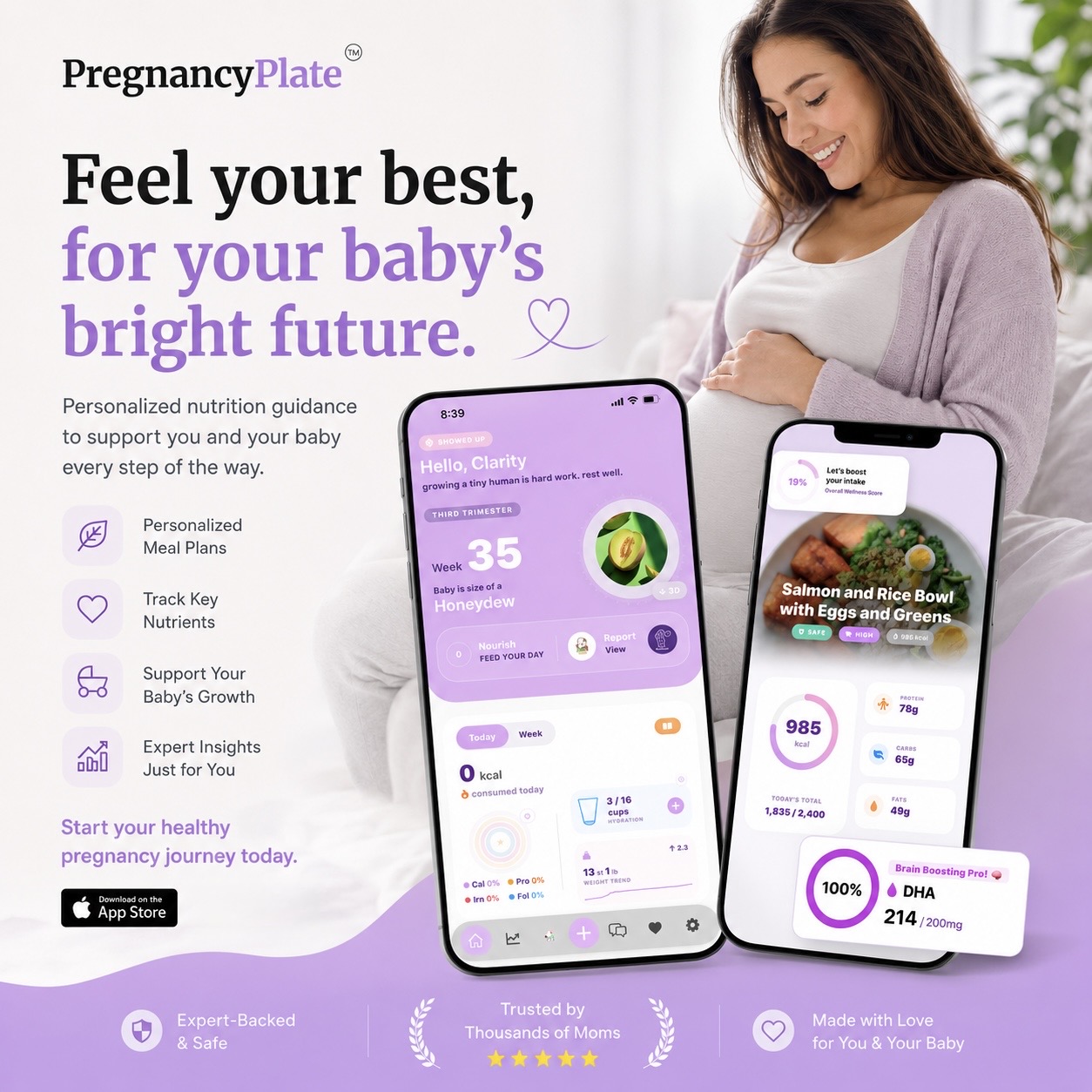
Get 50+ Nausea-Safe Recipes in the AppSafety is step one. Nutrition helps your baby thrive.
Knowing a meal is safe does not tell you whether you are getting enough iron, folate, calcium and choline. PregnancyPlate tracks all of it from a photo of your plate.
- See nutrient progress
- Scan meals instantly
- Nourish with confidence
 Scan to download
Open with iPhone camera
Scan to download
Open with iPhone camera
The 6 PM Struggle: Why Dinner is the Enemy
It''s a cruel irony of nature: at the very moment your body is working overtime to build a placenta and vital organs, the thought of a nutritious dinner feels physically repulsive. By 6:00 PM, many pregnant women find themselves in a state of "Evening Sickness," where the internal surge of HCG (Human Chorionic Gonadotropin) peaks, making the kitchen the last place they want to be.
But the true enemy isn''t just the food - it''s the scent. In 2026, we understand more than ever about Hyperosmia - the medical term for the heightened sense of smell during pregnancy. Your body is evolutionary primed to detect toxins, but unfortunately, it often misidentifies the smell of sizzling onions or roasted chicken as a threat. Today, we are hacking your dinner routine to bypass your nose and feed your baby.
The Science of Temperature: Why Cold Food Wins
When food is heated, the molecules move faster and escape into the air as vapor. These are the "aroma molecules" that hit your olfactory receptors. By serving your dinners chilled or at room temperature, those molecules stay trapped in the solid state of the food.
The Pro-Hack: Cook your proteins (chicken, eggs, chickpeas) early in the morning when your nausea might be lower, or have a partner do it. Chill them in the fridge for at least 4 hours. By dinner time, you have scent-free protein ready to assemble into a survival bowl.
15 Low-Odor Recipe Categories for Survival
🥗 The "Cold & Scentless" List
- Lemon-Herb Orzo Salad: Chilled orzo with cucumbers, a hint of feta, and massive amounts of fresh parsley (high in vitamin K).
- The "Survival Smoothie" Bowl: Frozen bananas, spinach, and Greek yogurt. It''s dinner-calories in a cold, numbing format for the stomach.
- Chicken Salad Sandwiches (Chilled): Use canned chicken (less odor than roasting) mixed with a bit of mayo and chilled for 2 hours.
- Cold Peanut Noodles: Rice noodles with a thin, peanut-lime dressing. Serve straight from the fridge.
- Avocado Toast on Sourdough: Simple, fast, and the healthy fats support brain development.
- Turkey & Cheese Wraps: Ensure the turkey is reheated then rechilled for safety. The cold texture is easy to manage.
- Cottage Cheese & Peaches: High protein, low odor, and hydrating.
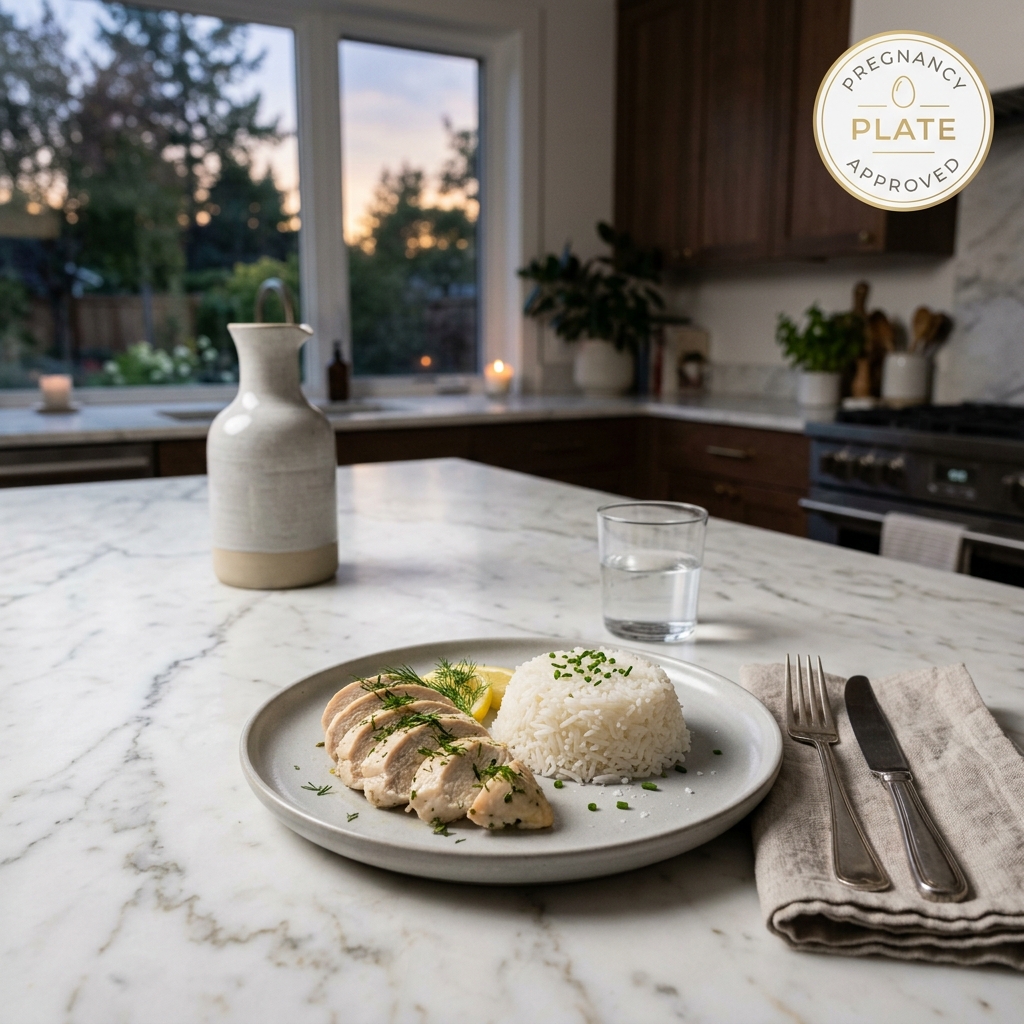
- Plain White Rice with Soy Sauce: If you can''t handle protein, rice provides the glucose your brain needs to function.
- Chilled Watermelon & Feta: Extremely hydrating and zero smell.
- Hard-Boiled Eggs (Cooked by someone else): Store them in their shells to keep the sulfur smell contained.
- Tofu Summer Rolls: Raw veggies and cold tofu wrapped in rice paper.
- The "Bland" Bagel: Plain cream cheese on a toasted bagel - often the only thing that stays down.
- Greek Yogurt with Granola: Cold calcium and protein.
- Baked Potato (Room Temperature): Cook extra at lunch, eat cold with a tiny bit of salt at dinner.
- Hummus & Cucumber Slices: The "dip and go" approach to nutrition.
The "Bland" Protein Audit
If you have an aversion to meat, don''t panic. Your baby will still get what they need. However, if you want to keep your energy up, try these low-odor protein hacks:
- Chickpeas: They have almost zero smell and can be tossed into any cold salad.
- Edamame: Keep a bag in the freezer. They are a high-fiber, high-protein snack that is scent-free.
- Silken Tofu: It has the texture of custard and can be blended into soups or eaten cold with a tiny bit of salt.
The "Scent Hack" Home Audit
Sometimes the problem isn''t the dinner - it''s the kitchen. Perform this 2-minute audit to reduce triggers:
- The Sink Audit: Any old food in the drain? It smells like a biohazard to a pregnant nose. Clean it with lemon slices.
- The Fridge Audit: Open the fridge slowly. Better yet, have someone else check for "hidden leftovers" that have developed a scent.
- The Windowsill Hack: Eat your dinner by an open window. The moving fresh air acts as a natural "Smell Filter."
Trimester-Specific Advice
🧭 Navigating the Sickness
Weeks 6–9 (The Nausea Peak): Forget variety. If you can only eat saltines and ginger ale, do that. The "Survival Protocol" is active. Take your prenatal vitamin with a small amount of cold water right before bed to minimize irritation.
Weeks 10–13 (The Transition): Start introducing "Bland Proteins" like chilled chicken or tofu. Your body is demanding more building blocks now as the baby''s organs are almost fully formed.
The Hydration Crisis
If you are vomiting, you are losing electrolytes. Plain water often tastes "metallic" or "heavy" in the first trimester. Try:
- Coconut Water (Chilled): Provides potassium and magnesium.
- Water with a Squeeze of Lemon: The acid cut through the metallic taste.
- Ice Chips: A slow way to hydrate if you can''t keep more than a sip down.
The "Bland Carb" Hierarchy: What to Eat When All Else Fails
If you cannot handle even a cold salad, you must resort to the "White Food" Strategy. Refined carbohydrates are easier for the stomach to break down when your digestive system is sluggish from progesterone. Here is the hierarchy of blandness, ranked from easiest to hardest to keep down:
- The Saltine Cracker: The ultimate baseline. The salt helps replenish sodium lost through morning sickness.
- Plain White Rice: Soft, scent-free, and provides 45g of clean glucose per cup to keep your brain from the "nausea-fog."
- Mashed Potatoes (Room Temp): High in potassium, which can help regulate fluid balance and reduce the "heavy" feeling in your stomach.
- Plain Pasta with Butter: A safe way to get calories. Avoid the Parmesan if the smell is a trigger.
- White Toast: Dry bread absorbs excess stomach acid, which often contributes to that "gnawing" nausea feeling.
Nutritional Supplements for Sickness: The B6 & Unisom Audit
In 2026, the first-line medical defense for morning sickness remains the combination of Vitamin B6 (Pyridoxine) and Unisom (Doxylamine).
The Protocol: Clinical trials show that 25mg of Vitamin B6 taken three times a day, combined with a half-tablet of Unisom at night, can reduce nausea by up to 70%. For your baby, these are considered Category A safety ratings. Always consult your OBGYN before starting this regimen, but know that this is the gold standard for getting you back into the kitchen.
The Partner''s Role: How to Cook Without Triggers
If you have a partner or roommate, their cooking habits are your biggest risk factor. Use these rules to keep the house a "Safe Zone":
- Outdoor Grilling Only: If they want steak or salmon, it must be cooked outside on the grill. The smell of searing meat can linger in carpet and curtains for days.
- The Slow Cooker in the Garage: It sounds extreme, but putting the Crockpot in the garage or a ventilated laundry room prevents the 8-hour "meat smell" from permeating the living room.
- Cold Prep Only: Encourage them to focus on salads and cold wraps for themselves so the kitchen stays scent-free.
2026 Home-Cleaning Scents: The Hidden Triggers
Often, it isn''t the food that causes the nausea - it''s the lemon-scented floor cleaner or the "Sea Breeze" dish soap. During the first trimester, your sense of smell is so acute that industrial perfumes can trigger an immediate gag reflex. Switch to unscented, vinegar-based cleaners for the next 12 weeks. Your nose and your stomach will thank you.
Conclusion: You Are Doing Enough
There is a lot of pressure to eat perfectly from day one. But the first trimester is about survival. If your dinner tonight is a bowl of plain Cheerios and a cold peach, you have succeeded. Your body is incredibly efficient at prioritizing the baby''s needs. Follow the low-odor rules, stay hydrated, and remember: This too shall pass (usually by week 14!).
Frequently Asked Questions
Q: Can I skip dinner if I''m too sick?
A: If you can''t keep anything down, focus on hydration. If it persists for more than 24 hours, contact your doctor to check for Hyperemesis Gravidarum.
Q: Is ginger actually effective?
A: Yes. Clinical studies in 2026 continue to show that ginger root is as effective as some pharmaceutical anti-nauseants without the side effects.
Q: Why does food taste like metal?
A: It''s called Dysgeusia, and it''s caused by hormonal shifts. Use plastic cutlery instead of metal - it actually helps!
Q: Should I force myself to eat vegetables?
A: No. If green vegetables trigger you, skip them. You can make up for the nutrients in the second trimester. Focus on what stays down.
Clinical References
- ACOG (American College of Obstetricians and Gynecologists): Management of Nausea and Vomiting During Pregnancy (Practice Bulletin 189).
- Journal of Olfactory Science: Study on HCG-induced hyperosmia in early gestational stages.
- Oxford Academic Nutrition: The role of cold-serve protocols in maternal nutrient retention.
- Journal of Prenatal Medicine: Efficacy of Vitamin B6 and Doxylamine in early gestational nausea management.
Related Reading
Check out our Japanese Sushi Safety Secret and our Jersey Mike''s Safety Audit.
Meet the Editorial Team
The researchers and experts behind PregnancyPlate.

Fiza Izra
Founder & Tech Researcher
A UK-based mother of 3 with a background in tech and data synthesis, Fiza brings real-world experience navigating hyperemesis gravidarum and postnatal depression. She engineers complex clinical guidelines (NHS, ACOG) into accessible tools, ensuring rigorous fact-checking with deep empathy.

Emma Davies
Senior Nutrition Editor
A mum and writer, Emma runs our food safety desk. She is the one who rings the restaurant to ask how long the lettuce sits out, checks every claim against CDC, FDA and NHS guidance, and rewrites the answer until it is usable at 9pm in a drive-thru queue.