Nausea-Safe Dinners: 5 Easy First Trimester Meal Ideas (That Actually Stay Down)
Weeks 6-12 are survival mode. Driven by doubling hCG and slow digestion, dinner becomes the hardest meal of the day. We share five evidence-based, low-odor meals designed to bypass nausea while supporting fetal development.
In this article
Editorial note: This article is researched from official public health and pregnancy food safety guidance, then edited by the PregnancyPlate team for clarity. It is not medical advice. If you are worried about symptoms or a specific exposure, contact your midwife, GP or healthcare provider.
By PregnancyPlate Editorial Team
By week 8, the refrigerator often smells off, and the bathroom floor becomes a familiar place. If this scenario sounds familiar, it is important to recognize that these changes are driven by biology, not by any personal shortcoming.
Pregnancy books often gloss over the first trimester, saying things like `some women experience mild nausea." In reality, your body is going through one of its most intense changes. Between weeks 6 and 12, hCG doubles every 48 hours, and progesterone slows your digestion. Your blood volume is also increasing quickly. This means your stomach never feels empty, your sense of smell is extremely sharp, and you feel so tired that cooking a healthy meal can seem impossible.
Dinner is typically when these symptoms peak. Many women can manage mornings with dry crackers or toast, but by evening, when nausea often is at its worst, preparing or eating a full meal can feel a bit overwhelming. Based on current evidence, I spent time pulling together the foods that are generally better tolerated during this time. Here are five dinners that are intentionally bland, nutritionally balanced, and made with your body's biology in mind. I spent time cross-referencing ACOG guidance and first-trimester tolerance studies for this piece. These details matter when designing real-life meals for the first trimester.
Why is dinner specifically the hardest meal of the day
Before I get into the specific meals, it is useful to understand the three main biological mechanisms that make dinner especially challenging during the first trimester.
Delayed gastric emptying
Progesterone relaxes smooth muscle throughout the body, which is necessary to prevent early uterine contractions. The same hormone also slows digestion, so food remains in the stomach longer than usual. By dinnertime, you may already feel partially full, and seeing a large meal can trigger an immediate sense of aversion.
The toxin defence hypothesis
A leading evolutionary theory suggests that first-trimester nausea functions as a protective adaptation. Between weeks 6 and 12, fetal organ systems are rapidly developing. In ancestral habitats, foods with higher pathogen risk, such as meat, eggs and strong-tasting vegetables like broccoli and garlic, posed real threats. This is one reason food aversions are often strongest towards foods that historically carried the highest risk of contamination.
Olfactory hypersensitivity
Estrogen increases olfactory sensitivity during pregnancy, often to a significant extent. Aromatic compounds released during sautéing onions, cooking meat, or brewing coffee are perceived much more intensely. This heightened sense of smell is the main reason cold food is usually better tolerated than hot food in the first trimester. Cold food releases fewer aromatic compounds, reducing the likelihood of nausea.
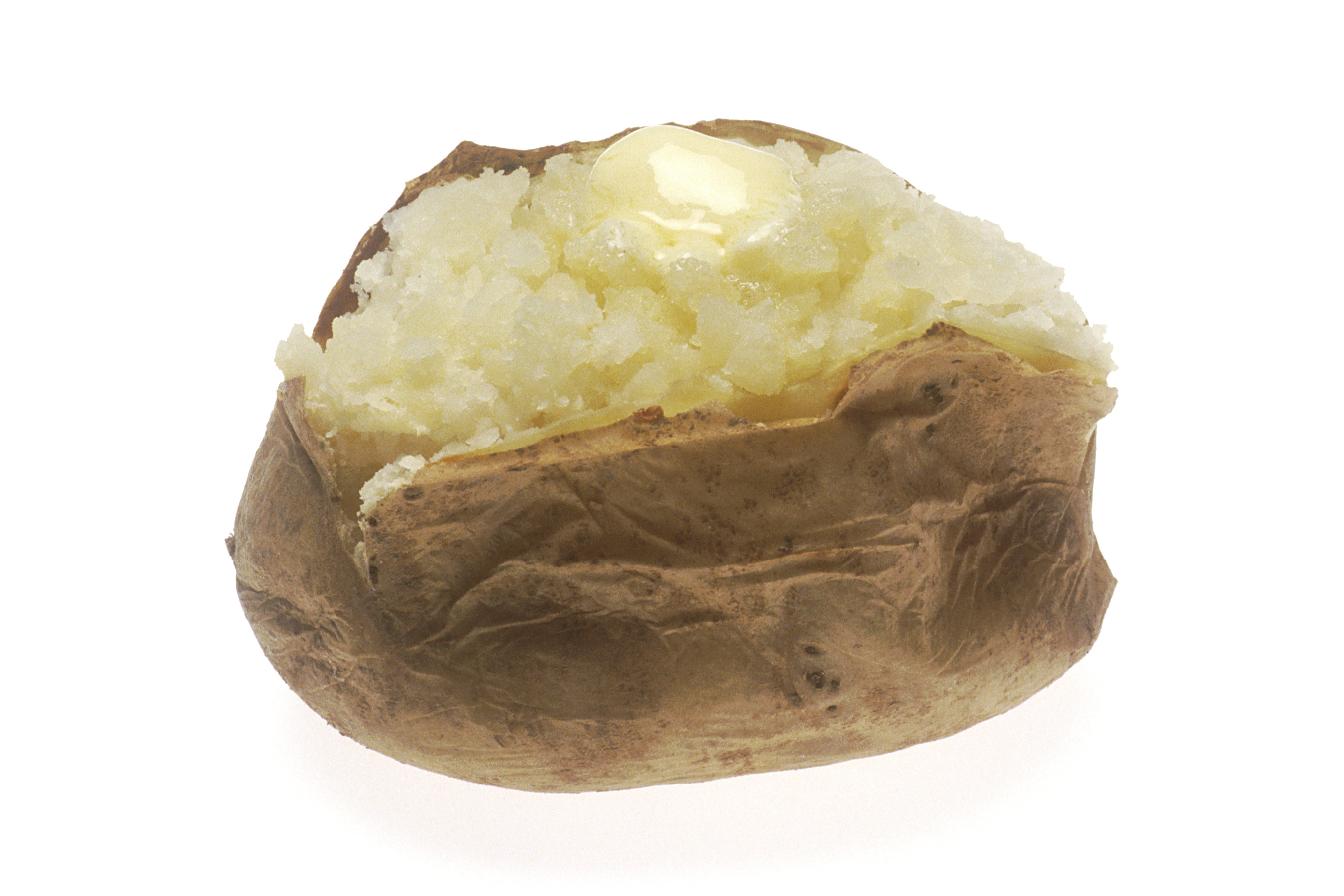
If I had to recommend a single food for the first trimester, it would be the potato. Starchy, nearly odourless, and simple to prepare, it checks every box for tolerability. More importantly, it delivers a meaningful dose of Vitamin B6. ACOG notes that vitamin B6 may be tried first for nausea and vomiting of pregnancy, and doxylamine can be added if B6 alone does not help. A medium baked russet potato provides approximately 0.7 mg of B6, which is a useful food-based contribution alongside your prenatal routine. You can read ACOG's current patient guidance on morning sickness and nausea in pregnancy.
The most effective approach is to bake one large russet or sweet potato until the skin is crisp and the interior is fully cooked. Top it with a generous spoonful of cold full-fat sour cream or plain Greek yogurt. The temperature contrast improves palatability. If tolerated, a small amount of chopped chives adds a mild, fresh flavor without the strong aroma of cooked onions or garlic. For extra protein, blend in half a cup of mild cottage cheese, which adds about 14 grams without significantly altering the texture.
Ginger-soy tofu over rice: the case for giving up on chicken
Chicken is the most commonly reported food aversion in first-trimester studies, likely due to both its cooked protein smell and its association with the risk of raw meat contamination, as described by the toxin defence hypothesis. Tofu is the most effective substitute. It is a complete protein with all nine essential amino acids and, when unflavored, has almost no scent or taste that would trigger nausea.
Ginger is the active ingredient here, not just an add-on. The gingerols and shogaols in fresh ginger have been studied for nausea, including nausea and vomiting associated with pregnancy. The NIH National Center for Complementary and Integrative Health says ginger may be helpful for pregnancy-related nausea, while also advising pregnant women to speak with their health care provider before using ginger supplements. Combining a small amount of fresh ginger with white rice, which is one of the easiest foods for the body to digest due to its low fiber and fat content, gives you a full meal with minimal risk of rejection.
To prepare: cube firm tofu and bake at 400°F (205°C) for 20 minutes, or pan-sear briefly in a small amount of neutral oil. Do not deep-fry, as heavy oil may cause nausea through its aroma and by slowing gastric emptying. Glaze the tofu with a mixture of low-sodium soy sauce, a teaspoon of honey and freshly grated ginger. Avoid pre-made sauces, which often contain garlic powder. Serve over jasmine or basmati rice, cooked slightly softer than usual.
Cold creamy pasta: working with the biology, not against it
The preference for cold food in the first trimester is rooted in biology, not psychology. Cold food releases fewer volatile aromatic compounds than hot food, which is why many women tolerate dishes served directly from the refrigerator when the same meal reheated is not tolerated. A cold pasta salad addresses this need directly.
Using a protein-enriched pasta such as chickpea pasta or Barilla Protein+ helps meet protein needs without adding meat. A dressing made from plain Greek yogurt and lemon juice provides both fat and a bright, clean flavor that is generally well tolerated. Cucumber is an ideal addition due to its high water content, which supports hydration, and its mild taste. Keep mix-ins simple and avoid ingredients that ferment or cause gas, such as bell peppers and raw onions, since these can lead to discomfort during pregnancy.
Preparation: Cook rotini or bowtie pasta al dente, drain thoroughly, and refrigerate for at least two hours before serving. The pasta should be fully cold, not just at room temperature.
Breakfast for dinner: why it works
There is a real psychological dimension to first-trimester food management. Many women report feeling somewhat better in the morning than in the evening. Eating breakfast foods, such as eggs and toast, can reduce the anticipatory aversion that often accompanies dinner. This approach uses conditioned food associations to make meals more tolerable.
The richest dietary sources of choline, a nutrient that is absolutely essential for fetal brain and spinal cord development, are foods that the majority of pregnant women do not consume enough. The adequate intake for choline during pregnancy is 450 mg per day, according to the National Academy of Medicine. Two large eggs provide approximately 300 mg. Pair them with sourdough bread, which is naturally fermented, making it easier on the digestive tract than standard yeasted bread, and a few slices of cold avocado for healthy fats and folate.
One practical note: all eggs should be fully cooked during pregnancy. Soft or runny yolks carry a Salmonella risk. Scramble them gently over low heat with a small amount of butter until just set.
The smoothie bowl: liquid nutrition on the worst days
On some days, chewing and swallowing solid food may not be possible. On those days, it is appropriate to rely on liquid nutrition. Cold liquids leave the stomach more quickly than solids, which is helpful when gastric emptying is already delayed. Blending food also reduces the digestive workload and can lower the risk of post-meal nausea.
A thick, smoothie bowl built on whole milk or unsweetened soy milk (roughly 8 grams of protein per cup), frozen banana, and frozen mango covers carbohydrates, provides some protein, and delivers a meaningful dose of Vitamin C without introducing any strong or polarising flavours. Frozen banana and mango are among the most palatable fruits for first-trimester nausea, specifically because they are sweet and mild rather than acidic. Adding one tablespoon of chia seeds provides approximately 5 grams of fibre. This helps address the constipation that affects a significant proportion of pregnant women due to the same progesterone-driven slowing of the digestive tract.
If berries cause heartburn, which they frequently do due to their acidity, leave them out entirely. Stick to the banana and mango base.
When food is secondary: electrolytes and hydration
If you have spent the day vomiting, replacing calories is not the immediate priority. Dehydration worsens nausea by concentrating stomach acid and reducing blood volume, which amplifies symptoms. If eating is not possible, focus on replacing electrolytes. Options include coconut water, which provides potassium and magnesium; bone broth, served cold or lukewarm; or a homemade electrolyte drink made with water, lemon juice, a pinch of sea salt, and a teaspoon of honey.
When this stops being morning sickness: hyperemesis gravidarum
There is a meaningful clinical difference between first-trimester nausea and hyperemesis gravidarum (HG). HG is a medical condition, not a more intense version of morning sickness, and bland meals will not resolve it. Call your OB-GYN immediately if any of the following apply:
- You cannot keep any liquids down for more than 12 hours.
- You have lost more than 5% of your pre-pregnancy body weight.
- Your urine is dark yellow, or you are urinating less than usual.
- You feel lightheaded or faint when standing.
HG requires IV hydration and pharmaceutical anti-nausea intervention. Attempting to manage it with dietary changes is not appropriate and can delay care.
Scenario check
🧠 Scenario Check
It's week 8. You ate three slices of plain toast for dinner and nothing else. Should you be worried about nutrients?
No. During the first trimester, your baby draws on your existing nutrient stores, and your prenatal vitamin helps fill key micronutrient gaps. The research is consistent on this: short periods of caloric restriction during the first trimester do not meaningfully affect fetal outcomes in women who entered pregnancy with adequate nutritional status. Eat what stays down. The wider dietary variety of the second trimester will be there when the nausea clears.
The first trimester is genuinely hard, and the "just eat crackers" advice understates that. These five meals are built around the specific biology of what is happening in your body right now: slow gastric emptying, olfactory hypersensitivity, and a digestive system that has its own agenda. If you get through the evening with any of them, that is a real win. This phase ends. For further information on morning sickness, see the NHS morning sickness page.
Related Reading
See also: The Best Foods for Morning Sickness, A Realistic First Trimester Meal Plan, and Caffeine Limits and Nausea.
Download PregnancyPlate to use our "Nausea Log.` Track your triggers and get meal suggestions based on what you can actually stomach today.
Meet the Editorial Team
The researchers and experts behind PregnancyPlate.

Fiza Izra
Founder & Tech Researcher
A UK-based mother of 3 with a background in tech and data synthesis, Fiza brings real-world experience navigating hyperemesis gravidarum and postnatal depression. She engineers complex clinical guidelines (NHS, ACOG) into accessible tools, ensuring rigorous fact-checking with deep empathy.

Emma Davies
Senior Nutrition Editor
A mum and writer, Emma runs our food safety desk. She is the one who rings the restaurant to ask how long the lettuce sits out, checks every claim against CDC, FDA and NHS guidance, and rewrites the answer until it is usable at 9pm in a drive-thru queue.