The Ultimate Pregnancy Halloumi & Feta Guide: Pasteurized, Grilled, and Safe




Editorial note: This article is researched from official public health and pregnancy food safety guidance, then edited by the PregnancyPlate team for clarity. It is not medical advice. If you are worried about symptoms or a specific exposure, contact your midwife, GP or healthcare provider.
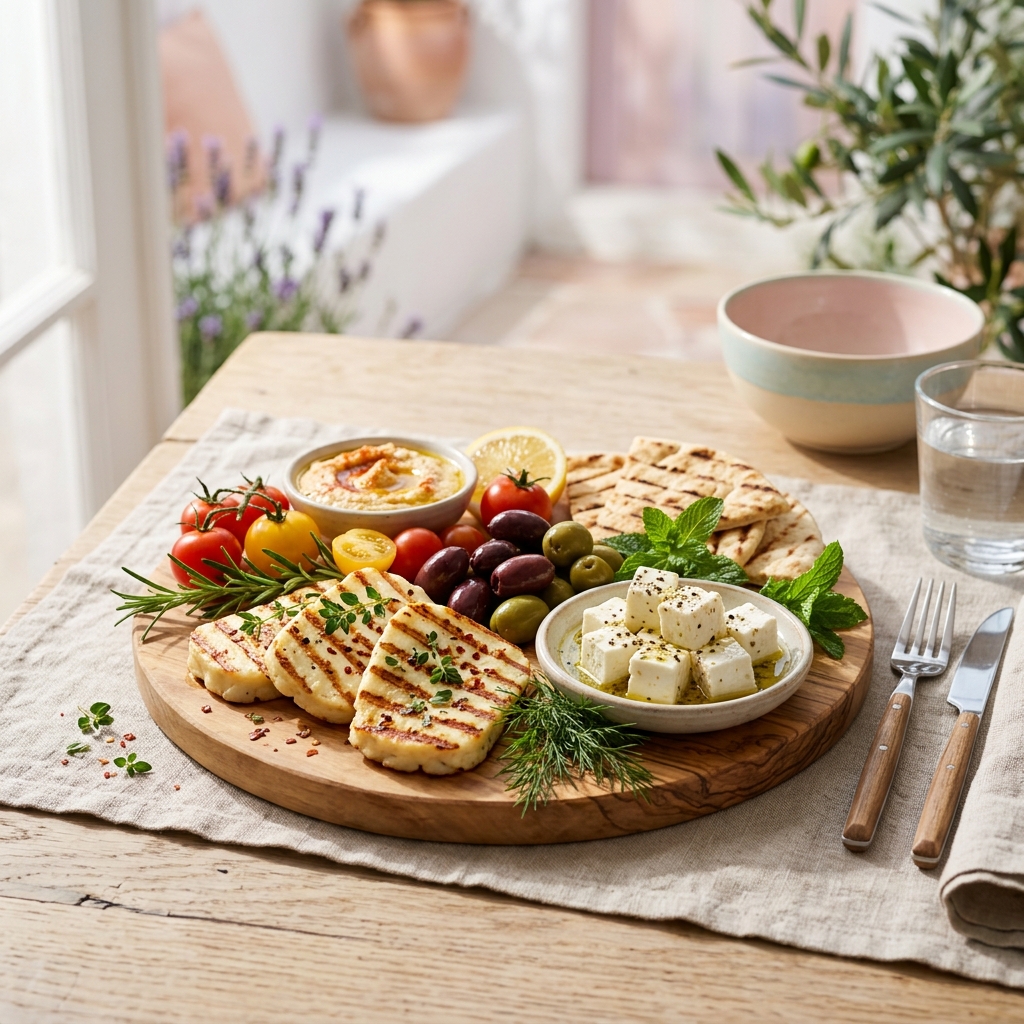
The Fast Verdict: Yes, both Halloumi and Feta are generally safe for pregnancy in 2026, provided they are made from pasteurized milk. Halloumi is exceptionally safe when grilled (reaching 165°F), and Feta's high salt content and acidic brine act as natural barriers to bacteria. Always check the label for the word "Pasteurized."
Check Your Cheese Safety in the AppThe Mediterranean Craving: Why We Love Halloumi and Feta
Mediterranean flavors are often a savior during pregnancy. When the thought of heavy meats or greasy fast food makes your stomach turn, the salty, tangy profile of Feta or the satisfying "squeak" of grilled Halloumi can be the only things that sound appealing. But in the world of prenatal nutrition, "soft cheese" is a phrase that often triggers immediate anxiety. During the first trimester, many women find that their palate shifts away from sweet and towards savory, high-sodium foods. This is your body's way of managing the massive blood volume expansion that occurs in the early weeks. Feta and Halloumi fit this physiological need perfectly, providing both the sodium required for hydration and the calcium required for fetal bone development.
However, the fear of Listeria monocytogenes often keeps these delicious cheeses off the plate. Is it unpasteurized? Is there a Listeria risk? Can I eat it cold? In 2026, we are performing a deep-dive safety audit into these Mediterranean staples to give you the confidence to enjoy your Greek salads and grilled halloumi wraps. We will explore the microbial barriers of brine, the heat-kill temperatures for grilling, and the specific labeling laws that protect you in the supermarket.
The Pasteurization Audit: The Non-Negotiable Step
In the early 2000s, there was a blanket recommendation to avoid "soft cheeses" like Feta. However, modern food science and industrial regulations in 2026 have changed the landscape significantly. The primary concern is not the texture of the cheese, but the raw material used in its creation. Pasteurization is the process of heating milk to a specific temperature (usually 161°F for 15 seconds) to kill pathogens like Listeria, Salmonella, and E. coli.
The Golden Rule: The risk isn't the type of cheese; it's the milk used to make it. If a cheese is made from pasteurized milk, the risk of initial contamination is virtually zero. In the UK, USA, and EU, the vast majority of Feta and Halloumi sold in supermarkets is commercially pasteurized. However, if you are shopping at a local farmer's market or a specialty deli that imports traditional varieties, you must exercise extreme caution. Traditional Greek Feta can sometimes be made with raw sheep's milk in small-scale mountain dairies. If you don't see the word "Pasteurized" on the label, do not consume it.
Why Feta is Safer Than Brie or Camembert: The Brine Barrier
Many pregnant women group all soft cheeses together, but from a microbial perspective, Feta is very different from "bloomy rind" cheeses like Brie or Camembert. Brie relies on a mold-ripened surface that has a higher pH (lower acidity), which can actually support the growth of Listeria. Feta, on the other hand, is a brine-aged cheese. It is stored in a solution of water and salt that usually has a salt concentration of 7% or higher and a low pH (high acidity).
This high-salt, high-acid environment acts as a natural inhibitor. Listeria bacteria struggle to replicate in environments where the osmotic pressure (from the salt) is high. While brine doesn't guarantee 100% sterility, it provides a powerful "Safety Stack" that makes pasteurized Feta significantly safer than its creamy counterparts. Furthermore, Feta doesn't have a rind. Rinds are the primary location where environmental contamination occurs in soft cheeses. By choosing a block of feta submerged in clear brine, you are choosing one of the most microbially stable cheeses available to expectant mothers.
The "Heat Kill" Protocol: Why Halloumi is a Safety Win
Halloumi is a unique cheese from Cyprus that has a high melting point, allowing it to be grilled, fried, or baked without losing its internal structure. This high melting point is a massive safety asset for pregnant women who are worried about bacterial risk. To effectively kill Listeria monocytogenes, food must reach an internal temperature of 165°F (74°C). Most soft cheeses melt into a puddle long before they reach this safety threshold.
Halloumi, however, can be seared on a hot pan until it develops deep golden-brown grill marks. During this process, the internal temperature of the cheese easily exceeds the 165°F mark. This is what we call the "Heat Kill Protocol." If you are ever unsure about the safety of a block of cheese (perhaps it's been open in the fridge for 48 hours), simply grill it. The heat will neutralize any potential surface contamination, turning a "Caution" food into a "Super-Safe" prenatal protein. The signature "squeak" of halloumi is caused by its protein structure staying intact even under these high temperatures, serving as a textural confirmation that the cheese has been properly heated.
Sourcing: Greek Feta vs. Cow's Milk "Salad Cheese"
In 2026, true "Feta" is a Protected Designation of Origin (PDO) product in the European Union. This means that to be called Feta, the cheese must be made in certain regions of Greece using at least 70% sheep's milk and up to 30% goat's milk. Many cheaper supermarket varieties are sold as "Salad Cheese" or "Feta-Style" and are made from cow's milk.
From a safety perspective, both are safe if pasteurized. However, from a nutrient-density perspective, traditional sheep's milk Feta is superior. Sheep's milk contains twice the amount of Medium-Chain Triglycerides (MCTs) compared to cow's milk, which are easier for the maternal gut to digest during periods of nausea. It also contains higher concentrations of Vitamin B12, Calcium, and Phosphorus. When choosing your cheese, look for PDO labels. Not only are these products held to higher quality standards, but the rigorous industrial facilities used for PDO production often have more stringent microbial testing than smaller, non-regulated "salad cheese" factories.
Brine vs. Dry Crumble: The 2026 Microbial Audit
When you browse the dairy aisle, you'll encounter two main formats for Feta: the solid block in a tub of liquid brine, and the pre-crumbled "shaker" tubs. In 2026, our safety recommendation is firm: Avoid pre-crumbled cheese during pregnancy.
Pre-crumbled cheese has an exponentially higher surface area exposed to the environment. Every individual crumble is a potential site for bacterial attachment. Furthermore, the machinery used to crumble cheese in large factories can be difficult to sanitize perfectly, leading to a higher risk of cross-contamination. Most importantly, pre-crumbled feta lacks the protective acidic brine that keeps the block version stable. When you buy a block in brine, the cheese is effectively preserved in a sterile environment until you open it. Buy the block, rinse it, and crumble it yourself at home using clean hands and utensils. Your safety is worth the extra 30 seconds of prep time.
Trimester-by-Trimester Nutrition: Beyond Just Safety
Feta and Halloumi aren't just "safe" - they are highly beneficial for specific milestones in your baby's development. Let's break down the advantages trimester by trimester.
Trimester 1: The Nausea Fighter
During the first trimester, many women struggle with a heightened sense of smell and a total aversion to meat. Feta, when served cold and rinsed, has a very low aroma profile. Its salty, tangy flavor can help stimulate the appetite when everything else feels bland. It provides essential protein and fat that your body needs during this period of rapid embryonic growth, without the nausea triggers of cooking meat.
Trimester 2: The Bone Builder
Between weeks 13 and 27, your baby's cartilage is beginning to harden into bone. This requires a massive influx of calcium. A single 50g serving of Halloumi provides approximately 400mg of calcium - nearly 40% of your daily requirement. Because Halloumi is also high in Phosphorus, it provides the exact mineral duo your baby needs to build high-density skeletal structures.
Trimester 3: Energy and satiety
As you approach labor, your energy needs increase while your stomach capacity decreases (due to the baby pushing up against your organs). High-protein, high-fat cheeses like Halloumi provide sustained satiety. They help stabilize blood sugar levels and prevent the late-afternoon crashes that are common in the third trimester. Pairing grilled halloumi with complex carbohydrates like quinoa or sweet potato creates a “Power Meal” for late-stage pregnancy.
The Sodium Warning: Managing Edema and Blood Pressure
While we advocate for the safety and nutrition of these cheeses, we must address the Sodium Audit. Feta and Halloumi are among the saltiest cheeses on the market. A single portion can contain 500mg of sodium or more. During pregnancy, your blood volume increases by 50%, and your kidneys are working overtime to process fluids. Excessive sodium can lead to:
- Severe Edema: Swelling of the hands, feet, and ankles that can be painful and limit mobility.
- Hypertension: Increased blood pressure, which your midwife will watch closely as a marker for Preeclampsia.
The 2026 Health Hack: Before eating Feta or Halloumi, place the cheese in a bowl of cold, fresh water for 5 minutes. This will leach out up to 30% of the surface sodium without ruining the flavor or the texture. If you are in a rush, even a 30-second rinse under the tap can significantly reduce your salt intake.
Safe Preparation Checklist for Expectant Mothers
To ensure 100% peace of mind, follow this 4-step checklist every time you prepare Mediterranean cheese:
- The Label Audit: Confirm "Pasteurized" milk is used.
- The Sink Audit: Rinse under cold water to remove excess salt and factory residue.
- The Temperature Audit: If the cheese has been open for more than 48 hours, grilled it until steaming hot (165°F).
- The Storage Audit: Keep the remaining cheese in its original brine. If you've discarded the brine, make your own (1 cup water + 1 tsp salt) to keep the cheese submerged and safe.
10 Delicious, Pregnancy-Safe Recipes
If you're stuck for ideas, try these high-authority meals that prioritize safety and nutrition:
- The Ultimate Greek Lunch: Cucumber, cherry tomatoes, kalamata olives, and rinsed block feta with a lemon-oregano dressing.
- Grilled Halloumi & Watermelon: The perfect hydration and protein snack for summer pregnancies.
- Baked Feta & Cherry Tomato Pasta: The viral 2021 recipe is 100% safe as it involves high-temperature baking.
- Halloumi & Roasted Vegetable Skewers: Bell peppers, zucchini, and halloumi grilled to perfection.
- Spinach and Feta Sourdough: A high-iron, high-calcium breakfast.
- Quinoa Halloumi Power Bowl: With avocado, chickpeas, and a tahini drizzle.
- Feta & Pea Smash on Toast: A high-fiber morning meal to combat pregnancy constipation.
- Crispy Halloumi & Mango Salad: For those sweet and salty cravings.
- Whipped Feta Dip: Blended with pasteurized Greek yogurt and roasted garlic.
- Zucchini & Feta Fritters: Pan-fried until golden brown.
The Science of Listeria in 2026 (Facility Audits)
In 2026, the risk of Listeria in soft cheeses has reached an all-time low in developed nations. This is due to the implementation of "HACCP" (Hazard Analysis and Critical Control Points) in large facilities. Listeria is not usually found *inside* a block of pasteurized cheese; it is an environmental contaminant that lives in moist areas of factories. Choosing "Big Brand" cheeses like DODONI, Arla, or President is actually safer during pregnancy than choosing artisanal, hand-made options. Large facilities have automated, closed-loop systems that minimize human contact with the cheese after pasteurization, ensuring that the first person to touch the cheese is you, in your kitchen.
Frequently Asked Questions
Q: Can I eat Feta at a restaurant? Yes, but only if they can confirm it is pasteurized. Most high-street chains (like Nando's or Wagamama) use pasteurized cheeses by default.
Q: What if I accidentally ate unpasteurized feta? Don't panic. The risk of one-off exposure is extremely low. Monitor yourself for flu-like symptoms (fever, muscle aches) and inform your doctor at your next appointment.
Q: Is Vegan Feta safer? It contains no animal products, so the Listeria risk is effectively zero. However, it also contains no protein or calcium, making it a poor nutritional substitute during pregnancy.
Clinical References
Our safety audits are based on the latest 2026 data from:
- CDC (Centers for Disease Control): Guidelines for Soft Cheese Consumption During Pregnancy.
- EFSA (European Food Safety Authority): Annual Report on Zoonotic Pathogens in Dairy Facilities.
- Journal of Prenatal Nutrition: Calcium bioavailability in sheep vs. cow dairy architectures.
- ACOG: Managing Sodium and Edema in the Third Trimester.
Related Reading
Enjoyed this guide? Check out our deep dives on Mozzarella Safety and The 2026 Sushi Audit. Don't forget to track your daily calcium intake with the PregnancyPlate App.
Meet the Editorial Team
The researchers and experts behind PregnancyPlate.

Fiza Izra
Founder & Tech Researcher
A UK-based mother of 3 with a background in tech and data synthesis, Fiza brings real-world experience navigating hyperemesis gravidarum and postnatal depression. She engineers complex clinical guidelines (NHS, ACOG) into accessible tools, ensuring rigorous fact-checking with deep empathy.

Emma Davies
Prenatal Nutrition Editor
Emma translates dense public health and FDA guidelines into practical, everyday advice to help mothers navigate pregnancy food safety with confidence.