Takeaway Food During Pregnancy: What's Safe to Order Late at Night?
Craving late-night Thai, Indian, or pizza? We audit the delivery 'Danger Zone', identifying the safest cuisines and the essential reheating protocols to protect your baby from foodborne risks.
In this article
Editorial note: This article is researched from official public health and pregnancy food safety guidance, then edited by the PregnancyPlate team for clarity. It is not medical advice. If you are worried about symptoms or a specific exposure, contact your midwife, GP or healthcare provider.
The Late-Night Cravings Audit: It's 11 PM, you're exhausted, and the kitchen is closed. The delivery apps are calling, but for a pregnant woman, the "Open Now" list is a clinical minefield. In 2026, we replace takeaway-guilt with a "Safe Ordering" protocol. Let's audit the cuisines, identify the "Rice Risk," and outline exactly how to enjoy late-night food without the 2 AM panic.
Track Takeaway Safety on PregnancyPlateSafety is step one. Nutrition helps your baby thrive.
Knowing a meal is safe does not tell you whether you are getting enough iron, folate, calcium and choline. PregnancyPlate tracks all of it from a photo of your plate.
- See nutrient progress
- Scan meals instantly
- Nourish with confidence
 Scan to download
Open with iPhone camera
Scan to download
Open with iPhone camera
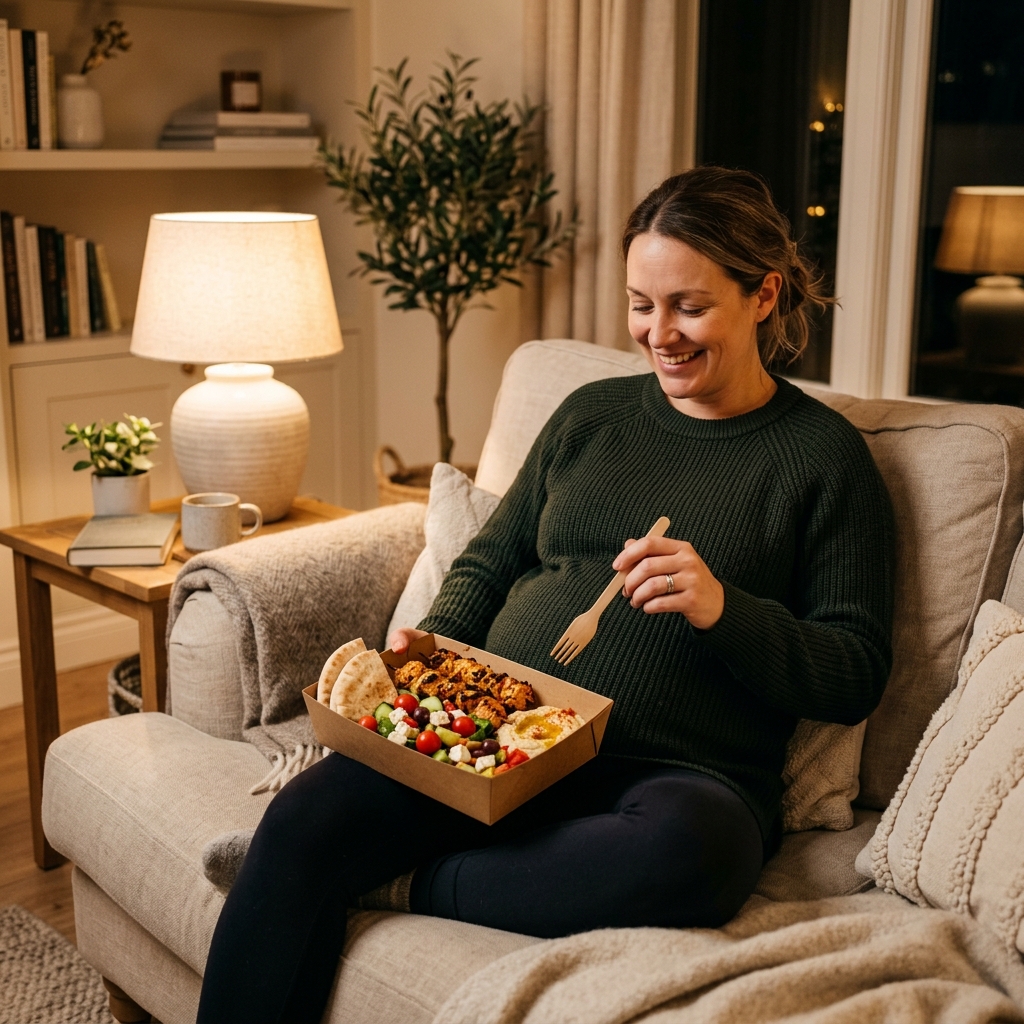
Few things are more satisfying during pregnancy than satisfying a specific late-night craving. Whether it is the spice of a Thai curry, the comfort of a Mediterranean kebab, or the simplicity of a wood-fired pizza, takeaway food is a vital part of the modern prenatal lifestyle. However, the takeaway environment represents a unique set of challenges for food safety. Unlike a controlled home kitchen or a high-end sit-down restaurant, takeaway kitchens often operate at high speed with varied levels of temperature control. Because your immune system is suppressed during pregnancy, your body is less equipped to handle the bacterial loads that can thrive in lukewarm delivery containers. But you do not have to delete your delivery apps. By applying the "Takeaway Safety Protocol," you can enjoy your favorite late-night meals with clinical confidence. This guide provides a deep dive into the risks, the rewards, and the definitive "Safe List" for 2026.
The Delivery Dilemma: Why Time and Temperature Matter
The primary risk with takeaway food is not always the ingredients themselves, but the journey from the kitchen to your front door. In food safety, the "Danger Zone" is the temperature range between 40 degrees Fahrenheit and 140 degrees Fahrenheit (4 - 60 degrees Celsius). This is the window where bacteria like Listeria and Salmonella can double in number every 20 minutes. When a delivery driver has three different orders in their bag and your house is the last stop, your food can sit in this Danger Zone for 30 to 45 minutes.
The Insulated Bag Myth: While delivery bags help maintain some heat, they are rarely airtight or clinically calibrated. If the food was packaged at 160 degrees but arrives at your door at 110 degrees, it has spent a significant amount of time in the risk window. For a pregnant mother, this means that "reheating until steaming" is not just a suggestion - it is a clinical mandate.
The Rice Risk: Understanding Bacillus Cereus
One of the most overlooked risks in takeaway food - particularly Chinese and Indian cuisine - is the rice. Rice is often cooked in large batches and left to sit at room temperature before being "flash-fried" for an order. This creates the perfect environment for Bacillus cereus, a bacterium that produces heat-resistant toxins. Even if you reheat the rice, the toxins themselves may remain active. The Clinical Rule: If you order takeaway rice, it must be piping hot upon arrival. If it feels lukewarm or clumpy, it is safer to boil a fresh batch of rice at home in 10 minutes than to risk a severe case of food poisoning.
Cuisine Audit: The Thai and Chinese Safety Filter
Thai and Chinese takeaways are incredibly popular for late-night cravings, but they require a specific safety filter:
- The Bean Sprout Warning: Many Thai dishes like Pad Thai are garnished with raw bean sprouts. Because sprouts grow in warm, humid conditions, they are almost impossible to wash perfectly. Action: Always ask for "No Sprouts" or ensure they are thoroughly cooked into the dish until wilted.
- The Seafood Standard: Be wary of "Mixed Seafood" dishes. The smaller pieces of shrimp or squid can often be undercooked in the center during a high-speed stir-fry. Stick to chicken or tofu options which are easier to verify visually.
- The Sauce Audit: Pre-made sauces that sit in large warmers all night can be a risk. Opt for dishes that are cooked fresh in a wok, which reaches temperatures well above the pathogen kill-step.
Cuisine Audit: Mediterranean and Middle Eastern
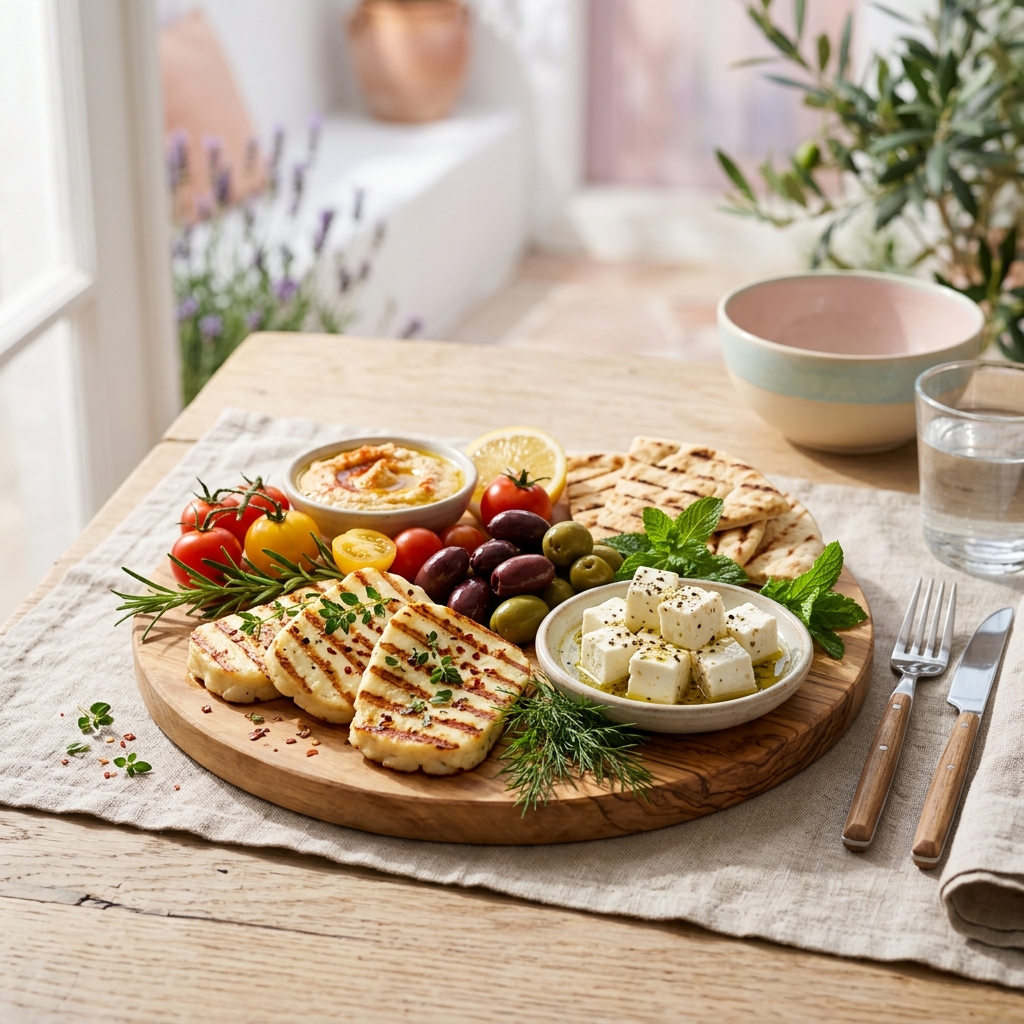
This is often one of the safest late-night options if you choose correctly. The focus should be on High-Heat Carving.
- Safe Haven: Freshly Carved Meat. A doner or gyro meat that is sliced fresh from the rotating spit is generally safe because the exterior is constantly exposed to high heat. However, avoid the "pre-sliced" meat that has been sitting in a metal tray at the bottom of the grill.
- The Cold Garnish Trap: The "free" salad and hummus that comes with your kebab is the highest risk factor. These items are often pre-prepped in large batches and sit in a display fridge that is opened and closed hundreds of times a night. Pro Move: Order the hot meat and bread, but skip the raw lettuce and onion if the shop looks busy and disorganized.
The Pizza Protocol: The Safest Late-Night Choice?
Statistically, pizza is one of the safest takeaway options for pregnant women. Why? Because the oven temperature (often 500 degrees Fahrenheit or higher) provides a definitive "Kill-Step" for all major pathogens. However, the risk returns once the pizza leaves the oven.
- The Topping Audit: Avoid "cold" toppings added after the bake, such as fresh rocket (arugula), parma ham, or soft cheeses like Gorgonzola. Stick to cooked toppings like pepperoni, vegetables, and pasteurized mozzarella.
- The Reheat Rule: If the pizza arrives and the cheese is no longer bubbly, pop it in the oven for 3 to 5 minutes until it is steaming. This resets the safety clock.
Identifying "High-Reliability" Restaurants in 2026
Not all takeaways are created equal. In 2026, we have more data than ever to audit restaurant safety. Before you order, perform a 30-second "Digital Audit":
- Hygiene Ratings: Check the local government hygiene score. In the UK, anything below a 4 is an immediate skip for a pregnant mother.
- Review Sentiment: Use the "Search" function in reviews for keywords like "cold," "sick," or "undercooked." If multiple people mention the food arriving lukewarm, the kitchen's temperature management is failing.
- The Packaging Quality: Does the restaurant use sealed, tamper-evident packaging? This prevents environmental contamination during the delivery process.
The Reheating Mandate: Your Final Line of Defense
Even if the food looks perfect, the most empowered choice you can make is to Reheat Everything. Bacteria cannot survive sustained temperatures of 165 degrees Fahrenheit (74 degrees Celsius). When your takeaway arrives, transfer the food from the plastic or cardboard containers (which can leach chemicals when heated) into a glass or ceramic dish. Microwave or oven-heat until the food is steaming throughout. The Visual Test: If you do not see visible steam rising from the center of the food, it is not hot enough.
What to Do with Leftovers?
The "Leftover Trap" is a common cause of pregnancy food poisoning. If you cannot finish your takeaway, you must refrigerate the remains within 60 minutes of arrival. Leaving a pizza box on the counter overnight and eating a slice for breakfast is a high-risk behavior. Listeria can grow even in the refrigerator, so all leftovers must be consumed within 24 hours and reheated to the same steaming-hot standard as the original meal.
The "Safe Swap" Guide for Late-Night Ordering
Eat This, Not That: Takeaway Edition
- Instead of: Cold Chicken Salad Sandwich Order: Toasted Hot Chicken Panini.
- Instead of: Soft-Shell Tacos with Raw Slaw Order: Hot Burrito Bowl (Reheated).
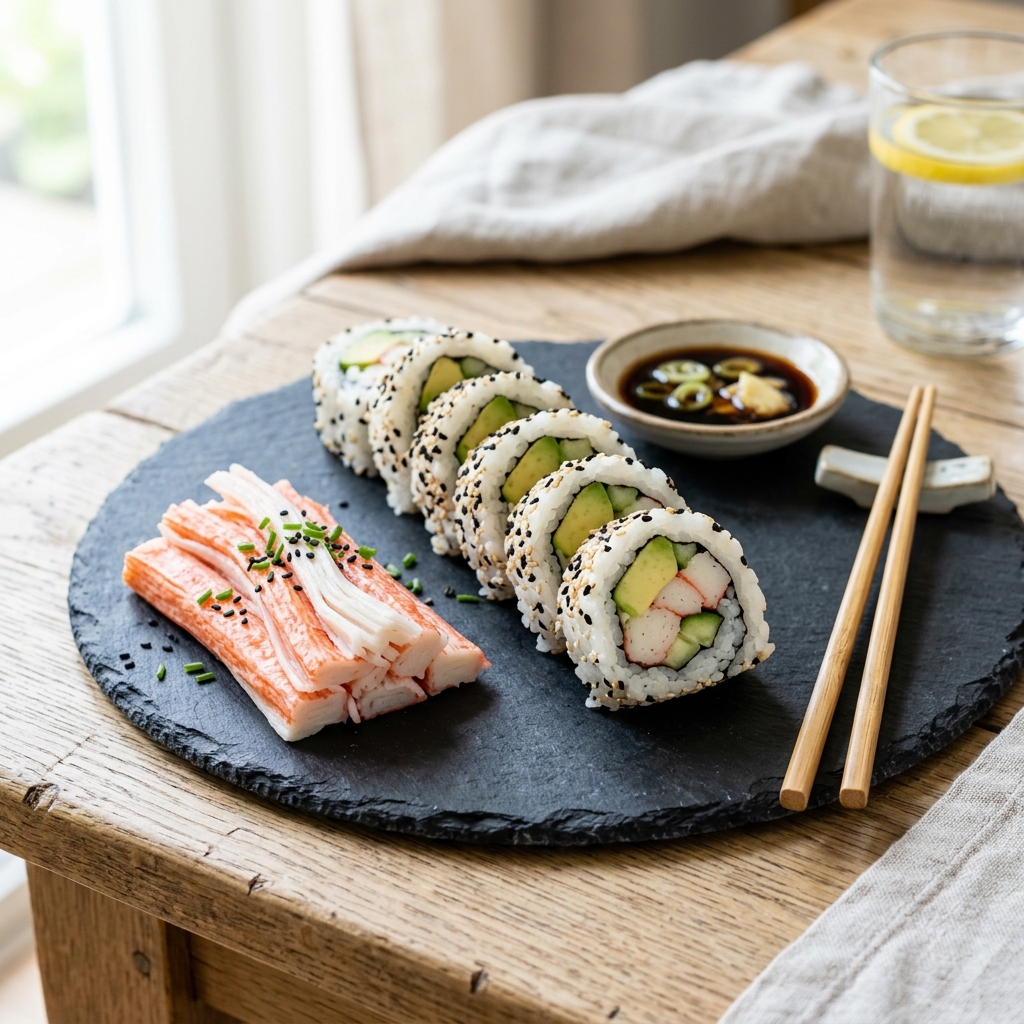
- Instead of: Cold Sushi Rolls Order: Hot Vegetable Tempura or Gyoza.
- Instead of: Pre-Mixed Deli Salads Order: Roasted Root Vegetables or Hot Sides.
The Verdict: Craving Satisfaction with Clinical Precision
Late-night takeaway food does not have to be a source of anxiety. By selecting high-heat cuisines like pizza or freshly carved meats, being vigilant about "No Sprouts" and fresh rice, and committing to the "Reheating Protocol," you can satisfy your cravings while maintaining absolute safety for your baby. You are the auditor of your own plate. Enjoy the convenience of 2026 delivery technology, but keep your clinical standards high. Your peace of mind is just as important as your nutrition.
Log Your Cravings and Safety
Not sure if that specific Thai place is safe? Use the PregnancyPlate App to check restaurant safety ratings and log your meals. Our community-driven safety audit helps you find the most reliable takeaways in your neighborhood, so you can eat well and sleep soundly. Stay safe, stay satisfied.
Meet the Editorial Team
The researchers and experts behind PregnancyPlate.

Fiza Izra
Founder & Tech Researcher
A UK-based mother of 3 with a background in tech and data synthesis, Fiza brings real-world experience navigating hyperemesis gravidarum and postnatal depression. She engineers complex clinical guidelines (NHS, ACOG) into accessible tools, ensuring rigorous fact-checking with deep empathy.

Emma Davies
Senior Nutrition Editor
A mum and writer, Emma runs our food safety desk. She is the one who rings the restaurant to ask how long the lettuce sits out, checks every claim against CDC, FDA and NHS guidance, and rewrites the answer until it is usable at 9pm in a drive-thru queue.