Best Vegan and Vegetarian Protein Sources for Pregnancy
Your complete guide to meeting protein needs on a plant-based diet - delicious options, smart combinations, and practical meal ideas for every trimester.
In this article
Editorial note: This article is researched from official public health and pregnancy food safety guidance, then edited by the PregnancyPlate team for clarity. It is not medical advice. If you are worried about symptoms or a specific exposure, contact your midwife, GP or healthcare provider.
The answer is a confident yes - with the right knowledge and planning.
This comprehensive guide covers everything you need to know about plant-based protein during pregnancy: how much you actually need, the best sources, how to combine foods for complete proteins, and practical meal ideas that make hitting your targets easy.
How Much Protein Do You Need During Pregnancy?
Protein needs increase during pregnancy to support your baby's rapid growth:
- First trimester: 0.8g per kg body weight (same as non-pregnant)
- Second trimester: 1.1g per kg body weight (+25g/day extra)
- Third trimester: 1.2g per kg body weight (+31g/day extra)
For most pregnant women, this translates to approximately:
- First trimester: 46-50g per day
- Second trimester: 71g per day
- Third trimester: 78g per day
The good news? These targets are absolutely achievable on a well-planned vegan or vegetarian diet.
Complete Proteins vs Incomplete Proteins: What You Need to Know
Understanding Amino Acids
Protein is made up of 20 amino acids. Your body can make 11 of these on its own (non-essential), but 9 must come from food (essential amino acids).
Complete proteins contain all 9 essential amino acids in adequate amounts. Most animal foods are complete proteins.
Incomplete proteins are missing or low in one or more essential amino acids. Most plant foods are incomplete proteins - but this is easily solved.
The Complementary Protein Solution
The old advice was that you must eat complementary proteins together at every meal. Modern research shows this is unnecessarily strict.
Your body can pool amino acids from different foods eaten throughout the day. As long as you eat a variety of protein sources daily, your body will get all the amino acids it needs.
The Best Vegan Protein Sources for Pregnancy
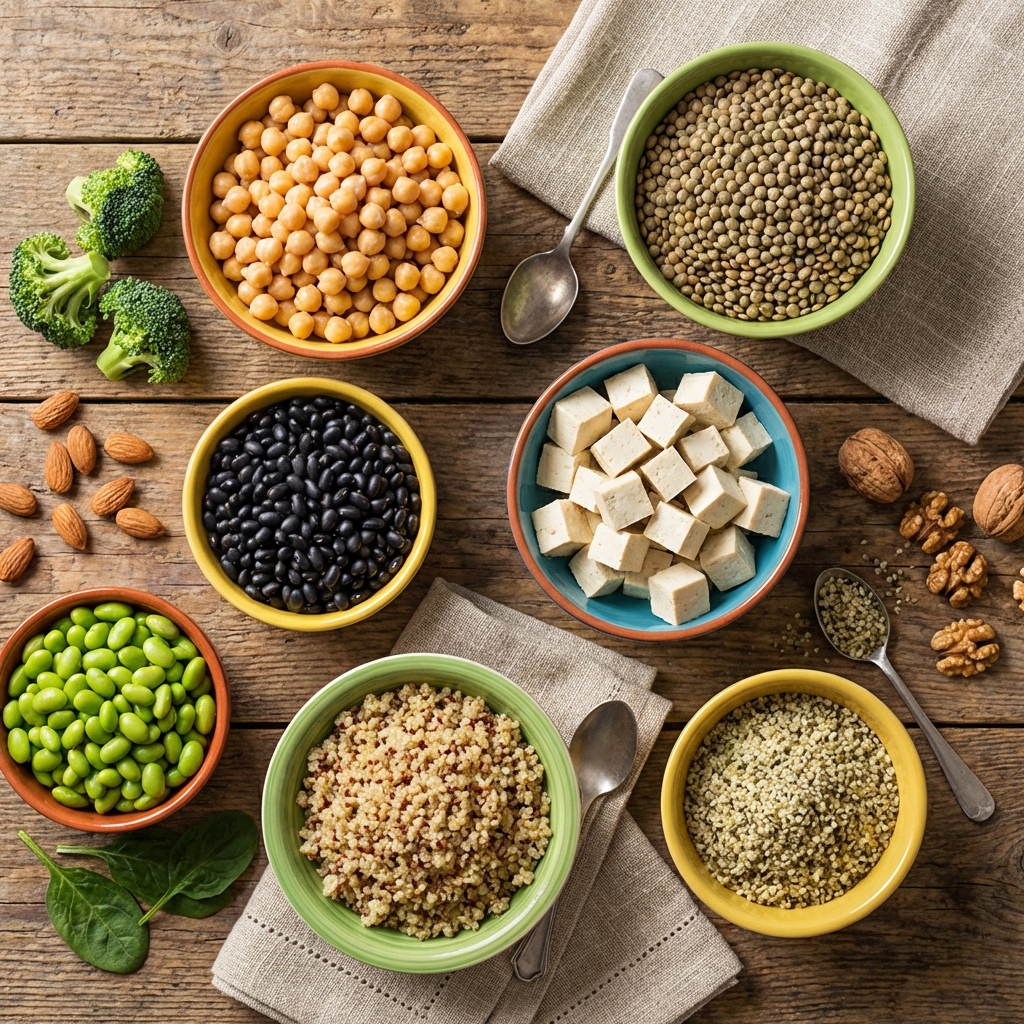
Here are the top plant-based protein sources ranked by protein content and nutritional value:
Tofu (Firm or Extra-Firm)
Protein: 20g per cup (firm, cubed)
Tofu is a pregnancy superfood. It's a complete protein, meaning it contains all essential amino acids. It's also rich in calcium (set with calcium sulfate), iron, zinc, and omega-3s.
How to use: Scramble tofu for breakfast, add cubed tofu to stir-fries, blend silken tofu into smoothies, or marinate and bake for a crispy protein addition to salads.
Tempeh
Protein: 31g per cup
Tempeh is fermented soybean (sometimes mixed with grains), making it higher in protein than tofu and easier to digest. Fermentation also increases vitamin B12 and makes minerals more bioavailable.
Edamame (Young Soybeans)
Protein: 17g per cup (shelled)
Edamame are young, green soybeans - complete protein, high in folate and fibre.
Lentils
Protein: 18g per cup (cooked)
Lentils are protein powerhouses that also deliver iron, folate, and fibre. Red lentils cook quickly (15-20 minutes) and blend smoothly into soups.
Chickpeas
Protein: 15g per cup (cooked)
Versatile, affordable, and rich in fibre, iron, and folate. Canned chickpeas make protein accessible in minutes.
Quinoa
Protein: 8g per cup (cooked)
Quinoa is a rare plant food that's naturally a complete protein. It also provides iron, magnesium, and folate.
Hemp Seeds
Protein: 10g per 3 tablespoons
Hemp seeds are complete proteins and one of the best plant sources of omega-3 fatty acids (ALA). They're also rich in iron and zinc.
The Best Vegetarian Protein Sources (Including Eggs & Dairy)
If you include eggs and/or dairy, you have even more options:
Eggs
Protein: 6g per large egg
Eggs are complete proteins and among the best sources of choline - critical for baby's brain development. They also provide vitamin D, B12, and omega-3s (in enriched eggs).
Greek Yoghurt
Protein: 17-20g per cup
Greek yoghurt packs nearly twice the protein of regular yoghurt, plus calcium, probiotics, and B12.
Cottage Cheese
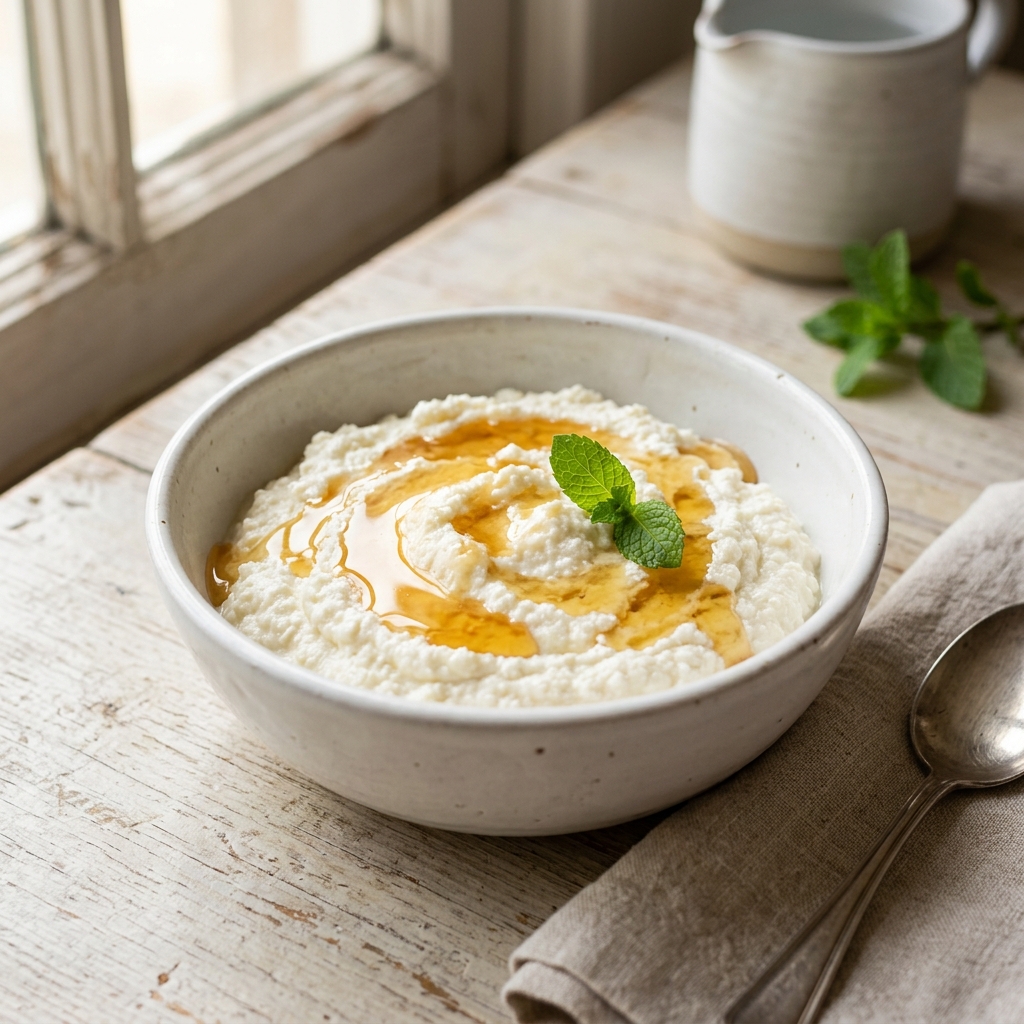
Protein: 28g per cup
One of the highest-protein dairy foods available. Excellent source of calcium and B12.
Sample High-Protein Vegan Day (~85g protein)
Breakfast: Tofu scramble (½ cup firm tofu): 10g
2 slices whole grain toast: 6g
2 tbsp peanut butter: 8g
Snack: 1 cup edamame: 17g
Lunch: Lentil soup (1.5 cups): 14g
Side salad with hemp seeds (2 tbsp): 6g
Snack: Hummus (½ cup) with veggie sticks: 6g
Dinner: Quinoa bowl (1 cup quinoa): 8g
Roasted chickpeas (½ cup): 7g
Tahini dressing (2 tbsp): 3g
Daily Total: ~85g protein ✓
Practical Tips for Meeting Protein Needs
Front-Load Protein at Breakfast
Many people eat protein-light breakfasts. Start strong with tofu scramble or eggs, Greek yoghurt parfait, smoothie with nut butter and hemp seeds, or chia pudding topped with nuts.
Add Protein to Every Meal and Snack
Think "protein plus" for every eating occasion: Add beans to soup, sprinkle seeds on salads, include nut butter on toast, top grain bowls with tofu or tempeh.
Keep High-Protein Snacks Ready
Stock your kitchen with grab-and-go options: roasted chickpeas, edamame (freezer-to-microwave), cheese sticks (vegetarian), trail mix with nuts and seeds, hummus cups.
Batch Cook Proteins Weekly
Spend one hour on the weekend preparing proteins for the week: cook a pot of lentils or beans, bake a tray of tofu, make a batch of tempeh crumbles.
Nutrients to Watch on a Plant-Based Pregnancy Diet
Protein isn't the only consideration. Pay attention to these nutrients:
Iron
Plant-based iron (non-heme) is less absorbable than meat-based iron. Boost absorption by eating iron with vitamin C (lemon juice, tomatoes, peppers), cooking in cast iron, and avoiding tea and coffee with iron-rich meals.
Vitamin B12
B12 is essentially absent from plant foods. Vegans must supplement or eat fortified foods: fortified plant milks, fortified nutritional yeast, B12 supplement (2.6mcg daily during pregnancy).
Omega-3 DHA
Plant-based omega-3s (ALA) convert poorly to DHA - the form important for baby's brain. Consider an algae-based DHA supplement (200-300mg daily).
Calcium
If you don't eat dairy, prioritise: fortified plant milks (shake well - calcium settles), calcium-set tofu, fortified orange juice, tahini, dark leafy greens (bok choy, kale, broccoli).
Common Mistakes to Avoid
- Relying solely on nuts: Nuts are healthy but calorie-dense. For pure protein, legumes and soy are more efficient.
- Forgetting variety: Eating the same few foods repeatedly can lead to nutritional gaps. Rotate your protein sources.
- Ultra-processed plant foods: Many vegan "meats" are high in sodium and additives. Use them occasionally, not daily.
- Assuming all plant milks are equal: Only soy milk has comparable protein to cow's milk (~7g per cup). Almond, oat, and rice milks have 1g or less.
- Skipping supplements: If vegan, you almost certainly need B12 supplement and algae-based DHA supplement.
Frequently Asked Questions
Is a vegan diet safe during pregnancy?
Yes, with careful planning. Major health organisations including the Academy of Nutrition and Dietetics confirm that well-planned vegan diets are safe for all life stages, including pregnancy. Key is ensuring adequate protein, B12, iron, DHA, calcium, and iodine.
Can I get enough protein from beans alone?
Technically yes, but variety is better for both nutrition and enjoyment. Combining legumes with grains, nuts, seeds, and soy products ensures you get all amino acids and a range of nutrients.
Do I need protein powder?
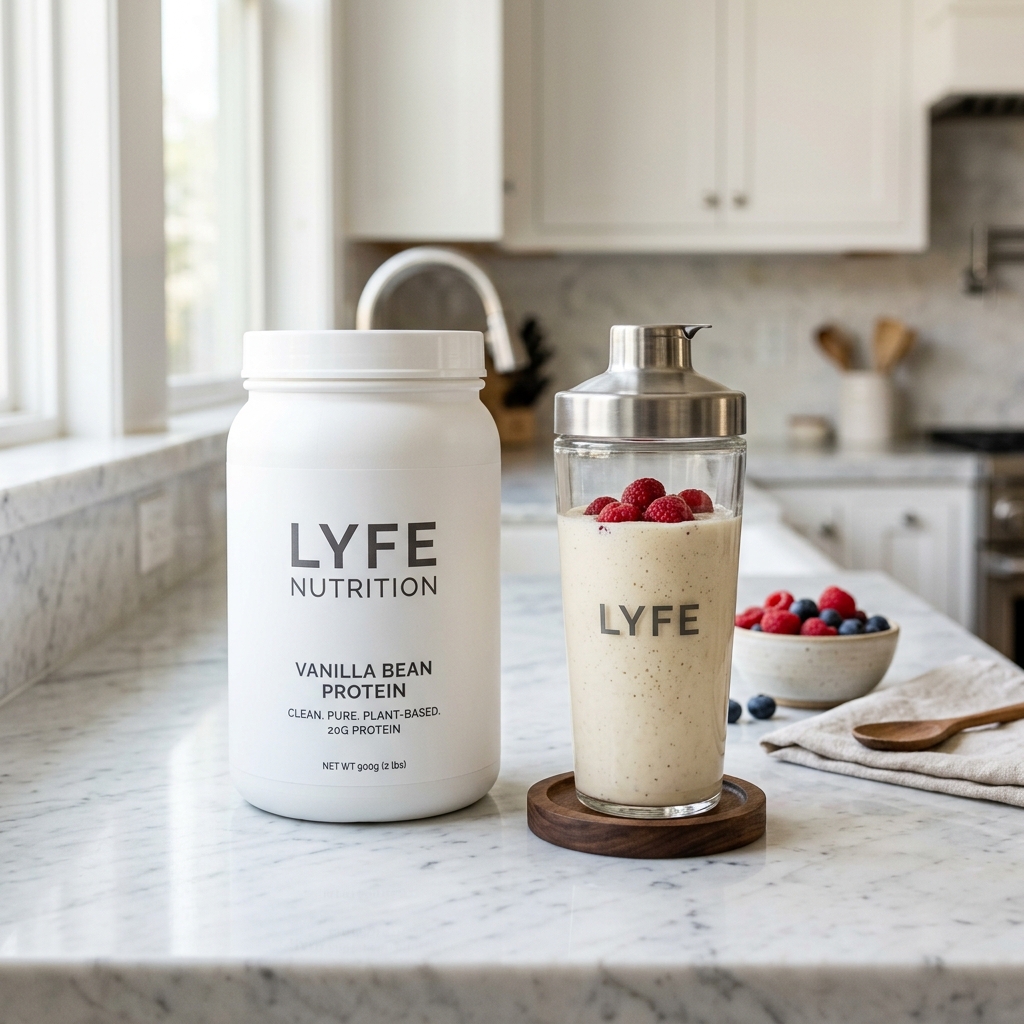
Not necessarily. Most pregnant vegetarians and vegans can meet protein needs through whole foods. However, protein powder (pea, soy, or hemp) can be helpful if you're struggling with appetite or nausea.
The Bottom Line
You absolutely can meet your protein needs during pregnancy on a vegan or vegetarian diet. The keys are:
- Variety - Eat different protein sources throughout the day
- Quantity - Aim for protein at every meal and snack
- Quality - Include complete proteins like soy, quinoa, and eggs (if vegetarian)
- Supplements - B12 and DHA are essential for vegans; consider iron based on blood tests
- Planning - Batch cook proteins and keep high-protein snacks accessible
With a little knowledge and preparation, a plant-based pregnancy can be nutritionally excellent for both you and your baby.
Meet the Editorial Team
The researchers and experts behind PregnancyPlate.

Fiza Izra
Founder & Tech Researcher
A UK-based mother of 3 with a background in tech and data synthesis, Fiza brings real-world experience navigating hyperemesis gravidarum and postnatal depression. She engineers complex clinical guidelines (NHS, ACOG) into accessible tools, ensuring rigorous fact-checking with deep empathy.

Emma Davies
Senior Nutrition Editor
A mum and writer, Emma runs our food safety desk. She is the one who rings the restaurant to ask how long the lettuce sits out, checks every claim against CDC, FDA and NHS guidance, and rewrites the answer until it is usable at 9pm in a drive-thru queue.