What Can I Actually Eat at a Buffet While Pregnant? (Full Safety Guide)
At a wedding or hotel? We audit the 'Danger Zone' temperatures, identifying the safe hot stations and the hidden risks of the salad bar to ensure your buffet plate is 100% clinically safe.
In this article
Editorial note: This article is researched from official public health and pregnancy food safety guidance, then edited by the PregnancyPlate team for clarity. It is not medical advice. If you are worried about symptoms or a specific exposure, contact your midwife, GP or healthcare provider.
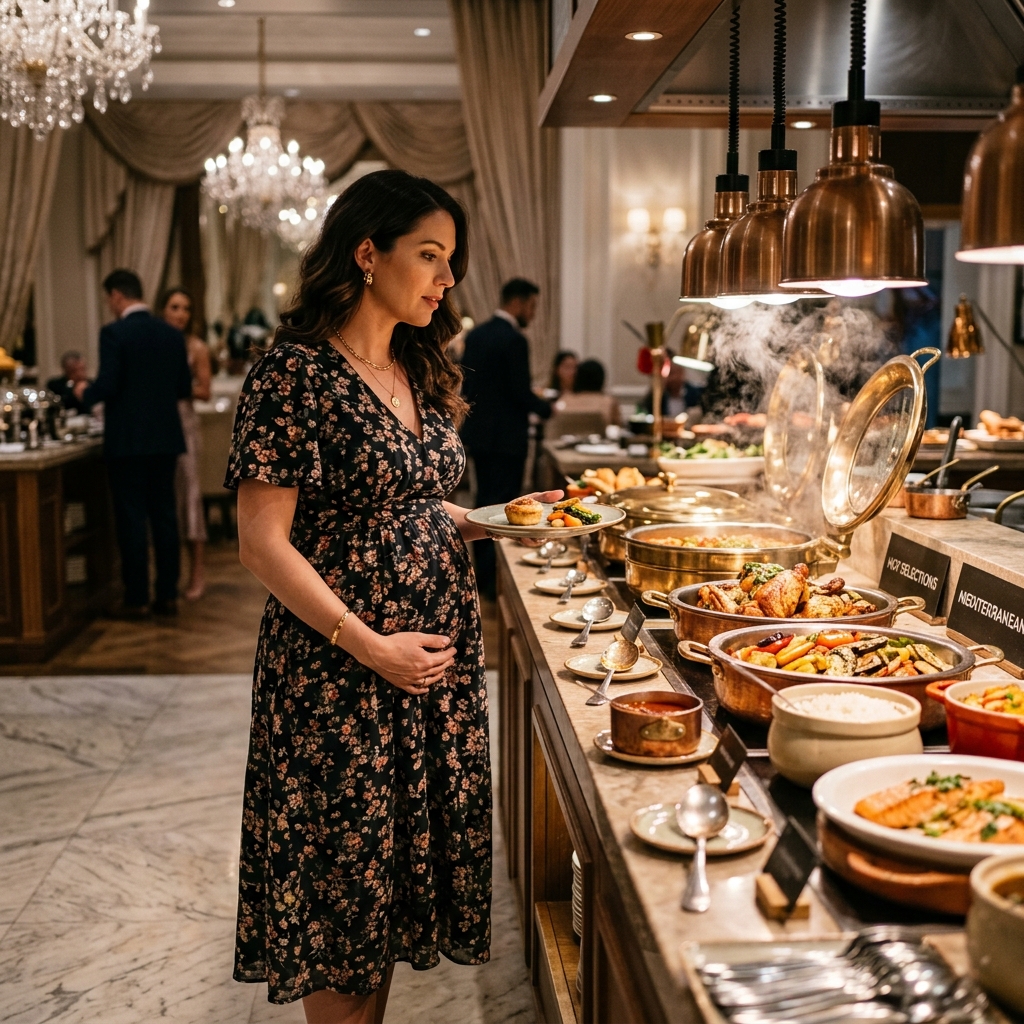
The Buffet Decision Engine: You’re at a wedding, a holiday party, or a high-end hotel breakfast. The spread is massive, but for a pregnant woman, it’s a tactical minefield. In 2026, we replace buffet-anxiety with a "Precision Selection" protocol. Let’s audit the stations, identify the "Temperature Trap," and build a plate that is 100% clinically safe for your baby.
Verify Restaurant Safety on PregnancyPlateSafety is step one. Nutrition helps your baby thrive.
Knowing a meal is safe does not tell you whether you are getting enough iron, folate, calcium and choline. PregnancyPlate tracks all of it from a photo of your plate.
- See nutrient progress
- Scan meals instantly
- Nourish with confidence
 Scan to download
Open with iPhone camera
Scan to download
Open with iPhone camera
The buffet is a staple of modern social life, but it represents one of the most complex environments for prenatal food safety. When you are pregnant, the two biggest threats to your health—Listeria and Salmonella—thrive in environments where food is held at lukewarm temperatures for long periods. Because pregnancy naturally suppresses your immune system to protect the fetus, your ability to fight off a bacterial load is significantly reduced. But does this mean you have to skip the party? Not at all. By applying the "PregnancyPlate Buffet Protocol," you can navigate any spread with the precision of a food safety auditor. This guide dismantles the myths and provides a clear, station-by-station breakdown of what is safe, what is risky, and what is strictly forbidden.
The Biology of the Buffet: Why Temperature is Everything
In food safety, we talk about the "Danger Zone"—the temperature range between 40°F (4°C) and 140°F (60°C). This is the "Goldilocks Zone" for bacteria; it's not too hot to kill them and not too cold to freeze their growth. In a buffet setting, food is often placed in large "chafing dishes" over small tea lights or electric warmers. If the catering staff isn't vigilant, the bottom of the dish might be steaming, but the top layer of food could be sitting right in the middle of the Danger Zone.
The Bacterial Load Factor: For a healthy adult, a small amount of Salmonella might cause a mild stomach ache. For a pregnant woman, that same load can lead to severe dehydration and systemic inflammation. Our goal at the buffet is to only consume food that has been maintained at a Consistent High Heat (above 140°F) or a Consistent Deep Cold (below 40°F). Anything that feels "room temperature" is an immediate skip.
The "Red Zone": Strict No-Go Stations
These are the sections where the risk-to-reward ratio is simply too high. In 2026, clinical consensus remains firm on these specific buffet items:
- The Raw Bar: Oysters, raw clams, and "peel-and-eat" shrimp. Raw shellfish are notorious for Vibrio and Norovirus. Even if the ice looks fresh, the internal temperature of the shellfish is rarely consistent.
- Cold Deli Meats & Pates: Ham, turkey, and roast beef slices sitting on cold platters. These are the primary vectors for Listeria. Unless you can see a chef taking them from the platter and heating them until they are steaming, walk away.
- Raw Sprouts: Alfalfa, clover, and radish sprouts are often included in buffet salads. Because sprouts need warm, humid conditions to grow, they are essentially "bacterial incubators." They are impossible to wash effectively.
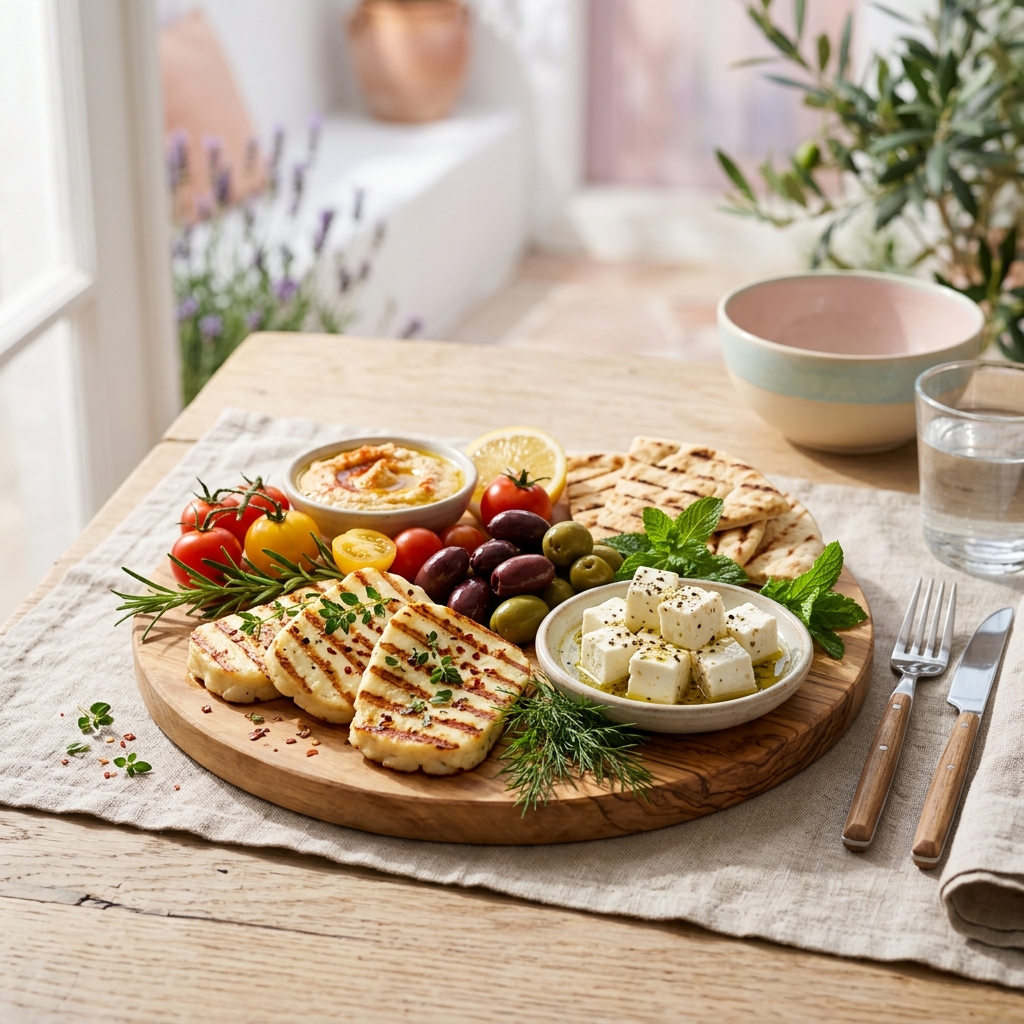
- Soft Cheeses (Unpasteurized): Brie, Camembert, and Gorgonzola. While most US/UK buffet cheeses are pasteurized, "artisanal" buffets may use raw milk varieties. If it doesn't explicitly say "Pasteurized," don't touch it.
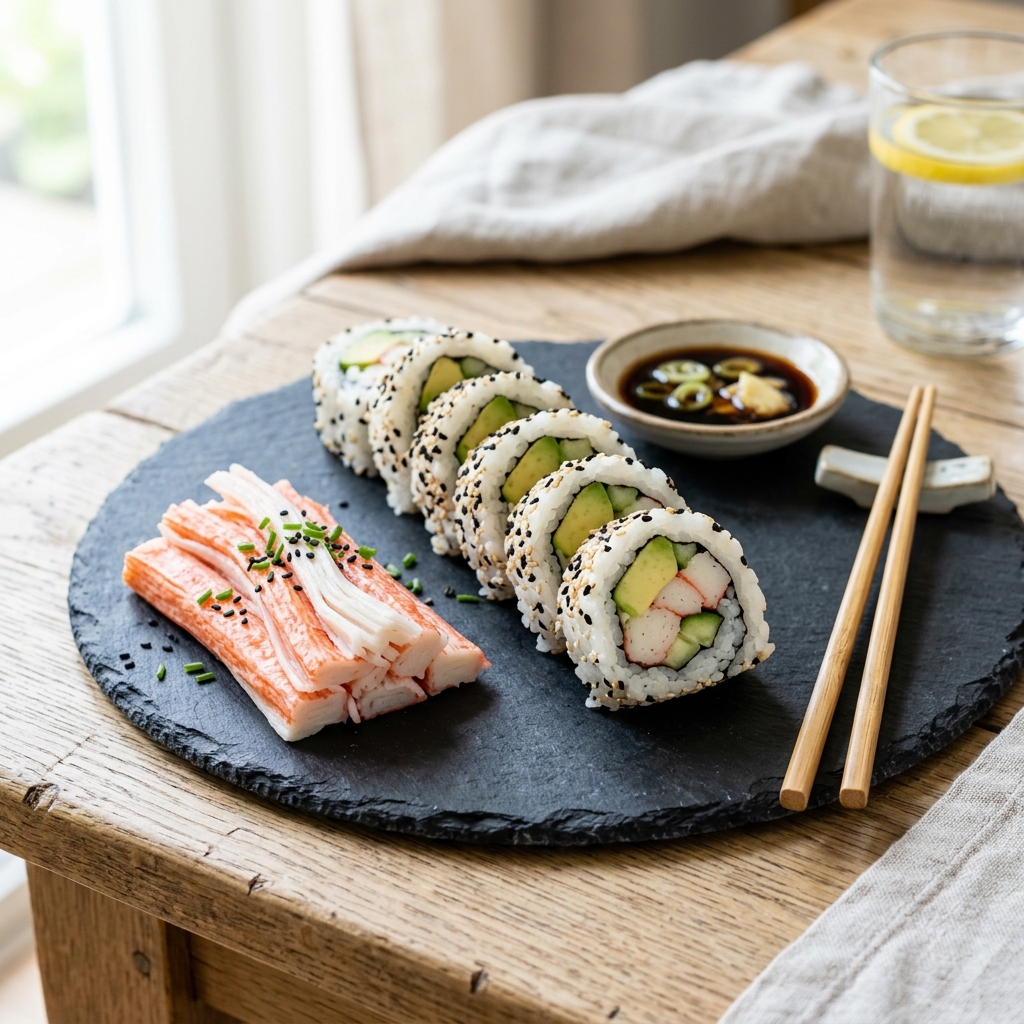
- Sushi & Sashimi: Even "vegetarian" rolls at a buffet are risky due to cross-contamination with the same knives and surfaces used for raw fish.
The "Yellow Zone": Exercise High Caution
Items in the Yellow Zone aren't inherently dangerous, but their safety depends entirely on how the buffet is managed. You must perform a "Visual Audit" before serving yourself:
- The Salad Bar: Pre-mixed salads with creamy dressings (like potato salad or coleslaw) are high-risk. If the bowl isn't sitting deep in a bed of ice, the mayonnaise-based dressing can quickly become a breeding ground for bacteria. Rule of Thumb: Stick to dry, leafy greens that you can see are being replenished frequently.
- Pre-Cut Fruit: Melons (cantaloupe and honeydew) have porous skins that can trap Listeria. If the fruit has been sitting out for more than 30 minutes, the rinds can contaminate the flesh. Only eat pre-cut fruit if it is ice-cold and looks freshly sliced.
- Lukewarm Soups: If a soup isn't "piping hot" (visible steam), the cream-based bases can harbor pathogens.
The "Green Zone": Your Safe Haven
This is where you should build 90% of your plate. These items are generally safe because the cooking process involves high heat that kills most pathogens.
- Live Carving Stations: Freshly sliced roast beef, turkey, or ham that is being carved directly from a large, hot joint of meat. The internal temperature of these large roasts is usually maintained at a safe level.
- Made-to-Order Stations: Omelet stations, pasta stations, or stir-fry stations where you watch the chef cook your food in a pan. This ensures a "Pathogen Kill-Step" right before you eat.
- High-Turnover Hot Dishes: Look for the dishes that people are constantly eating. If a tray of lasagna or roasted chicken is being replaced every 10 minutes, it doesn't have time to sit in the "Danger Zone."
- Deep-Fried Items: While not the healthiest, fried foods are generally safe from a bacterial perspective because the oil temperature is well above the kill threshold.
The "Golden Rule" of Timing: When to Eat
In 2026, we advise the "Early Bird" Buffet Strategy. The safest time to eat at a buffet is during the first 30 to 60 minutes of service. This is when the kitchen has just put out the fresh, hot food, and the "cross-contamination" by other diners (dropping serving spoons, kids touching food) is at its minimum. If you arrive at a buffet two hours after it opened, your risk profile increases exponentially as the food has had more time to cool and more people have interacted with it.
Beverage & Dessert Safety: The Hidden Risks
Don't let your guard down at the drink station.
- Ice: In lower-end establishments, ice machines can harbor mold and bacteria if not cleaned. In high-end hotels, this is less of a concern, but if you're unsure, ask for a bottled beverage without ice.
- Open Juice Carafes: Avoid unpasteurized juices or "fresh-squeezed" juices sitting in open carafes. Stick to sealed bottles or dispensers that are kept cold.
- Soft Serve Ice Cream: The "Listeria Machine." If the machine isn't cleaned daily, the internal parts can harbor bacteria. If it’s a high-turnover machine in a busy restaurant, it’s usually fine, but proceed with caution.
The Cross-Contamination Audit
Watch the other diners. Are people using the same spoon for the seafood salad and the fruit salad? Is the tongs handle touching the food? If the buffet looks messy or disorganized, it’s a sign that cross-contamination is rampant. The Pro Move: Ask a server if the kitchen can prepare a fresh plate of a specific hot item for you. Most high-end restaurants will accommodate a pregnant guest with a "Fresh from the Kitchen" request to ensure safety.
Restaurant Type Matters: Cruise Ships vs. Hotels
Cruise Ships: These are arguably the safest buffets in the world. Because an outbreak can ruin a multi-million dollar voyage, cruise lines (in 2026) use rigorous medical-grade cleaning protocols and constant temperature monitoring. High-End Hotels: Usually safe, but check the turnover. Chain "All-You-Can-Eat" Buffets: Use extreme caution here; the focus is often on volume rather than precision temperature control.
The "I Ate Something Risky" Protocol
If you realize halfway through your meal that you just ate a slice of lukewarm ham or some questionable melon, don't panic.
- Stop Eating: Transition to safe, hot foods or stick to bottled water.
- Hydrate: Flush your system with clean, bottled water.
- Monitor: Use a health tracker to log the time of exposure and watch for any symptoms (fever, nausea, diarrhea) over the next 24-72 hours.
- Contact Provider: If you develop a fever over 100.4°F, call your OB-GYN immediately.
Mental Health: Finding the Balance
Pregnancy should be a time of joy, not constant fear. If the buffet environment is making you so anxious that you can't enjoy yourself, it’s okay to order a-la-carte or eat a small meal beforehand. However, by sticking to the "Green Zone" and following the timing rules, you can participate in social events with confidence. You are an empowered, informed mother making the best choices for your baby.
The Verdict: Audit Your Plate
The buffet isn't your enemy; lukewarm temperatures and poor hygiene are. By prioritizing high-turnover hot stations, avoiding the "Red Zone" of raw and deli items, and arriving early, you transform the buffet into a safe and enjoyable experience. Remember the golden rule: If it isn't steaming or ice-cold, it doesn't belong on your plate.
Is Your Meal Truly Safe?
Not sure about a specific buffet item? Use the PregnancyPlate App for an instant safety audit. Our AI-powered database covers over 10,000 food items and provides real-time safety ratings based on clinical guidelines. Stay safe, eat well, and enjoy your pregnancy journey with total peace of mind.
Meet the Editorial Team
The researchers and experts behind PregnancyPlate.

Fiza Izra
Founder & Tech Researcher
A UK-based mother of 3 with a background in tech and data synthesis, Fiza brings real-world experience navigating hyperemesis gravidarum and postnatal depression. She engineers complex clinical guidelines (NHS, ACOG) into accessible tools, ensuring rigorous fact-checking with deep empathy.

Emma Davies
Senior Nutrition Editor
A mum and writer, Emma runs our food safety desk. She is the one who rings the restaurant to ask how long the lettuce sits out, checks every claim against CDC, FDA and NHS guidance, and rewrites the answer until it is usable at 9pm in a drive-thru queue.