Caffeine During Pregnancy: The Ultimate Safety Guide to Coffee, Tea & More
Wondering how much coffee or tea is safe while pregnant? This 1500+ word comprehensive guide covers the 200mg limit, sources of hidden caffeine, and exactly what happens to your baby when you consume caffeine.
In this article

Editorial note: This article is researched from official public health and pregnancy food safety guidance, then edited by the PregnancyPlate team for clarity. It is not medical advice. If you are worried about symptoms or a specific exposure, contact your midwife, GP or healthcare provider.
The Great Caffeine Debate: Can You Still Enjoy Your Morning Cup?
For many women, the morning ritual of a hot cup of coffee or a strong black tea is non-negotiable. It's the fuel that starts the day, the comfort in a busy afternoon, and the center of social catch-ups. So, when that positive pregnancy test appears, one of the first and most frantic questions is often: "Do I have to give up my coffee?"
Your next meal, a little less guesswork.
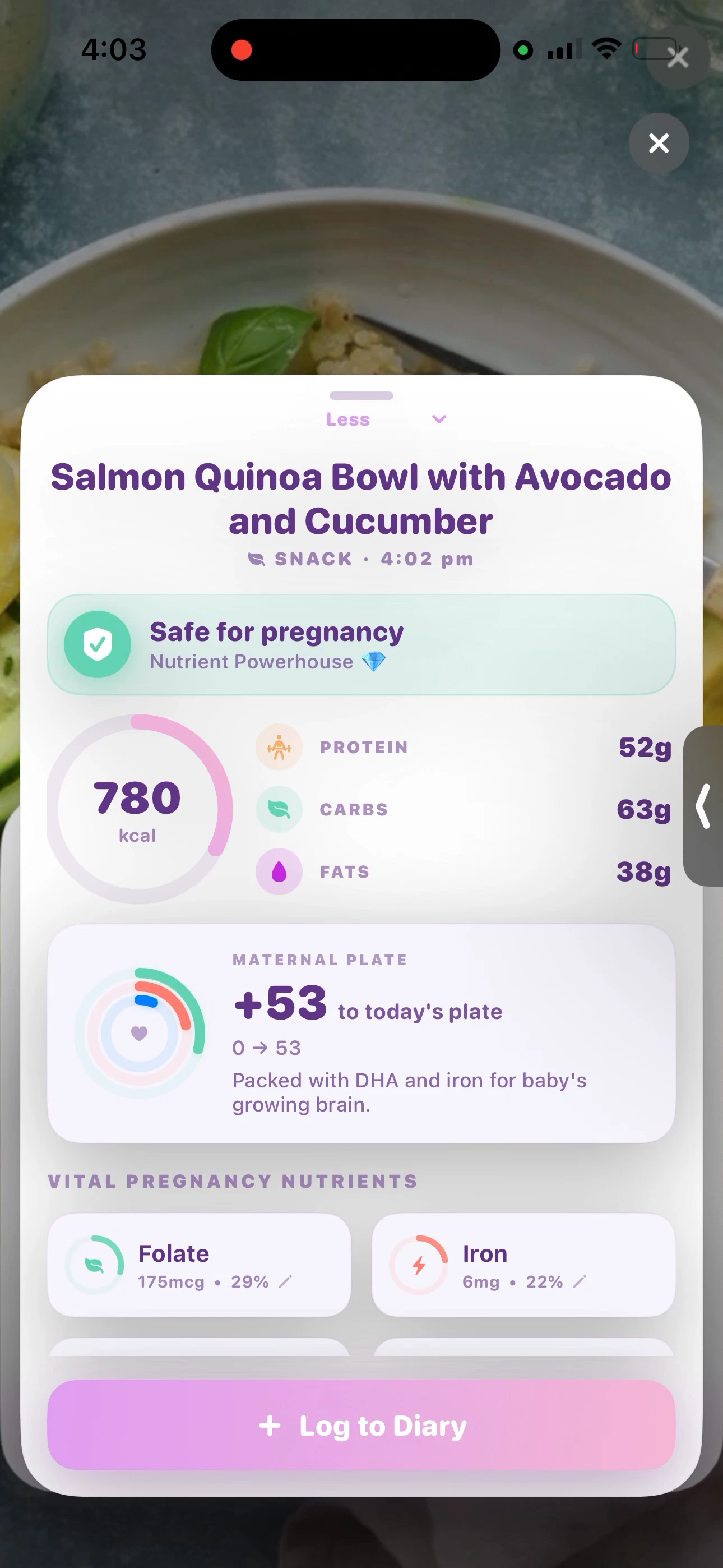
Scan your plate for pregnancy food-safety guidance and a nutrition breakdown. Keep your meals and nutrient progress in one place.
 Scan with your iPhone
to get the app
The short answer is no, you do not have to give up caffeine entirely. However, pregnancy drastically changes how your body processes caffeine, and because caffeine effortlessly crosses the placenta, it affects your developing baby, too. To protect your baby while keeping your sanity intact, health organizations worldwide have established clear guidelines. Yet, interpreting these guidelines - especially when faced with confusing coffee shop menus and hidden caffeine sources - can be overwhelming.
This comprehensive, evidence-based guide dives deep into everything you need to know about caffeine during pregnancy. We will explore exactly why limits exist, how your metabolism changes throughout each trimester, where caffeine might be hiding in your diet, and how to safely enjoy your daily boost without anxiety.
What is the Official Guideline for Caffeine in Pregnancy?
Major health organizations, including the National Health Service (NHS) in the UK, the American College of Obstetricians and Gynecologists (ACOG), and the World Health Organization (WHO), all agree on a specific threshold: Pregnant women should limit their caffeine intake to 200 milligrams (mg) per day.
⚠️ Why the 200mg Limit?
Research indicates that consuming more than 200mg of caffeine daily during pregnancy is associated with increased risks of:
- Low birth weight: High caffeine levels can constrict blood vessels in the placenta, potentially reducing the blood supply and nutrient delivery to the growing fetus.
- Miscarriage: While moderate consumption (under 200mg) is deemed safe, studies have shown a link between high caffeine intake and early pregnancy loss.
- Premature birth: Excessive caffeine may stimulate early contractions or interfere with fetal development timelines.
But what does 200mg actually look like? It's not as simple as "one cup," because a "cup" can range from a tiny espresso shot to a massive 20-ounce coffeehouse venti. The caffeine content depends heavily on the type of bean, the brewing method, the brand, and the serving size.
Visualizing 200mg: Common Drinks and Their Caffeine Content
To stay under the limit, you need to know what you're drinking. Here's a breakdown of the typical caffeine content in popular beverages to help you track your daily intake:
- Mug of filter/drip coffee (200ml): ~140mg
- Mug of instant coffee (200ml): ~100mg
- Shot of espresso (single): ~50 to 75mg
- Mug of tea (black or green, 200ml): ~40 to 75mg
- Can of cola (330ml): ~35 to 40mg
- Can of energy drink (250ml): ~80mg (but often highly discouraged due to other additives)
- Standard dark chocolate bar (50g): ~25mg
- Standard milk chocolate bar (50g): ~10mg
- Matcha green tea (1 tsp powder): ~70mg
If you're buying coffee out, the numbers can spike rapidly. A typical "Grande" (16oz) brewed coffee at Starbucks contains a staggering 310mg of caffeine - well over your daily limit in just one cup! In contrast, a Grande Latte (made with two shots of espresso) has about 150mg of caffeine, making it a much safer choice.
The Biological Impact: How Caffeine Affects You and Your Baby
Understanding why the rules exist can help you stick to them without resentment. Let’s look at the physiological changes occurring in your body and how they interact with caffeine.
Your Slower Metabolism
When you aren't pregnant, the half-life of caffeine (the time it takes for your body to eliminate half of the caffeine you consumed) is roughly 3 to 5 hours. However, during pregnancy - especially as you enter the second and third trimesters - the liver enzymes responsible for processing caffeine become much less efficient. By your third trimester, the half-life of caffeine can extend to 11 to 15 hours! This means a cup of coffee at 2 PM could still be circulating in high amounts at midnight, severely disrupting your much-needed sleep.
The Placental Barrier
Caffeine is a small, highly lipid-soluble molecule. This allows it to effortlessly slip across the placenta. While your adult liver, even when slower, can eventually process the caffeine, your baby's developing liver is completely unequipped. The fetus lacks the principal enzyme (CYP1A2) required to metabolize caffeine. Therefore, the caffeine you consume lingers in the amniotic fluid and the baby's bloodstream for a prolonged period, acting as a stimulant on their tiny developing heart and nervous system.
Hydration and Nutrient Absorption
Caffeine is a mild diuretic, meaning it makes you urinate more frequently. During pregnancy, maintaining high amniotic fluid levels and overall hydration is critical. Excessive caffeine can compromise this. Furthermore, beverages like coffee and black tea contain compounds called polyphenols and tannins that bind to iron. Drinking your coffee alongside an iron-rich meal or your prenatal vitamin can drastically reduce the amount of iron your body absorbs, increasing your risk of pregnancy-induced anemia.
Beware of Hidden Caffeine
It’s easy to focus solely on your morning coffee, but caffeine sneaks into many other foods and medications. If you are tracking your 200mg limit, you must account for these hidden sources:
- Chocolate: The darker the chocolate, the higher the caffeine content. Cocoa beans naturally contain caffeine. If you eat a large piece of dark chocolate cake, you might be adding 30-50mg of caffeine to your day.
- Matcha and Green Tea: Often praised for their health benefits, these are not caffeine-free. Matcha is actually highly concentrated green tea, and a large matcha latte can easily contain 100-150mg of caffeine.
- Decaf Coffee: "Decaffeinated" does not mean "caffeine-free." The decaffeination process removes about 97% of the caffeine. A standard cup of decaf coffee still contains around 2 to 15mg of caffeine. While negligible on its own, it can add up if you drink several cups.
- Medications: Certain over-the-counter headache and cold medicines (like Excedrin) contain significant doses of caffeine to speed up pain relief. Always consult your doctor or pharmacist before taking any medication during pregnancy.
- Kombucha: Fermented from sweet tea, kombucha retains some of the caffeine from its tea base (usually 10-25mg per serving). Note that unpasteurized kombucha is generally discouraged during pregnancy due to bacteria and trace alcohol risks.
- Energy Waters and Pre-workouts: Many modern "vitamin waters," flavored sparkling waters, and pre-workout powders are secretly laced with caffeine derived from green tea extract or guarana. Always read the labels.
Navigating the Coffee Shop: How to Order Safely
When you are out and about, you don't have to skip the café. You just need to know how to navigate the menu for pregnancy-safe options.
The "Half-Caf" Hack
If you love the taste of espresso but want to keep your caffeine low, order a "half-caf" drink. A standard Grande latte contains two shots. A half-caf Grande will have one regular shot and one decaf shot, dropping the caffeine from 150mg to around 80mg. This leaves you plenty of room to enjoy a cup of tea or a bit of chocolate later in the day.
Embrace Decaf
Decaf coffee gets a bad reputation for flavor, but modern decaffeination processes have improved tremendously. Look for coffee shops that use the "Swiss Water Process" for decaffeination. This method uses water and osmosis, rather than chemical solvents like methylene chloride, to remove the caffeine. It is entirely chemical-free and retains the rich flavor of the bean.
Opt for Herbal, but Choose Wisely
If you want a hot, comforting drink without the caffeine, herbal teas are wonderful. Peppermint, ginger, and rooibos are fantastic, pregnancy-safe options. However, avoid herbal teas with hibiscus in the first trimester, as high amounts can stimulate the uterus, and steer clear of overly medicinal "detox" teas.
Frequently Asked Questions About Caffeine in Pregnancy
Can an occasional slip-up harm my baby?
Pregnancy is a marathon, not a sprint. If you accidentally grab a cold brew that has 250mg of caffeine, do not panic. The 200mg guideline is an average safe threshold. A single day slightly over the limit is highly unlikely to cause any harm to your developing baby. The risks outlined by researchers are associated with habitual, consistent high caffeine intake.
Will drinking coffee give my baby a faster heart rate in the womb?
Because caffeine acts as a stimulant and crosses the placenta, it can temporarily increase fetal heart rate and movement. If you drink a strong cup of coffee and suddenly feel your baby kicking more actively, this is a normal physiological response. However, keeping within the 200mg limit ensures that this stimulation is not excessive or harmful.
Should I quit cold turkey when I find out I'm pregnant?
If you are a heavy coffee drinker, quitting cold turkey can result in severe withdrawal symptoms, including debilitating headaches, nausea, fatigue, and irritability. You are already dealing with massive hormonal shifts; there is no need to add caffeine withdrawal to the mix. Instead, taper down gradually over a week or two, swapping one regular cup for decaf, until you are comfortably under the 200mg limit.
Is caffeine linked to ADHD in children?
Some emerging, though inconclusive, studies have explored the long-term neurodevelopmental effects of maternal caffeine intake, looking for links to conditions like ADHD. However, current medical consensus maintains that consumption under the 200mg daily limit does not present a statistically significant risk for long-term behavioral or cognitive issues in children.
How to Boost Energy Without Caffeine
The cruel irony of pregnancy is that you are often exhausted, yet you must limit the very substance you used to rely on for energy. If you are struggling with first-trimester fatigue or third-trimester exhaustion, try these caffeine-free energy boosters:
- Hydration: Dehydration is a primary cause of fatigue. Drinking ice-cold water, especially with a squeeze of fresh lemon, can provide an immediate sensory wake-up call.
- Frequent, Protein-Rich Snacks: Blood sugar crashes will leave you feeling drained. Pair a complex carb with a protein (like an apple with almond butter, or whole-grain crackers with safe cheese) to maintain steady energy levels.
- Prenatal Yoga or Stretching: Gentle movement increases blood flow and oxygen to the brain, providing a natural, sustainable energy lift without a subsequent crash.
- Strategic Napping: Sometimes, the only cure for pregnancy fatigue is sleep. A 20-minute power nap can be far more restorative than a cup of coffee.
- B-Vitamins: Ensure your prenatal vitamin contains a robust B-complex. Vitamins B6 and B12 are critical for cellular energy production.
Conclusion: Balance is Key
Pregnancy requires many sacrifices, but entirely giving up your beloved coffee or tea doesn't have to be one of them. By understanding the 200mg limit, familiarizing yourself with the caffeine content of your favorite drinks, watching out for hidden sources, and spacing out your consumption, you can safely enjoy a daily caffeine boost. Rest easy knowing that with mindful habits, you are protecting your baby's development while still giving yourself the comfort and energy you deserve.
Meet the Editorial Team
The researchers and experts behind PregnancyPlate.

Fiza Izra
Founder & Tech Researcher
A UK-based mother of 3 with a background in tech and data synthesis, Fiza brings real-world experience navigating hyperemesis gravidarum and postnatal depression. She engineers complex clinical guidelines (NHS, ACOG) into accessible tools, ensuring rigorous fact-checking with deep empathy.

Emma Davies
Senior Nutrition Editor
A mum and writer, Emma runs our food safety desk. She is the one who rings the restaurant to ask how long the lettuce sits out, checks every claim against CDC, FDA and NHS guidance, and rewrites the answer until it is usable at 9pm in a drive-thru queue.
Make sense of every plate.
Scan your plate for pregnancy food-safety guidance and a nutrition breakdown. Keep your meals and nutrient progress in one place.
Scan with your iPhoneto get the app