Protein Powder & Pregnancy: Are Your Post-Workout Shakes Actually Prenatal Safe?
From 'clean' labels to hidden adaptogens, we reveal which protein powders are safe for your baby and which ingredients you should avoid in your daily smoothie.
In this article
Editorial note: This article is researched from official public health and pregnancy food safety guidance, then edited by the PregnancyPlate team for clarity. It is not medical advice. If you are worried about symptoms or a specific exposure, contact your midwife, GP or healthcare provider.
The Protein Powerhouse: Why Your Body Needs More in 2026
By the time you reach your second and third trimesters, your protein requirements skyrocket. You aren't just maintaining your own muscle mass anymore; you are building a human being from scratch - constructing a brain, weaving a nervous system, and expanding your own blood volume by nearly 50%. Most experts recommend an intake of 75g to 100g of protein per day during pregnancy.
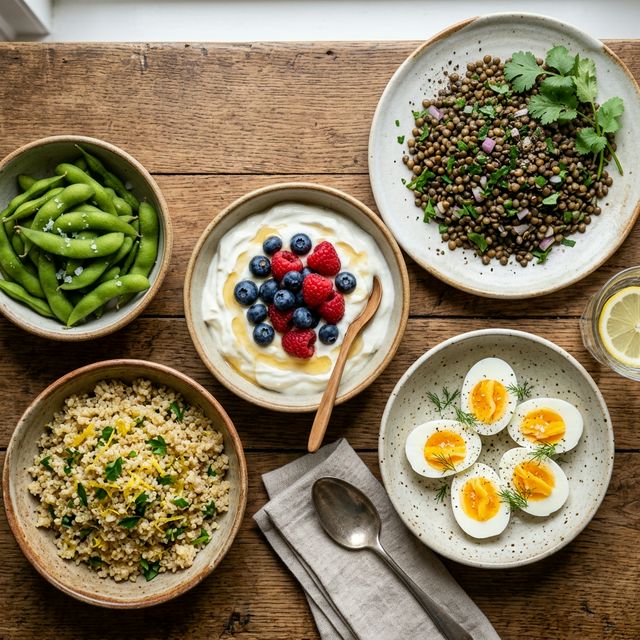
For many expectant mothers, especially those struggling with meat aversions or the morning-sickness-of-all-day, hitting those numbers with chicken breast and eggs feels impossible. Enter the protein powder. It’s convenient, it’s cold, and it’s an easy way to sneak 20g of protein into a fruit-filled morning. But as you stand in the supplement aisle, the doubt creeps in: "Is this safe for my baby? What are those weird herbs on the back?"
At PregnancyPlate, we’ve analyzed the lab results and the botanical safety data to help you select a shake that fuels your workout without risking your prenatal health. Today, we're uncovering the "Adaptogen Trap" and sharing the ultimate guide to pregnancy-safe protein.
The Adaptogen Trap: Hidden Herbs to Avoid
The biggest risk in modern protein powders isn't the protein itself - it’s the "extras." In 2026, many "clean" or "holistic" protein brands include adaptogens designed to help with stress or hormone balance. While these and great for the average athlete, they are often not recommended for pregnancy.
Many of these herbs have "emmenagogue" properties, meaning they can stimulate blood flow to the pelvic area or affect uterine contractions. Others simply haven't been studied enough to be considered safe for a developing fetus.
The "Red Flag" Herbs:
- Ashwagandha: Commonly used for stress. Some studies suggest high doses might be linked to miscarriage risk.
- Maca Root: Often used for hormone balance. There is insufficient data to support its safety during pregnancy.
- Licorice Root: Can affect blood pressure and is linked to preterm birth when consumed in high amounts.
- Holy Basil / Tulsi: May interfere with blood clotting and hasn't been established as prenatal-safe.
The Strategy: Look for "Pure Isolate" or "Single Ingredient" powders. If the ingredient list looks like a botanical garden, put it back on the shelf.
Heavy Metals: The Silent Contaminant in 2026
Protein powders are considered "supplements," which means they aren't regulated by the FDA in the same way as food. A major 2026 update from the Clean Label Project found that several top-selling protein powders - especially those marketed as "Garden Fresh" or "Raw Earth" - contained detectable levels of Lead, Arsenic, and Cadmium.
Heavy metals are particularly dangerous during pregnancy because they are "bioaccumulative." They can cross the placenta and accumulate in the baby's developing brain and bones, potentially affecting cognitive development later in life. Plant-based proteins (pea, rice, hemp) are often higher in these metals because they are "hyperaccumulators," meaning they absorb everything from the soil - both the good minerals and the bad toxins.
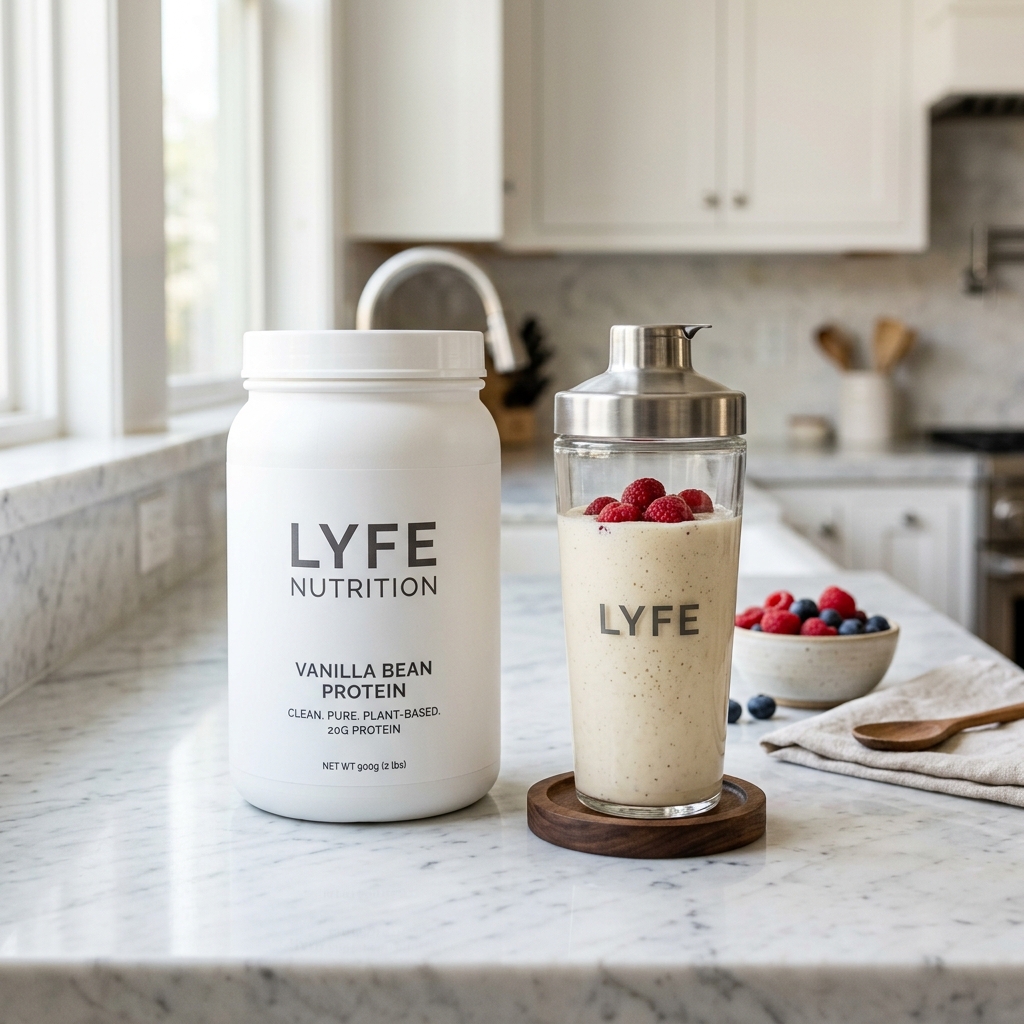
The 2026 Data: The most recent testing showed that Chocolate-flavored powders often have higher lead counts because of how cocoa is harvested and processed. If you are extremely risk-averse, opting for Vanilla or Unflavored isolates can mathematically reduce your exposure risk by up to 30%.
🧪 The "Third-Party" Seal
Only buy brands that are Third-Party Tested. Look for the NSF Certified for Sport, Informed Choice, or Clean Label Project seals on the canister. These organizations test for heavy metals and purity, giving you the peace of mind that what's on the label is actually what's in the scoop.
What About Creatine and L-Glutamine?
If you were a serious athlete before pregnancy, your protein powder might be part of a larger stack. Here is the current consensus for 2026:
- Creatine Monohydrate: Generally considered safe. In fact, some emerging research suggests that creatine might have neuroprotective benefits for the baby during times of oxygen stress (like labor). However, you must stay incredibly hydrated, as creatine pulls water into the muscles.
- L-Glutamine: Naturally occurring in the body and found in high-protein foods. It is generally safe in standard supplement doses to help with gut health and muscle recovery.
- Collagen Peptides: Excellent for skin elasticity and joint health during pregnancy. Just ensure it is sourced from grass-fed bovine or wild-caught fish and is free from additives.
3 Brands We Actually Trust (And Why)
Navigating the supplement aisle is exhausting. To save you time, here are three brands that PregnancyPlate has vetted for 2026:
- Naked Whey: As the name implies, it has one ingredient: Grass-fed whey protein. No sweeteners, no colors, no "proprietary blends." It is the gold standard for "Clean" protein.
- Ritual Essential Protein: Specifically designed with the pregnant body in mind. It is third-party tested for 250+ contaminants and includes Choline - a vital nutrient for baby’s brain development that most mothers are deficient in.
- Thorne Whey Protein Isolate: Thorne is the brand trusted by medical professionals and Olympic athletes. Their testing standards are arguably the most rigorous in the world.
Whey vs. Plant: Which is Safer?
There is No "one size fits all" answer, but here is the breakdown for the pregnant body:
Whey Protein Isolate:
- Pros: A complete protein (all 9 essential amino acids). Usually lower in heavy metals than plant proteins. Very easy for the body to absorb.
- Cons: Can cause bloating or gas if you are sensitive to dairy (a common side effect exacerbated by pregnancy digestion).
Plant-Based Protein (Pea/Rice):
- Pros: Vegan-friendly. Easier on the stomach for those with dairy aversions.
- Cons: Often requires a blend (e.g., Pea + Rice) to be a complete protein. Higher risk of heavy metal contamination unless strictly tested.
The Sweetener Strategy: Stevia vs. Sucralose
To keep the carb count low, most protein powders use non-nutritive sweeteners. While the FDA considers most to be "Generally Recognized as Safe" (GRAS), there are nuances for your prenatal journey:
- Stevia & Monk Fruit: These are plant-derived and generally considered the best options for pregnancy. They don't affect blood sugar, making them safe for those with gestational diabetes.
- Sucralose (Splenda): While safe, some research suggests that high intake of artificial sweeteners can influence the baby's gut microbiome. Moderation is key.
- Sugar Alcohols (Xylitol, Erythritol): These can cause significant GI distress (gas and diarrhea). Since your digestion is already slowed down by progesterone, these might make you feel miserable.
The "Pre-Workout" No-Go List
If you were a gym rat before pregnancy, you might be tempted to keep your pre-workout ritual. Stop. Most pre-workout powders are dangerous during pregnancy due to:
- High Caffeine: Many contain 300mg+ per scoop - way over your 200mg daily limit.
- Beta-Alanine: That "tingling" sensation isn't well-studied in fetal development.
- Nitric Oxide Boosters: These affect blood flow and can interact with your already-taxed cardiovascular system.
The Safe Alternative: Half a banana and a small, decaf iced espresso. Natural energy, zero risk.
The PregnancyPlate "Safe Smoothie" Blueprint
To make the most of your safe protein powder, build your smoothie to maximize nutrient absorption:
🥤 The Foundation (Pick One)
1 Scoop Clean Whey Isolate OR NSF-Certified Pea Protein
🍓 The Flavor & Fiber
1 cup Spinach (Iron + Folate) + 1/2 cup Blueberries (Antioxidants)
🥑 The Healthy Fat
1/4 Avocado or 1 tbsp Chia Seeds (Crucial for baby's brain development!)
Protein, Satiety, and Gestational Weight Gain
Beyond fetal development, there is a practical benefit for the mother: Satiety. High-protein breakfasts are scientifically proven to reduce cravings for high-sugar, ultra-processed snacks later in the day. During pregnancy, when your blood sugar can be a rollercoaster, a protein shake can act as a "stabilizer." By meeting your protein macros early in the morning, you are less likely to experience the "energy crashes" that lead to overeating or unhealthy choices. This helps in maintaining a healthy gestational weight gain, which reduces the risk of preeclampsia and gestational diabetes.
Furthermore, protein is crucial for "muscle sparing." Due to the hormonal shifts of pregnancy, your body can sometimes enter a catabolic state where it breaks down its own muscle tissue to provide amino acids to the baby. Maintaining a high protein intake ensures that your body has a constant "pool" of available amino acids, protecting your lean muscle mass and helping you stay strong for the physical demands of labor and delivery.
Knowledge Check: Quiz
🧠 Scenario Quiz
Q: You found a protein powder that is NSF-Certified for Sport, contains only Pea Protein and Stevia, but is labeled 'Chocolate.' Is it the safest choice?
A: It is a very safe choice because of the NSF certification. However, as noted in the 2026 data, Vanilla is often the "Gold Standard" for absolute purity because cocoa carries a slightly higher natural risk of lead. If you are in your first trimester (the most sensitive period for development), Vanilla is the safer bet.
🧠 Post-Partum Planning
Q: Can I continue using my pregnancy-safe protein powder during breastfeeding?
A: Yes, and you should. Your protein requirements actually stay elevated or even increase during lactation as your body produces breast milk. The same rules apply: avoid heavy metals and hidden adaptogens, as these can pass through your milk to the baby. Sticking to your trusted pregnancy-safe brand ensures a smooth transition into mothering.
The Final Verdict
Can you use protein powder while pregnant? Absolutely. For many women, it's the only way to meet their increased nutritional needs. But you shouldn't just grab whatever is on sale at the local supplement shop. By sticking to third-party tested isolates, avoiding the adaptogen trap, and staying away from pre-workout stimulants, you can fuel your body and your baby safely.
Related Reading
For more nutrition guides, check out: The Cream Cheese Guide, The Starbucks Survival Guide, and our guide on Safe Leftover Storage. For more supplement advice, see Prenatal DHA Benefits.
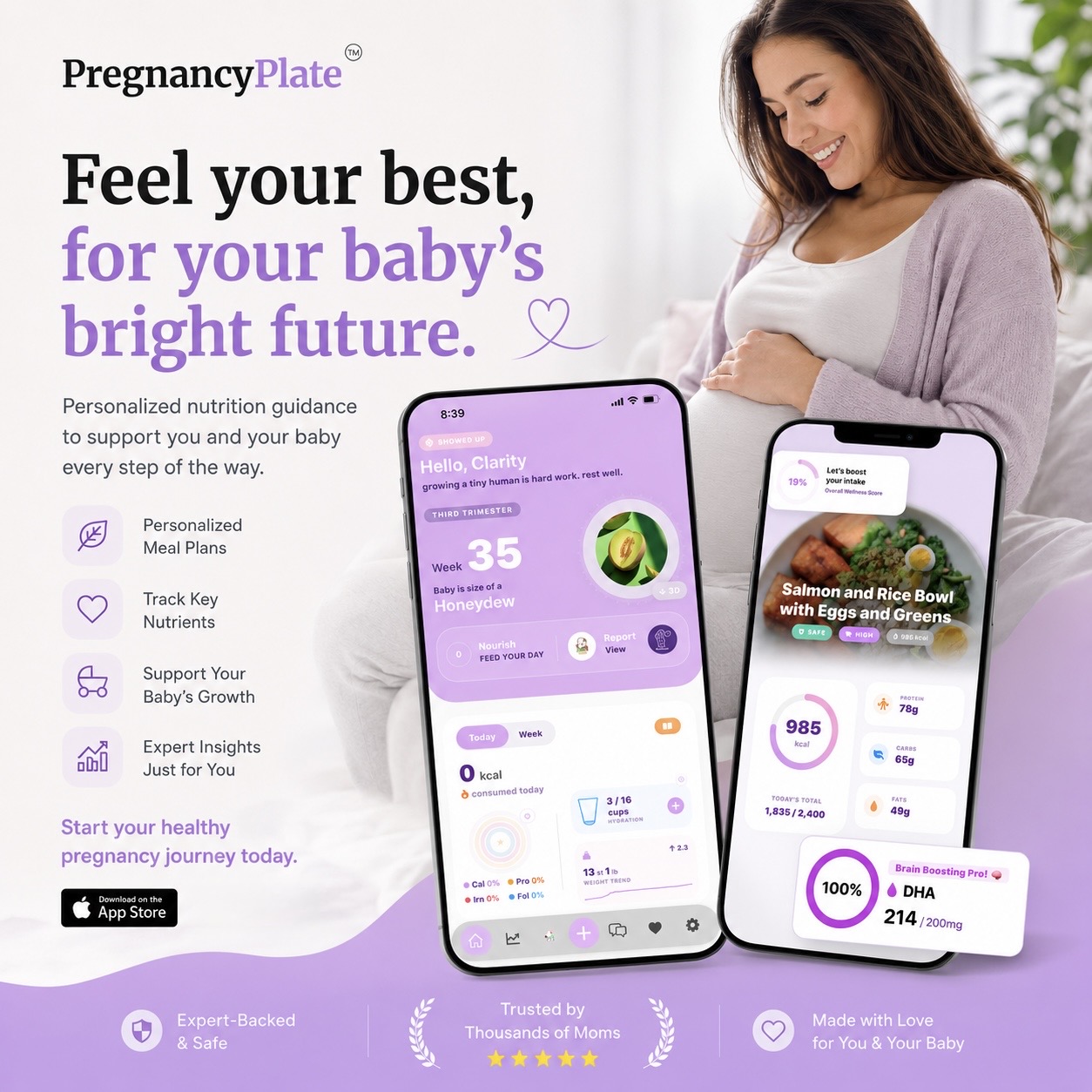
Download the PregnancyPlate App to use our Supplement Scanner. Just take a photo of the ingredients list on any protein powder tub, and our AI will immediately highlight any adaptogens or additives that are unsafe for pregnancy.
Meet the Editorial Team
The researchers and experts behind PregnancyPlate.

Fiza Izra
Founder & Tech Researcher
A UK-based mother of 3 with a background in tech and data synthesis, Fiza brings real-world experience navigating hyperemesis gravidarum and postnatal depression. She engineers complex clinical guidelines (NHS, ACOG) into accessible tools, ensuring rigorous fact-checking with deep empathy.

Emma Davies
Senior Nutrition Editor
A mum and writer, Emma runs our food safety desk. She is the one who rings the restaurant to ask how long the lettuce sits out, checks every claim against CDC, FDA and NHS guidance, and rewrites the answer until it is usable at 9pm in a drive-thru queue.