Is Philadelphia Cream Cheese Really Pasteurized? The Truth About Soft Cheeses in Pregnancy
You've been told to avoid soft cheeses - but does that include your morning bagel? We break down the science of pasteurized cream cheese versus artisanal soft cheeses.
In this article
Editorial note: This article is researched from official public health and pregnancy food safety guidance, then edited by the PregnancyPlate team for clarity. It is not medical advice. If you are worried about symptoms or a specific exposure, contact your midwife, GP or healthcare provider.
The Soft Cheese Scare: Breaking Down the Morning Bagel Myth
If you've been pregnant for more than five minutes, someone has probably warned you about the "Soft Cheese Rule." It’s one of those blanket statements that floats through doctor's offices and family dinner tables alike: "Avoid soft cheeses like the plague."
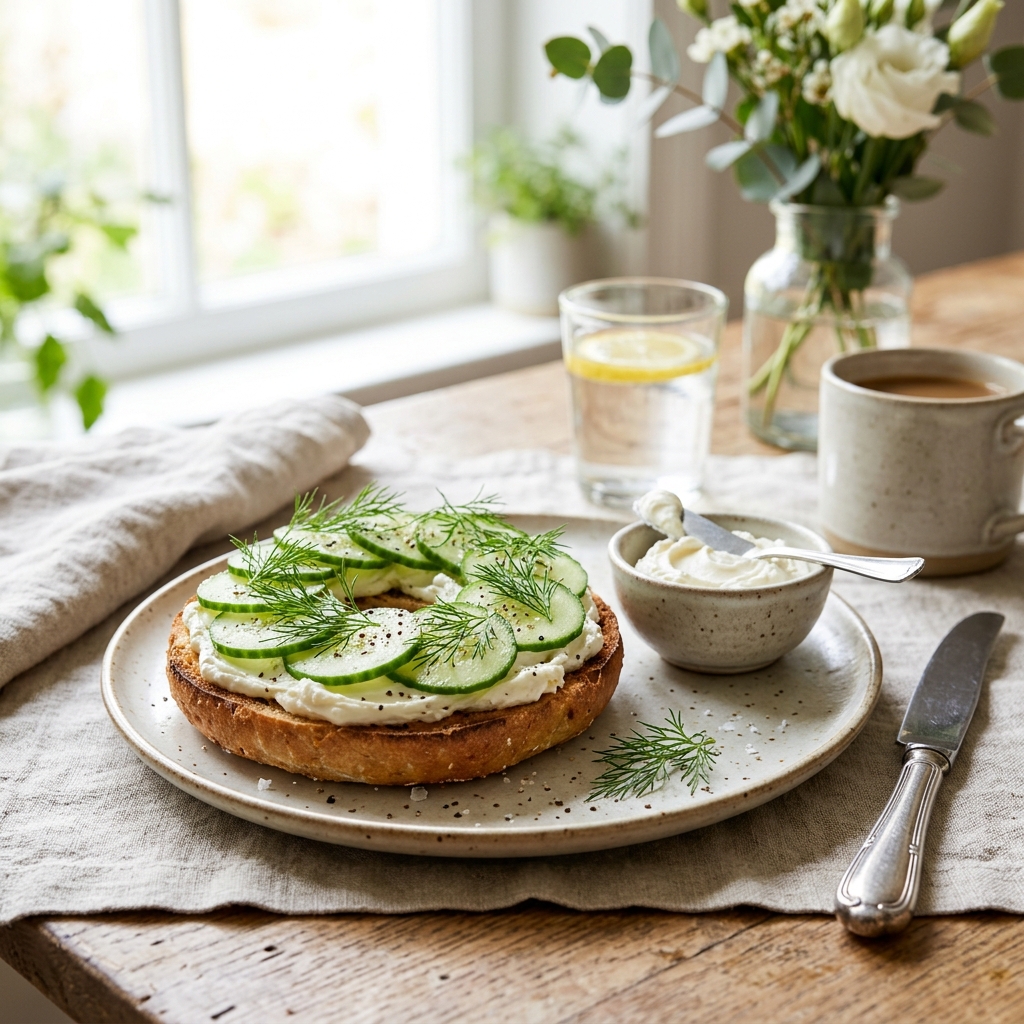
This warning creates a specific kind of internal panic every time you stand in front of the dairy aisle. You want a bagel with cream cheese, but then you pause. Cream cheese is soft. It’s white. It’s creamy. "Is Philadelphia Cream Cheese safe for my baby?"
At PregnancyPlate, we’re here to clear the confusion. The "Soft Cheese Rule" is actually much more nuanced than most people realize. Today, we are deep-diving into the science of pasteurization, the difference between "Fresh" and "Mold-Ripened" cheeses, and why your Philadelphia obsession is likely the safest thing about your breakfast. Let’s look at the facts.
The Definition of "Soft Cheese": Not All Texture is Equal
The term "soft cheese" is a broad umbrella used by the FDA to describe a wide range of products. For pregnancy safety, we need to divide this umbrella into two distinct categories:
Category A: Fresh Soft Cheeses (The Safe Zones)
These are unaged cheeses that are consumed soon after they are made. This includes cream cheese, ricotta, cottage cheese, mascarpone, and mozzarella. Because they are not "aged" or allowed to sit in an environment where mold is encouraged to grow, they are inherently less hospitable to Listeria - provided they are made with pasteurized milk.
Category B: Aged/Mold-Ripened Soft Cheeses (The Caution Zones)
This is where the real risk lives. Cheeses like Brie, Camembert, Gorgonzola, and Roquefort are aged in environments designed to encourage certain molds. This same environment is exactly where Listeria monocytogenes loves to hide. Unless these cheeses are heated to 165°F (steaming hot) before you eat them, they are best avoided during pregnancy.
The Philadelphia Story: Is It Really Pasteurized?
Philadelphia Cream Cheese (owned by Kraft-Heinz) is a industrial soft cheese. For a pregnant woman, "industrial" is actually a good thing. Large-scale dairy companies follow incredibly rigorous pasteurization protocols mandated by the USDA and FDA.
The Verdict: Yes, 100% of Philadelphia Cream Cheese products sold in the United States and most Western countries are made with ultra-pasteurized milk and cream. Pasteurization is the process of heating the milk to at least 161°F for 15 seconds (or higher temperatures for shorter periods) to kill off pathogenic bacteria. Once it is pasteurized and packaged in a sealed industrial container, the risk of Listeria contamination is virtually non-existent.
🥯 The "Industrial" Safety Shield
While artisanal, farmhouse cheeses from a local market are charming, industrial brands like Philadelphia or Tostini follow strict "Hazard Analysis Critical Control Point" (HACCP) plans that include constant testing for Listeria. For pregnancy, the big brand is often the safer brand. These facilities are designed as "closed loops" where the milk is pasteurized and then move immediately into the blending and packaging stage without ever being exposed to the outside air where bacteria might reside.
Beyond the Original: Whipped, Flavored, and Neufchâtel
The cream cheese aisle has exploded in recent years. Does the safety rule change if you prefer "Strawberry Whipped" or the lower-fat "Neufchâtel" style? Generally, no - but there are a few nuances to keep in mind.
- Whipped Cream Cheese: This is simply standard cream cheese that has been injected with nitrogen to create a fluffier texture. The process is entirely sterile. If you find standard cream cheese too "heavy" during your first trimester nausea, whipped is an excellent, safe alternative.
- Flavored Spreads: Savory spreads (Chive, Onion, Garden Veggie) and sweet spreads (Strawberry, Honey Pecan) use the same pasteurized base. However, if you are making your own flavored cream cheese at home, ensure any fresh veggies or herbs are washed thoroughly, as raw produce can carry its own risk of Toxoplasmosis.
- Neufchâtel: This is a French-style cheese that is lower in fat and higher in moisture than traditional cream cheese. In the U.S., any Neufchâtel sold in the major brick format is pasteurized and 100% safe.
The Technical Side: Why Pasteurization is Non-Negotiable
To understand why we emphasize this so much, we have to look at what pasteurization actually does. Most commercial cream cheese undergoes High-Temperature Short-Time (HTST) pasteurization. This involve heating every particle of the dairy mix to 161°F (72°C) for at least 15 seconds. This specific time-and-temperature combination is the scientific "kill step" for Listeria monocytogenes, Salmonella, and E. coli.
Listeria is particularly resilient; it can survive in acidic environments and even in salty ones. This is why "raw" soft cheeses are so dangerous - without that heat step, there is no way to guarantee the product is sterile. Because cream cheese is a "moist" food with a relatively neutral pH, it would be a perfect breeding ground for Listeria if it weren't for the pasteurization shield.
How to Spot "Raw" Cheese: The Ingredient Hunt
The only time cream cheese would be unsafe is if it was made from "raw" (unpasteurized) milk. In the United States, the FDA prohibits the sale of raw milk cheese unless it has been aged for at least 60 days - a process that cream cheese does not go through. Therefore, almost every cream cheese on your supermarket shelf is legally required to be pasteurized.
The European Exception
If you are traveling in Europe or shopping at a specialty high-end importer, you might find "raw" soft cheeses. Always look at the label. If it doesn't explicitly say "Made with Pasteurized Milk," put it back. When in doubt, stick to the major brands.
Is Cheesecake Safe? (The Baked Cheese Rule)
If cream cheese is safe, does that mean all cheesecake is safe? Usually, yes - but for a different reason. Most cheesecakes are baked. The internal temperature of a cheesecake in the oven reaches far above 165°F, which not only kille potential Listeria in the cheese but also kills the Salmonella risk associated with the raw eggs used in the batter.
Caution: "No-bake" cheesecakes that use raw eggs should be avoided. If a no-bake cheesecake uses only pasteurized cream cheese and a stabilizer (like gelatin), it is safe.
The High-Risk Soft Cheese List (Avoid These Cold)
Even if they are labeled "pasteurized," modern medical advice suggests avoiding these soft cheeses unless they are cooked until bubbling:
- Brie and Camembert: The white "bloom" on the outside is a mold that can harbor bacteria.
- Feta (Sometimes): Crumbled feta in a salad is one of the most common sources of Listeria recalls. Stick to feta that is sold in brine rather than dry crumbles, as the salt in the brine acts as a natural inhibitor.
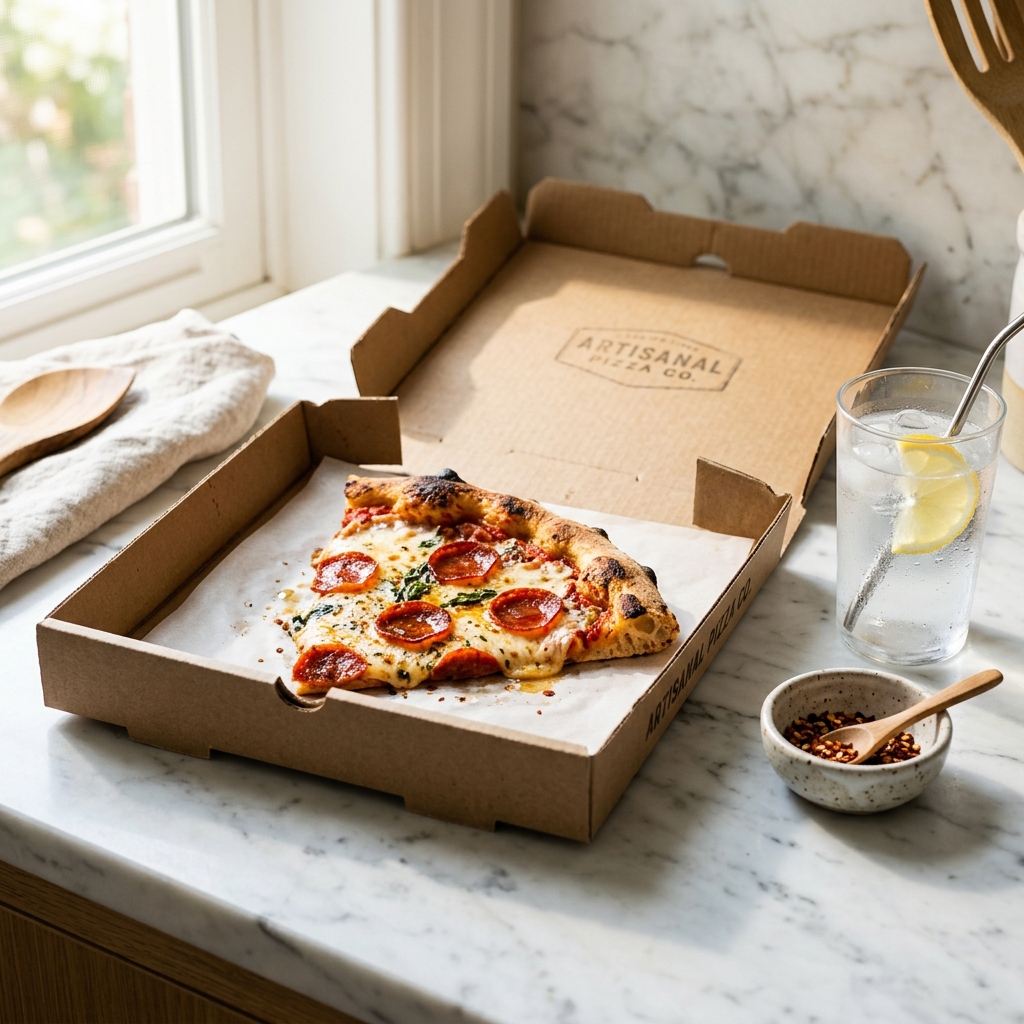
- Blue Cheeses (Gorgonzola, Roquefort): The blue "veins" are mold. These must be cooked into a sauce or on a pizza to be 100% safe.
- Queso Fresco: Traditional Mexican soft cheeses are frequently implicated in outbreaks because of how they are processed. Avoid these unless they are industrial-grade and pasteurized.
Refrigerator Hygiene: The 2-Week Clock
Even a safe, pasteurized tub of Philadelphia can become unsafe if it sits in your fridge for too long. Once you open the seal, you have introduced bacteria from the air and your utensils into the container.
The Rule of Thumb: Consume open cream cheese within 2 weeks. If you see any signs of pink or yellow discoloration, or a "yeasty" smell, throw it out immediately. Always use a clean knife to dip into the container - never "double-dip" with a knife that has touched your bread or fingers.
Restaurant Dining: The "Secret Soft Cheese" Ingredient
When you are at home, you have the container in front of you. But at a restaurant, soft cheeses are often hidden. From the goat cheese crumbles on a salad to the Brie tucked into a stuffed chicken breast, you must be proactive. Upscale farm-to-table restaurants often pride themselves on using artisanal, locally sourced cheeses. While this is great for foodies, it's a red flag for pregnancy because local farms are more likely to use raw milk.
The Pregnancy Hack: Always ask your server specifically if the cheese is pasteurized. Most modern chefs understand the risk and will be able to confirm. If they aren't sure, ask them to check the packaging in the kitchen. If the answer is still "I don't know," choose a hard cheese like Parmesan or Aged Cheddar instead.
3 Labels to Look for at the Grocery Store
- "Made with Pasteurized Milk": This is your green light.
- "Processed Cheese Product": While less "natural," these are incredibly safe due to the high-heat processing.
- "Keep Refrigerated": This is a reminder that the safety only lasts as long as the cold chain is maintained. Never eat cream cheese that has sat out on a buffet line for more than 2 hours.
Knowledge Check: Quiz
🧠 Scenario Quiz
Q: You are at a fancy brunch and there is a smoked salmon platter with a bowl of cream cheese. The cream cheese is in an unlabeled bowl. Is it safe to eat?
A: Most likely safe, as 99% of restaurant cream cheese is industrial/pasteurized. However, the Safe Move is to ask the server: "Is the cream cheese pasteurized?" If they aren't sure, it's better to skip it or wait until you get home to your own trusted brand.
The Final Verdict
Can you eat Philadelphia Cream Cheese? A resounding YES. It is one of the safest dairy products you can choose during pregnancy. Don't let the "Soft Cheese Scare" deprive you of your favorite breakfast. As long as the label says pasteurized and you are using a clean knife, your morning bagel is a perfectly healthy, safe, and protein-rich way to start your day.
Related Reading
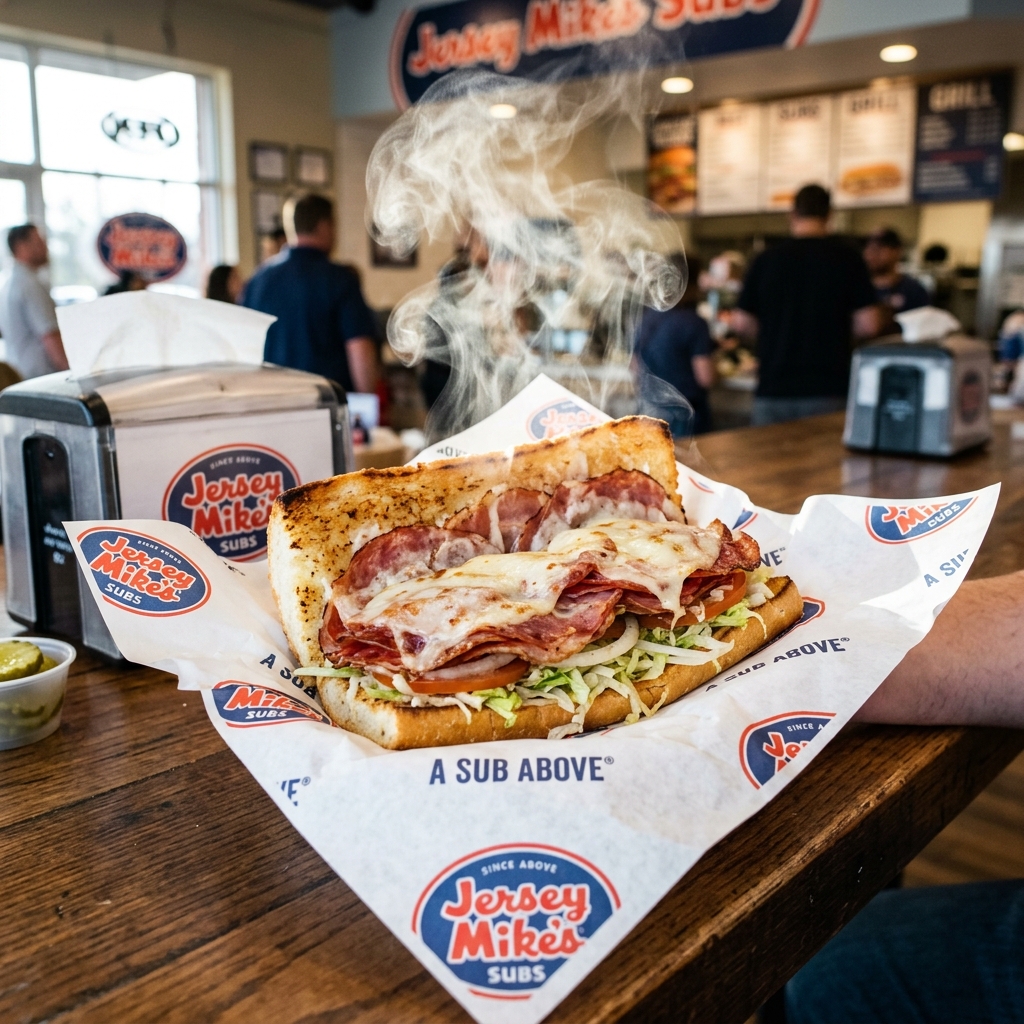
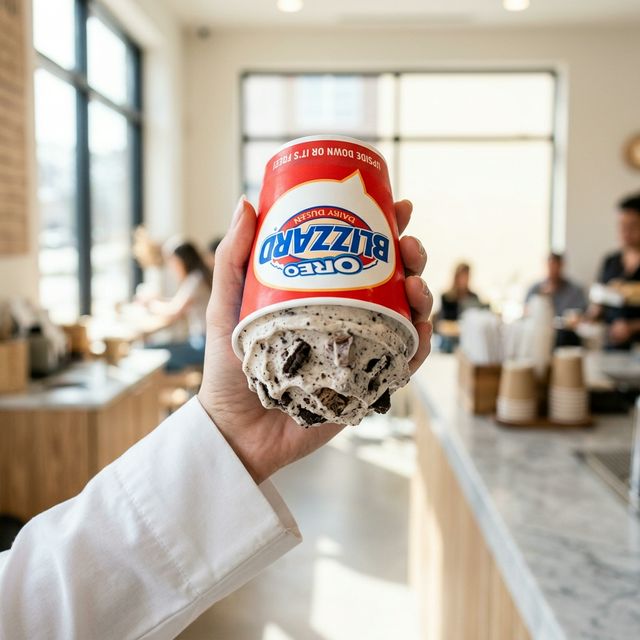
For more dairy safety, check out: The Comprehensive Leftover Guide, Sub Shop Safety, and our guide on Dairy Queen & Soft Serve Safety. For nutritional deep-dives, see our guide on Prenatal DHA Benefits.
Download the PregnancyPlate App to use our "Cheese Checker." Just scan the barcode of any cheese at the grocery store and get an instant Green/Yellow/Red safety rating based on its ingredients and pasteurization status.
Meet the Editorial Team
The researchers and experts behind PregnancyPlate.

Fiza Izra
Founder & Tech Researcher
A UK-based mother of 3 with a background in tech and data synthesis, Fiza brings real-world experience navigating hyperemesis gravidarum and postnatal depression. She engineers complex clinical guidelines (NHS, ACOG) into accessible tools, ensuring rigorous fact-checking with deep empathy.

Emma Davies
Senior Nutrition Editor
A mum and writer, Emma runs our food safety desk. She is the one who rings the restaurant to ask how long the lettuce sits out, checks every claim against CDC, FDA and NHS guidance, and rewrites the answer until it is usable at 9pm in a drive-thru queue.