Can I Eat Cold Pizza and Leftovers? The '24-Hour Rule' for Pregnancy Safety
Is yesterday's pizza safe to eat? We explain the science of reheating leftovers and why the PregnancyPlate '24-Hour Rule' is your best defense against foodborne illness.
In this article
Editorial note: This article is researched from official public health and pregnancy food safety guidance, then edited by the PregnancyPlate team for clarity. It is not medical advice. If you are worried about symptoms or a specific exposure, contact your midwife, GP or healthcare provider.
The Refrigerator Rumination: Yesterday’s Feast, Today’s Fear
There is a specific kind of internal debate that takes place in front of an open refrigerator at 11:30 PM. You are pregnant, you are tired, and you are starving. You see the cardboard box from last night’s pizza delivery or the glass container filled with Sunday’s roast chicken. Your stomach says "yes," but your brain flashes a warning light: "Is it safe to eat leftovers when you’re pregnant?"
The standard advice from the FDA and CDC is broad: "Reheat all leftovers to steaming hot (165°F) before eating." But does that mean cold pizza is out? And how long is a leftover actually "safe" once it crosses the threshold of your fridge? At PregnancyPlate, we’ve analyzed the science of bacterial growth and food storage to create a practical, evidence-based strategy for the modern mom-to-be.
The Science of the "Cold Storage" Risk
The primary reason for leftover anxiety during pregnancy is Listeria monocytogenes. Unlike most bacteria that cause food poisoning, Listeria is a "psychrotroph," meaning it doesn't just survive in cold temperatures - it can actually continue to grow in your refrigerator.
While your fridge slows down most pathogens, Listeria is a slow-and-steady climber. The longer a food sits in the fridge, the higher the "bacterial load" becomes. For a healthy adult, a small amount of Listeria might cause no symptoms at all. But because pregnancy naturally suppresses your immune system (to prevent your body from rejecting the baby), you are 10 times more likely to contract listeriosis than the general population.
Introducing the PregnancyPlate "24-Hour Rule"
The standard FDA guideline says that leftovers are safe in the refrigerator for 3 to 4 days. However, at PregnancyPlate, we advocate for a more conservative approach during your nine months: The 24-Hour Rule.
What is the 24-Hour Rule?
For high-risk leftovers (meats, poultry, seafood, and cooked vegetables), we recommend consuming them within 24 hours of the initial cooking time. Why? Because research shows that Listeria growth enters its exponential phase after about 48 hours of refrigeration. By finishing your leftovers within a single day, you are effectively cutting off the bacteria before it can reach a dangerous concentration.
If you haven't eaten that chicken pasta by the next morning, it’s not necessarily "spoiled," but for a pregnant diner, the risk-to-reward ratio begins to tilt. After 24 hours, the safest path is the trash can - or giving it to a non-pregnant partner! This tighter window is your primary defense against the silent, invisible climb of Listeria levels that happen in even the coldest refrigerators.
The Holiday Leftover Challenge: Thanksgiving and Beyond
The "24-Hour Rule" is relatively easy to follow on a standard Tuesday night. But what happens after a massive family feast like Thanksgiving or Christmas? You have a fridge full of turkey, stuffing, mashed potatoes, and gravy. It feels like a crime to throw it all out after just one day.
In these high-volume scenarios, the "Rapid Cooling" strategy is your best friend. Bacteria love the "Danger Zone" (between 40°F and 140°F). If you leave a giant turkey carcass on the counter for three hours while people pick at it, the bacteria has already won. To keep holiday leftovers safe:
- Deconstruct the Bird: Don't put the whole turkey in the fridge. Carve the meat off the bone and store it in shallow containers (no more than 2 inches deep). This allows the cold air to penetrate the center of the meat quickly.
- The Ice Bath Hack: For large pots of soup or gravy, place the pot in a sink filled with ice water for 20 minutes before moving it to the fridge. This "shocks" the temperature down and bypasses the Danger Zone.
- Freeze the Excess: If you know you won't eat three pounds of turkey in 24 hours, freeze it immediately. Frozen foods are a absolute pause button for bacterial growth.
The Reheating Protocol: 165°F Or Bust
If you are eating leftovers, the most important word in your vocabulary is "Steaming." Not "warm," not "lukewarm," but steaming.
The Microwave Trap
Microwaves are convenient, but they are notorious for "cold spots." If you reheat a container of soup, the edges might be boiling while the center is still cold - right where the bacteria could be hiding. To safely reheat in a microwave:
- Stir frequently: Stop the timer every 60 seconds and stir the food thoroughly.
- Cover it: Use a microwave-safe lid or a damp paper towel to trap steam, which helps heat the food more evenly.
- The 2-Minute Rest: After the timer goes off, let the food sit for 2 minutes. This "standing time" allows the heat to continue moving through the dish, eliminating cold spots.
🌡️ Pro-Tip: The Digital Probe
Don't guess. Invest in a $15 digital food thermometer. Stick it into the thickest part of your leftovers. If it reads 165°F (74°C) or higher, the bacteria is dead. Period. It is the single best tool for peace of mind in the kitchen.
The Container Rule: Glass Over Plastic
When reheating leftovers, the container is just as important as the temperature. Avoid reheating food in the original takeout container (Styrofoam or plastic). When heated, these materials can leach chemicals like BPA and Phthalates into your food. These endocrine disruptors are scientifically linked to developmental issues in newborns. The Pregnancy Strategy: Always transfer your leftovers to a glass or ceramic dish before putting them in the microwave or oven. This is a non-negotiable step for long-term safety.
The Pizza Exception: Why Cold Pizza is (Mostly) Safer
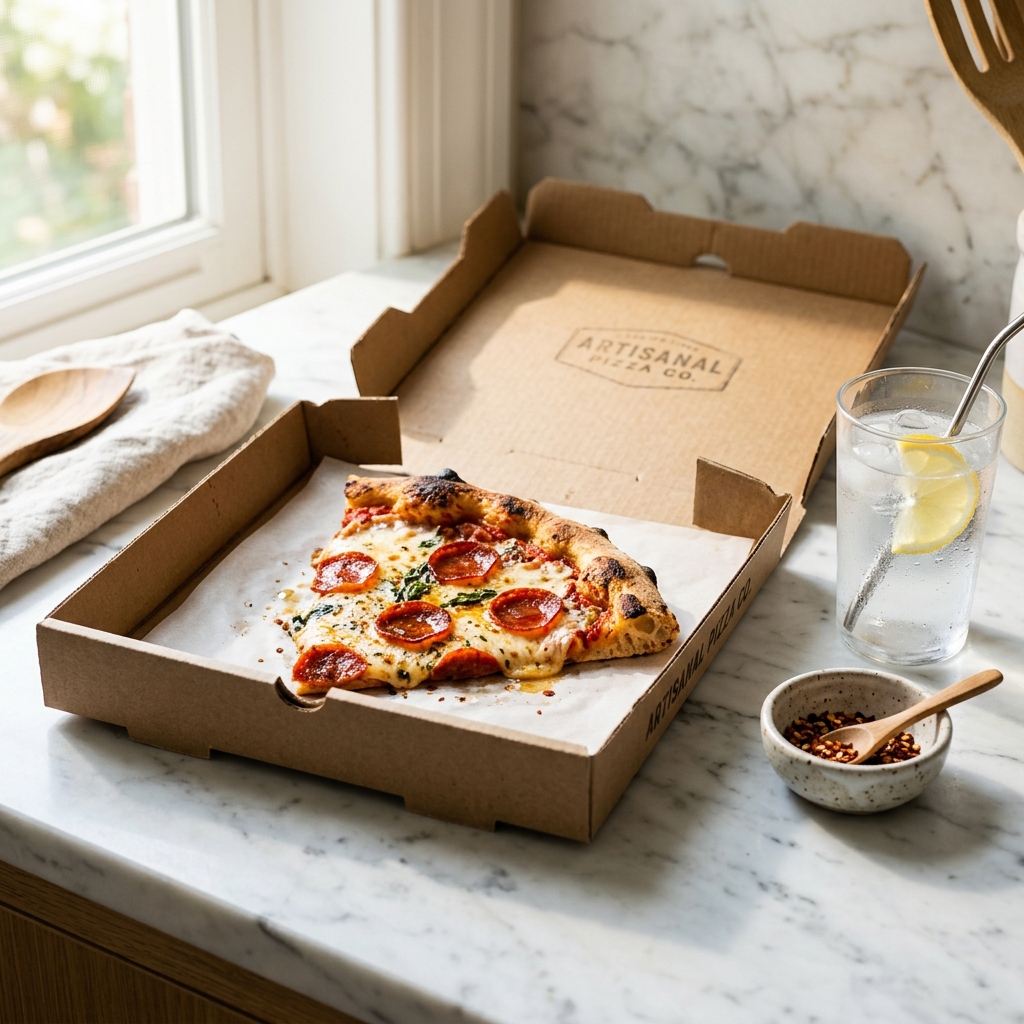
Now, let's address the question everyone is waiting for: "Can I eat a slice of cold pizza from the box?"
Interestingly, pizza is often safer than other leftovers for a few reasons. First, the high-heat baking process at the pizzeria (often exceeding 500°F) is a absolute "kill step" for bacteria. Second, the low moisture content and high acidity of the tomato sauce, combined with the salty cheese, create a less-hospitable environment for Listeria than, say, a moist chicken casserole.
The Pizza Protocol
- The "In the Fridge" Rule: Never eat pizza that has sat out on the counter overnight. It must go into the fridge within 2 hours of delivery.
- The "Dry Topping" Factor: Veggie pizza and plain cheese pizza are lower risk. If your pizza has processed meats like pepperoni, ham, or sausage, you should reheat it until the cheese is bubbling and the meat is sizzling.
✅ Pizza Verdict
Safe, IF: It was refrigerated within 2 hours, is less than 24 hours old, and is reheated until bubbling. Cold slices are low risk if plain cheese/veggie, but reheating is always the "Gold Standard."
The High-Risk Leftover List: Handle with Extreme Care
Not all leftovers are created equal. Some foods are like a five-star hotel for Listeria and other bacteria. Exercise extreme caution with these:
Cooked Rice (Bacillus Cereus)
Rice carries a unique risk: Bacillus cereus. These spores survive the boiling process and can produce toxins if the rice is cooled too slowly or kept too long. Pregnancy Advice: Always eat rice immediately after cooking. If you have leftovers, cool them rapidly (spread them out on a baking sheet) and eat them within 24 hours, reheating until piping hot.
Poultry and Seafood
Chicken, turkey, and fish have high moisture and protein levels - the perfect fuel for Listeria. These should always be your most strictly followed subjects under the 24-Hour Rule.
Refrigerator Hygiene: The "40°F Threshold"
Your fridge is your first line of defense, but only if it's working correctly. Listeria growth accelerates rapidly once the temperature rises above 40°F (4.4°C).
- Check the Temp: Get a secondary fridge thermometer to ensure your appliance is actually holding a safe temperature.
- Don't Overcrowd: Air needs to circulate to keep everything cold. If your fridge is packed to the gills, "warm pockets" can form.
- The "2-Hour Window": From the moment the food is served, you have a 2-hour window to get it into the fridge. If it’s been sitting on the table during a long dinner party for 3 hours, it is no longer safe for a pregnant woman to eat as leftovers.
The 3 Questions to Ask Before You Open the Container
Before you take that first bite, perform this "Safety Scrutiny":
- When was this made? If you can't remember if it was Sunday or Monday, throw it out.
- How was it cooled? Did it sit on the counter for 4 hours before going into the fridge? If so, the "bacterial clock" was running fast.
- Is it an "Open" dish? Containers that aren't air-tight are more prone to cross-contamination from other items in the fridge (like raw meat drippings).
Knowledge Check: Quiz
🧠 Scenario Quiz
Q: You made a healthy salmon and broccoli dinner 36 hours ago. It was refrigerated immediately in a glass container. You reheat it in the microwave until it is warm to the touch. Is it safe?
A: No! First, it has passed the 24-hour window for high-risk seafood. Second, "warm to the touch" is not 165°F. For salmon leftovers, you should stick to the 24-hour window and ensure it is steaming in the center.
The Final Verdict
Can you eat leftovers? YES. Leftovers are a vital part of staying sane while managing the exhaustion of pregnancy. But you must be the "Hygiene Officer" of your own kitchen. By sticking to the 24-Hour Rule, investing in a food thermometer, and ensuring every bite is steaming hot, you can enjoy yesterday’s meal with today’s peace of mind.
Related Reading
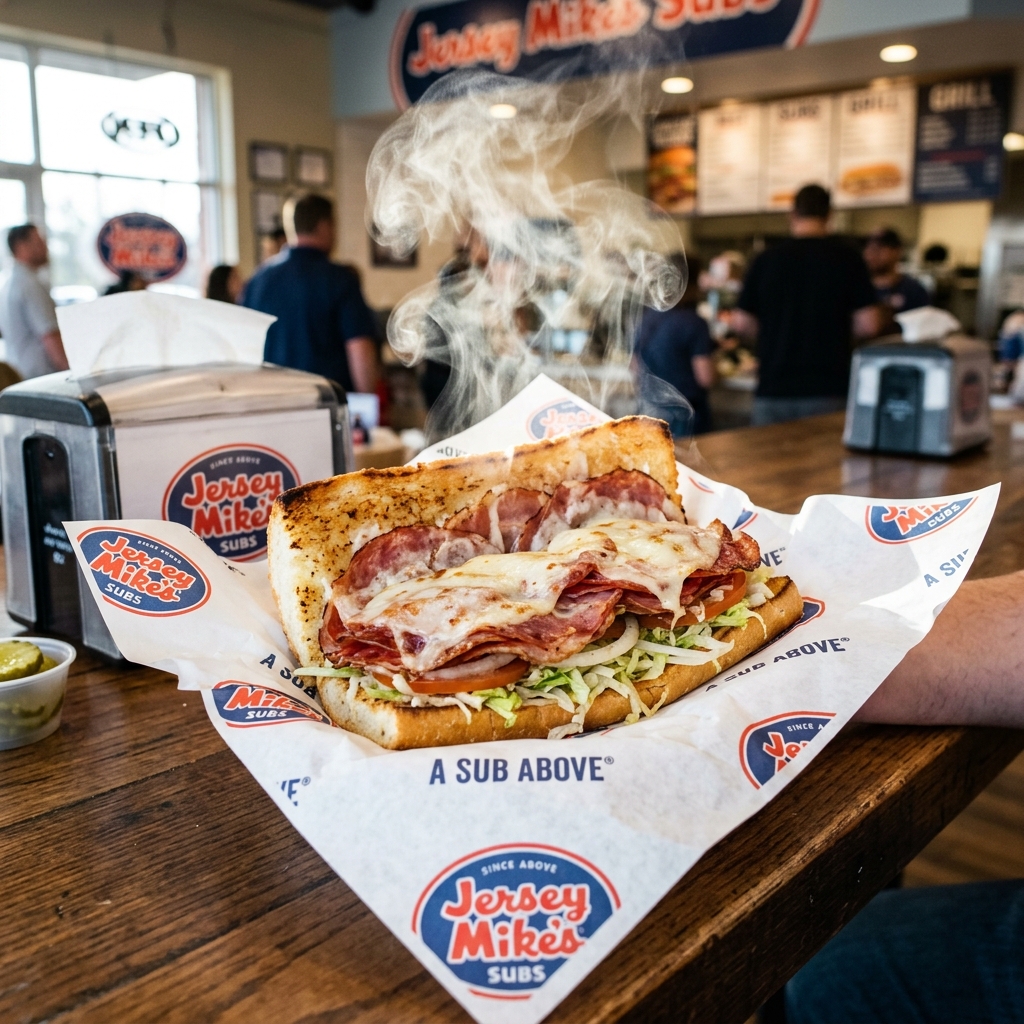
For more kitchen safety, check out: The Comprehensive Leftover Guide, Sub Shop Safety, and our guide on Sushi Condiment Safety. For nutrition advice, see The Second Trimester Superfoods.
Download the PregnancyPlate App for a built-in "Leftover Timer." Just log your meal when you cook it, and the app will alert you when it’s nearing the end of its 24-hour "safe zone."
Meet the Editorial Team
The researchers and experts behind PregnancyPlate.

Fiza Izra
Founder & Tech Researcher
A UK-based mother of 3 with a background in tech and data synthesis, Fiza brings real-world experience navigating hyperemesis gravidarum and postnatal depression. She engineers complex clinical guidelines (NHS, ACOG) into accessible tools, ensuring rigorous fact-checking with deep empathy.

Emma Davies
Senior Nutrition Editor
A mum and writer, Emma runs our food safety desk. She is the one who rings the restaurant to ask how long the lettuce sits out, checks every claim against CDC, FDA and NHS guidance, and rewrites the answer until it is usable at 9pm in a drive-thru queue.