Wasabi, Eel Sauce, and Tobiko: The Hidden Sushi Ingredients You Forgot to Check
You checked the fish - but did you check the condiments? We break down the safety of wasabi, eel sauce, tobiko, masago, soy sauce, and pickled ginger for pregnant sushi lovers.
In this article
Editorial note: This article is researched from official public health and pregnancy food safety guidance, then edited by the PregnancyPlate team for clarity. It is not medical advice. If you are worried about symptoms or a specific exposure, contact your midwife, GP or healthcare provider.
You Checked the Fish. But Did You Check Everything Else?
If you are pregnant and craving sushi, you have almost certainly Googled "can I eat sushi while pregnant?" You know the rules: avoid raw fish, stick to cooked rolls like California or shrimp tempura, and be cautious with high-mercury species. But here is the problem: nobody talks about the other stuff on the plate.
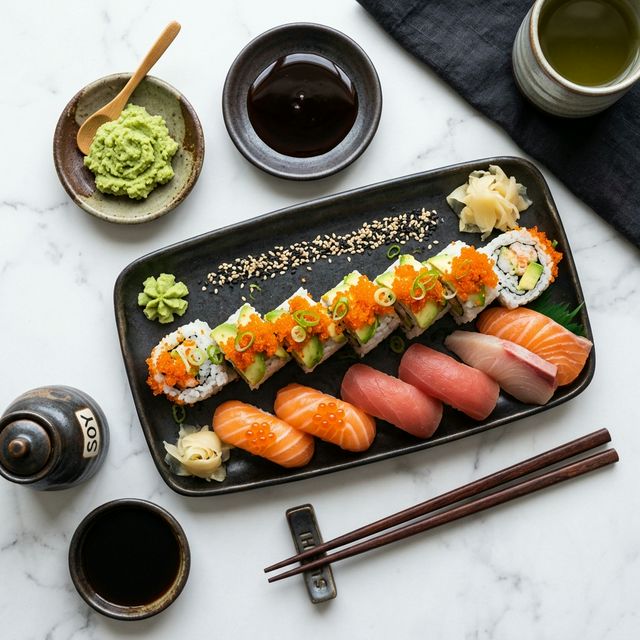
That bright green mound of wasabi. The glossy, sweet drizzle of eel sauce. The tiny, crunchy orange pearls of tobiko scattered on top. The dark pool of soy sauce. Even the innocent-looking pink slices of pickled ginger. These are the ingredients that every pregnancy food guide ignores, and they are the ones causing the most anxiety for sushi-loving moms-to-be. Today, we are giving each of them their own safety report card.
Wasabi: The Green Fire
What Is It Really?
Here is the first surprise: the "wasabi" you get at most sushi restaurants in the West is not real wasabi. Real wasabi (Wasabia japonica) is an extremely expensive root that loses its flavor within 15 minutes of being grated. What you are actually eating is a paste made from horseradish, mustard powder, and green food coloring. Even in Japan, real wasabi is a luxury item served only at high-end omakase counters.
Is It Safe During Pregnancy?
Yes, wasabi - whether real or the horseradish imitation - is safe during pregnancy in normal culinary amounts. There is no evidence that the compounds in wasabi (allyl isothiocyanate) pose any risk to fetal development at the small quantities used as a condiment. In fact, wasabi has mild antimicrobial properties, which is one reason it has been paired with raw fish for centuries in Japanese cuisine.
The only caveat: If you are experiencing pregnancy heartburn or acid reflux (which affects up to 80% of pregnant women in the third trimester), wasabi can absolutely make it worse. The spicy, sinus-clearing heat can trigger a reflux episode. If heartburn is your enemy, skip the wasabi and use a small amount of low-sodium soy sauce instead.
✅ Wasabi Verdict
Safe. Use in moderation. Skip if you have heartburn or GERD. The "wasabi" at most restaurants is actually horseradish paste, which is also safe.
Eel Sauce (Unagi Sauce): The Sweet Drizzle
What Is It?
Eel sauce - also called "unagi sauce" or "nitsume" - is a thick, sweet, glossy sauce drizzled on top of eel rolls, dragon rolls, and sometimes shrimp tempura rolls. Despite the name, eel sauce does not contain eel. It is a reduction of soy sauce, mirin (rice wine), and sugar, cooked down until it becomes a thick, caramel-like glaze. Think of it as a Japanese teriyaki-style reduction.
Is It Safe During Pregnancy?
Yes, eel sauce is completely safe during pregnancy. Because it is cooked (reduced at high heat), there is no risk of bacterial contamination. It contains no raw ingredients, no eggs, and no unpasteurized dairy. The only nutritional concern is that it is high in sugar and sodium. A single tablespoon of eel sauce can contain around 300-400mg of sodium, which is roughly 15-20% of the recommended daily intake for pregnant women.
Pro-Tip: If you are watching your sodium (especially important if you have swelling or are at risk for preeclampsia), ask for the eel sauce on the side and use a light drizzle rather than the generous pour that most sushi chefs apply. A little goes a long way in terms of flavor.
✅ Eel Sauce Verdict
Safe. It's cooked, contains no eel, and is essentially a soy-sugar glaze. Watch the sodium if you have swelling or blood pressure concerns.
Tobiko and Masago: The Crunchy Fish Eggs
What Are They?
These are the tiny, colorful, crunchy eggs you see on top of sushi rolls. Tobiko comes from flying fish and has a naturally bright orange color. Masago comes from capelin (a small Arctic fish) and is slightly smaller and less crunchy. You will also see them dyed in various colors: black (squid ink), green (wasabi-infused), and red (chili). They are often used interchangeably by sushi restaurants, with masago being the cheaper option.
Is It Safe During Pregnancy?
This is where it gets nuanced. Tobiko and masago are technically raw fish roe. They are cured in salt (and sometimes briefly pasteurized), but they are not "cooked" in the traditional sense. The safety concern here is twofold:
- Listeria: Raw or lightly cured fish products carry a small risk of Listeria contamination. However, the salt-curing process significantly reduces this risk. Tobiko and masago are far less risky than, say, a piece of raw salmon sashimi.
- Mercury: Flying fish and capelin are both very small, short-lived species at the bottom of the food chain. Their mercury content is negligible - well below the levels found in tuna, swordfish, or mackerel.
The Bottom Line: Most OB-GYNs consider tobiko and masago to be a low-risk food during pregnancy, especially in the small quantities used as a sushi topping (a few grams per roll). If you want to be extra cautious, you can ask for your roll without roe. But if a few orange pearls end up on your California roll, there is no reason to panic.
⚠️ Tobiko/Masago Verdict
Low risk. Salt-cured, not truly raw. Very low mercury. Safe in the small amounts used as a topping. Skip if you want to be 100% cautious, but don't panic if you eat it.
Soy Sauce: The Sodium Bomb
Is It Safe?
Yes, soy sauce is safe during pregnancy. It is a fermented, shelf-stable product with no risk of bacterial contamination. However, the real issue is sodium. A single tablespoon of regular soy sauce contains approximately 900mg of sodium - nearly 40% of the recommended daily intake for pregnant women (2,300mg max, with many OBs recommending closer to 1,500mg if you have swelling).
The Smart Strategy
- Always ask for low-sodium soy sauce. Most sushi restaurants have it. It contains about 40% less sodium than the regular version.
- Dip, don't pour. Lightly dip the fish side of your nigiri into the soy sauce (not the rice side, which acts like a sponge and absorbs far more liquid).
- Use ponzu instead. Ponzu is a citrus-based soy sauce that is naturally lower in sodium and has a brighter, fresher flavor. Many sushi restaurants offer it if you ask.
✅ Soy Sauce Verdict
Safe, but watch the sodium. Switch to low-sodium or ponzu. Dip lightly - never pour.
Pickled Ginger (Gari): The Palate Cleanser
What Is It?
Pickled ginger - the thin, pink slices served alongside your sushi - is young ginger root that has been marinated in a mixture of sugar and rice vinegar. It is meant to be eaten between different pieces of sushi to cleanse the palate, not piled on top of a roll (though no judgment if you do).
Is It Safe During Pregnancy?
Pickled ginger is not only safe - it might be your best friend during the first trimester. Ginger is one of the most well-researched natural remedies for pregnancy nausea. The American College of Obstetricians and Gynecologists (ACOG) recommends ginger as a first-line treatment for morning sickness. The pickling process (vinegar bath) also acts as a natural preservative, making it very low risk from a food safety perspective.
Fun Fact: The pink color of pickled ginger is natural. Young ginger reacts with the rice vinegar to produce a gentle pink hue. However, some cheaper brands use artificial red dye (Red #40) to enhance the color. If you are trying to minimize artificial additives during pregnancy, look for "naturally colored" gari or ask the sushi restaurant if theirs is natural.
✅ Pickled Ginger Verdict
Safe and beneficial. May help with nausea. The vinegar makes it naturally preserved. Opt for naturally colored versions if possible.
Spicy Mayo and Cream Cheese: The Western Add-Ons
These are not traditional Japanese condiments, but they are extremely common in Western-style sushi restaurants. Spicy mayo is a mix of mayonnaise and sriracha (or similar chili sauce). Cream cheese is found in rolls like the "Philadelphia Roll."
Both are safe during pregnancy in the United States, as commercial mayonnaise is made with pasteurized eggs, and cream cheese sold in the U.S. is also pasteurized. We have covered this in detail in our guides on mayonnaise safety and cream cheese safety.
The Complete Sushi Condiment Cheat Sheet
🍣 Quick Reference Guide
| Ingredient | Safe? | Notes |
|---|---|---|
| Wasabi | ✅ | Skip if you have heartburn |
| Eel Sauce | ✅ | Cooked. Watch sodium |
| Tobiko/Masago | ⚠️ | Low risk. Salt-cured, not raw |
| Soy Sauce | ✅ | Use low-sodium version |
| Pickled Ginger | ✅ | Helps nausea! Eat freely |
| Spicy Mayo | ✅ | Pasteurized in the U.S. |
| Cream Cheese | ✅ | Pasteurized in the U.S. |
The Final Word: Don't Let the Side Dishes Steal Your Joy
Here is the truth that no one tells you: the condiments on a sushi plate are, overwhelmingly, the safest part of the meal. The real risks in sushi come from raw fish (parasites, bacteria) and high-mercury species. The wasabi, the eel sauce, the pickled ginger - these are cooked, cured, or preserved products that pose virtually no threat to you or your baby.
Bonus: What About Mentaiko and Ikura?
Two other roe products show up frequently in sushi restaurants and deserve a mention. Mentaiko (spicy marinated pollock or cod roe) is a staple in Japanese cuisine, often served on rice or inside onigiri. In its raw form, mentaiko carries the same Listeria concerns as any uncooked fish product. However, many Japanese restaurants serve grilled mentaiko (yaki-mentaiko), which is thoroughly cooked and safe for pregnancy. If you are craving it, always ask for the grilled version.
Ikura (salmon roe - the large, glossy orange eggs) is a different story. Unlike the tiny tobiko, ikura is typically served raw and not salt-cured to the same degree. It is also a higher-risk product because salmon is more prone to parasitic contamination (specifically, anisakis). For this reason, most OB-GYNs recommend avoiding raw ikura during pregnancy. If, however, the ikura has been flash-frozen to FDA parasite-destruction standards (which most commercial suppliers do), the risk drops significantly. Ask the restaurant about their sourcing if you are unsure.
The fact that you are reading this article means you are an informed, careful parent. That is a wonderful thing. But information should empower you, not paralyze you. So the next time you sit down at a sushi restaurant and eye that beautiful dragon roll with its glistening eel sauce and vibrant tobiko topping, you can make your choice with confidence - not fear. Knowledge is power, and now you have more of it than 99% of the diners sitting around you.
Enjoy the meal. You deserve it.
Related Reading
For more sushi safety guides, check out: Can Pregnant Women Eat Sushi?, California Rolls & Tempura Safety, and The Japan Secret: Do Japanese Mothers Eat Sushi?. For restaurant guides, see our Chipotle Deep-Dive and Subway Deep-Dive.
Download the PregnancyPlate App for instant safety checks on over 500 foods, condiments, and restaurant menu items. Just type in the ingredient and get a clear, evidence-based answer in seconds.
Meet the Editorial Team
The researchers and experts behind PregnancyPlate.

Fiza Izra
Founder & Tech Researcher
A UK-based mother of 3 with a background in tech and data synthesis, Fiza brings real-world experience navigating hyperemesis gravidarum and postnatal depression. She engineers complex clinical guidelines (NHS, ACOG) into accessible tools, ensuring rigorous fact-checking with deep empathy.

Emma Davies
Senior Nutrition Editor
A mum and writer, Emma runs our food safety desk. She is the one who rings the restaurant to ask how long the lettuce sits out, checks every claim against CDC, FDA and NHS guidance, and rewrites the answer until it is usable at 9pm in a drive-thru queue.