Is Cheesecake Safe During Pregnancy? (Baked vs. Unbaked Explained)
The complete guide to enjoying cheesecake while pregnant - which types are safe, which to avoid, and how to satisfy your dessert cravings without worry.
In this article
Editorial note: This article is researched from official public health and pregnancy food safety guidance, then edited by the PregnancyPlate team for clarity. It is not medical advice. If you are worried about symptoms or a specific exposure, contact your midwife, GP or healthcare provider.
Pregnancy cravings are no joke. And when that craving hits for a rich, creamy slice of cheesecake, the last thing you want is to spend twenty minutes googling whether you're allowed to eat it. The good news? In many cases, you absolutely can enjoy cheesecake during pregnancy. The key is understanding which types are safe and which require a bit more caution.
Let's cut through the confusion and give you the clear, practical guidance you need to enjoy your dessert in peace.
The Short Answer
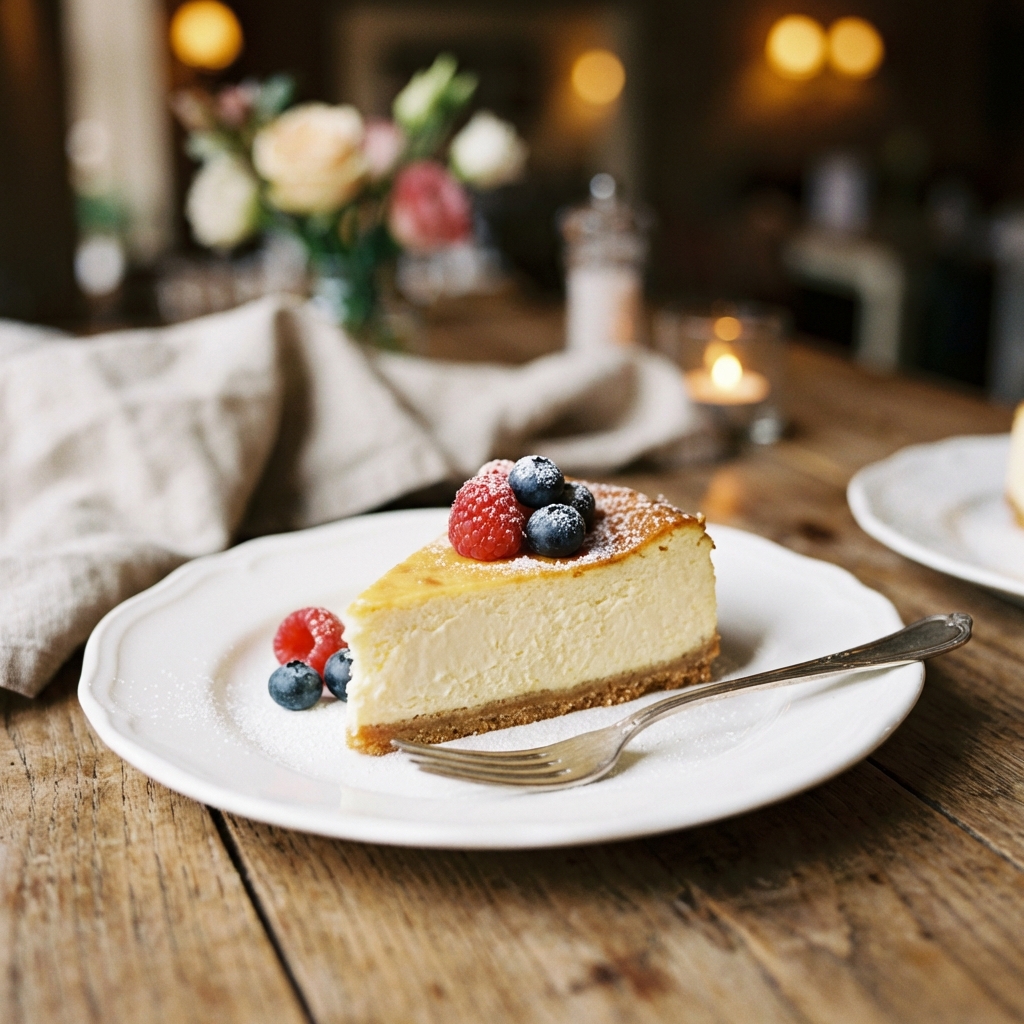
Baked cheesecake is generally safe to eat during pregnancy. The eggs are cooked thoroughly during baking, and the cream cheese is typically pasteurised. Most shop-bought and restaurant cheesecakes fall into this category.
Unbaked (no-bake) cheesecake requires more caution. Some recipes contain raw eggs or unpasteurised dairy, which pose risks during pregnancy. However, many commercial no-bake cheesecakes use pasteurised ingredients and are perfectly safe.
Why Is There Concern About Cheesecake During Pregnancy?
The concerns about cheesecake come from two potential ingredients:
Raw or Undercooked Eggs
Traditional cheesecake recipes often include eggs, and some no-bake versions use raw eggs to create that creamy, mousse-like texture. Raw eggs carry a risk of Salmonella infection, which can cause severe vomiting and diarrhea, fever, and in rare cases, complications affecting the pregnancy.
During pregnancy, your immune system is slightly suppressed, making you more susceptible to foodborne illnesses. While Salmonella doesn't directly cross the placenta, the severe dehydration and illness it causes can potentially affect your baby.
Unpasteurised Dairy
Cream cheese is the star ingredient in cheesecake, and some artisanal or homemade versions might use unpasteurised cream cheese or soft cheese. Unpasteurised dairy can harbour Listeria monocytogenes, a bacteria that can cross the placenta, may cause miscarriage, stillbirth, or premature labour, and is particularly dangerous during pregnancy.
The good news is that most commercial cream cheese in the UK and US is made from pasteurised milk. But it's worth checking, especially with specialty or imported products.
Baked Cheesecake: Generally Safe
Traditional baked cheesecake - the kind with a golden top and firm, creamy interior - is cooked in the oven at temperatures that kill harmful bacteria. Here's why it's typically safe:
The Eggs Are Cooked
When cheesecake is baked at 160°C (325°F) or higher for 45-60 minutes, the internal temperature reaches levels that kill Salmonella and other pathogens. The eggs are no longer "raw" - they're fully cooked and safe.
Commercial Cream Cheese Is Pasteurised
Philadelphia, supermarket own-brand cream cheese, and virtually all commercial cream cheese sold in major UK and US supermarkets is made from pasteurised milk. This eliminates the Listeria concern for most baked cheesecakes.
Restaurant and Shop-Bought Options
Most cheesecakes from restaurants, bakeries, and supermarkets are baked and made with pasteurised ingredients. These are generally safe for pregnant women to enjoy.
Examples of typically safe baked cheesecakes:
- New York-style cheesecake
- Italian ricotta cheesecake
- Japanese cotton cheesecake
- Basque burnt cheesecake
- Most supermarket cheesecakes
- Restaurant cheesecakes
Unbaked (No-Bake) Cheesecake: Approach with Care
No-bake cheesecakes set in the fridge rather than being cooked in the oven. This is where things get a bit more complicated.
The Concern: Raw Eggs
Some traditional no-bake cheesecake recipes call for raw eggs to create a light, fluffy texture. If raw eggs are included and not from a pasteurised source, there's a Salmonella risk.
However, many modern no-bake cheesecake recipes don't include eggs at all - they rely on cream cheese, cream, sugar, and sometimes gelatine to set. These are often perfectly safe.
How to Know If a No-Bake Cheesecake Is Safe
Ask these questions:
- Does it contain raw eggs? If yes, were the eggs pasteurised?
- Is the cream cheese pasteurised? (Almost always yes for commercial products)
- Are there any other unpasteurised dairy ingredients?
Generally Safe No-Bake Options
- Commercial/supermarket no-bake cheesecakes (usually no raw eggs)
- Recipes using only pasteurised cream cheese, cream, and sugar
- Recipes using pasteurised eggs or no eggs
Approach with Caution
- Homemade cheesecakes where you don't know the recipe
- Traditional recipes that call for raw eggs
- Artisanal cheesecakes with specialty cheeses
Specific Types of Cheesecake: A Quick Guide
New York Cheesecake ✓ Usually Safe
Classic New York cheesecake is baked and made with pasteurised cream cheese. It's typically safe during pregnancy, whether from a bakery, restaurant, or supermarket.
Japanese Cheesecake ✓ Usually Safe
Japanese cotton cheesecake (also called soufflé cheesecake) is baked in a water bath. The eggs are fully cooked, making it generally safe for pregnant women.
Basque Burnt Cheesecake ✓ Usually Safe
This increasingly popular style is baked at very high temperatures, thoroughly cooking the eggs. The "burnt" exterior means it's been well-cooked throughout.
No-Bake Cheesecake ⚠️ Check First
Commercial versions are usually safe (no raw eggs), but always check homemade versions for raw egg content.
Tiramisu ✗ Usually Avoid
While not technically cheesecake, tiramisu contains raw eggs and mascarpone. Traditional recipes are not pregnancy-safe unless made with pasteurised eggs.
How to Enjoy Cheesecake Safely During Pregnancy
At Home
If you're making cheesecake at home, you have complete control over ingredients:
For baked cheesecake:
- Use pasteurised cream cheese (check the label)
- Use regular eggs - they'll be fully cooked during baking
- Bake until the centre is set (slight wobble is fine - it continues cooking as it cools)
For no-bake cheesecake:
- Choose recipes that don't require raw eggs
- Or use pasteurised eggs (available at many supermarkets)
- Use pasteurised cream cheese and cream
At Restaurants and Bakeries
Most commercially prepared cheesecakes are safe, but if you want to be certain:
- Ask: "Is this baked?" or "Does this contain raw eggs?"
- Choose baked options over mousse-style or no-bake versions if uncertain
- Major chains and supermarkets typically use pasteurised ingredients
The Nutritional Side: Is Cheesecake a Good Choice?
Let's be honest - cheesecake isn't health food. It's high in calories, saturated fat, and sugar. But pregnancy isn't about eating perfectly all the time. It's about balance, and the occasional slice of cheesecake is absolutely fine.
What You Do Get
- Calcium: Cream cheese provides some calcium for baby's bone development
- Protein: Eggs and dairy contribute protein
- Joy: Seriously, satisfying a craving matters for mental wellbeing
Common Questions About Cheesecake and Pregnancy
Can I eat cheesecake from the supermarket?
Yes! Supermarket cheesecakes are made with pasteurised ingredients and, if baked, have fully cooked eggs. They're safe during pregnancy.
Is Philadelphia cream cheese safe during pregnancy?
Yes! Philadelphia and similar commercial cream cheeses are made from pasteurised milk and are perfectly safe.
Can I eat cheesecake every day?
While occasional cheesecake is fine, eating it every day isn't ideal due to the high sugar and fat content. Enjoy it as a treat rather than a staple.
What if I accidentally ate no-bake cheesecake with raw eggs?
Don't panic. The risk of Salmonella from any single exposure is relatively low, and most cases don't cause serious problems. Watch for symptoms like vomiting, diarrhea, or fever, and contact your healthcare provider if you're concerned.
The Bottom Line
Cheesecake can absolutely be part of your pregnancy diet. The key points to remember:
✓ Baked cheesecake is generally safe during pregnancy
✓ No-bake cheesecake is safe if it doesn't contain raw eggs
✓ Commercial cream cheese is almost always pasteurised
✓ Most supermarket and restaurant cheesecakes are pregnancy-safe
✓ When unsure, ask about ingredients
✓ Enjoy as an occasional treat in a balanced diet
Related Reading
See also: Is Honey Safe During Pregnancy?, Can I Drink Kombucha While Pregnant?, and Is Mayonnaise Safe During Pregnancy?.
Download PregnancyPlate to track your nutrition and satisfy your cravings with confidence.
Meet the Editorial Team
The researchers and experts behind PregnancyPlate.

Fiza Izra
Founder & Tech Researcher
A UK-based mother of 3 with a background in tech and data synthesis, Fiza brings real-world experience navigating hyperemesis gravidarum and postnatal depression. She engineers complex clinical guidelines (NHS, ACOG) into accessible tools, ensuring rigorous fact-checking with deep empathy.

Emma Davies
Senior Nutrition Editor
A mum and writer, Emma runs our food safety desk. She is the one who rings the restaurant to ask how long the lettuce sits out, checks every claim against CDC, FDA and NHS guidance, and rewrites the answer until it is usable at 9pm in a drive-thru queue.