Can Pregnant Women Eat Honey? Botulism Myths & Safe Amounts
Is honey safe for your baby, or does it carry botulism? We bust the biggest myths about eating raw and pasteurized honey during pregnancy and what to avoid.
In this article
Editorial note: This article is researched from official public health and pregnancy food safety guidance, then edited by the PregnancyPlate team for clarity. It is not medical advice. If you are worried about symptoms or a specific exposure, contact your midwife, GP or healthcare provider.
If you've been pregnant for more than five minutes, you've probably encountered a lengthy list of foods to avoid. Some are obvious (hello, raw sushi and unpasteurised cheese), but others catch people off guard. And then there's honey - a food that sits in a confusing grey area that leaves many pregnant women unsure what to do.
You might have heard that honey is dangerous for babies, and quite rightly wondered: if it's not safe for my baby after they're born, is it safe for them while they're still inside me? It's a logical question, and one that deserves a clear, evidence-based answer.
The short version? Yes, honey is safe to eat during pregnancy. But the full story is more nuanced and worth understanding, especially if you're the type who likes to know the why behind the advice.
Let's break it all down - the real risks, the myths, the types of honey that are best, and how to enjoy this natural sweetener without worry.
The Confusion: Why Do People Think Honey Is Unsafe?
The concern about honey comes from its association with infant botulism - a rare but serious illness that can affect babies under 12 months old. This is why you'll see clear warnings on honey jars advising against giving honey to infants.
What Is Infant Botulism?
Infant botulism is caused by Clostridium botulinum spores, which can sometimes be found in honey (as well as in soil and dust). When a baby under one year old ingests these spores, the spores can germinate in their immature digestive system and produce a toxin that causes muscle weakness and other serious symptoms.
This is a genuine risk for babies - but here's the crucial difference: it's not a risk for pregnant women or their unborn babies.
Why Honey Is Safe During Pregnancy
The reason honey is safe for you during pregnancy comes down to the significant differences between an adult's digestive system and a baby's:
Your Mature Gut Protects You
Your adult digestive system has well-established gut flora and stomach acid environments that prevent Clostridium botulinum spores from germinating. When you eat honey, any spores present are destroyed by your body's natural defences before they can cause any harm.
The toxin that causes botulism is a large molecule that cannot cross the placenta. This means even if your body did encounter the spores (which it can handle easily), the botulism toxin itself cannot reach your baby.
The Evidence Is Clear
Medical organisations worldwide, including the NHS, the American Pregnancy Association, and the Royal College of Obstetricians and Gynaecologists, all confirm that honey is safe to consume during pregnancy. There are no documented cases of maternal honey consumption causing harm to an unborn baby.
In fact, honey has been used traditionally throughout pregnancy across many cultures for centuries, both as a food and as a remedy for various ailments.
The Real Nutritional Benefits of Honey During Pregnancy
Not only is honey safe - it actually offers some genuine benefits during pregnancy:
Natural Energy Source
Honey is composed primarily of natural sugars (fructose and glucose), which provide quick, easily digestible energy. During pregnancy, when fatigue can be overwhelming, a spoonful of honey in your tea or drizzled on yoghurt can provide a gentle energy lift without the crash associated with refined sugars.
Antioxidant Properties
Honey, particularly darker varieties like buckwheat or manuka, contains antioxidants including flavonoids and phenolic acids. These compounds help protect your cells from oxidative stress, which is important during the significant physiological changes of pregnancy.
Antimicrobial Benefits
Honey has natural antimicrobial properties, which is why it has been used traditionally to treat wounds and sore throats. During pregnancy, when you're trying to avoid unnecessary medications, a warm drink with honey can soothe a scratchy throat naturally.
Soothing for Digestive Issues
For some women, honey can help with digestive discomfort. Its prebiotic properties support healthy gut bacteria, and its smooth texture can be soothing for heartburn or mild nausea - common pregnancy complaints.
Better Than Refined Sugar
If you're going to have something sweet (and let's be honest, pregnancy cravings are real), honey is generally a better choice than refined white sugar. It has a lower glycemic index than table sugar and comes with trace nutrients that processed sugar lacks entirely.
Types of Honey: Does It Matter Which One You Choose?
Not all honey is created equal, and during pregnancy, you might wonder whether the type matters.
Raw Honey vs. Pasteurised Honey
Raw honey is honey that hasn't been heated or processed, retaining more of its natural enzymes and antioxidants. Pasteurised honey has been heated to kill any yeast and improve shelf life.
Both are considered safe during pregnancy. The pasteurisation process doesn't significantly affect the botulism spores (which require much higher temperatures to destroy), so the choice between raw and pasteurised is really about personal preference and the other health benefits you're seeking.
Some healthcare providers recommend pasteurised honey as an extra precaution, but this isn't a universal guideline. If you're uncertain, discuss with your midwife or doctor.
Manuka Honey
Manuka honey comes from New Zealand and is known for its particularly strong antibacterial properties due to a compound called methylglyoxal (MGO). It's often used for medicinal purposes and is generally considered safe during pregnancy.
The main consideration with manuka honey is cost - it's significantly more expensive than regular honey, and for everyday use during pregnancy, standard honey provides similar benefits.
Local Honey
Some people believe local honey can help with seasonal allergies due to exposure to local pollen. While the scientific evidence for this is limited, local honey is perfectly safe during pregnancy if you enjoy it.
Honey Products to Approach with Caution
While pure honey is safe, some honey products require more thought:
- Honey in processed foods: Check that other ingredients are pregnancy-safe
- Honey-based supplements or royal jelly: Some may contain additives; check with your healthcare provider
- Imported honey of questionable quality: Stick to reputable brands to ensure purity
How to Enjoy Honey Safely During Pregnancy
Here are some delicious and safe ways to incorporate honey into your pregnancy diet:
In Hot Drinks
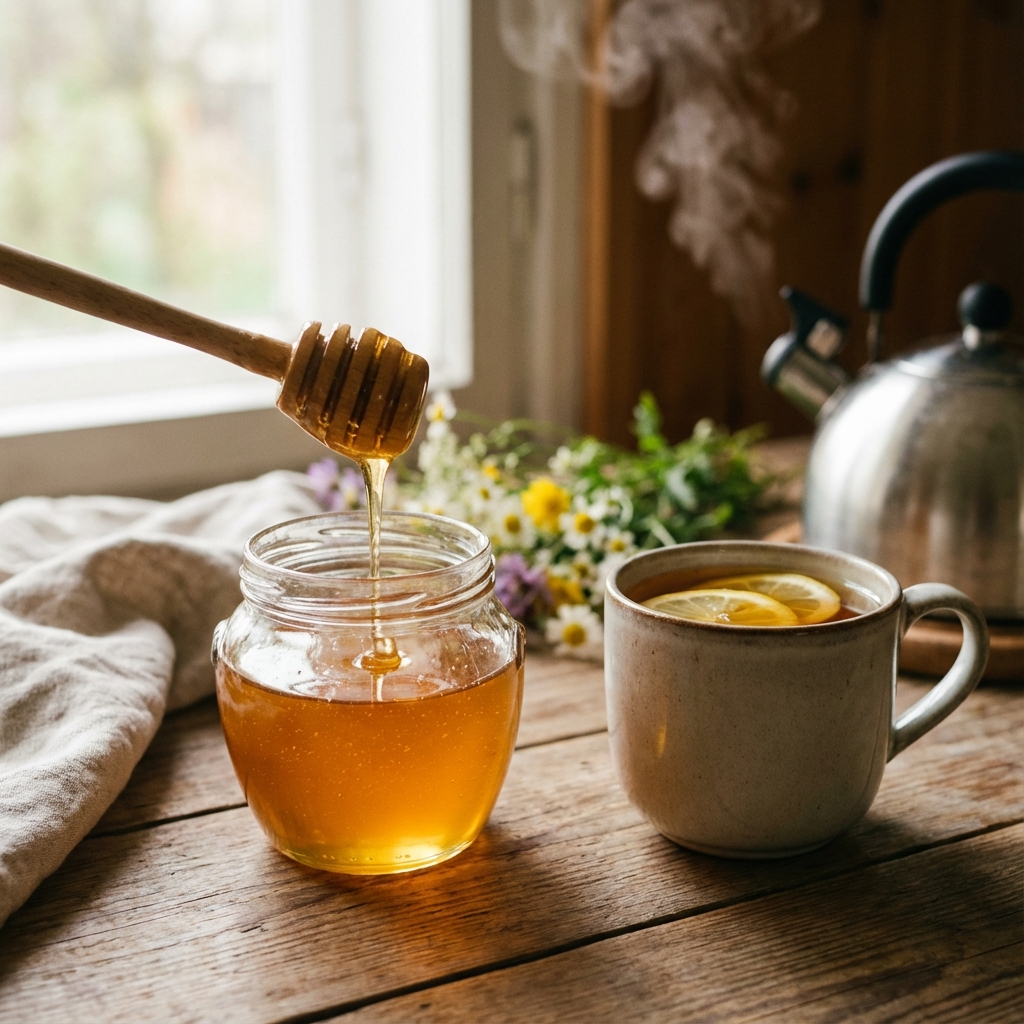
- Add to warm (not boiling) water with lemon for a soothing morning drink
- Stir into herbal teas like peppermint, rooibos, or ginger
- Sweeten your allowed daily cup of coffee or tea
Note: Adding honey to boiling liquids can destroy some of its beneficial enzymes, so let your drink cool slightly before adding it.
With Breakfast
- Drizzle over porridge or overnight oats
- Add to yoghurt with berries for a balanced breakfast
- Spread on wholegrain toast as a natural alternative to jam
In Cooking and Baking
- Use as a natural sweetener in baking (replace sugar in many recipes)
- Add to salad dressings for a touch of sweetness
- Glaze roasted vegetables like carrots or parsnips
- Include in marinades for chicken or salmon
For Pregnancy Symptoms
- Sore throat: Warm water, lemon, and honey
- Morning sickness: Small amounts may help some women tolerate food better
- Insomnia: Warm milk with honey before bed (a traditional remedy)
How Much Honey Is Safe?
While honey is safe during pregnancy, it's still a form of sugar and should be consumed in moderation. There's no specific guideline for honey intake during pregnancy, but general advice suggests:
- Treat honey as you would any added sugar
- The NHS recommends adults consume no more than 30g of free sugars per day
- A tablespoon of honey contains approximately 17g of sugars
- Balance honey consumption with your overall diet
If you have gestational diabetes or are monitoring your blood sugar levels, be mindful of honey's impact on blood glucose - it will still raise your blood sugar, though potentially more gradually than refined sugar.
Common Questions About Honey and Pregnancy
Can I eat honey in my first trimester?
Yes, honey is safe throughout all trimesters of pregnancy. There's no evidence suggesting any increased risk during the first trimester.
What if I ate raw honey before I knew I was pregnant?
No need to worry. Honey is safe during pregnancy, whether raw or pasteurised. Consuming it before knowing you were pregnant poses no risk to your baby.
Is manuka honey better during pregnancy?
Manuka honey has additional antimicrobial properties, but regular honey is perfectly fine for everyday use during pregnancy. The choice depends on your budget and whether you're using honey for specific therapeutic purposes.
Can honey help with pregnancy nausea?
Some women find that small amounts of honey help settle their stomach or make other foods more palatable. There's no guarantee it will work for everyone, but it's safe to try.
Should I avoid honey if I have gestational diabetes?
If you have gestational diabetes, you need to be careful with all sugars, including honey. While honey has a lower glycemic index than refined sugar, it still contains significant carbohydrates. Work with your healthcare team to determine what fits within your dietary plan.
Is crystallised honey safe?
Yes, crystallised honey is simply honey that has naturally solidified. It's still safe to eat and can be gently warmed to return it to liquid form if you prefer.
What About After Baby Arrives?
While honey is safe for you during pregnancy, the rules change once your baby is born:
⚠️ Important After Birth
Do not give honey to babies under 12 months old. This includes pure honey, foods containing honey, and honey on pacifiers.
After your baby turns one, their digestive system is mature enough to handle honey safely, and you can begin introducing it as part of their diet.
If you're breastfeeding, you can continue eating honey yourself without concern - the botulism spores and toxin do not pass into breast milk.
The Bottom Line
Honey is safe to eat during pregnancy - full stop. The concerns about honey and botulism apply to babies under 12 months old, not to pregnant women or their unborn babies.
Feel free to enjoy honey as part of a balanced pregnancy diet. It offers natural sweetness, some beneficial antioxidants, and can help with common pregnancy symptoms like sore throats and fatigue. Just consume it in moderation, as you would any sugar.
Key Takeaways:
✓ Honey is safe during all trimesters of pregnancy
✓ Both raw and pasteurised honey are acceptable
✓ The botulism risk is for babies under 12 months, not pregnant women
✓ Enjoy honey in moderation as part of a healthy diet
✓ After birth, avoid giving honey to your baby until after their first birthday
Related Reading
See also: Best Foods for First Trimester Nausea, Hydration During Pregnancy, and Pregnancy-Safe Snacks.
Download PregnancyPlate to track your nutrition and get personalised insights.
Meet the Editorial Team
The researchers and experts behind PregnancyPlate.

Fiza Izra
Founder & Tech Researcher
A UK-based mother of 3 with a background in tech and data synthesis, Fiza brings real-world experience navigating hyperemesis gravidarum and postnatal depression. She engineers complex clinical guidelines (NHS, ACOG) into accessible tools, ensuring rigorous fact-checking with deep empathy.

Emma Davies
Senior Nutrition Editor
A mum and writer, Emma runs our food safety desk. She is the one who rings the restaurant to ask how long the lettuce sits out, checks every claim against CDC, FDA and NHS guidance, and rewrites the answer until it is usable at 9pm in a drive-thru queue.