Can You Eat Cream Cheese When Pregnant? Philadelphia & Safety Rules
Can you spread cream cheese on your morning bagel? Yes! We explain why commercial cream cheese like Philadelphia is pasteurized and completely safe for pregnancy.
In this article
Editorial note: This article is researched from official public health and pregnancy food safety guidance, then edited by the PregnancyPlate team for clarity. It is not medical advice. If you are worried about symptoms or a specific exposure, contact your midwife, GP or healthcare provider.
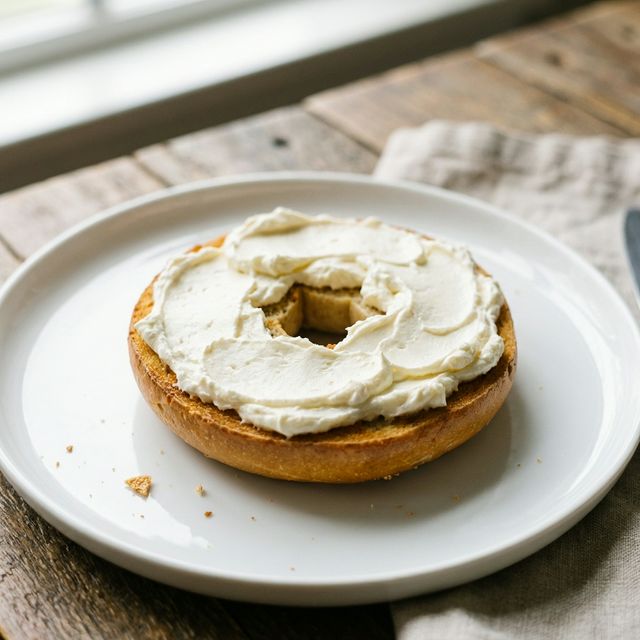
It's Sunday morning. You're craving a toasted bagel slathered in cool, tangy cream cheese. But then you pause. Wait… isn't there a rule about soft cheese?
If you've spent any time Googling pregnancy food rules, you've likely seen warnings about "soft cheeses" and Listeria. It's enough to make you drop the bagel and back away slowly.
Here is the good news: Most commercial cream cheese is completely safe to eat during pregnancy.
This comprehensive guide is your definitive resource. We will clear up the confusion, explain the science of why cream cheese is fundamentally different from brie or camembert, and help you choose the safest options for you and your growing baby. By the end of this article, you will know exactly which brands to buy, how to store them, and what to order when eating out.
The Short Answer: Yes, It is Safe (But Verify It)
You can safely eat cream cheese during pregnancy, provided it is pasteurised.
Almost all cream cheese found in supermarkets is made from pasteurised milk, making it safe. However, unpasteurised artisanal cheeses do exist. To be 100% sure without reading tiny labels, you can scan the barcode with the PregnancyPlate app for an instant, verified safety check.
Don't guess with food safety.
Use the PregnancyPlate App to scan any food product and get an instant verdict.
The "Soft Cheese" Confusion: What Actually Counts?
The confusion stems from general medical advice from organisations like the NHS and CDC to avoid "soft, mould-ripened cheeses." This high-risk category includes:
- Brie & Camembert: Distinguished by their white, bloomy rinds.
- Chevre: Soft goat's cheese with a white rind.
- Blue Cheeses: Roquefort, Gorgonzola, Stilton (risk of listeria unless cooked).
These cheeses have a specific chemical environment (lower acidity, higher moisture) that allows bacteria like Listeria monocytogenes to grow, even in the fridge. The mould rind itself can also harbour bacteria.
Cream cheese is completely different. While it feels "soft" to the touch, it is technically a fresh acid-set cheese. It has no rind, is high in acid (which bacteria hate), and is packaged immediately after pasteurisation. It does not undergo the ripening process that makes other soft cheeses risky.
The Science of Safety: Pasteurisation & Listeria
What is Listeriosis?
Listeriosis is an infection caused by the bacteria Listeria monocytogenes. While rare, it is serious during pregnancy because pregnant women are up to 10 times more likely to get it than the general population due to natural changes in the immune system. Listeriosis can cross the placenta and cause miscarriage, stillbirth, or severe illness in the newborn.
Symptoms to Watch For:
- Fever and chills
- Muscle aches
- Nausea or diarrhoea
- Stiff neck or headache
How Pasteurisation Protects You
Pasteurisation is the knight in shining armour for dairy lovers. It involves heating the milk to a specific temperature (usually 72°C / 161°F) for at least 15 seconds. This effectively destroys harmful pathogens including Salmonella, E. coli, and Listeria.
When you buy a tub of Philadelphia or store-brand cream cheese, check the ingredient list. You will almost always see "Pasteurised Milk and Cream" listed first. This is your safety seal.
✅ Safe Soft Cheeses Breakdown
These are generally safe to eat cold because they are pasteurised and have no mould rind:
- Cream Cheese (Philadelphia, supermarket brands)
- Cottage Cheese
- Mozzarella (See our Mozzarella Guide)
- Feta (Safety Note: Only if made from pasteurised milk. Authentic Greek feta is often pasteurised, but check the label.)
- Halloumi (Cooked or pasteurised)
- Paneer (Cooked or pasteurised)
- Ricotta
- Mascarpone
- Processed Cheese Spreads (e.g., Dairylea, Laughing Cow)
❌ Cheeses to Avoid (Unless Cooked)
Avoid these unless they are cooked until steaming hot throughout:
- Brie & Camembert (even if pasteurised - the risk is re-contamination during ripening)
- Blue Cheese (Roquefort, Danish Blue, Gorgonzola)
- Chevre (Soft Goat's Cheese with a rind)
- Any unpasteurised / "raw" dairy product
Detailed Brand Guide: What to Buy
To help you shop with absolute confidence, here is a breakdown of common brands and types found in the UK, US, and Australia:
Major Brands
- Philadelphia (All varieties): Safe. This includes "Light", "Whipped", "Garlic & Herb", "Jalapeño", and "Vegan". All are pasteurised.
- Boursin: Safe. This popular garlic and herb cheese is made from pasteurised milk and cream.
- Laughing Cow / Dairylea: Safe. These are processed cheeses that have been heat-treated.
Supermarket Own-Brands
- Tesco / Sainsbury's / Marks & Spencer (UK): Safe. UK food standards are strict; virtually all soft cheese sold in major supermarkets is pasteurised.
- Walmart / Whole Foods / Trader Joe's (US): Generally Safe. However, browse carefully at high-end counters like Whole Foods for "raw" cheeses. Shelf-stable or refrigerated tubs are safe.
Artisanal & Farmers' Markets
Exercise Caution. Small-batch, farm-fresh cheeses are delicious, but they carry higher risks.
1. Ask: "Is this made with pasteurised milk?"
2. Check: "Is it raw?"
3. Observe: Is it kept properly chilled on ice? If it's sitting out in the sun, skip it.
Global Soft Cheeses: Beyond the Bagel
If you love cooking or eating out, you might encounter these international cousins of cream cheese. Are they safe?
- Neufchâtel (France/US): The French version is a mould-ripened cheese (similar to Camembert) and should be avoided served cold. The US version (often sold as "low-fat cream cheese") is brick-shaped, pasteurised, and safe.
- Mascarpone (Italy): Safe. It's essentially cream coagulated with acid. Perfect for tiramisu (if using pasteurised eggs!).
- Ricotta (Italy): Safe. It's a whey cheese that is heated twice (hence the name "re-cooked").
- Labneh (Middle East): Generally Safe. It is strained yogurt. Check that the yogurt used was pasteurised and it has been stored cold.
- Quark (Germany/Europe): Safe. A fresh acid-set cheese often used in baking.
Nutritional Deep Dive: Good or Bad?
Cream cheese is often dismissed as empty calories, but for a pregnant woman struggling with nausea or needing extra energy, it has real benefits.
The Profile (Per 30g Serving)
- Calories: ~100 kcal (Full Fat) / ~50 kcal (Light)
- Fat: ~10g (Full Fat) Essential for baby's brain development and hormone regulation.
- Protein: ~2g Helps build fetal tissue.
- Calcium: ~25mg Small contribution to your daily 1000mg goal. See our pregnancy nutrient guide for daily targets.
- Vitamin A: ~10% DV Supports immune system and vision.
Managing Nutrition: Since it is high in saturated fat, treat it as a "condiment" or flavour enhancer rather than the main event. If you need to increase protein without the fat, try mixing cream cheese with Greek yogurt for a lighter dip.
Food Safety Rules: Storage & Handling
Even safe cheese can become unsafe if mishandled. Follow these strict rules to keep your cream cheese listeria-free at home:
The "2-Hour Rule"
Never leave cream cheese out of the fridge for more than 2 hours. (1 hour if it's over 30°C/90°F outside). Bacteria multiply rapidly in the "danger zone" at room temperature. If you left the tub out during a long brunch, throw it away. It's not worth the risk.
The "Clean Knife" Rule
Don't double-dip! If you spread cheese on toast and then put the knife back in the tub, you introduce crumbs and bacteria (from your mouth or the bread) into the cheese. This causes mould to grow faster.
When to Toss It
Commercial cream cheese usually lasts 10 days after opening.
Signs of spoilage:
- Pink, green, or black mould spots
- Slimy or slick texture
- Sour or "yeasty" smell
- Significant liquid separation (a little water is normal; a pool is not)
Ordering Guide: Restaurants & Takeaways
Eating out? Here is how to order safely.
At the Bagel Shop
Verdict: Safe.
Ask for your bagel toasted. The cream cheese they scoop from the big tubs is pasteurised. However, you should avoid "lox" (cold smoked salmon) unless it's in a cooked dish, as cold smoked fish is a listeria risk. Ordering a coffee too? Check our Starbucks ordering guide.
At the Sushi Bar
Verdict: Safe (in cooked rolls).
Cream cheese is a common ingredient in "Western-style" sushi like Philadelphia Rolls.
- Safe: Philadelphia Roll with cooked salmon or crab stick (surimi) and cream cheese.
- Avoid: Rolls with raw salmon and cream cheese. (See our Sushi Safety Guide).
At the Bakery
Verdict: Safe.
Carrot cake frosting, Red Velvet cake, and Danish pastries with cream cheese filling are all safe. The high sugar content helps preserve the frosting, and baked pastries have been heat-treated.
5 Creative (and Safe) Ways to Eat Cream Cheese
Need some inspiration beyond the bagel? Try these pregnancy-safe snack ideas that pack a nutritional punch:
- Veggie Dip Power Bowl: Mix cream cheese with dill, garlic powder, and a splash of lemon juice. Serve with a rainbow of carrot sticks, cucumber slices, and bell peppers. This helps you hit your vegetable targets. (Check our mayo guide for other dips).
- Stuffed Dates: Fill Medjool dates with a teaspoon of cream cheese for a sweet and savoury energy boost. Top with a walnut for extra Omega-3.
- Creamy Pasta Sauce: Melt cream cheese into hot pasta water with fresh spinach and lemon zest for a 5-minute, creamy sauce that's safer than carbonara.
- Tortilla Pinwheels: Spread cream cheese on a whole-wheat tortilla, layer with turkey slices (check our Deli Meat Guide for safety tips) and spinach, roll up tightly, and slice into rounds.
- Berry Breakfast Toast: Top wholemeal toast with cream cheese and fresh sliced strawberries or blueberries. The Vitamin C in the fruit helps you absorb iron from the bread!
Common Questions (FAQ)
Can I eat Philadelphia cheese when pregnant?
Yes, absolutely. Philadelphia brand cream cheese is made with pasteurised milk and is safe to consume. This applies to all their varieties, including the 'Light' and flavoured options.
What about cheesecake?
Cheesecake is generally safe!
Baked Cheesecake: Safe because the eggs are cooked and the cheese is pasteurised.
No-Bake Cheesecake: Generally safe if made with pasteurised cream cheese and pasteurised eggs (or no eggs). Be cautious with homemade versions using raw eggs (mousse-style), but most store-bought ones are fine as they use pasteurised egg products.
Can I eat cream cheese frosting?
Yes, cream cheese frosting on carrot cake or red velvet cake is safe, provided the cream cheese used was pasteurised. The high sugar content also acts as a preservative, deterring bacterial growth.
Is cream cheese safe if left out?
This is important: Do not eat cream cheese that has been left out at room temperature for more than 2 hours. Like all soft dairy, it can spoil. Always put the tub back in the fridge immediately after using.
Can I freeze cream cheese?
Yes, you can freeze it to extend shelf life, but it will change the texture. Thawed cream cheese becomes crumbly and less spreadable. It is fine for cooking (like in sauces or baked goods) but not great for spreading on a bagel.
The Bottom Line
You don't have to give up your creamy comforts. Cream cheese is a safe, versatile, and delicious option during pregnancy. It adds calcium, protein, and joy to your diet. Just remember the core rules: Buy pasteurised, store it cold, and eat it fresh.
Your Checklist:
- Check for "Pasteurised" on the label.
- Store it in the fridge at 4°C (40°F) or below.
- Use clean knives to prevent cross-contamination from other foods.
- Eat it before the "Use By" date.
So go ahead, toast that bagel, and enjoy every bite without worry.
Key Takeaways:
- 🥯 Cream cheese is safe if pasteurised (most brands are).
- 🏷️ Always check the label for "pasteurised".
- ❄️ Store it safely: Fridge it and don't leave it out.
- ❌ Know the difference: Avoid mould-ripened soft cheeses like Brie and Camembert (unless cooked steaming hot).
Download PregnancyPlate to quickly scan any cheese or food product and get an instant safety answer.
Meet the Editorial Team
The researchers and experts behind PregnancyPlate.

Fiza Izra
Founder & Tech Researcher
A UK-based mother of 3 with a background in tech and data synthesis, Fiza brings real-world experience navigating hyperemesis gravidarum and postnatal depression. She engineers complex clinical guidelines (NHS, ACOG) into accessible tools, ensuring rigorous fact-checking with deep empathy.

Emma Davies
Senior Nutrition Editor
A mum and writer, Emma runs our food safety desk. She is the one who rings the restaurant to ask how long the lettuce sits out, checks every claim against CDC, FDA and NHS guidance, and rewrites the answer until it is usable at 9pm in a drive-thru queue.