Is It Safe to Eat Leftovers When Pregnant? (A Complete Listeria Prevention Guide)
Your comprehensive guide to handling leftovers safely during pregnancy - preventing listeria, proper reheating, and food storage.
In this article
Editorial note: This article is researched from official public health and pregnancy food safety guidance, then edited by the PregnancyPlate team for clarity. It is not medical advice. If you are worried about symptoms or a specific exposure, contact your midwife, GP or healthcare provider.
Pregnancy hunger is a unique beast. Sometimes, the only thing that will satisfy it is yesterday's lasagna or that leftover slice of pizza sitting in the fridge. But then the worry sets in: "Is it safe? How long has it been there? Will reheating it kill any bacteria?"
These are valid questions. During pregnancy, your immune system is slightly suppressed, making you more susceptible to foodborne illnesses like Listeriosis. But that doesn't mean you have to toss out perfectly good food or cook from scratch three times a day.
With the right precautions, leftovers can be perfectly safe (and a lifesaver for busy mums-to-be). Let's dive deep into the rules of reheating, storage, and safety so you can eat with confidence.
The Real Risk: Why Worry About Leftovers?
The primary concern with leftovers during pregnancy is Listeria monocytogenes. Unlike many other bacteria, Listeria has a superpower: it can grow even at refrigerator temperatures.
What is Listeriosis?
Listeriosis is a serious infection caused by eating food contaminated with the bacterium Listeria monocytogenes. While rare, it is dangerous during pregnancy because:
- It crosses the placenta: The bacteria can pass from you to your baby.
- Severe consequences: It can lead to miscarriage, stillbirth, premature delivery, or life-threatening infection of the newborn.
- Mild symptoms for mum: You might only experience mild flu-like symptoms (fever, muscle aches, fatigue), making it hard to detect.
How Leftovers Become Riskier
When food is cooked, bacteria are killed. But as it cools and sits, two things can happen:
- Recontamination: New bacteria can be introduced (e.g., from unwashed hands or other foods).
- Regrowth: If food isn't cooled quickly enough or is stored too long, surviving spores or new bacteria can multiply.
This is why the "smell test" isn't enough. Bacteria that cause food poisoning often don't affect the taste, smell, or appearance of food.
The Golden Rules of Leftover Safety
To safely enjoy leftovers, you need to follow four key steps: Clean, Separate, Cook, and Chill. But specifically for leftovers, we follow the "2-Hour Rule" and the "Steaming Hot Rule."
The 2-Hour Rule (Cooling)
Bacteria thrive in the "Danger Zone" between 4°C (40°F) and 60°C (140°F).
- Don't leave food out: Perishable food should never be left out at room temperature for more than 2 hours.
- Hot weather adjustment: If it's over 32°C (90°F) outside (like at a summer BBQ), reduce that time to 1 hour.
- Cool quickly: To speed up cooling, divide large portions (like a big pot of soup or chili) into smaller, shallow containers. This helps the food cool through to the centre much faster.
Myth Buster: "I can't put hot food in the fridge; it will sour."
Fact: You can and should put hot food in the fridge if you need to cool it quickly. Modern fridges can handle it. Just don't pack it so tightly that air can't circulate.
The 4-Day Rule (Storage)
Even in the fridge, leftovers have a shelf life.
- Eat within 3-4 days: Most cooked leftovers should be eaten within 3 to 4 days.
- When in doubt, throw it out: If you can't remember when you made it, don't risk it.
- Label it: Keep a roll of masking tape and a sharpie in the kitchen. Write the date on containers so there's no guessing game later.
The Reheating Rule (Steaming Hot)
This is the most critical step for pregnancy safety.
- Reheat to 74°C (165°F): Food must be reheated until it is steaming hot all the way through.
- Use a food thermometer: It's the only way to be 100% sure.
- Sauces and soups: Bring them to a rolling boil.
- Microwave evenly: Microwaves heat unevenly, leaving "cold spots" where bacteria can survive. Cover your food, stir it halfway through heating, and let it stand for a minute after heating to maintain the temperature.
Safe Storage: Your Fridge Strategy
A well-organised fridge is your first line of defence against foodborne illness.
Best Practices for Fridge Storage
- Airtight Containers: Use sealed glass or BPA-free plastic containers. This prevents juices from dripping onto other foods and keeps odours (and bacteria) contained.
- Top vs. Bottom: Store ready-to-eat foods (leftovers, cheese, yogurt) on the top shelves. Store raw meat and seafood on the bottom shelf to prevent drips.
- Check the Temperature: Your fridge should be at or below 4°C (40°F). Invest in a cheap fridge thermometer to check - appliance dials aren't always accurate.
- Don't Overstuff: Cold air needs to circulate to keep food safe. If your fridge is packed to the gills, it might not be cooling effectively.
Freezer Friends
If you know you won't eat those leftovers within 3-4 days, freeze them immediately!
- Frozen Storage: Food stays safe indefinitely in the freezer (at -18°C/0°F), though quality might degrade after 3-4 months.
- Thawing: Never thaw food on the counter. Thaw in the fridge overnight, in cold water (changed every 30 mins), or in the microwave (if cooking immediately).
Specific Leftovers: A Quick Guide
Not all leftovers are created equal. Here's a breakdown of common foods and how to handle them.
Rice
Risk: Bacillus cereus, a bacteria that can produce toxins that aren't killed by heating.
Pregnancy Safety: High Caution.
- Cool quickly: This is vital. Spread rice out on a tray to cool if necessary.
- Store fast: Get it in the fridge within 1 hour.
- Eat soon: Eat within 24 hours.
- Reheat once: Never reheat rice more than once.
Pizza
Risk: Average.
Pregnancy Safety: Safe if reheated.
While cold pizza is a breakfast classic, during pregnancy, it's safer to reheat it until the cheese is bubbling and it's hot (74°C/165°F) to kill any potential Listeria that may have grown on toppings like deli meats or soft cheeses.
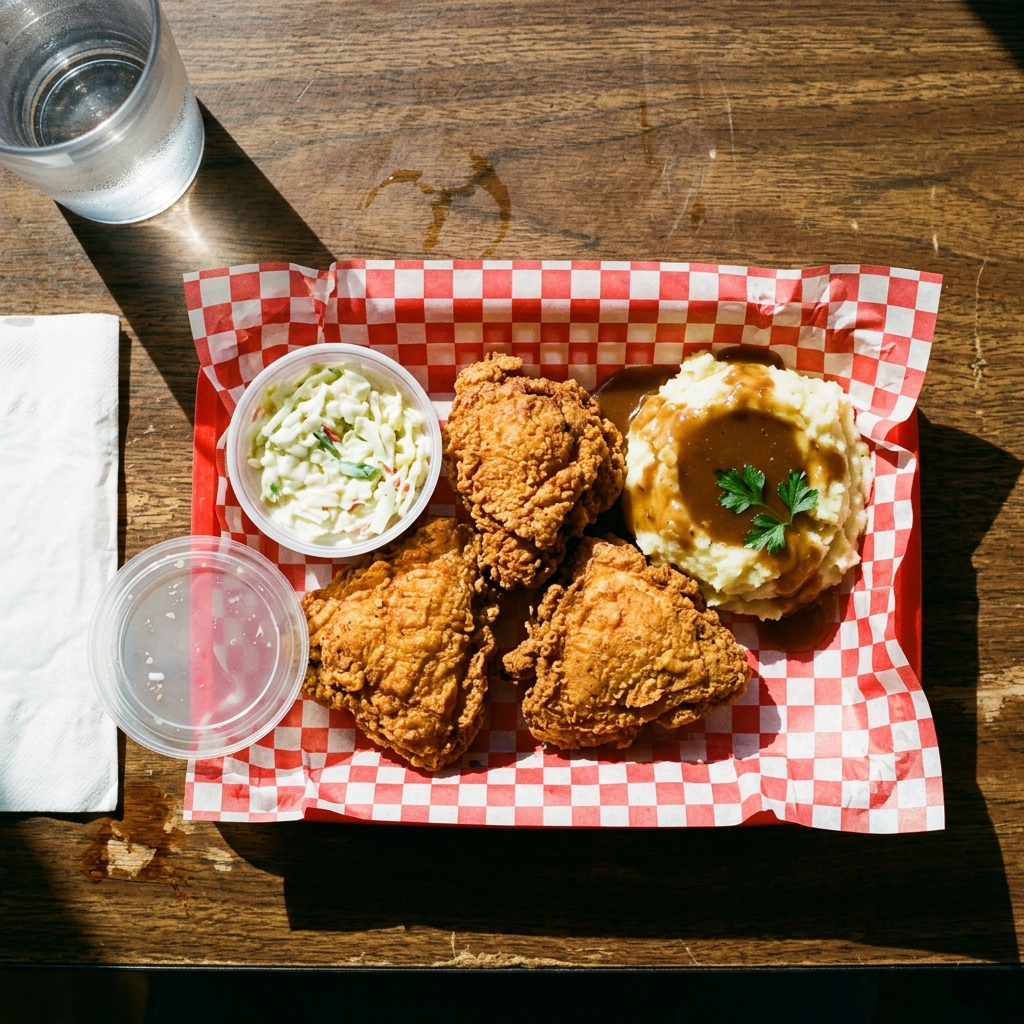
Chicken & Poultry
Risk: Salmonella, Listeria.
Pregnancy Safety: Safe if reheated thoroughly.
Ensure it reaches 74°C (165°F) internally. Avoid cold leftover chicken unless it was cooked recently, cooled correctly, and stored perfectly - and even then, reheating is safer.
Takeaway (Takeout)
Risk: Variable. You don't know how long it sat out before it got to you.
Pregnancy Safety: Moderate.
- If you order takeaway, eat it immediately.
- If you have leftovers, refrigerate them right away.
- Discard any takeaway that has been at room temperature for more than 2 hours (including delivery time!).
Danger Foods: What NOT to Keep
Some items pose too high a risk to eat as leftovers during pregnancy, simply because they are hard to reheat effectively or support rapid bacterial growth.
- Salads with dressing: Soggy lettuce can't be washed or reheated. If you made a big salad, store the dressing separately so you can wash the veggies again or just make a fresh portion.
- Cold cuts/Deli platters: If they've been sitting out at a party, toss them. If you want to eat deli meat, reheat it until steaming.
- Soft cheeses (Brie, Camembert) that have been left out: These should be discarded if they've been at room temperature for over 2 hours.
Reheating Techniques for Safety & Taste
Safety is priority #1, but we still want the food to taste good!
The Stove
Best for: Soups, stews, sauces, meats in sauce.
- Bring liquids to a rolling boil.
- Cover the pan to trap heat and steam.
The Oven
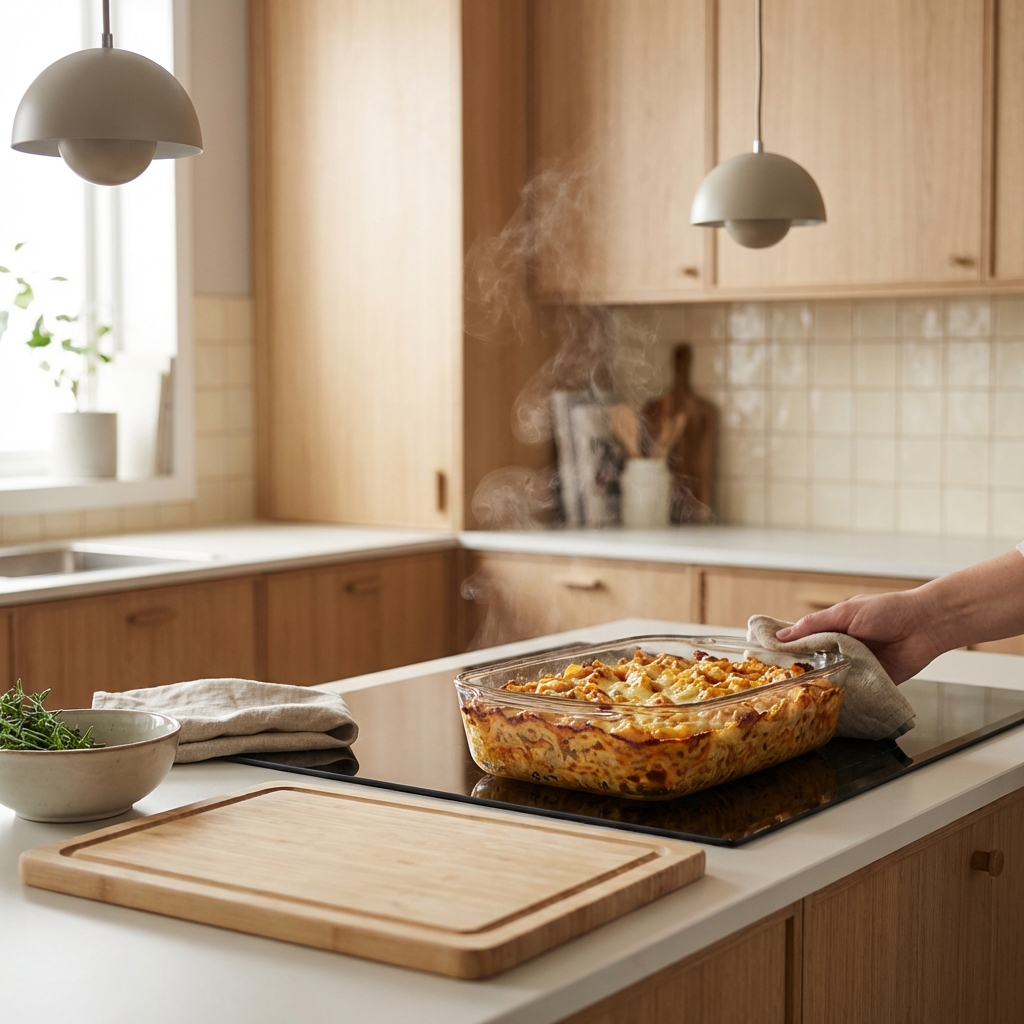
Best for: Pizza, roasted meats, casseroles, breads.
- Set to 160°C (325°F) or higher.
- Cover with foil to prevent drying out until the centre is hot.
- Check internal temp with a meat thermometer.
The Microwave
Best for: Individual plates, rice, veggies.
- The Cover Trick: Cover with a microwave-safe lid or paper towel to create a steam tent. This kills surface bacteria effectively.
- Stir: Stop halfway and stir to distribute heat.
- Wait: Let it stand for 1-2 minutes. The heat continues to equalise, cooking any cold spots.
FAQs: Leftovers & Pregnancy
Can I eat cold leftovers if I cooked them myself?
It is safer to reheat them. While home-cooked food cooled properly is low risk, Listeria can grow at fridge temperatures. Reheating kills it. If you crave cold chicken or pasta salad, ensure it was cooked, cooled rapidly, stored safely, and eaten within 24 hours.
I forgot the casserole on the counter for 3 hours. Can I reheat it really well?
No. Reheating kills bacteria, but it doesn't always destroy the toxins some bacteria produce (like Staphylococcus aureus or Bacillus cereus). If it's been out >2 hours, trash it. It's not worth the risk.
Is it safe to reheat food more than once?
Avoid this. Each time food cools and reheats, it passes through the "Danger Zone," giving bacteria a chance to multiply. Reheat only the portion you plan to eat right then.
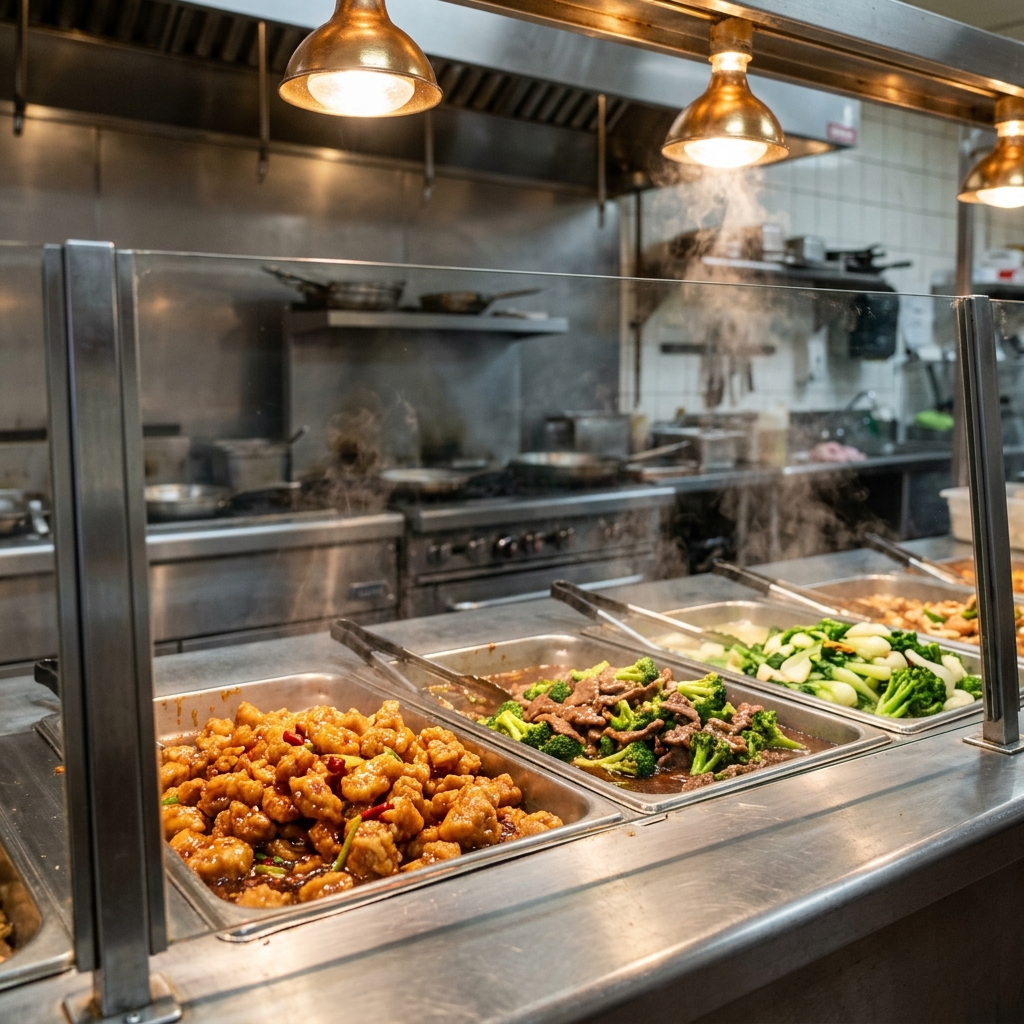
What about eating at a buffet?
Buffets are risky zones for leftovers. Food sits out, temperatures fluctuate, and utensil-sharing spreads germs.
- During pregnancy, avoid buffets if possible.
- If unavoidable, stick to steaming hot dishes.
- Avoid room-temperature salads, cold cuts, or warm (not hot) dishes.
The Bottom Line
You don't have to stop meal-prepping or throwing out perfectly good lasagna. Eating leftovers is safe during pregnancy IF you follow the rules.
The "Safe Mum" Checklist:
- Cool it: Into the fridge within 2 hours.
- Store it: Sealed containers, eaten within 3-4 days.
- Heat it: Steaming hot (74°C/165°F) throughout.
- Doubt it? Throw it out.
Listen to your instincts. If something smells off, looks slimy, or you just have a "bad feeling" about how long it's been in the back of the fridge - let it go. Your peace of mind (and safety) is worth more than a Tupperware of leftover curry.
Key Takeaways:
✓ 2-Hour Rule: Refrigerate perishables within 2 hours of cooking.
✓ 4-Day Rule: Eat cooked leftovers within 3-4 days.
✓ Steaming Hot: Reheat to 74°C (165°F) to kill Listeria.
✓ Microwave Smart: Cover, stir, and let stand to ensure even heating.
✓ When in doubt, throw it out.
Related Reading
See also: Foods to Avoid During Pregnancy, Is Deli Meat Safe?, Safe Sushi 101, and Pregnancy-Safe Snacks.
Stay on top of your food safety and nutrition with PregnancyPlate - the AI-powered pregnancy companion.
Disclaimer: This article is for informational purposes only and does not constitute medical advice. Food safety standards vary by country. Always consult your healthcare provider if you suspect food poisoning.
Meet the Editorial Team
The researchers and experts behind PregnancyPlate.

Fiza Izra
Founder & Tech Researcher
A UK-based mother of 3 with a background in tech and data synthesis, Fiza brings real-world experience navigating hyperemesis gravidarum and postnatal depression. She engineers complex clinical guidelines (NHS, ACOG) into accessible tools, ensuring rigorous fact-checking with deep empathy.

Emma Davies
Senior Nutrition Editor
A mum and writer, Emma runs our food safety desk. She is the one who rings the restaurant to ask how long the lettuce sits out, checks every claim against CDC, FDA and NHS guidance, and rewrites the answer until it is usable at 9pm in a drive-thru queue.