Calcium in Pregnancy: Benefits & Daily Intake Guide
Your complete guide to calcium during pregnancy: why it matters, how much you need, best food sources, absorption tips, and when supplements make sense.
In this article

Editorial note: This article is researched from official public health and pregnancy food safety guidance, then edited by the PregnancyPlate team for clarity. It is not medical advice. If you are worried about symptoms or a specific exposure, contact your midwife, GP or healthcare provider.
Quick Answer
Calcium is one of the most critical minerals during pregnancy - essential for your baby's bone and teeth development, heart function, and muscle growth. During pregnancy, you need 1,000mg daily if you're 19 or older (1,300mg if under 19). The good news? Your body becomes more efficient at absorbing calcium during pregnancy, but many women still fall short of meeting their needs through diet alone.
This comprehensive guide covers everything you need to know: why calcium matters so much, the best food sources, absorption tips, and when supplements become necessary.
Why Calcium Matters So Much During Pregnancy
Think of calcium as the construction material for your baby's skeleton. Around 99% of calcium in the human body is stored in bones and teeth, and during pregnancy, your baby needs significant amounts to build their own.
🦴 What Calcium Does During Pregnancy
- Bone and teeth development: Your baby's skeleton begins forming around week 8 and demands peak calcium in the third trimester
- Heart function: Calcium helps regulate both your heartbeat and your baby's developing heart
- Muscle and nerve function: Essential for muscle contractions and nerve signal transmission
- Blood clotting: Important for delivery and postpartum recovery
- Hormone secretion: Several pregnancy hormones depend on adequate calcium
Research published by the World Health Organization found that calcium supplementation during pregnancy reduced preeclampsia risk by approximately 55% in women with low dietary intake. A full-term baby contains roughly 25–30 grams of calcium - almost all deposited in the final 10 weeks of pregnancy.
What Happens If You Don't Get Enough Calcium?
Here's something important: if you don't consume enough calcium from food, your body will take it from your bones to supply your baby. Your baby will always get what they need - but at the expense of your own skeletal health.
⚠️ Risks of Low Calcium Intake
- Reduced bone mineral density in mothers - increasing future osteoporosis risk
- Pregnancy-induced hypertension and preeclampsia
- Muscle cramps and leg spasms - especially at night
- Dental problems - weakened enamel and increased cavity risk
- Increased risk of preterm birth in some studies
Source: WHO guidelines on calcium supplementation during pregnancy
How Much Calcium Do You Actually Need?
The amount of calcium you need during pregnancy depends on your age:
📊 Daily Calcium Requirements
| Age Group | Daily Calcium |
|---|---|
| 14–18 years (pregnant) | 1,300 mg/day |
| 19–50 years (pregnant) | 1,000 mg/day |
Source: National Institutes of Health, Office of Dietary Supplements
Interestingly, the recommended daily allowance doesn't actually increase during pregnancy for women over 19 - it stays at 1,000 mg/day. Why? Because your body becomes more efficient at absorbing calcium during pregnancy. However, many women still don't meet the baseline requirement.
Best Food Sources of Calcium During Pregnancy
The most reliable way to meet your calcium needs is through food. Supplements are useful when dietary intake falls short, but food sources offer additional nutrients that support calcium absorption.
Dairy Products (Calcium Champions)
- Yoghurt (plain, low-fat): 200g = ~300 mg calcium
- Milk (semi-skimmed): 250ml = ~300 mg calcium
- Cheddar cheese: 30g = ~220 mg calcium
- Greek yoghurt: 150g = ~180 mg calcium
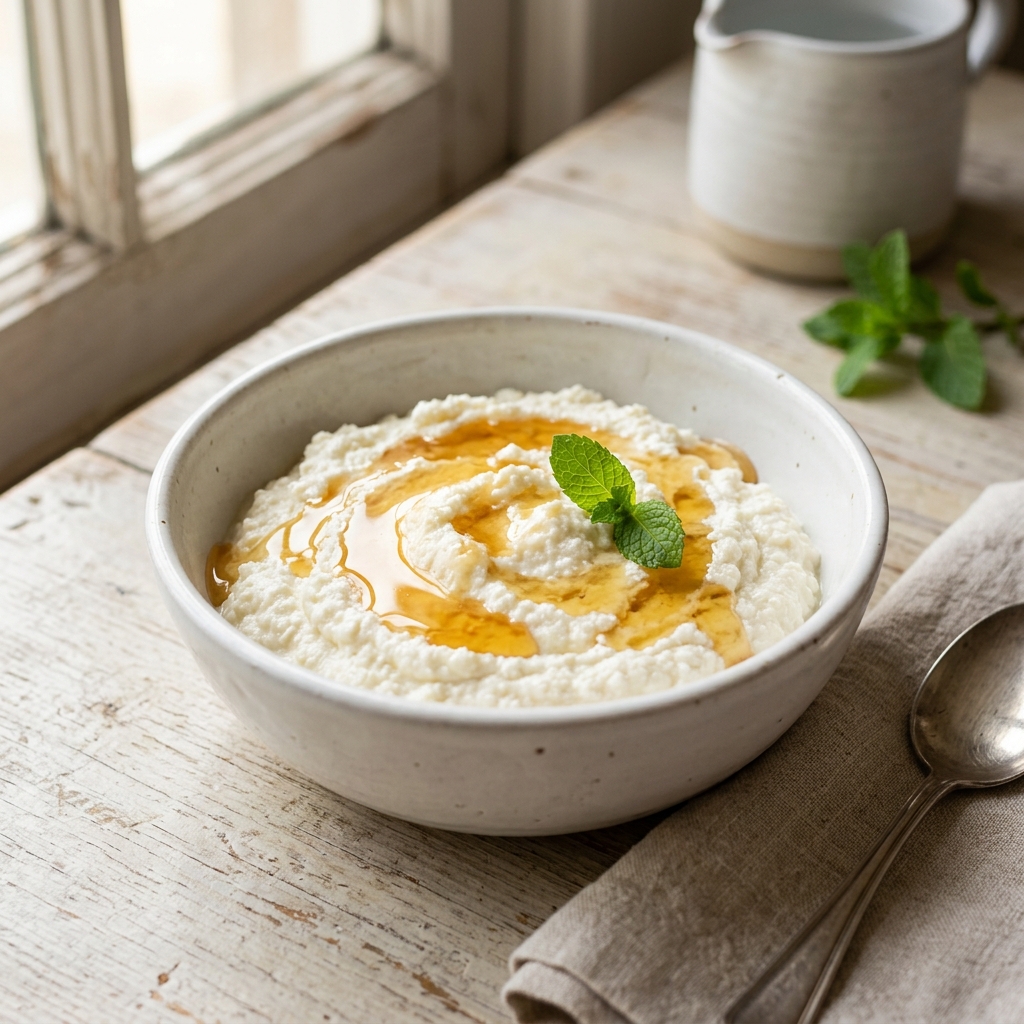
- Cottage cheese: 100g = ~80 mg calcium
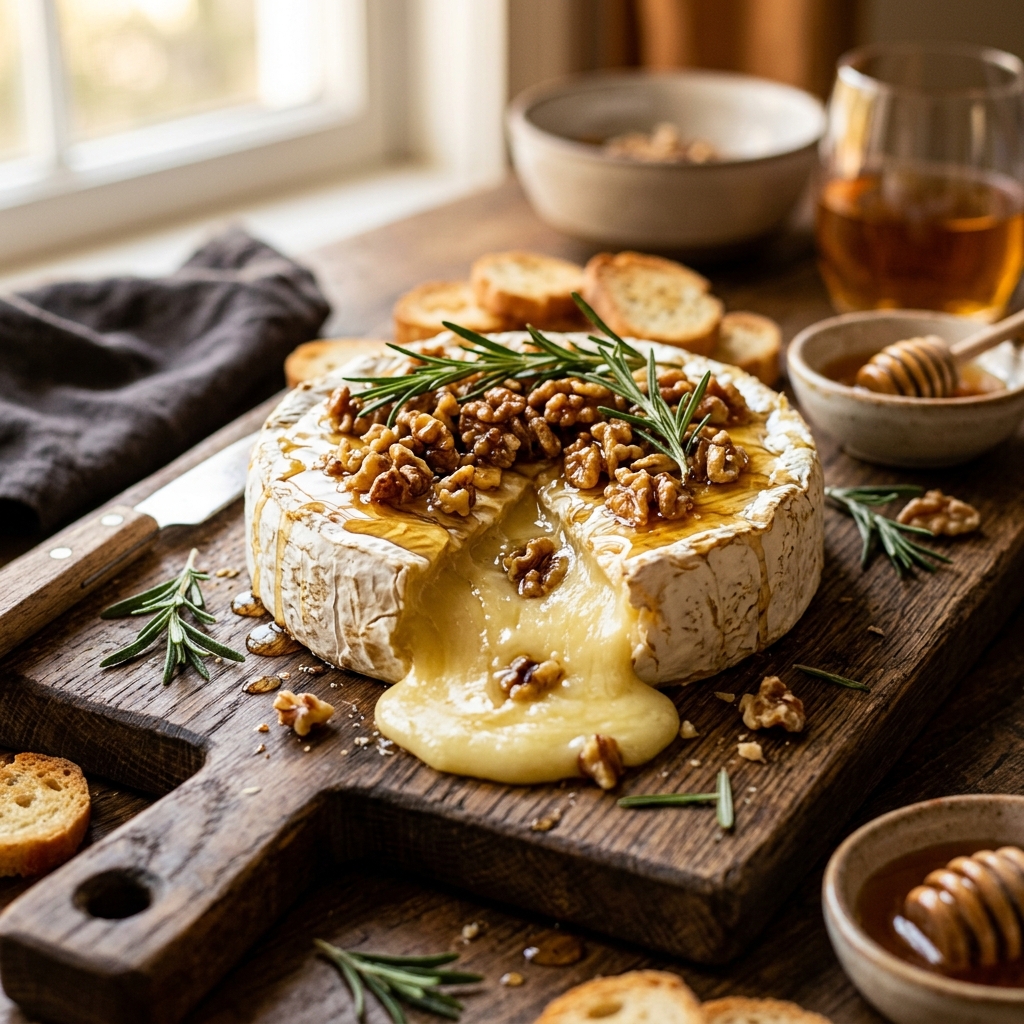
Tip: Stick to pasteurised dairy products during pregnancy. Hard cheeses like cheddar, parmesan, and gruyère are generally safe even if made from unpasteurised milk, as long as they're well-aged.
Non-Dairy Alternatives
- Fortified plant milk (soy, oat, almond): 250ml = ~300 mg (check label)
- Tofu (calcium-set): 100g = ~350 mg
- Sardines with bones: 60g tin = ~240 mg
- Canned salmon with bones: 100g = ~180 mg
- Kale (cooked): 100g = ~150 mg
- Bok choy (cooked): 100g = ~105 mg
- Almonds: 30g = ~75 mg
Note on plant milks: Not all are fortified equally. Check the label - look for at least 120mg calcium per 100ml.
Calcium Absorption: What Helps and What Hurts
Getting calcium into your diet is only half the equation. You also need to absorb it effectively.
✓ Absorption Boosters
- Vitamin D: The most important factor - helps your intestines absorb calcium. Consider a 10μg (400 IU) supplement, especially in winter.
- Spreading intake: Smaller, more frequent calcium doses are better absorbed than one large dose
- Lactose (in dairy): Natural lactose enhances absorption
⚠️ Absorption Blockers
- Oxalates (spinach, rhubarb): Spinach is high in calcium but only ~5% is bioavailable. Choose kale, bok choy instead.
- Excessive caffeine: Can increase calcium excretion. Keep under 200mg/day during pregnancy.
- High sodium: Increases urinary calcium loss
- Iron supplements: Compete for absorption - take at different times of day
What About Calcium Supplements?
Supplements can be helpful if you struggle to meet your needs through food alone.
When Supplements Make Sense
- You're lactose intolerant or vegan and don't consume fortified alternatives consistently
- You have food aversions limiting calcium-rich foods
- You've been diagnosed with low vitamin D
- Your healthcare provider has identified elevated preeclampsia risk
- You're carrying multiples
Types of Calcium Supplements
- Calcium carbonate: Cheapest option; 40% elemental calcium; take with food
- Calcium citrate: Can be taken without food; gentler on stomach; better absorbed with low stomach acid
Absorption tip: Your body can only absorb about 500 mg at a time. Split doses if taking more.
⚠️ Don't Overdo It
The tolerable upper limit is 2,500 mg/day for women 19–50. Excess calcium can cause constipation, kidney stones, and interfere with iron and zinc absorption.
Sample Day: Meeting Your 1,000 mg Goal
- Breakfast: Porridge with fortified oat milk (250ml) + 1 tbsp almond butter = ~330 mg
- Morning snack: Greek yoghurt (150g) with berries = ~180 mg
- Lunch: Grilled salmon sandwich + edamame (100g) = ~150 mg
- Afternoon snack: Cheese (30g cheddar) + crackers = ~220 mg
- Dinner: Stir-fry with tofu (100g) + bok choy = ~180 mg
- Total: ~1,060 mg ✓
Knowledge Check
🧠 Quick Quiz
Q: You're taking an iron supplement. When should you have your calcium-rich yoghurt?
A: Take them at different times - iron and calcium compete for absorption. Have your iron with lunch and yoghurt as a breakfast or afternoon snack.
Common Questions
- Does pregnancy weaken my bones permanently? Not if you're getting adequate calcium. Bone mineral density typically recovers within 12–18 months after weaning.
- Can I get too much from food? It's quite difficult to exceed 2,500 mg/day from food alone. Main risk comes from high-dose supplements.
- I can't stand milk - what should I eat? Try cheese, yoghurt, fortified orange juice, smoothies with plant milk, or tinned fish with bones.
- Does my prenatal have enough? Most prenatals contain only 100–300 mg (if any) - you'll still need dietary sources.
The Bottom Line
Calcium is essential for your baby's bone, heart, and muscle development - and for protecting your own skeletal health. Aim for 1,000 mg daily through a mix of dairy, fortified foods, leafy greens, and fish with bones. Pair with vitamin D for best absorption, and consider supplements if your diet falls short.
The investment in calcium now supports your baby's development and sets you both up for healthy bones long-term.
Related Reading
See also: Iron in Pregnancy, Omega-3 During Pregnancy, and Essential Nutrients During Pregnancy.
Download PregnancyPlate to track your calcium intake, get personalised nutrient guidance, and ensure you're meeting your daily needs throughout pregnancy.
Meet the Editorial Team
The researchers and experts behind PregnancyPlate.

Fiza Izra
Founder & Tech Researcher
A UK-based mother of 3 with a background in tech and data synthesis, Fiza brings real-world experience navigating hyperemesis gravidarum and postnatal depression. She engineers complex clinical guidelines (NHS, ACOG) into accessible tools, ensuring rigorous fact-checking with deep empathy.

Emma Davies
Senior Nutrition Editor
A mum and writer, Emma runs our food safety desk. She is the one who rings the restaurant to ask how long the lettuce sits out, checks every claim against CDC, FDA and NHS guidance, and rewrites the answer until it is usable at 9pm in a drive-thru queue.