Is It Safe to Drink Herbal Tea in Pregnancy? (Peppermint, Raspberry Leaf & More)
Your complete guide to herbal teas during pregnancy - which are safe, which should be avoided, and the benefits of peppermint, ginger, and raspberry leaf tea.
In this article
Editorial note: This article is researched from official public health and pregnancy food safety guidance, then edited by the PregnancyPlate team for clarity. It is not medical advice. If you are worried about symptoms or a specific exposure, contact your midwife, GP or healthcare provider.
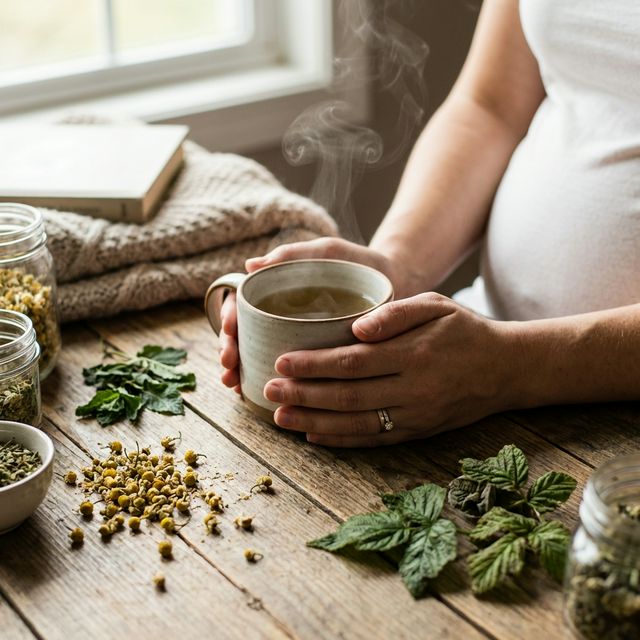
There's nothing quite as comforting as a warm mug of tea, especially when pregnancy fatigue hits or nausea creeps in. But once you're expecting, your go-to herbal blends might suddenly feel like a minefield. Is peppermint safe? What about chamomile? And why is everyone talking about raspberry leaf tea?
Unlike standard black or green tea (which you limit due to caffeine), herbal teas are caffeine-free but contain potent plant compounds. Some are incredibly beneficial for pregnancy symptoms, helping to soothe nausea, prepare the uterus for labour, or simply hydrate you. Others can be surprisingly risky, potentially stimulating contractions or affecting fetal development.
This comprehensive guide breaks down exactly what's safe to sip, what to skip, and how herbal teas can support your pregnancy journey trimester by trimester.
The Golden Rules of Herbal Tea Safety
Before we dive into specific teas, there are three golden rules to follow to ensure every cup is safe for you and your baby:
Commercial Blends are Safer
Stick to commercially prepared tea bags found in supermarkets (like Twinings, Pukka, Clipper, or store brands). These use standard, food-grade amounts of herbs that are generally recognized as safe. Avoid loose-leaf medicinal blends from herbalists unless approved by your doctor, as they can be much more potent and less regulated.
Moderation is Key
Even safe teas should be consumed in moderation-typically 1-2 cups a day. Herbs are powerful. Drinking gallons of peppermint tea just because it's "safe" can still cause heartburn or other issues. Variety is the best policy.
Check the Ingredients List
Many "Pregnancy Teas" or "Sleep Blends" contain a mix of multiple herbs. Always scan the back of the box to ensure every single ingredient listed is safe. A "Sleepy Time" tea might mitigate chamomile with valerian root (which has less safety data). Be vigilant.
Need to check an ingredient instantly? Use the PregnancyPlate App to scan products and get immediate safety verdicts on specific ingredients.
Unsure about a tea blend?
Scan the box with the PregnancyPlate App to check for unsafe herbs instantly.
✅ Safe Herbal Teas (Green Light)
These teas are widely considered safe in moderation (1-2 cups daily) and can help with common pregnancy complaints.
Safe List at a Glance
- Ginger (Nausea relief)
- Peppermint (Digestion & gas)
- Rooibos (Antioxidants)
- Fruit Teas (Hydration)
- Lemon Balm (Calming)
Ginger Tea: The Nausea Buster
Verdict: Safe & Highly Recommended
Ginger is the MVP of the first trimester. It is clinically proven to help reduce nausea and vomiting associated with morning sickness. Whether you use fresh ginger slices steeped in hot water or a commercial tea bag, it works by speeding up stomach emptying and calming the digestive tract.
Tip: Look for blends with lemon for an extra vitamin C boost. Check that pre-made ginger drinks (like ginger beer) don't contain excessive added sugar.
Peppermint Tea: The Digestion Aid
Verdict: Safe
Pregnancy hormones (specifically progesterone) slow down your digestion to absorb more nutrients for the baby. The side effect? Bloating, gas, and constipation. Peppermint tea helps relax the muscles of the gastrointestinal tract, easing gas and bloating.
Caution: If you suffer from severe heartburn or acid reflux, peppermint might make it worse by relaxing the valve between the stomach and oesophagus. If this happens, switch to ginger.
Rooibos (Redbush) Tea: The Nutrient Boost
Verdict: Safe
Rooibos is naturally caffeine-free and makes a great substitute for black tea due to its robust flavour. It is rich in antioxidants (comparable to green tea) and contains small amounts of calcium, magnesium, and iron. It's safe to drink throughout all trimesters.
Fruit Teas (Berry, Apple, Lemon)
Verdict: Safe
Teas made from dried fruits like strawberries, raspberries (the fruit, not the leaf), apples, and citrus peels are generally safe. They are caffeine-free alternatives to juice and great for hydration. Be mindful of added sugars in some instant fruit teas, but traditional dried fruit infusions are fine. Note: Check for added hibiscus (see the Red Light section).
⚠️ Teas to Drink with Caution (Yellow Light)
These teas have benefits but come with specific caveats or timing rules.
Raspberry Leaf Tea: The "Labour Prep" Tea
Status: Safe ONLY in Third Trimester (from 32 weeks)
Red Raspberry Leaf tea is famous in the pregnancy world. It is believed to tone and strengthen the uterine muscles, making contractions more effective during labour (potentially shortening the second stage of labour).
The Safety Rule: Because it stimulates the uterus, you must AVOID it in the first and second trimesters due to a theoretical risk of stimulating contractions too early.
How to use it safely:
- Wait until 32 weeks to start.
- Start slow: 1 cup a day.
- Build up: Increase to 2-3 cups a day by week 37-38.
- Discuss with your midwife: Avoid if you have had a C-section before, have high blood pressure, or are at risk of preterm labour.
Chamomile Tea: The Sleep Aid
Status: Safe in Moderation (Commercial Blends)
Chamomile is calming and helps with sleep and anxiety. However, in medicinal or very concentrated amounts, it has been linked to stimulating blood flow to the uterus. Occasional commercial tea bags (1 cup before bed) are widely considered safe and beneficial for sleep.
Avoid: Strong tinctures, essential oils, or drinking massive quantities.
Why Traditional Tea (Black/Green) is Restricted
Regular tea (English Breakfast, Earl Grey, Green Tea, Matcha) is safe, but it contains caffeine.
- Black Tea: ~40-50mg per cup.
- Green Tea: ~30-50mg per cup.
Limit: Stick to the guideline of under 200mg of caffeine per day (approx 3-4 cups of tea if you drink no coffee). Green tea should also be consumed away from meals, as it can inhibit folic acid absorption.
❌ Herbal Teas to Avoid (Red Light)
These herbs contain potent compounds that can stimulate the uterus (emmenagogues), affect hormones, or act as strong diuretics. Avoid them in tea blends.
Do Not Drink These:
- Licorice Root: Can raise blood pressure and cause water retention. Linked to lower cognitive performance in children in some studies.
- Sage Tea: Contains thujone, which can be toxic in high doses and is linked to miscarriage. (Sage seasoning in food is fine).
- Parsley Tea: A strong diuretic that can stimulate the uterus. (Parsley as a garnish is fine).
- Pennyroyal: Known to induce uterine contractions. Strictly avoid.
- St John's Wort: Can interact with medications and affects hormone levels.
- Hibiscus: Some studies suggest it can stimulate menstruation. Best to limit or avoid large amounts of pure hibiscus tea.
- Anise / Fennel: Often used to stimulate milk supply after birth, but can be too stimulating during pregnancy.
How to Brew the Perfect Pregnancy Cup
Food safety isn't just about ingredients; it's about hygiene. Tea leaves are natural products and, in rare cases, can harbor bacteria.
The Boiling Water Rule:
- Always use boiling water (100°C) to brew herbal teas. This heat kills potential bacteria.
- Let it steep for 3-5 minutes to extract the flavour and beneficial compounds.
- Avoid "sun tea" (tea left to brew in the sun) as the water doesn't get hot enough to kill bacteria.
Common Questions (FAQ)
Is honey in tea safe during pregnancy?
Yes. Honey is safe for pregnant adults (the risk of infant botulism applies only to babies under 1 year old). It's a great natural sweetener for your ginger or lemon tea.
Can I drink iced tea?
Homemade iced tea is safe if brewed with boiling water first and then chilled. Commercial bottled iced teas are safe but check the sugar and caffeine content - many "iced teas" are black tea based and contain caffeine.
What about Starbucks tea?
Starbucks herbal teas like Mint Majesty (peppermint/spearmint) and Peach Tranquility are generally safe and caffeine-free. However, the "Medicine Ball" (Honey Citrus Mint Tea) contains Jade Citrus Mint Green Tea, which *does* contain caffeine. Check our Starbucks Guide for more details.
The Bottom Line
Herbal teas can be a delightful, hydrating, and soothing part of your pregnancy diet. They offer a comforting ritual in a time of great change. Stick to the classics like Ginger and Peppermint for the first two trimesters, and consider introducing Raspberry Leaf in the final weeks.
Your Safe Tea Starter Pack:
- Morning: Rooibos or Fruit Tea (for energy/hydration).
- After Meal: Peppermint (for bloating).
- Nausea: Ginger (any time).
- Bedtime: Lemon Balm or Milky Oat (for calm).
When in doubt, stick to water or use the PregnancyPlate app to scan the box!
Key Takeaways:
- 🍵 Safe bets: Ginger, Peppermint, Rooibos, Fruit teas.
- ⏳ Timing matters: Raspberry Leaf is for 3rd trimester only (32+ weeks).
- 🛑 Avoid: Licorice root, Sage tea, Parsley tea.
- 🔍 Check blends: Always read the full ingredient list for hidden herbs.
Download PregnancyPlate to quickly scan any tea blend and get an instant safety answer.
Meet the Editorial Team
The researchers and experts behind PregnancyPlate.

Fiza Izra
Founder & Tech Researcher
A UK-based mother of 3 with a background in tech and data synthesis, Fiza brings real-world experience navigating hyperemesis gravidarum and postnatal depression. She engineers complex clinical guidelines (NHS, ACOG) into accessible tools, ensuring rigorous fact-checking with deep empathy.

Emma Davies
Senior Nutrition Editor
A mum and writer, Emma runs our food safety desk. She is the one who rings the restaurant to ask how long the lettuce sits out, checks every claim against CDC, FDA and NHS guidance, and rewrites the answer until it is usable at 9pm in a drive-thru queue.