Can I Eat Brie Cheese When Pregnant? (The Rind vs. The Paste Debate)
The ultimate guide to Brie during pregnancy. We debunk the 'cut the rind off' myth and explain why baking your Brie is the only 100% safe way to indulge.
In this article
Editorial note: This article is researched from official public health and pregnancy food safety guidance, then edited by the PregnancyPlate team for clarity. It is not medical advice. If you are worried about symptoms or a specific exposure, contact your midwife, GP or healthcare provider.
Quick Answer: Only if it is cooked until bubbling hot (165°F/74°C). You should avoid cold Brie, even if it is pasteurized, because its high moisture and low acidity make it a high-risk environment for *Listeria.* Cutting the rind off does not make it safe. However, a properly baked Brie is a safe and delicious luxury!
Check Your Cheese SafetySafety is step one. Nutrition helps your baby thrive.
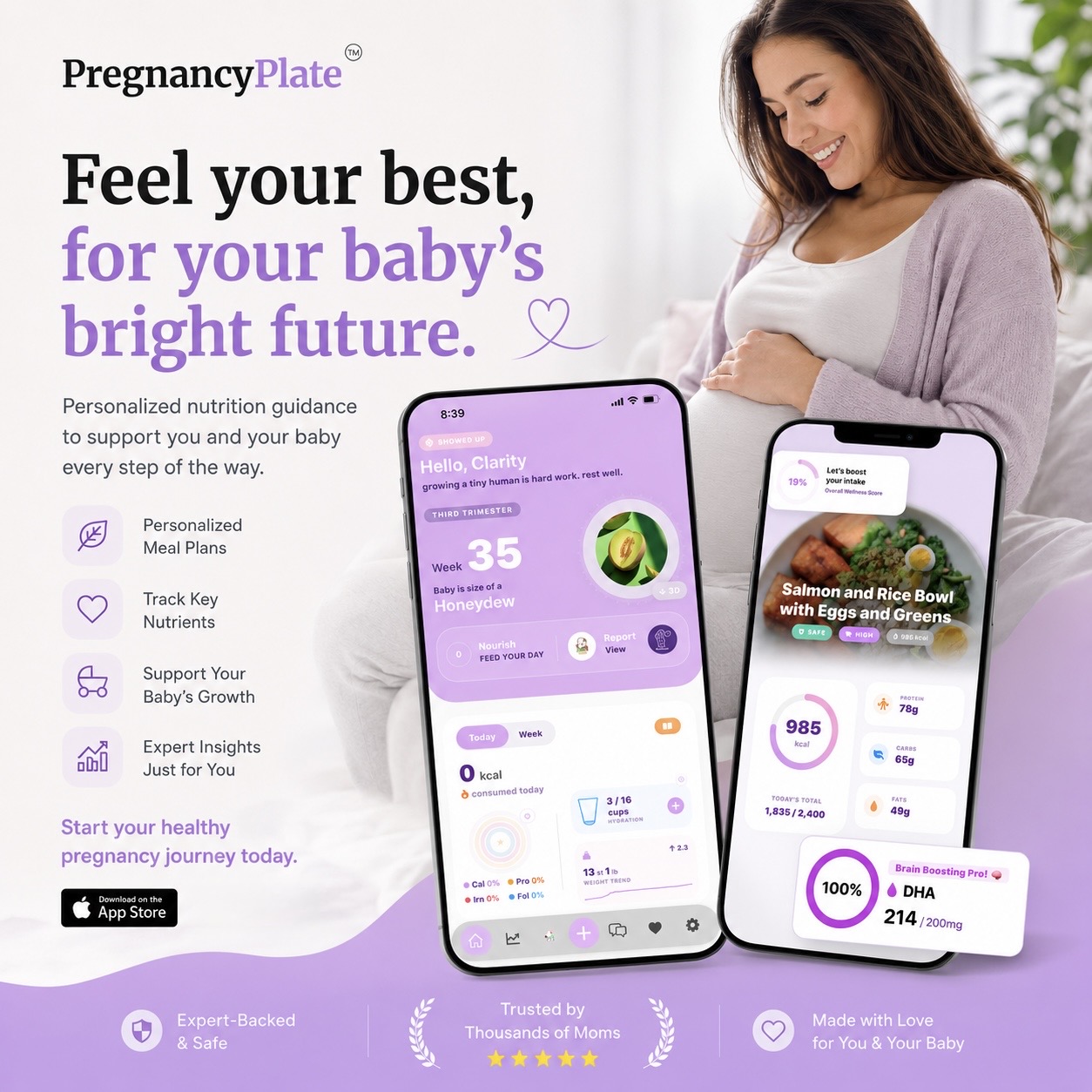
Knowing a meal is safe does not tell you whether you are getting enough iron, folate, calcium and choline. PregnancyPlate tracks all of it from a photo of your plate.
- See nutrient progress
- Scan meals instantly
- Nourish with confidence
 Scan to download
Open with iPhone camera
Scan to download
Open with iPhone camera
The Brie Dilemma: Indulgence vs. Safety
Brie is the undisputed queen of the cheese board. Creamy, buttery, and decadent, it’s a favorite for celebrations and cozy nights in. But for the pregnant woman, Brie often becomes a source of high-level anxiety. You’ve likely heard conflicting advice: some say "just cutting the rind off" is enough, others say it’s fine if it’s pasteurized, and others say to avoid it entirely.
In this guide, we are looking at the 2026 food safety protocols to explain why most common advice about Brie is wrong - and how you can still enjoy this luxury without any risk to your baby.
The Rind vs. The Paste: Debunking the Myth
A common myth suggests that because *Listeria* typically grows on the surface of cheese, cutting off the white "bloomy" rind makes the internal "paste" safe to eat. This is critically incorrect.
*Listeria monocytogenes* is a systemic bacterium. Because soft-ripened cheeses like Brie have a very high moisture content and a high "water activity" levels, any bacteria present on the rind can easily migrate into the center of the cheese. Furthermore, the handling process of cutting the rind off actually increases the risk of "cross-contamination" as your knife passes through the rind and into the center.
Why "Pasteurized" Isn't a Green Light for Cold Brie
In the United States, almost all Brie is made with pasteurized milk. While pasteurization kills bacteria in the initial milk, the re-contamination risk for Brie occurs during the aging process. Brie is aged in damp, cool environments - exactly where *Listeria* thrives. Because Brie is not an "acidic" cheese (like Ricotta), it lacks the natural chemical barriers to stop bacteria from multiplying once they land on the surface.
📌 The FDA Classification
The FDA and CDC maintain that soft-ripened cheeses (Brie, Camembert, Gorgonzola) should be avoided during pregnancy unless they are heated to internal temperatures that kill pathogens. For Brie, that threshold is 165°F (74°C).
The 165°F Solution: The Art of the Baked Brie
The good news? Heat is the ultimate equalizer. *Listeria* cannot survive a trip to a hot oven. When you bake Brie until it is "bubbling and steaming hot" in the center, you have effectively sterilized the cheese.
The Safety Check: It isn't enough for the outside to be warm. The center must be liquid. If you use a food thermometer, look for 165°F. If not, ensure the cheese is actively bubbling when pulled from the oven and eat it while it is still steaming hot. Do not let it cool back down to room temperature for hours on a party platter.
Nutritional Value: High Fat, Higher Gains?
Brie isn't just about the flavor. It provides several key nutrients that support a growing baby:
- Vitamin B12: Crucial for the development of the baby's central nervous system and brain function.
- Phosphorus: Helps build strong bones alongside Calcium.
- Satiety: The high fat content in Brie (when enjoyed in moderation) helps you feel full and satisfied, which can prevent the "Sugar Rollercoaster" common in the second trimester.
Trimester-Specific Indulgence
- Trimester 1 (The Salt Signal): If you are struggling with "Vague Nausea" but craving something salty and rich, a small wedge of baked Brie on a cracker can be more palatable than a heavy meat-based meal.
- Trimester 2 (The Social Trimester): This is when most baby showers and dinner parties happen. Be the person who brings the Baked Brie. You ensure there is a safe, luxury option for yourself while impressing everyone else.
- Trimester 3 (Avoiding Reflux): Because Brie is high in fat, it can slow down digestion. If you are prone to late-night heartburn, enjoy your Brie at lunch rather than late at night to give your body time to process it.
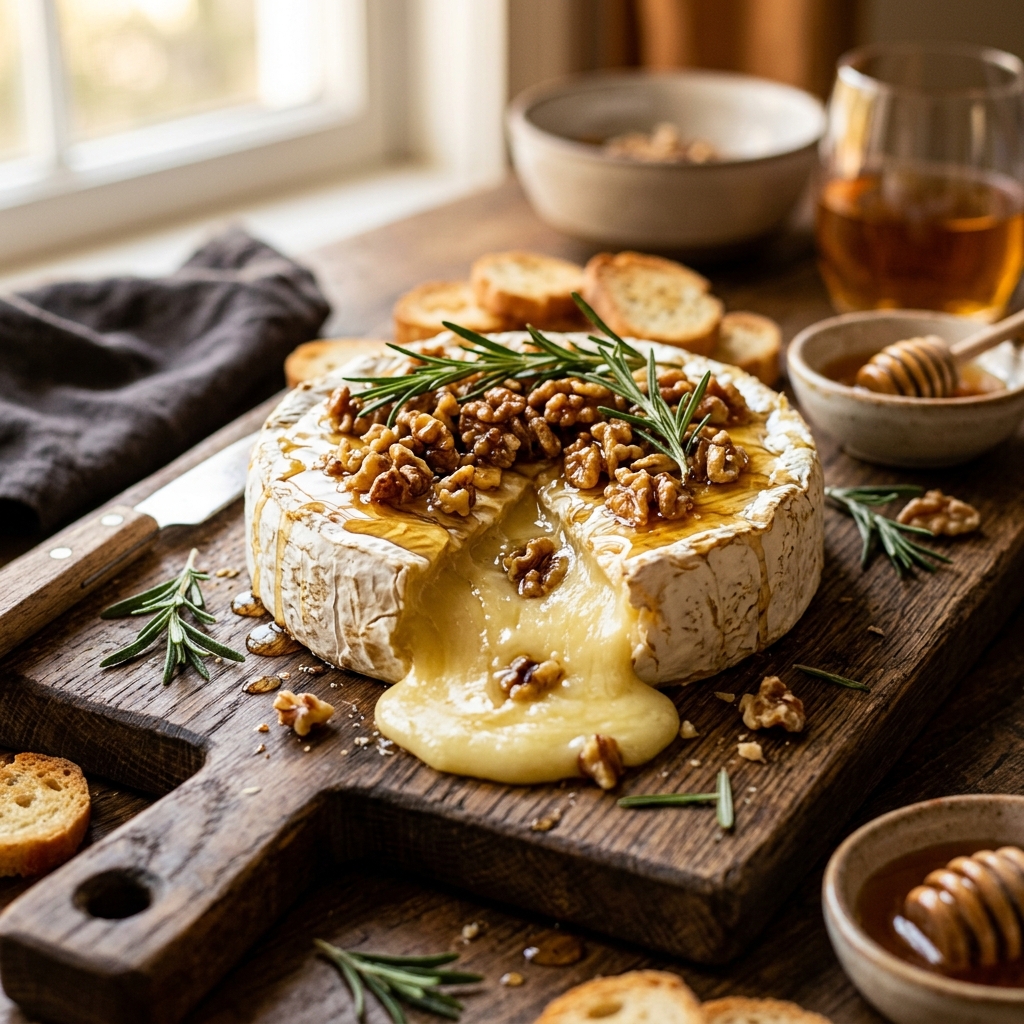
Recipe: The "Safe Harbor" Baked Brie
- Preheat your oven to 350°F (175°C).
- Place a 8oz wheel of pasteurized Brie in a small oven-safe dish.
- Score the top of the rind in a crosshatch pattern (don't remove it!).
- Top with a tablespoon of honey, a sprig of fresh rosemary, and a handful of chopped walnuts.
- Bake for 15-18 minutes until the center is completely liquid and bubbling.
- Serve immediately with sliced, toasted baguette or apple slices.
Frequently Asked Questions (FAQ)
What if I accidentally ate cold Brie?
Don't panic. While the *risk* is higher, the actual *incidence* of Listeria in modern, pasteurized commercial Brie is still relatively low. Monitor yourself for flu-like symptoms (fever, chills, muscle aches) over the next few weeks. If you feel unwell, contact your OBGYN. In 2026, we have very effective diagnostic tools for early detection.
Is "Whipped Brie" safe?
Only if it was heated first. Most whipped Brie sold in containers is cold-processed, meaning the risk remains the same as a regular wheel. Skip the store-bought whipped tubs and make your own "Hot Whipped" version by melting a wheel and then whisking it.
Can I eat "Pasteurized" Brie from France?
Be careful. Many European Bries are "Lait Cru" (Raw Milk). Even if they are pasteurized for export, the "Long-Haul" transport and storage increase the window for bacterial growth. For pregnancy, we recommend domestic, U.S.-produced pasteurized wheels for the shortest supply chain and maximum freshness.
The Science of Listeria: Why Brie is the "Perfect Home"
To understand why we are so strict about cold Brie, we have to look at its biological makeup. Bacteria like *Listeria* are "moisture-seekers." Most hard cheeses (like Cheddar or Parmesan) have very little water, which makes it hard for bacteria to survive. Brie, however, is a "high-moisture" cheese.
Furthermore, most cheeses are acidic, which acts as a natural preservative. Brie has a neutral pH (around 6.0 to 7.0), which is exactly where *Listeria* thrives. Because it is a "soft-ripened" cheese, it remains "alive" as it ages, creating a dynamic environment where a single microscopic bacterium can multiply into a dangerous colony within days. In 2026, we utilize metagenomic sequencing to track these pathogens, and Brie remains one of the most frequent candidates for the "High-Risk Environment" list.
The Cross-Contamination Danger: Shared Knives
Even if you are careful, a party environment poses a unique threat. If a guest uses the same knife to cut a piece of unpasteurized blue cheese and then uses it on your "Safe" pasteurized Brie, the bacteria have been transferred.
⚠️ The "Party Platter" Protocol
If you are at a social gathering, never eat from a communal cheese board. You don't know the provenance of the other cheeses, and you don't know if the knives have been cross-contaminated. If you want Brie at a wedding or party, ask for a piece that is fresh from the kitchen, or better yet, suggest it be baked - everyone loves baked Brie anyway!
Double-Cream vs. Triple-Cream: Does Fat Matter?
Many luxury Bries are labeled as "Triple Cream," meaning they have a higher butterfat content. While this makes them move velvety, it doesn't change the safety profile. Whether it's 60% fat or 75% fat, the moisture level remains high. The safety concern is purely about the water activity and pH, not the fat. So, whether you're indulging in a standard Brie or a decadent triple-cream Saint-André, the 165°F rule remains your golden standard.
The Holiday Survival Guide: Thanksgiving & Christmas
The holidays are "Brie Season." From cranberry-topped wheels to Brie-stuffed mushrooms, it's everywhere.
- Brie-Stuffed Toasts: Safe, because they are toasted (heated) until the cheese melts.
- Cranberry Brie Bites: Safe, usually baked in puff pastry until bubbling.
- The "Secret" Ingredient: Many holiday dips use Brie as a base. Always ask the host: "Was this heated through?" If it's a cold dip, skip it. If it's a hot, gooey dip, you're in the clear.
Safe Alternatives (If you can't bake it)
If you are at a hotel or a location without an oven and you are craving that creamy texture, try these Pregnancy-Safe Swaps:
- Whipped Cream Cheese: Pasteurized, low-risk, and can be mixed with herbs to mimic the savory profile of Brie.
- Laughing Cow Wedges: Highly processed, shelf-stable, and 100% pasteurized. They provide the "creamy spread" experience without the Listeria baggage.
- Boursin: A gourmand garlic-and-herb cheese that is pasteurized and has a lower moisture content than Brie, making it much safer for cold consumption.
Frequently Asked Questions (FAQ)
What if I accidentally ate cold Brie?
Don't panic. While the *risk* is higher, the actual *incidence* of Listeria in modern, pasteurized commercial Brie is still relatively low. Monitor yourself for flu-like symptoms (fever, chills, muscle aches) over the next few weeks. If you feel unwell, contact your OBGYN. In 2026, we have very effective diagnostic tools for early detection.
Is "Whipped Brie" safe?
Only if it was heated first. Most whipped Brie sold in containers is cold-processed, meaning the risk remains the same as a regular wheel. Skip the store-bought whipped tubs and make your own "Hot Whipped" version by melting a wheel and then whisking it.
Can I eat "Pasteurized" Brie from France?
Be careful. Many European Bries are "Lait Cru" (Raw Milk). Even if they are pasteurized for export, the "Long-Haul" transport and storage increase the window for bacterial growth. For pregnancy, we recommend domestic, U.S.-produced pasteurized wheels for the shortest supply chain and maximum freshness.
Knowledge Check: Quiz
🧠 Brie Safety Quiz
Q: Is Brie safe if I cut off the white fuzzy rind?
A: No. Bacteria can live throughout the soft "paste" of the cheese. Cutting the rind off is a dangerous myth. Only heat can guarantee safety.
The Final Verdict
Brie is safe for pregnancy ONLY when baked or cooked until piping hot (165°F). The "Cold Brie Ban" is real, but it doesn't mean you have to miss out on the flavor. By following the 165°F rule, you can enjoy one of the world's most luxurious cheeses with total peace of mind. Your baby’s brain development will thank you for those healthy B12 fats!
Related Reading
For more dairy and lifestyle safety, check out: The Ricotta Safety Guide, The Cream Cheese Deep-Dive, and our Tilapia Mercury Audit. If you're a fan of Italian food, don't miss our Fresh Mozzarella Guide.
Download the PregnancyPlate App and use our Cheese Safe-List. We maintain a live, updated database of commercial cheese brands and their pasteurization/safety status. Just scan the barcode and we'll tell you: "Cold Safe," "Heat Required," or "Avoid."
Meet the Editorial Team
The researchers and experts behind PregnancyPlate.

Fiza Izra
Founder & Tech Researcher
A UK-based mother of 3 with a background in tech and data synthesis, Fiza brings real-world experience navigating hyperemesis gravidarum and postnatal depression. She engineers complex clinical guidelines (NHS, ACOG) into accessible tools, ensuring rigorous fact-checking with deep empathy.

Emma Davies
Senior Nutrition Editor
A mum and writer, Emma runs our food safety desk. She is the one who rings the restaurant to ask how long the lettuce sits out, checks every claim against CDC, FDA and NHS guidance, and rewrites the answer until it is usable at 9pm in a drive-thru queue.