The "Chicken Aversion" Survival Guide: How to Get Protein When Meat Makes You Gag
One of the most common pregnancy symptoms is a sudden, intense disgust for chicken. Here is the biological reason why it happens, and how to comfortably hit your protein goals without the gag reflex.
In this article
Editorial note: This article is researched from official public health and pregnancy food safety guidance, then edited by the PregnancyPlate team for clarity. It is not medical advice. If you are worried about symptoms or a specific exposure, contact your midwife, GP or healthcare provider.
The Chicken Crisis: When Your Favorite Meal Turns Toxic
It usually happens around week six or seven. You open the refrigerator, catch a faint whiff of raw chicken, and an intense wave of nausea knocks you backward. Or perhaps you sit down to a beautifully roasted chicken breast that you used to love - and suddenly, the texture feels entirely foreign, the smell is overwhelming, and your brain screams, "Absolutely not."
Welcome to the Pregnancy Meat Aversion. If you are reading this through waves of morning sickness, take a deep breath: you are not alone, you are not failing your baby, and you do not have to force down another bite of dry poultry. The "chicken aversion" is one of the most widely reported phenomena in early pregnancy, yet it triggers immense anxiety. How on earth are you supposed to reach the recommended 75 to 100 grams of protein a day if looking at a chicken breast makes you want to throw up?
Let’s dive into the fascinating biological reasons behind this aversion, how long it usually lasts, and exactly how to fulfill your critical protein requirements using foods you can actually stomach.
The Biology of Disgust: Why Chicken?
First, it is important to understand that your sudden hatred of chicken is not a psychological phase. It is a highly evolved, biological defense mechanism deeply tied to your changing hormones.
The Olfactory Hyperdrive (hCG effect)
As your levels of hCG (Human Chorionic Gonadotropin) skyrocket in the first trimester, it directly impacts the olfactory center in your brain. Your sense of smell becomes superhuman. Unfortunately, this means you can suddenly detect the absolute faintest traces of amines and sulfur compounds found in animal proteins - especially poultry and pork.
The "Toxin Defense" Theory
Evolutionary biologists have long studied pregnancy aversions. The leading theory (often called the Prophylaxis Hypothesis) suggests that morning sickness and meat aversions evolved to protect the mother and the highly vulnerable first-trimester fetus from potentially spoiled food and foodborne pathogens (like Salmonella and Listeria). Because historically, meat was the most dangerous vector for deadly bacteria, pregnant women evolved a hypersensitive "disgust" trigger specifically linked to raw or cooking animal flesh.
The Texture Overload
It isn't just the smell. The fibrous, chewy texture of warm chicken often triggers the overactive gag reflex common in pregnancy. Many women find that they can tolerate cold, sliced turkey from a deli, but a warm, hot chicken breast is entirely repulsive.
💡 When Will It End?
For the vast majority of women, severe meat aversions begin to fade as the placenta completely takes over hormone production between weeks 12 and 16. However, for a small percentage of women, the aversion can linger deep into the third trimester. Do not panic if it doesn't vanish perfectly at week 12.
The Great Protein Myth: You Don't Need Meat
When the chicken aversion hits, many women panic, believing they are starving their growing baby of essential building blocks. However, your body is incredibly efficient, and amino acids are exactly the same whether they come from a chicken breast or a bowl of lentils. Your goal is roughly 75 to 100 grams of protein per day (depending on your starting weight and whether you are carrying multiples). You can absolutely hit this target without touching a single piece of meat.
The trick in the first trimester is finding proteins that are bland, cold, or easily hidden.
Top "No-Cook" and "Bland" Protein Alternatives
Greek Yogurt and Skyr (The Stealth Protein)
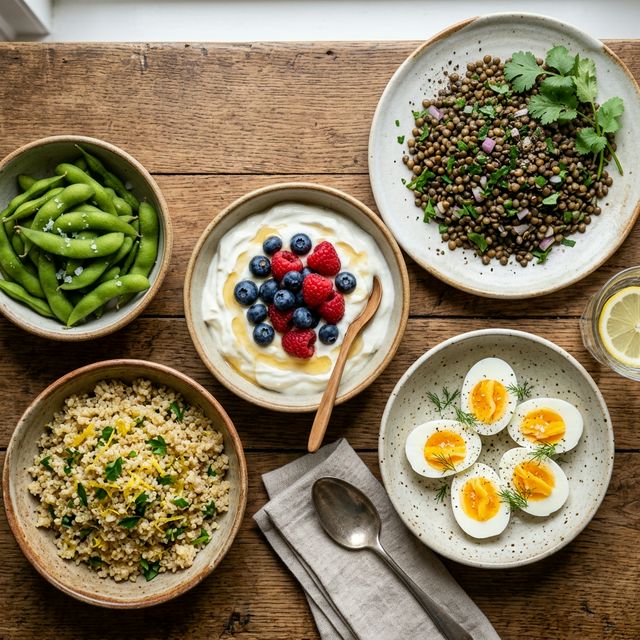
Traditional yogurt is okay, but authentic Greek Yogurt or Icelandic Skyr is a protein powerhouse. A single, standard cup of plain, non-fat Greek yogurt contains a staggering 20 to 22 grams of protein. That is roughly the equivalent of three full eggs! Because it is served cold, it avoids the smell triggers, and its tangy, smooth texture often sits very well on nauseous stomachs.
- How to use it: Blend it into a smoothie, mix it with a tiny bit of honey and basic cereal, or use it as a substitute for sour cream on top of a baked potato.
The Cold Smoothie Strategy
When you cannot chew food because your gag reflex is too sensitive, you must drink your calories. A cold smoothie with proper ingredients can easily pack 30-40 grams of protein into a single glass.
- Base: 1 cup of cow's milk or soy milk (both contain about 8g of protein per cup; almond and oat milks contain almost none).
- Thickener: 1/2 cup Greek Yogurt (11g protein).
- The Secret Weapon: 2 tablespoons of Chia Seeds or Hemp Hearts (5-6g of high-quality plant protein, plus essential Omega-3s).
- Flavor: Frozen berries and a scoop of peanut butter (7g protein).
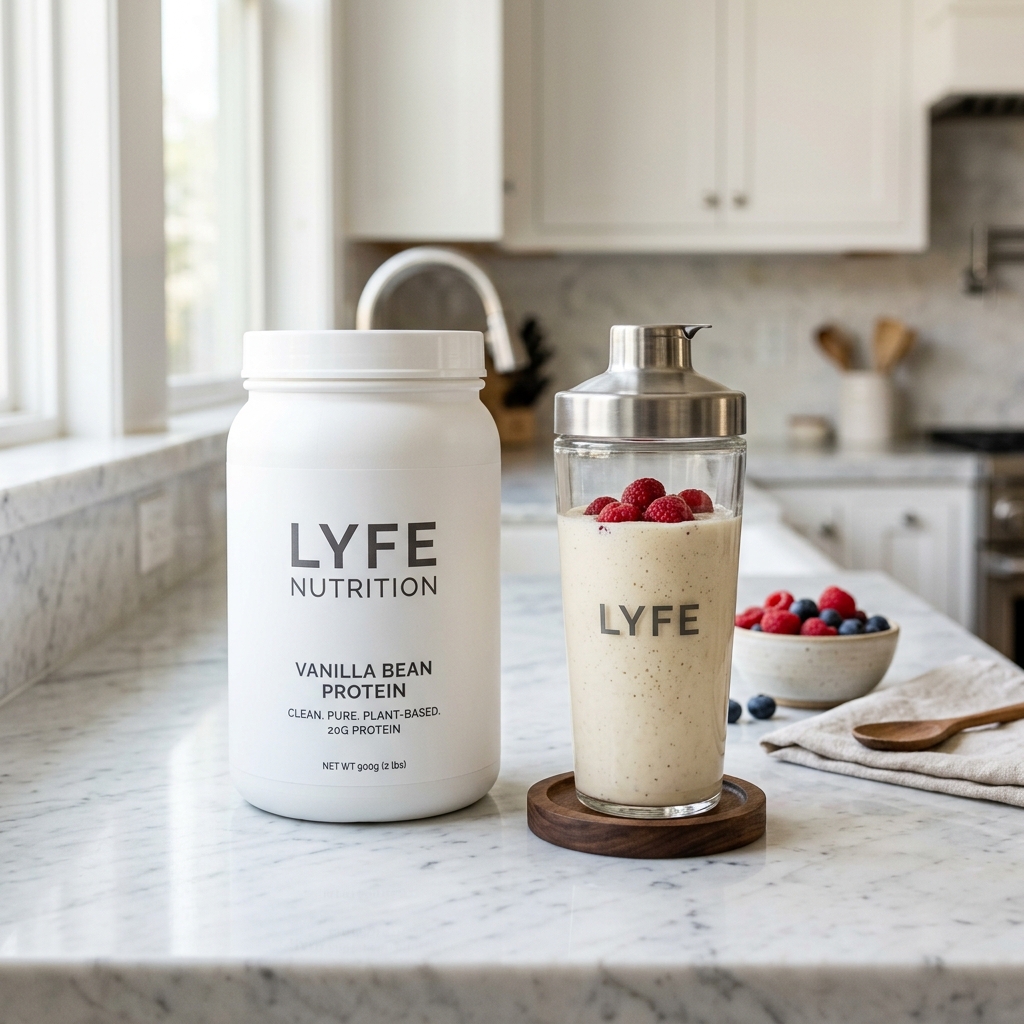
Note on Protein Powders: Be cautious with commercial "gym" protein powders. Many contain vast amounts of artificial sweeteners and unverified botanical extracts. If you use a powder, look for simple, single-ingredient grass-fed whey or pea protein isolates with no added "proprietary blends." Better yet, consult your OB before adding any supplements.
Legumes: Beans, Lentils, and Edamame
If you can handle warm, savory foods as long as they aren't fibrous meat, legumes are your absolute best friend. They are naturally high in protein, fiber (which fights pregnancy constipation), and vital micronutrients.
- Lentils: 18 grams of protein per cooked cup, plus a massive dose of iron and folate (essential for preventing neural tube defects and pregnancy anemia). A simple, bland lentil soup or a cold lentil salad with a light vinaigrette is often very well-tolerated when your stomach is sensitive.
- Edamame: 17 grams of protein per cup. Edamame served completely cold with a light dusting of coarse sea salt is an incredible, texture-friendly snack. It requires very little chewing and fights nausea by keeping your stomach engaged. Plus, soy naturally contains choline, which is crucial for early fetal brain development.
- Chickpeas: Roasted chickpeas or mild hummus on whole-grain crackers can provide a steady trickle of protein and complex carbohydrates. Keep a tub of plain hummus in your fridge as an emergency snack.
- Black Beans: 15 grams per cup. Excellent mashed into a soft paste for quesadillas if you can stomach melted cheese and soft tortillas.
Cottage Cheese (The Viral Comeback)
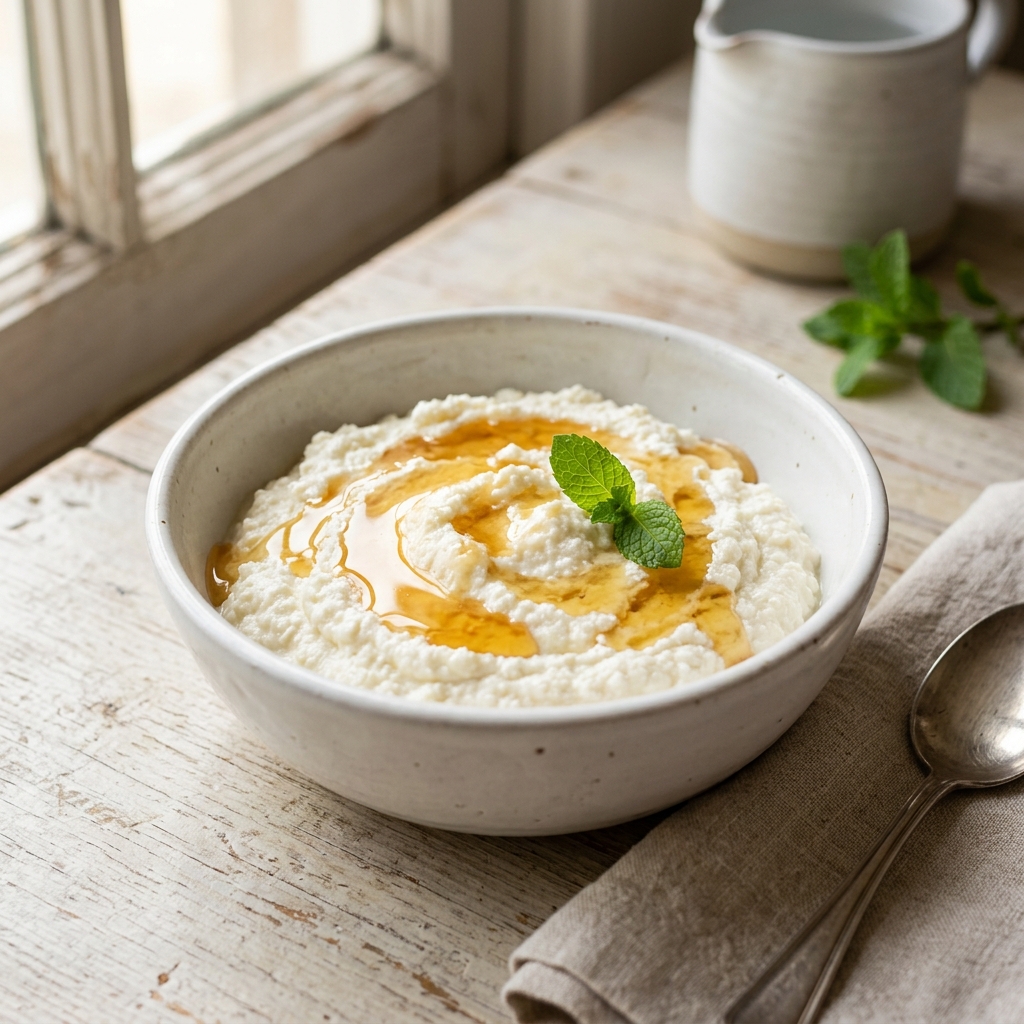
Cottage cheese is having a major moment in the nutrition world, and for good reason. A half-cup serving delivers 14 grams of highly bioavailable casein protein (a slow-digesting milk protein that keeps you full for hours and stabilizes blood sugar). If you hate the curd-like texture - which is common when battling aversions - simply throw it in a blender or food processor to whip it totally smooth.
Once whipped, it becomes a high-protein canvas. It can be hidden in pancake batter to double the protein content, blended into tomato pasta sauces to make a creamy "vodka-style" sauce without the actual cream, or spread on sourdough toast with a thick layer of strawberry jam.
What About Aversions in the Third Trimester?
For most women, the severe meat aversions fade around week 14. However, it is not uncommon for chicken aversions to return late in the third trimester. This late-stage aversion is usually not driven by the "toxin defense" olfactory response, but rather by mechanical constraints. As the baby grows, your stomach is physically compressed. Digesting heavy, dense, fibrous animal protein becomes physically uncomfortable, and your body signals you to seek out lighter, easily digestible foods like fruits, yogurts, and smoothies. Listen to your body and return to your trusted liquid or soft protein sources if needed.
"Tricking" Your Aversion: How to Hide Meat if You Want It
If you are determined to eat meat because you are craving iron, but you can't stand the sight of a whole chicken breast, try these culinary "tricks" to bypass the aversion:
Change the Temperature
Warm meat releases volatile compounds into the air, hitting your hypersensitive nose. Cold meat does not. Many women find that while a hot grilled chicken breast makes them gag, a cold, shredded chicken salad mixed with heavy mayonnaise or greek yogurt, celery, and grapes is entirely appetizing.
Change the Texture
If the fibrous chew of chicken or steak is the problem, pivot to ground meats. Very finely ground turkey or lean beef chopped into tiny crumbles and hidden inside heavily seasoned tacos, spaghetti bolognese sauce, or chili often bypasses the texture-based gag reflex completely.
The "Heavy Masking" Technique
If you are in survival mode, smother it. Cover the protein in high-acid or high-fat sauces that entirely mask the poultry flavor. Think heavy lemon juice, robust marinara, or a thick layer of melted cheese. The goal is to make your brain believe it is eating sauce, not chicken.
The Ultimate "Nausea Protein Box"
If heavy cooking sounds like torture, create a "snack box" that you keep in the fridge. By taking small, frequent nibbles throughout the day, you avoid stretching your stomach and triggering nausea, while steadily accumulating protein.
🍱 The Pregnancy Plate Snack Box
- 2 Hard-boiled eggs (12g protein): If the sulfur smell of the yolk bothers you, just eat the white!
- 1 ounce of string cheese or cheddar cubes (7g protein): Cold cheddar is incredibly bland and soothing.
- 1/4 cup of almonds or pistachios (7g protein).
- Whole wheat/protein crackers with mild peanut butter (8g protein).
- Total: ~34g of highly tolerable, bland protein without cooking a thing.
A Note on Extreme Weight Loss
While food aversions are normal, if your aversion to chicken cascades into an aversion to everything, and you are unable to keep any foods or liquids down, you must contact your healthcare provider immediately.
If you are losing weight steadily in the first trimester and experiencing severe dehydration (dark urine, dizziness, inability to keep down water), you may be suffering from Hyperemesis Gravidarum (HG). Do not try to "tough it out" or force yourself to eat chicken. HG requires medical intervention, often involving anti-nausea prescriptions like Zofran or Diclegis, and IV hydration therapy.
Knowledge Check: Scenario Quiz
🧠 Scenario Quiz
Q: You are at 8 weeks pregnant and haven't touched meat in two weeks because it smells like garbage to you. Your mother-in-law insists you force down a plate of chicken because "the baby needs meat to grow." Are you risking your baby's development?
A: NO. Your baby is happily drawing on your nutrient reserves, and as long as you are finding alternative protein sources (Greek yogurt, eggs, lentils) and taking your prenatal vitamins, your baby's development is perfectly safe. Forcing down food that makes you violently ill is counterproductive and harmful. Eat what you can tolerate.
The Final Verdict
If the mere thought of chicken sends you running for the bathroom, grant yourself immediate grace. Stop trying to cook it. The "chicken aversion" is a temporary, frustrating, but entirely normal hallmark of a robust hormone profile. Pivot to the cold, bland, non-meat alternatives, sip your smoothies, nibble your cheese cubes, and trust that this phase will eventually pass.
Related Reading
See also: The Ultimate Vegan Pregnancy Guide, Is Cold Turkey Sandwiches Safe?, and Navigating Caffeine with Morning Sickness.
Download PregnancyPlate to track your daily alternative protein intake, scan foods for listeria risks, and get personalized trimester-by-trimester recipes specifically designed to bypass morning sickness.
Meet the Editorial Team
The researchers and experts behind PregnancyPlate.

Fiza Izra
Founder & Tech Researcher
A UK-based mother of 3 with a background in tech and data synthesis, Fiza brings real-world experience navigating hyperemesis gravidarum and postnatal depression. She engineers complex clinical guidelines (NHS, ACOG) into accessible tools, ensuring rigorous fact-checking with deep empathy.

Emma Davies
Senior Nutrition Editor
A mum and writer, Emma runs our food safety desk. She is the one who rings the restaurant to ask how long the lettuce sits out, checks every claim against CDC, FDA and NHS guidance, and rewrites the answer until it is usable at 9pm in a drive-thru queue.