Is Ricotta Cheese Safe During Pregnancy? (Pasteurized vs. Unpasteurized)
Confused about soft cheeses? We explain why store-bought Ricotta is a pregnancy superfood, addressing the Listeria risk and how to safely enjoy your favorite lasagna.
In this article
Editorial note: This article is researched from official public health and pregnancy food safety guidance, then edited by the PregnancyPlate team for clarity. It is not medical advice. If you are worried about symptoms or a specific exposure, contact your midwife, GP or healthcare provider.
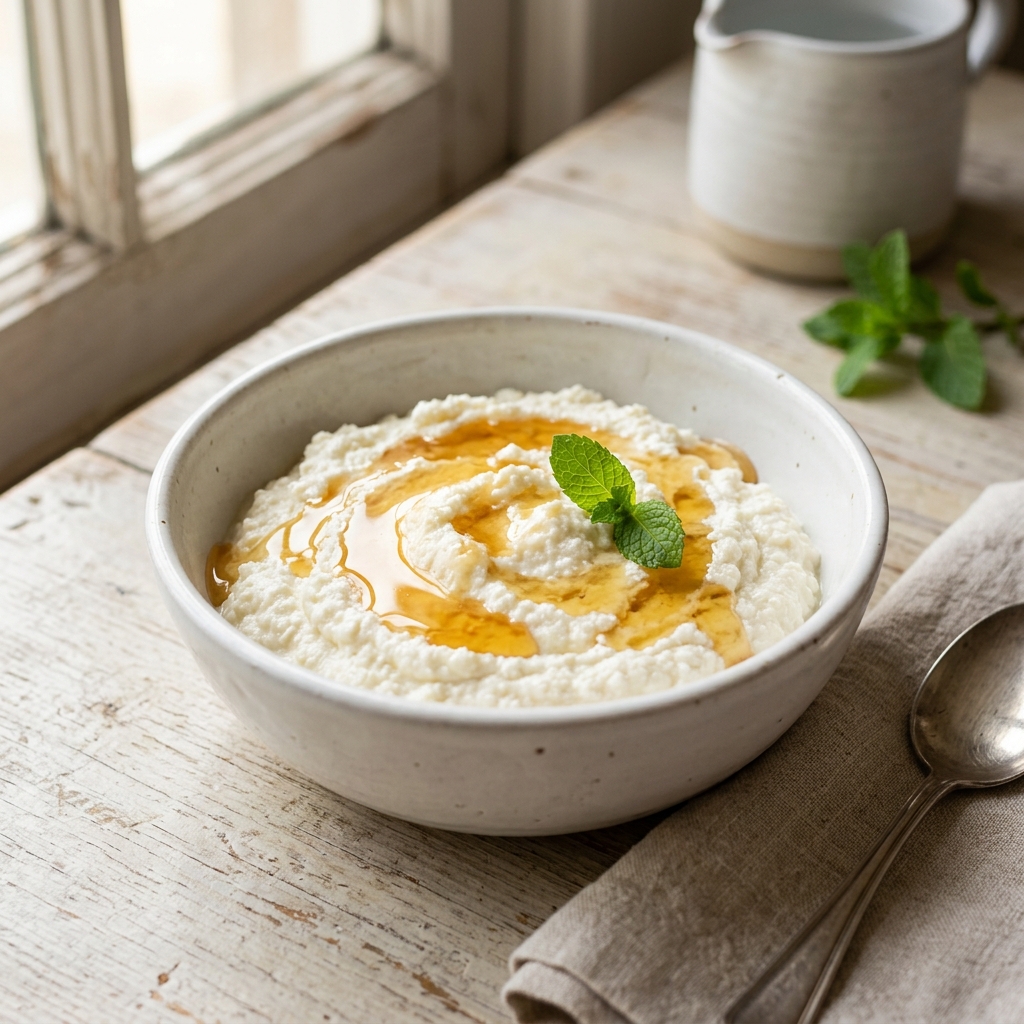
Quick Answer: Yes! Store-bought Ricotta cheese is 100% safe for pregnancy because it is made from pasteurized milk. Because Ricotta is a "fresh" cheese that is heated during production, it does not carry the same *Listeria* risks as soft-ripened cheeses like Brie or Camembert. Just avoid "raw" or "unpasteurized" Ricotta often found at farmers' markets.
Check Your Cheese SafetySafety is step one. Nutrition helps your baby thrive.
Knowing a meal is safe does not tell you whether you are getting enough iron, folate, calcium and choline. PregnancyPlate tracks all of it from a photo of your plate.
- See nutrient progress
- Scan meals instantly
- Nourish with confidence
 Scan to download
Open with iPhone camera
Scan to download
Open with iPhone camera
The Soft Cheese Panic: Why Ricotta is Different
The moment you see two pink lines, a list of "Forbidden Foods" starts circulating. Near the top of that list is usually "Soft Cheese." This leads many expectant mothers to abandon their favorite lasagnas, stuffed shells, and cannolis out of fear. However, Ricotta is often unfairly lumped into the same category as feta or gorgonzola. In 2026, we have high-precision pasteurization standards that make Ricotta one of the safest and most nutritionally dense foods you can eat while pregnant.
In this guide, we’ll explain the science of how Ricotta is made, why it’s a "Whey Protein" powerhouse, and the one specific scenario where you *should* actually be cautious.
The Science of Pasteurization
Pasteurization is the process of heating milk to a specific temperature (usually 161°F for 15 seconds) to kill harmful bacteria like *Listeria monocytogenes.* Since Ricotta is made by heating whey or milk with an acid (like lemon juice or vinegar), it effectively undergoes a double-heat process. This makes it an extremely "clean" product from a bacterial standpoint.
Pastuerized vs. Unpasteurized: The Farmers Market Rule
While 99% of Ricotta in the supermarket is safe, you must be careful with "Artisanal" or "Small-Batch" varieties. Some small dairies or farmers' market vendors use raw, unpasteurized milk to preserve the "native flora" of the cheese. While this may be fine for the average person, it is a strictly "No-Go" zone for pregnancy.
🔍 How to Read the Label
If the label does not explicitly state "Made with Pasteurized Milk," do not buy it. In 2026, most luxury brands will highlight pasteurization right on the front of the packaging to cater to the safety-conscious consumer. If you're at a restaurant, simply ask: "Is the ricotta in the lasagna pasteurized?" Most reputable chefs will know the answer immediately.
Nutritional Powerhouse: The Benefits of Whey
Unlike many other cheeses that are primarily curd-based (casein), Ricotta is made primarily from Whey. This is a massive nutritional win for you and your baby:
- High Bioavailability: Whey protein is absorbed more quickly and efficiently by your body than almost any other protein source.
- Elite Calcium: A single half-cup serving of Ricotta provides nearly 25% of your Daily Value for calcium, which is essential as your baby begins to mineralize their skeleton in the second trimester.
- Low Sodium: Compared to mozzarella or cheddar, Ricotta is naturally lower in salt, making it an excellent choice for women monitoring their blood pressure or managing edema (swelling).
Cooking with Ricotta: Lasagna & Stuffed Shells
If you are still nervous about Listeria, the best solution is to Heat It Up. Bacteria like *Listeria* cannot survive temperatures above 165°F. When you bake ricotta inside a lasagna or stuffed shells, the internal temperature usually reaches 180°F-200°F. This eliminates any theoretical risk, leaving you with a meal that is 100% safe.
Trimester-Specific Strategy
- Trimester 1 (Managing Nausea): Ricotta has a very mild, non-offensive aroma. If you are struggling with the smell of meat or grilled fish, a cold Ricotta toast can be a life-saver for hitting your protein goals.
- Trimester 2 (Bone Development): This is the "Calcium Golden Hour." Your baby is building their primary bone structure. Ricotta’s high calcium-to-calorie ratio is perfect for these months.
- Trimester 3 (Reflux Management): Many cheeses are high in fat and can trigger late-night heartburn. Ricotta is generally lower in fat than aged cheeses (like sharp cheddar), making it a "Gentle" dairy choice for the final weeks.
Recipe: The "Pregnancy Power" Ricotta Toast
This is our editorial team's favorite 5-minute breakfast:
- Toast a slice of whole-grain sourdough (Complex carbs for steady energy).
- Spead 1/2 cup of whole-milk pasteurized Ricotta (Protein + Calcium).
- Top with sliced strawberries (Vitamin C to help absorb the iron in the sourdough).
- Drizzle with a tiny bit of honey or balsamic glaze.
This meal provides the perfect balance of macros to prevent mid-morning blood sugar crashes.
Frequently Asked Questions (FAQ)
Is Ricotta "Raw" if it's not baked?
No. In the context of cheese, "Raw" refers to the milk not being pasteurized. If the tub in your fridge says "Pasteurized," you can eat it straight from the container with a spoon. It's already been "cooked" at the factory.
Can I eat Ricotta in a Cannoli?
Yes! As long as the bakery uses pasteurized ricotta (which almost all commercial bakeries do). The only risk in a cannoli is the sugar content - so enjoy in moderation!
Whay about "Homemade" Ricotta?
If you make it yourself using pasteurized milk from the store, it is 100% safe. Home-making ricotta involves boiling the milk, which is a second level of protection.
The Chemistry of Fresh Cheese: Why Ricotta Wins
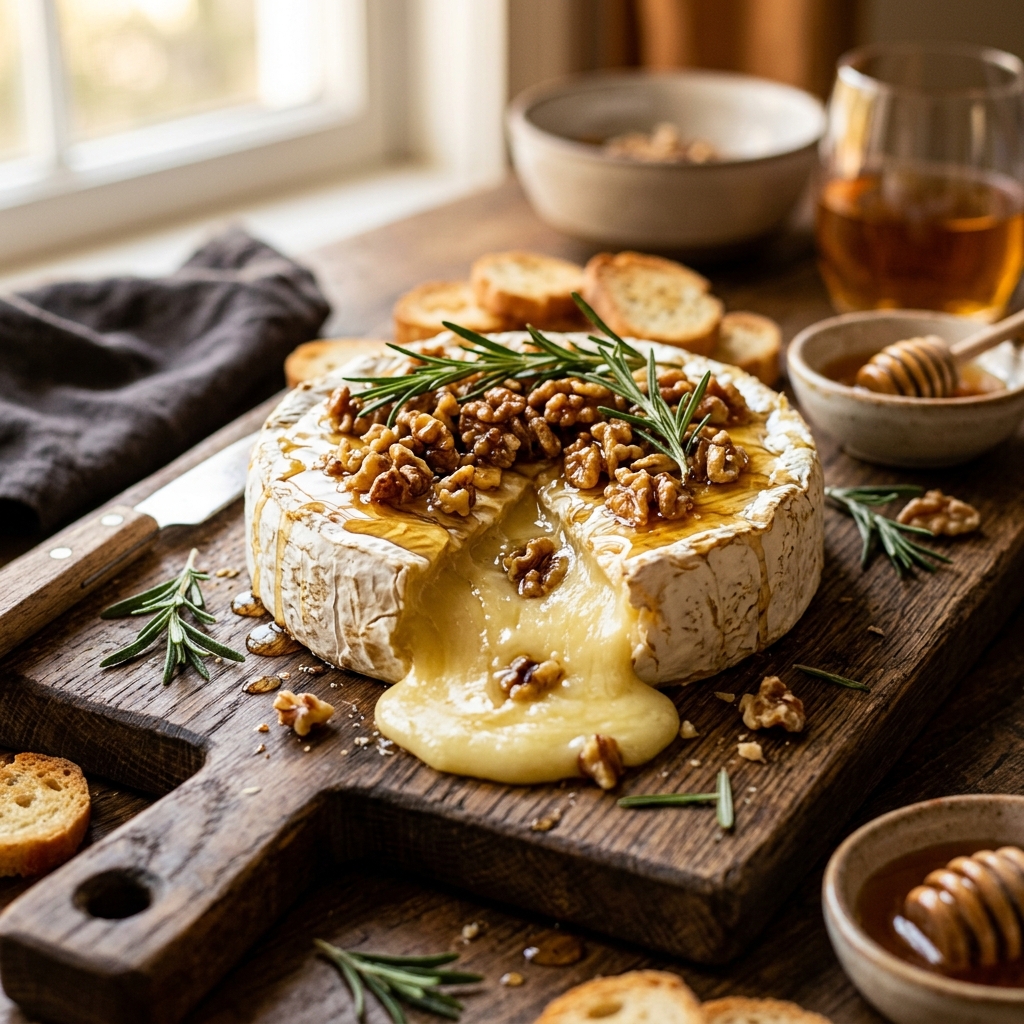
To understand why Ricotta is safer than Brie, we have to look at the chemistry. Soft-ripened cheeses like Brie are "aged" and have a high moisture content with a neutral pH, which is the perfect breeding ground for *Listeria.* Ricotta, however, is an "acid-set" cheese. During production, a food-grade acid (like citric acid or vinegar) is added to the milk. This slightly lowers the pH, and combined with the high-heat boiling point required to separate the curds from the whey, it creates an environment that is hostile to pathogens.
In 2026, many premium brands also use HPP (High-Pressure Processing) on their Ricotta containers, which uses pressure instead of heat to eliminate any dormant bacteria without changing the creamy texture. This "Double Shield" of acid-heat and pressure makes Ricotta a scientific safety leader in the dairy aisle.
The Bioavailability of Whey: Building Baby's Organs
While most cheeses are made of Casein (the "slow" protein), Ricotta is unique because it is traditionally made from the Whey left over from other cheese production. From a prenatal perspective, whey is the "Fast-Track" protein. It contains all nine essential amino acids and is absorbed by your bloodstream faster than any other protein source.
During the second trimester, when your baby's organs (particularly the liver and kidneys) are undergoing rapid structural finalization, the high-leucine content of whey protein in Ricotta provides the precise building blocks required for healthy tissue synthesis. It’s essentially a "Natural Protein Shake" in cheese form.
Culinary Substitutions: Ricotta vs. Mascarpone
Many mothers find themselves in a dilemma when a recipe calls for Mascarpone (the base for Tiramisu). Mascarpone is often unpasteurized when sourced from high-end Italian importers. The Pregnancy Hack: Substitute Mascarpone with a 50/50 blend of pasteurized Ricotta and heavy cream. You get the same decadent, velvety texture with 100% of the safety profile of a pasteurized product.
Social Scenarios: The Italian House Party
You’re at a party, and there’s a massive tray of manicotti or a bowl of cannoli dip. What do you do?
- The Temperature Test: If the Ricotta dish is steaming hot (like baked manicotti), you are 100% safe. Heat is the ultimate killer of Listeria.
- The "House-Made" Question: If a host says they "made the cheese from scratch," ask if they used store-bought milk. If they used raw milk from a local farm, politely decline. If they used pasteurized milk from the grocery store, it’s safe.
- The Buffet Rule: Cold Ricotta dips at a buffet should be avoided if they’ve been sitting out for more than 2 hours. Freshness is just as important as pasteurization.
Ethical Dairy: Choosing Grass-Fed Ricotta
If you want to maximize the health benefits, look for Grass-Fed Ricotta. Research shows that milk from grass-fed cows contains up to 50% more Omega-3 fatty acids than grain-fed varieties. While Tilapia and Salmon are your primary DHA sources, every little bit helps with the baby's brain and eye development. Plus, grass-fed dairy is higher in CLA (Conjugated Linoleic Acid), which may help manage your own healthy weight gain during the third trimester.
Frequently Asked Questions (FAQ)
Is Ricotta "Raw" if it's not baked?
No. In the context of cheese, "Raw" refers to the milk not being pasteurized. If the tub in your fridge says "Pasteurized," you can eat it straight from the container with a spoon. It's already been "cooked" at the factory. You do not need to bake it for it to be safe.
Can I eat Ricotta in a Cannoli?
Yes! As long as the bakery uses pasteurized ricotta (which 99% of commercial bakeries do). The only risk in a cannoli is the high sugar content - so enjoy it as a treat, not a meal!
Whay about "Homemade" Ricotta?
If you make it yourself using pasteurized milk from the store, it is 100% safe. The process of making home-made ricotta involves boiling the milk and adding an acid, which is a second level of bacterial protection.
What if I accidentally ate unpasteurized Ricotta?
Don't panic. The risk of *Listeria* contamination, even in unpasteurized cheese, is statistically very low. However, monitor yourself for flu-like symptoms (fever, muscle aches, fatigue). If you feel unwell, contact your OBGYN immediately. In 2026, we have extremely effective treatments that can prevent the infection from reaching the baby if caught early.
Knowledge Check: Quiz
🧠 Ricotta Safety Quiz
Q: Does the "Soft Cheese Rule" apply to Ricotta?
A: No. The "Avoid Soft Cheese" rule mainly applies to soft-ripened cheeses with "rinds" (like Brie) or blue-veined cheeses (like Roquefort). Fresh, acid-set cheeses like Ricotta, Cottage Cheese, and Cream Cheese are in the "Safe Zone" as long as they are pasteurized.
Conclusion
Ricotta is a pregnancy "MVP." It's versatile, mild, and packed with the whey protein and calcium your baby needs for skeletal and muscular development. As long as you stick to pasteurized, store-bought brands, you can keep your Italian dinner nights on the calendar with total confidence. Your baby’s bones - and your peace of mind - will thank you.
Related Reading
For more dairy and lifestyle safety, check out: The Cream Cheese Deep-Dive, The Smoked Salmon Guide, and our Tilapia Mercury Audit. Don't miss our guide to Taco Bell Safety if you're craving a quick meal.
Download the PregnancyPlate App and use our Dairy Safety Scanner. We can tell you in real-time which cheeses are pasteurized and track your Daily Calcium Progress. We even offer heartburn-friendly recipes using Ricotta for those tough third-trimester nights. Join our community of 2M+ moms who dine with data, not doubt.
Meet the Editorial Team
The researchers and experts behind PregnancyPlate.

Fiza Izra
Founder & Tech Researcher
A UK-based mother of 3 with a background in tech and data synthesis, Fiza brings real-world experience navigating hyperemesis gravidarum and postnatal depression. She engineers complex clinical guidelines (NHS, ACOG) into accessible tools, ensuring rigorous fact-checking with deep empathy.

Emma Davies
Senior Nutrition Editor
A mum and writer, Emma runs our food safety desk. She is the one who rings the restaurant to ask how long the lettuce sits out, checks every claim against CDC, FDA and NHS guidance, and rewrites the answer until it is usable at 9pm in a drive-thru queue.