Can You Eat Grapes While Pregnant? Safety Rules & Sugar Limits
Can you eat grapes while pregnant? Yes! We debunk the harmful internet myths, explain the amazing health benefits of resveratrol, and show you exactly how to wash them safely.
In this article

Editorial note: This article is researched from official public health and pregnancy food safety guidance, then edited by the PregnancyPlate team for clarity. It is not medical advice. If you are worried about symptoms or a specific exposure, contact your midwife, GP or healthcare provider.
The Grape Safety Audit: Grapes are a powerhouse of hydration and antioxidants, but they are also surrounded by pregnancy myths - from "internal heat" to the risks of resveratrol. In 2026, we apply clinical scrutiny to this fruit to separate tradition from science.
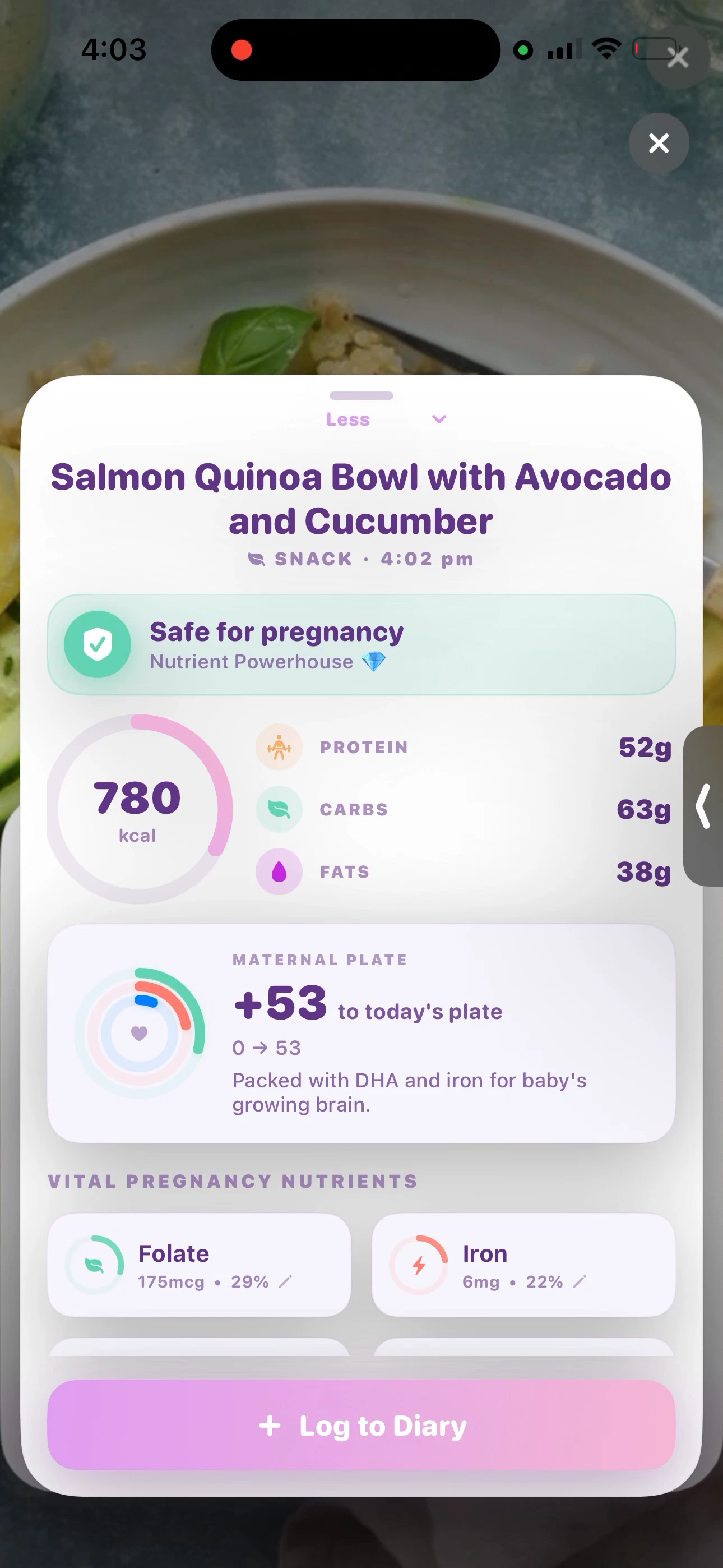
Track Your Fruit Intake on PregnancyPlateYour next meal, a little less guesswork.
Scan your plate for pregnancy food-safety guidance and a nutrition breakdown. Keep your meals and nutrient progress in one place.
 Scan with your iPhone
to get the app
Throughout the 40 weeks of gestation, fruit consumption is a cornerstone of a healthy prenatal diet. Grapes, in particular, offer a unique combination of Vitamin K, Vitamin C, and Manganese, alongside a high water content that helps manage the systemic dehydration common in the second and third trimesters. However, for an expectant mother in 2026, the question "Can I eat grapes?" is often complicated by conflicting advice from elders, internet forums, and outdated nutrition guides. Whether you are worried about the "heat" they supposedly generate or the chemical residues on their skins, this authoritative guide provides the clinical filters you need to enjoy grapes safely. We examine the molecular pathways of resveratrol, the impact of trace minerals on fetal brain architecture, and the global regulatory landscape of pesticide residues.
The "Internal Heat" Myth: A Clinical Audit of Tradition
In many traditional cultures, particularly within the frameworks of Traditional Chinese Medicine (TCM) and Ayurveda, grapes are often classified as a "hot" or "unstable" food. In TCM, the balance of Yin (cooling) and Yang (heating) is paramount. Grapes are sometimes viewed as overly Yang, with the fear being that this "heat" can stimulate the uterus, leading to spotting or even miscarriage. Clinical Verdict: Modern obstetrics in 2026 finds zero evidence to support the idea that grapes increase internal body temperature or pose a risk to the stability of the pregnancy. The concept of "heat" in traditional medicine usually refers to the metabolic rate or the inflammatory response. While grapes contain natural sugars that can provide a quick surge of energy (which might feel like a "flush"), they do not impact the thermal regulation of the womb. For a healthy woman, grapes are actually a cooling and hydrating snack, perfect for managing the increased core temperature often felt in the third trimester. Furthermore, Ayurveda actually classifies grapes (Draksha) as "Vata-Pitta" balancing, which means they are traditionally used to soothe the nervous system and cool the digestive tract, contradicting the "heat" myth found in other regional traditions.
Pesticide Residue: Navigating the "Dirty Dozen" in 2026
Grapes consistently appear on the Environmental Working Group's "Dirty Dozen" list. Because grapes have thin, permeable skins and are often consumed whole (including the skin where residues accumulate), they can carry higher-than-average levels of pesticides like bifenthrin and imidacloprid. During the first trimester, when the baby's neural tubes and organs are in a critical state of rapid differentiation, minimizing chemical exposure is a top clinical priority. Pesticide exposure has been linked in some longitudinal studies to lower birth weights and subtle neurodevelopmental delays, making this audit critical for the 2026 mother.
- Organic vs. Conventional: If your budget allows for only one organic fruit, grapes should be the choice. Organic grapes are grown without synthetic pesticides, which means your liver doesn't have to work overtime to detoxify these compounds while simultaneously managing the surge in pregnancy hormones. The metabolic load on a pregnant woman is already 50% higher than average; adding chemical detoxification to that load is unnecessary.
- The Deep Wash Protocol: If organic is not an option, you must perform a "Baking Soda Soak." Research in 2026 confirms that soaking grapes in a solution of 1 teaspoon of baking soda per 2 cups of water for 15 minutes is significantly more effective at removing pesticides than a simple water rinse. This alkaline environment breaks down the chemical bonds of the pesticides, allowing them to be washed away completely. Ensure you rinse them thoroughly afterward to remove any lingering salty taste.
Resveratrol Molecular Pathways: Food vs. Supplements
Grapes, particularly red and purple varieties, are the primary dietary source of Resveratrol, a potent polyphenol. A few years ago, a study using extremely high-dose resveratrol supplements in pregnant primates showed a potential risk to the fetal pancreas. This led to a wave of "Grape Anxiety." The Clinical Reality: To reach the levels used in those studies, a human would need to eat several hundred pounds of grapes in a single sitting. In their natural, fruit-bound form, the resveratrol in grapes is perfectly safe and actually provides protective benefits for the mother's cardiovascular system. It supports healthy blood flow through the placenta, ensuring the baby receives a steady stream of oxygen and nutrients. This improved microcirculation is critical for preventing intrauterine growth restriction (IUGR). Recommendation: Avoid resveratrol supplements, but enjoy fresh grapes as a functional food for heart and placental health.
Trace Mineral Architecture: Manganese and Boron
Grapes are an underrated source of Manganese, a trace mineral that is essential for the formation of the baby's skeletal system and the development of the brain's connective tissues. Manganese acts as a co-factor for several enzymes involved in metabolism and antioxidant defense. Furthermore, grapes contain Boron. Boron is critical during the third trimester as it helps your body metabolize calcium, magnesium, and phosphorus - the three pillars of bone hardening. As your baby begins to "calcify" their skeleton in preparation for birth, the boron in grapes helps ensure these minerals are deposited correctly, supporting long-term bone density for your child. Boron also plays a role in regulating the levels of active Vitamin D in the blood, which is essential for both maternal immunity and fetal bone development.
Glycemic Load: Managing Sugar Spikes and GD
Grapes are higher in natural sugars (fructose and glucose) than berries or green apples. For women with Gestational Diabetes (GD) or those managing insulin sensitivity, grapes can cause a rapid spike in blood glucose if eaten in isolation. In 2026, we apply the "Protein Anchor" principle to manage this metabolic surge.
- Stabilizing the Spike: Never eat a bowl of grapes on an empty stomach. By pairing your grapes with a source of protein and fat - such as a few slices of aged cheddar, a handful of raw almonds, or a scoop of Greek yogurt - you significantly slow down the rate at which the sugar enters your bloodstream. This prevents the "Sugar Crash" and the subsequent fatigue and irritability. The fat in the nuts or cheese also triggers the release of cholecystokinin (CCK), a hormone that signals fullness to the brain.
- Variety Selection: Green grapes tend to be slightly more acidic and have a lower glycemic impact than the hyper-sweet "Cotton Candy" grape varieties. If you are monitoring your blood sugar closely, stick to standard red or green grapes. The darker the grape, the more polyphenols it contains, but often the higher the sugar content as well.
Pre-eclampsia Prevention: The Potassium-to-Sodium Ratio
One of the most overlooked benefits of grapes is their role in vascular health. Grapes are naturally high in Potassium and virtually free of sodium. This specific ratio is a clinical tool for managing blood pressure. High potassium intake helps the walls of your blood vessels relax and enables your body to flush out excess sodium, which is the primary cause of third-trimester water retention. For mothers at risk of gestational hypertension or pre-eclampsia, maintaining a high-potassium diet is a non-pharmacological way to support vascular flexibility. The polyphenols in grapes also help improve "endothelial function," the ability of your blood vessels to dilate and constrict in response to the massive increase in blood volume during pregnancy.
Bioavailability Hack: Vitamin C and Iron Absorption
Pregnancy requires a massive surge in iron to support the creation of the baby's blood supply. However, plant-based iron (non-heme iron) is notoriously difficult for the body to absorb. Grapes are rich in Vitamin C, which acts as a "Bioavailability Bridge." When you eat grapes alongside iron-rich foods like spinach, lentils, or fortified cereals, the Vitamin C in the grapes converts the iron into a form that is much easier for your gut to absorb. Pairing a handful of grapes with your lunch can increase your iron uptake by up to 300%. This is a simple, effective hack for preventing prenatal anemia without relying solely on heavy iron supplements that often cause constipation.
The Astringency Factor: Tannins and Nausea
Some pregnant women find that eating grapes, especially green ones, causes a slight "scratchy" or nauseous feeling in the throat. This is due to the Tannins found in the skins and seeds. Tannins are astringent compounds that can cause the tissues in the mouth and throat to contract slightly. If you are in the first trimester and already struggling with morning sickness, this astringency can sometimes trigger a gag reflex. Clinical Tip: If grapes make you feel slightly queasy, try peeling them or opting for red varieties, which tend to have softer, less astringent skins. Removing the skin significantly reduces the tannin load while still providing the hydration and sugar your body needs for energy.
Hydration and Cellular Osmosis
Grapes are approximately 82% water. During pregnancy, your total blood volume increases by nearly 50%, putting an immense strain on your hydration levels. Grapes provide "Structured Water" - water that is naturally filtered by the plant and accompanied by electrolytes like potassium. This helps manage cellular osmosis, preventing the third-trimester swelling (edema) in your ankles and hands. Eating a handful of grapes after a walk is often more hydrating for your tissues than drinking a glass of plain water alone. This "slow-release" hydration is also easier on the bladder, reducing the frequency of trips to the bathroom.
Global Safety Standards: EU vs. US in 2026
In 2026, we look at global regulatory differences to provide the best advice. European Union (EU) standards for grape pesticides are often stricter than those in the US, particularly regarding "neonicotinoids" and "organophosphates." If you are an American mother, prioritizing organic grapes is even more critical than for a mother in Europe. Regardless of your location, the clinical goal is the same: reduce the total "toxicant load" on the fetal environment during the first 1,000 days (from conception to age two). This developmental window is when the baby's brain and immune system are most vulnerable to chemical disruption.
Choking Hazards and Maternal Preparation
While grapes are safe for the mother, they are a significant choking hazard once your baby transitions to solid foods. In 2026, we encourage "Safety Modeling." When you eat grapes in front of your toddler-to-be (once they arrive), you are setting the stage for their food habits. Crucial Reminder: Never serve a whole grape to a child under five. They must be cut lengthwise into quarters. Practicing this mindset of "Safety Prep" during your pregnancy helps build the clinical awareness you'll need as a parent. This proactive safety thinking is a core part of the PregnancyPlate philosophy.
Summary: The 2026 Grape Safety Checklist
- Is it safe? Yes, when washed and portioned correctly.
- The Organic Rule: Grapes are a priority for organic purchasing due to the "Dirty Dozen" status.
- Washing: Use a 15-minute baking soda soak for conventional grapes to remove pesticides.
- Portioning: Stick to 15-20 grapes per serving to manage sugar load and prevent spikes.
- Pairing: Always use a "Protein Anchor" (nuts/cheese) to stabilize blood sugar and improve satiety.
- Variety: Choose red or purple for the highest level of protective polyphenols like resveratrol.
- Benefit: Use grapes to boost iron absorption from your meals (Vitamin C hack).
Grapes are a delicious, hydrating, and nutrient-dense addition to your prenatal diet. By ignoring outdated myths and focusing on modern clinical safety - like thorough washing and glycemic management - you can enjoy this fruit with total confidence. Your pregnancy journey is about balance, and a bowl of fresh grapes is a perfect way to nourish both yourself and your growing baby. Embrace the science, enjoy the sweetness, and keep an eye on how it all adds up across your day.
Unsure About Your Fruit Sugar Limits?
Managing the glycemic load of your snacks is critical for preventing gestational diabetes and maternal fatigue. Use the PregnancyPlate App to log your fruit intake. Our AI nutrition engine automatically calculates the glycemic impact of your meals and suggests the best "Protein Anchors" to keep your blood sugar stable. Stay nourished, stay safe.
Meet the Editorial Team
The researchers and experts behind PregnancyPlate.

Fiza Izra
Founder & Tech Researcher
A UK-based mother of 3 with a background in tech and data synthesis, Fiza brings real-world experience navigating hyperemesis gravidarum and postnatal depression. She engineers complex clinical guidelines (NHS, ACOG) into accessible tools, ensuring rigorous fact-checking with deep empathy.

Emma Davies
Senior Nutrition Editor
A mum and writer, Emma runs our food safety desk. She is the one who rings the restaurant to ask how long the lettuce sits out, checks every claim against CDC, FDA and NHS guidance, and rewrites the answer until it is usable at 9pm in a drive-thru queue.
Make sense of every plate.
Scan your plate for pregnancy food-safety guidance and a nutrition breakdown. Keep your meals and nutrient progress in one place.
Scan with your iPhoneto get the app