Can Pregnant Women Eat Honey? (The Botulism Myth Explained)
Is honey safe during pregnancy? We break down the clinical reality of infant botulism, the safety of raw versus pasteurized honey, and how to manage the intense sugar spike.
In this article
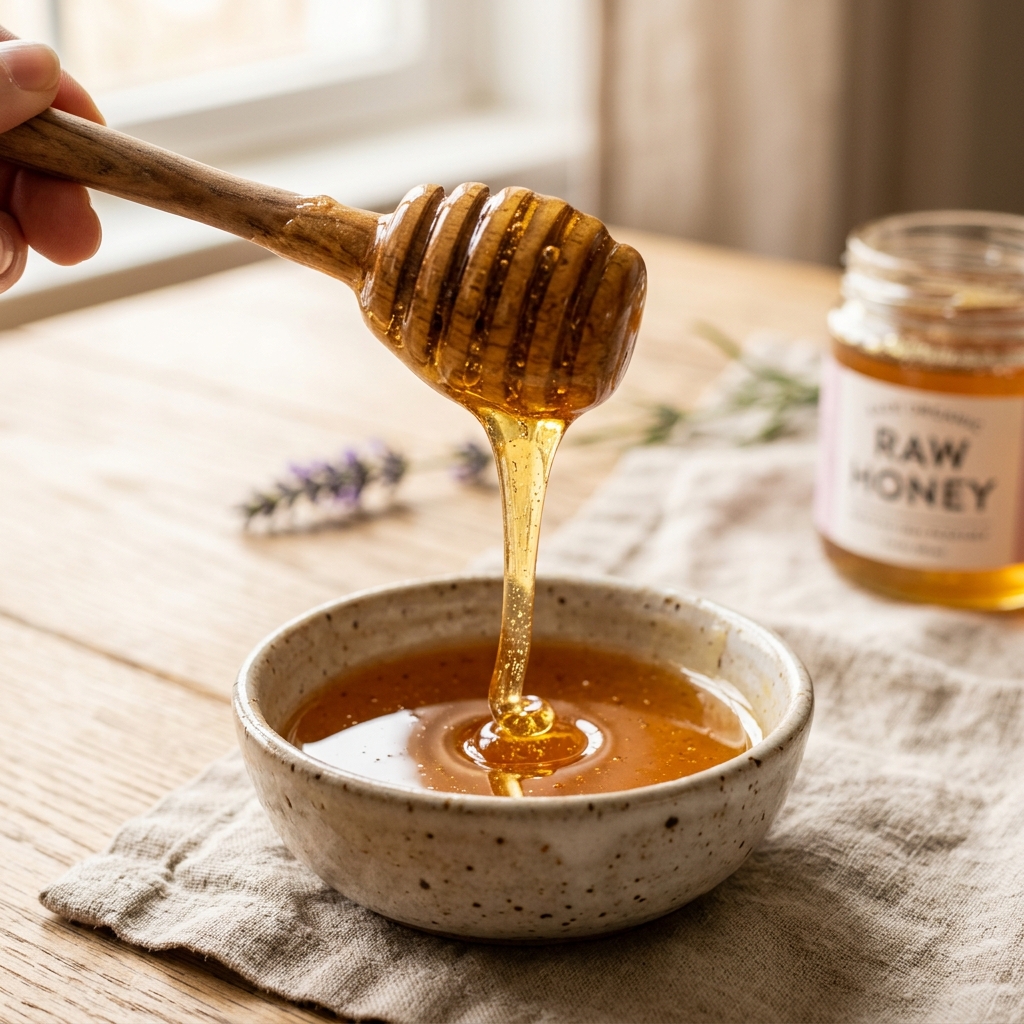
Editorial note: This article is researched from official public health and pregnancy food safety guidance, then edited by the PregnancyPlate team for clarity. It is not medical advice. If you are worried about symptoms or a specific exposure, contact your midwife, GP or healthcare provider.
The Fast Answer: Yes, honey is absolutely safe to eat during pregnancy, but the classic botulism warning has completely confused expecting mothers. The clinical safety of honey depends entirely on the biological difference between an infant's stomach and a mature adult's digestive tract. Before you stir it into your tea, scroll down to understand exactly why it is safe, and the one major blood sugar trap you must avoid.
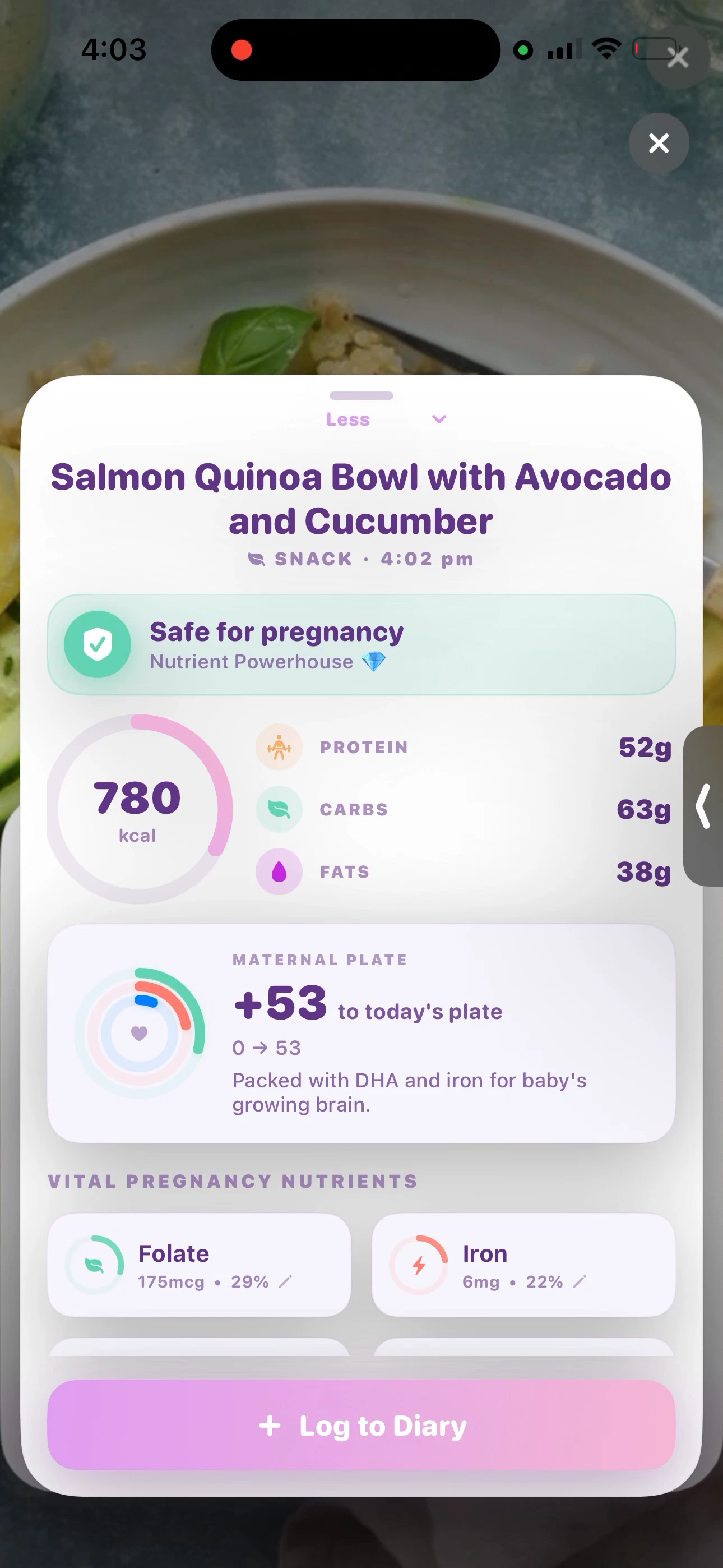
Track your daily sugars and essential micronutrients with the PregnancyPlate AppYour next meal, a little less guesswork.
Scan your plate for pregnancy food-safety guidance and a nutrition breakdown. Keep your meals and nutrient progress in one place.
 Scan with your iPhone
to get the app
When the first trimester hits, you are likely already battling intense fatigue and nausea (which we cover extensively in our golden rule survival guide). On top of that, your immune system naturally slightly lowers to accommodate the growing baby. Because of this, it is incredibly common for expecting mothers to catch a lingering cold or a sore throat. Before pregnancy, you would simply take an over the counter decongestant and move on. Now, a quick search reveals that most common cold medicines are entirely off limits.
So, you turn to the oldest natural remedy in the book: a hot mug of lemon water with a generous spoonful of honey. It coats your throat perfectly. But halfway through the mug, panic sets in. You vaguely remember a pediatrician telling your friend to never give honey to a baby because of something called botulism. Does that rule apply to the baby currently growing inside you?
This is one of the most persistent and misunderstood myths in prenatal nutrition. In this clinical audit, we are going to completely dismantle the botulism fear, explain the biological difference between maternal and infant digestion, look at the safety of raw versus pasteurized honey, and teach you how to enjoy this natural sweetener without throwing your blood sugar into chaos.
The Root of the Myth: What is Infant Botulism?
To understand why the honey myth exists, we have to look at the bacteria itself. Honey can sometimes contain dormant spores of a bacteria called Clostridium botulinum. These spores are naturally occurring in soil and dust, and bees inadvertently carry them back to the hive.
When an infant under twelve months old consumes honey, those bacterial spores enter their highly immature, underdeveloped digestive tract. A baby's stomach simply does not have enough acid to destroy the spores. The spores are then able to colonize the infant's intestines and produce a potent neurotoxin, leading to a rare but incredibly serious condition known as infant botulism.
This is exactly why every single major health organization, including the AAP and the CDC, strictly advises against giving honey to any child under one year of age.
Adult Digestion vs Infant Digestion
So, if it is dangerous for a baby, it must be dangerous for a fetus, right? This is where the logic completely falls apart.
When you eat honey as a pregnant woman, the spores do not magically bypass your body and teleport into the womb. They go straight into your adult stomach. Your stomach is an incredibly hostile environment, filled with highly concentrated gastric acid. Furthermore, your mature intestinal tract is already populated by billions of beneficial bacteria that aggressively outcompete any foreign invaders.
Your adult digestive system instantly neutralizes and destroys the botulism spores before they even have a chance to germinate or produce any toxins. Because the spores are destroyed in your gut, they absolutely cannot cross the placenta and they cannot reach your baby.
The American College of Obstetricians and Gynecologists confirms that there is zero clinical evidence of honey consumption causing congenital botulism. Your body acts as a perfect, impenetrable shield for your baby.
Raw vs Pasteurized: Does it Matter?
Once pregnant women realize that botulism is not a threat, the next logical question involves pasteurization. We are taught to avoid raw milk, raw cheese, and raw fish (and we even wrote a deep dive on the risks of runny eggs). Does this "raw rule" apply to honey?
The Clinical Answer is No.
Raw honey is perfectly safe during pregnancy. The rules regarding raw dairy and raw meat exist because those foods have a high moisture content and a neutral pH, creating the perfect breeding ground for bacteria like Listeria and Salmonella.
Honey is biologically entirely different. It is incredibly dense in sugar and has virtually zero moisture. Furthermore, honey has a naturally acidic pH and produces trace amounts of hydrogen peroxide. This unique chemical composition makes honey naturally antimicrobial. Bacteria simply cannot survive or multiply in honey, regardless of whether it has been pasteurized or left in its raw state. In fact, many nutritionists prefer raw honey because the pasteurization process (which involves high heat) destroys some of the beneficial enzymes and local pollen.
Safety is Step 1. Nutrition is Step 2.
We have now established that honey is biologically safe from a bacterial standpoint. You can officially take a deep breath and finish your cup of tea. But just because a food is safe from bacteria does not mean it gets a free pass metabolically.
Honey is often praised as a "natural" sweetener, leading many people to believe it is inherently healthier than white table sugar. The truth is that your pancreas cannot tell the difference. Honey is essentially pure liquid carbohydrate, primarily composed of fructose and glucose. A single tablespoon of honey contains roughly 17 grams of pure sugar.
During pregnancy, your placenta produces hormones that naturally increase your insulin resistance. This means your body struggles to rapidly process large amounts of sugar. If you eat a large spoonful of honey on an empty stomach, that glucose dumps directly into your bloodstream. You will experience a massive, rapid blood sugar spike, followed by an aggressive crash an hour later that leaves you feeling exhausted, nauseous, and craving more carbohydrates.
We want you to enjoy functional, natural foods like honey! But relying heavily on natural sweeteners without understanding their glycemic impact is a very fast way to accidentally trigger severe pregnancy fatigue or push your body closer to Gestational Diabetes.
The Art of the Macro Pairing
You do not need to avoid honey, but you do need to learn how to dress your carbohydrates. The goal is to build a metabolic dam that physically slows down the digestion process, preventing that rapid sugar rush.
You achieve this by never eating honey alone. You must pair it with a high quality protein or a healthy fat. Proteins and fats take significantly longer for your stomach to process. When you combine them with honey, the stomach valves close, and the meal is digested slowly over a period of hours. This releases the sugars into your blood at a gentle, manageable trickle rather than a violent flood.
- The Greek Yogurt Strategy: Drizzle your honey over a bowl of plain, full fat Greek yogurt. The dense dairy protein and fat will completely blunt the glycemic spike of the honey, while providing your baby with critical Calcium.
- The Nut Butter Toast: Instead of just honey on toast, spread a thick layer of unsweetened almond or peanut butter first, then add a tiny drizzle of honey on top. The monounsaturated fats and protein in the nuts anchor the sugar perfectly.
- The Cheese Pairing: A small drizzle of raw honey over a slice of pasteurized Brie or sharp cheddar is a phenomenal, savory sweet snack that keeps your blood sugar perfectly stable.
The Functional Benefits of Honey in Pregnancy
When appropriately paired with a protein or fat, honey transitions from a potential sugar spike into a highly functional superfood for your pregnancy journey.
Natural Cough Suppressant: As we mentioned earlier, catching a cold while pregnant can be miserable because your medication options are severely limited. Clinical trials have consistently shown that taking a spoonful of honey before bed is actually more effective at suppressing a nighttime cough than many over the counter dextromethorphan syrups. It gently coats the irritated throat lining and utilizes its natural antimicrobial properties to soothe the tissue.
Digestive Soothing: For women suffering from intense first trimester nausea or heartburn, sipping on a warm ginger tea with a small amount of honey can work wonders. The ginger accelerates gastric emptying, while the honey provides a tiny, fast acting source of glucose to prevent your blood sugar from dipping too low (which is a primary trigger for morning sickness).
✅ The Ultimate Safe Honey Protocol
- Step 1: Discard the Botulism Myth. Your adult digestive tract easily destroys any potential spores. Honey cannot harm your fetus.
- Step 2: Choose Raw or Pasteurized. Both are completely safe. Raw honey may offer slightly more beneficial enzymes, but pasteurized is fine too.
- Step 3: Never eat it on an empty stomach. Always pair your honey with a protein or healthy fat (like Greek yogurt or nut butter) to prevent a massive blood sugar crash.
- Step 4: Keep it away from the baby. Remember, while it is safe for you right now, you must absolutely never give honey to your baby after they are born until they turn one year old.
Pregnancy is already stressful enough without worrying about every single spoonful of food. By understanding the biological reality of infant botulism and respecting the mechanics of your own blood sugar, you can confidently enjoy the natural sweetness of honey. Drizzle it on your yogurt, stir it into your tea, and relax knowing you are making safe, informed choices for your growing baby.
Clinical Sources & Research
- Centers for Disease Control and Prevention (CDC), Prevention of Infant Botulism.
- American Academy of Pediatrics (AAP), Botulism and Honey Safety.
- American College of Obstetricians and Gynecologists (ACOG), Nutrition During Pregnancy and Food Safety Guidelines.
Meet the Editorial Team
The researchers and experts behind PregnancyPlate.

Fiza Izra
Founder & Tech Researcher
A UK-based mother of 3 with a background in tech and data synthesis, Fiza brings real-world experience navigating hyperemesis gravidarum and postnatal depression. She engineers complex clinical guidelines (NHS, ACOG) into accessible tools, ensuring rigorous fact-checking with deep empathy.

Emma Davies
Senior Nutrition Editor
A mum and writer, Emma runs our food safety desk. She is the one who rings the restaurant to ask how long the lettuce sits out, checks every claim against CDC, FDA and NHS guidance, and rewrites the answer until it is usable at 9pm in a drive-thru queue.
Make sense of every plate.
Scan your plate for pregnancy food-safety guidance and a nutrition breakdown. Keep your meals and nutrient progress in one place.
Scan with your iPhoneto get the app