Christmas Food While Pregnant: Ham, Cheese Boards, Eggnog and What to Skip
Most of Christmas dinner is fine in pregnancy. Here's how to handle the ham, the cheese board, the seafood, eggnog, mulled wine and the cookie dough, dish by dish.
In this article
Editorial note: This article is researched from official public health and pregnancy food safety guidance, then edited by the PregnancyPlate team for clarity. It is not medical advice. If you are worried about symptoms or a specific exposure, contact your midwife, GP or healthcare provider.
The Fast Answer: Most of a Christmas dinner is fine to eat while pregnant. Serve the ham warm, cook turkey to 165°F and roast beef to at least 145°F, and bake the brie rather than eating it cold. The things to skip are cold salami and prosciutto, refrigerated pâté and smoked salmon, raw oysters, homemade eggnog, mulled wine, raw cookie dough and boozy desserts like rum balls. And don't graze on a buffet that's been out for more than two hours.
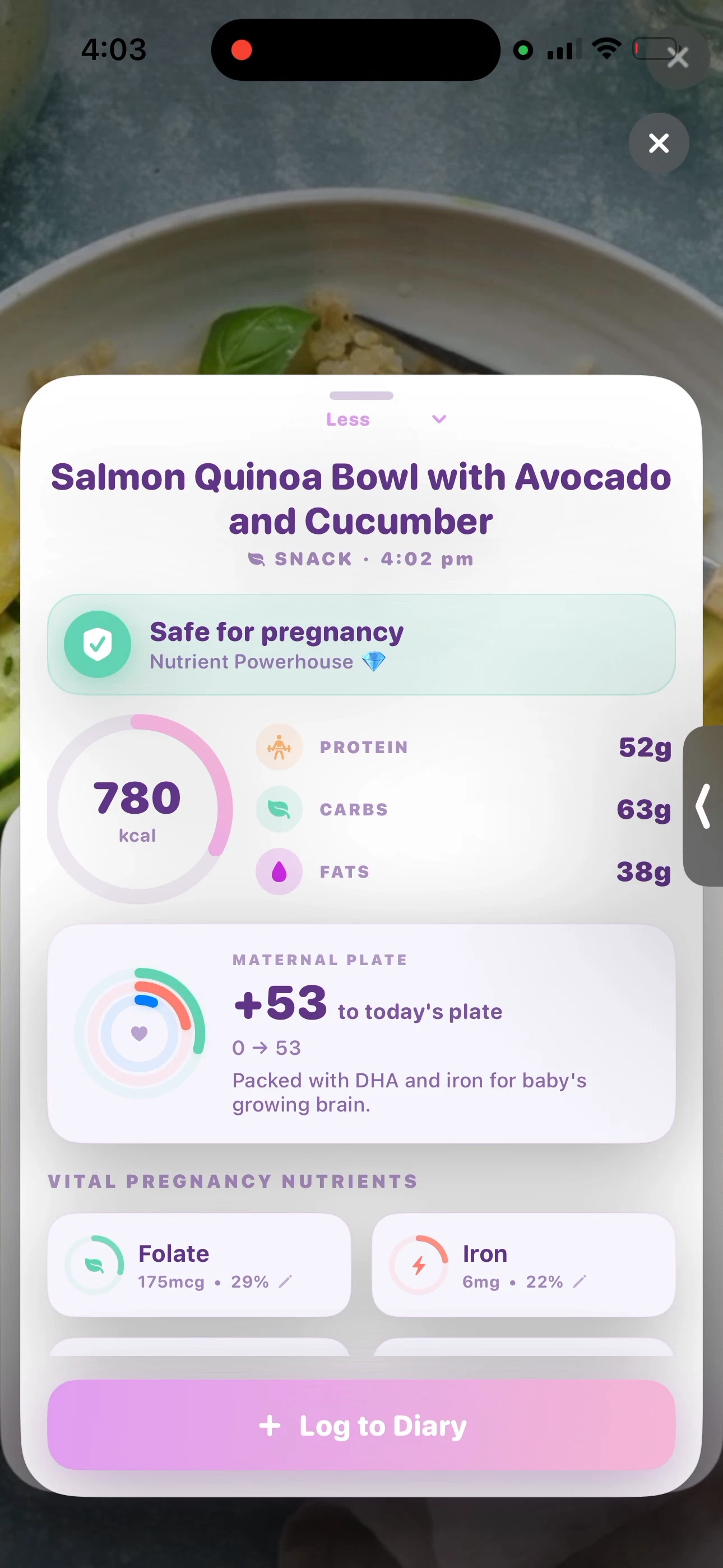
Check any dish for pregnancy safety in the PregnancyPlate AppYour next meal, a little less guesswork.
Scan your plate for pregnancy food-safety guidance and a nutrition breakdown. Keep your meals and nutrient progress in one place.
 Scan with your iPhone
to get the app
Christmas is the one meal of the year where nobody wants to be the person asking what's in everything. It's also the meal with the most ingredients that pregnancy advice cares about: cured meats, soft cheeses, smoked fish, raw eggs and alcohol, often all on the same table.
The good news is that the main event is easy. Roast meats, potatoes, vegetables, stuffing and gravy are all cooked hot. The trouble spots are mostly the cold appetizers, the drinks and the desserts. This guide goes through the whole spread, so you can plan ahead and enjoy the day without reading every label.
Christmas Dinner, Dish by Dish
| Dish | Verdict | Notes |
|---|---|---|
| Roast turkey | Safe | Cooked to 165°F in the thickest part. |
| Glazed or spiral ham | Safe warm | Reheat to 140°F, or 165°F for leftovers. |
| Prime rib, roast beef | Safe, check it | At least 145°F with a 3-minute rest. Ask for medium. |
| Stuffing, gravy, potatoes, vegetables | Safe | Stuffing cooked outside the bird is simplest. |
| Tamales | Safe | Steamed until hot all the way through. |
| Hard cheeses | Safe | Cheddar, Parmesan, Gouda, Swiss and Manchego. |
| Brie, Camembert, soft blue cheese | Safe baked | Eat them baked until bubbling hot, not cold. |
| Salami, prosciutto, chorizo | Skip cold | Fine cooked until steaming, on pizza or in a hot dish. |
| Pâté | Skip refrigerated | Shelf-stable canned pâté is the safer choice. |
| Smoked salmon, lox | Skip cold | Fine cooked into a hot dish. |
| Shrimp cocktail | Safe | Fully cooked shrimp, kept cold, eaten within 2 hours. |
| Raw oysters, clams | Skip | Cooked oysters and clams are fine. |
| Store-bought eggnog | Safe | Pasteurized, and alcohol-free unless labeled. |
| Homemade eggnog | Skip | Unless made with pasteurized eggs or a cooked base. |
| Mulled wine, spiked punch | Skip | Warming doesn't remove the alcohol. |
| Baked cookies, pies, cheesecake | Safe | Fully baked. |
| Raw cookie dough | Skip | Raw flour and raw eggs. "Edible" dough is fine. |
| Rum balls, bourbon balls, boozy fruitcake | Skip | The alcohol isn't cooked out. |
The Ham: Serve It Warm
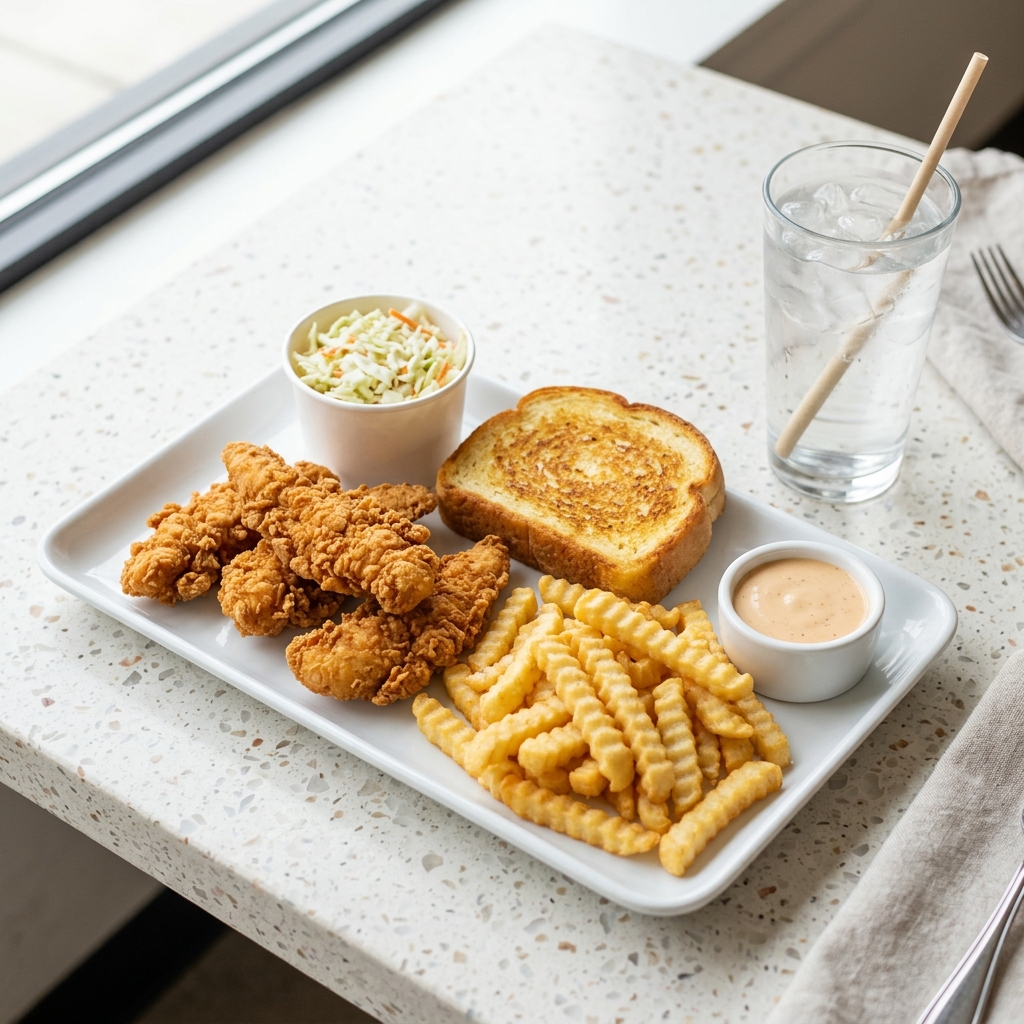
Most Christmas hams in the US are fully cooked spiral-cut hams, and the USDA says they're safe to eat cold for most people. Pregnancy is the exception worth thinking about. A sliced, ready-to-eat ham is the same kind of food as deli meat, and the CDC advises pregnant women to heat deli meats until steaming hot because of Listeria.
So serve the ham warm. The USDA says to reheat a cooked ham packaged in a USDA-inspected plant to 140°F, and leftover spiral-cut ham, or ham repackaged anywhere else, to 165°F. Covering it with foil and heating it at 325°F for about 10 minutes per pound keeps the slices from drying out. Our deli meat guide explains why sliced ham is treated differently from a hot roast.
Prime Rib and Roast Beef
The FDA's advice for pregnant women is to cook beef roasts to at least 145°F and let them rest for 3 minutes before carving. Prime rib is usually served medium-rare, which is below that, so ask for a slice from the end of the roast or a piece that's cooked to medium. If you're the one cooking, a meat thermometer in the thickest part settles it.
The Turkey and Stuffing
Turkey needs to reach 165°F in the thickest part of the thigh, the wing and the breast. Stuffing cooked inside the bird has to reach 165°F too, and it often doesn't by the time the meat is done, so stuffing baked in a separate dish is the easier option. Our Thanksgiving pregnancy guide covers the turkey, stuffing and gravy in full, and all of it applies at Christmas.
The Cheese and Charcuterie Board
The cheese board is where most of the Christmas questions come from. Here's how to build a plate from it.
Hard cheeses are fine. Hard cheeses made with pasteurized milk, like cheddar, Parmesan, Swiss and Gruyère, are on the CDC's list of safer choices, and Gouda and Manchego fall in the same group. So do pasteurized cream cheese, mozzarella and feta.
Bake the brie. Soft, mold-ripened cheeses like brie and camembert, and soft blue cheeses like Gorgonzola, are moist enough for Listeria to grow. US agencies focus on whether a cheese is pasteurized, while the UK's NHS advises avoiding these cheeses unless they're cooked. We take the cautious line: eat them baked until bubbling hot. Baked brie with cranberry is a Christmas classic anyway. Our brie guide explains why cutting off the rind doesn't help.
Skip queso fresco-style cheeses unless cooked. The FDA advises avoiding queso fresco, queso blanco and similar fresh cheeses unless they're heated to 165°F, even when they're pasteurized.
Cured meats: cook them or pass. The CDC lists unheated deli meats and fermented or dry sausages, like salami, as foods to avoid unless heated to 165°F or until steaming hot. That covers salami, prosciutto, chorizo and pepperoni straight from the board. The same meats baked on a pizza or crisped in a pan are fine.
Pâté: choose shelf-stable. The CDC says to avoid refrigerated pâté and meat spreads, and names pâté in sealed containers that don't need refrigerating before opening as the safer choice.
Crackers, bread, fruit, nuts, olives, chutney and honey are all fine. Our pregnancy cheese guide covers dozens more cheeses if your board goes beyond the basics.
Seafood and the Feast of the Seven Fishes
Seafood shows up at a lot of Christmas tables, especially for families who celebrate the Italian-American Feast of the Seven Fishes on Christmas Eve. Most of it is fine.
- Raw oysters, clams and mussels: the FDA tells pregnant women to avoid raw or undercooked shellfish. Cook them until the shells open, or until shucked oysters are opaque and firm.
- Shrimp cocktail: fully cooked shrimp is fine served cold, as long as it's kept cold and hasn't been sitting out for more than 2 hours. Our shrimp cocktail guide has more on seafood appetizers.
- Smoked salmon and lox: the CDC lists refrigerated smoked fish as a food to avoid unless it's cooked into a dish. Shelf-stable smoked fish is fine. See our smoked salmon guide.
- Baccalà, fried calamari, baked fish and crab: all fine when cooked. The FDA says to cook finfish to 145°F. Our crab legs guide covers the mercury side.
- High-mercury fish: the FDA and EPA list king mackerel, marlin, orange roughy, shark, swordfish, tilefish from the Gulf of Mexico and bigeye tuna as choices to avoid in pregnancy.
Eggnog, Mulled Wine and Holiday Drinks
Eggnog. Store-bought eggnog from the dairy case is a pasteurized product, and it's alcohol-free unless the label says otherwise. Homemade eggnog is often made with raw eggs. For homemade, the FDA says to use pasteurized shell eggs or pasteurized egg products, or you can cook the custard base to 160°F. Leave out the rum or bourbon.
Mulled wine, spiked cider and punch. The CDC says there's no known safe amount of alcohol during pregnancy, and that includes wine. Mulled wine is only warmed, not boiled, so most of the alcohol is still there. A pot of mulled apple cider made with the same spices smells and tastes just as festive. The same goes for ponche navideño, which is lovely without the splash of rum that some families add.
Coffee shop holiday drinks. Peppermint mochas and gingerbread lattes are fine, but count the caffeine toward ACOG's limit of under 200 mg a day. Our pregnancy-safe Starbucks guide lists caffeine by drink. Hot chocolate has much less caffeine than coffee, and our chocolate guide has the numbers.
Tea. If you'd rather have something warm and caffeine-free, our safe teas for pregnancy guide lists the herbal teas that are fine.
Cookies, Desserts and Boozy Bakes
Raw cookie dough. The FDA says not to eat or taste raw flour, dough or batter, because flour is a raw ingredient that can carry E. coli, and raw eggs can carry Salmonella. That makes licking the spoon the riskiest part of Christmas baking. Dough sold as "edible" is made with heat-treated flour and no raw eggs, and is fine. Our raw cookie dough guide has the details.
Baked cookies, pies and cakes. All fine once they're fully baked, including pumpkin pie, pecan pie, gingerbread and cheesecake.
Rum balls, bourbon balls and boozy desserts. These are made without baking, so all the alcohol is still in them. Fruitcake and Christmas pudding are often "fed" with brandy or rum for weeks, and hard sauce or brandy butter is uncooked butter, sugar and liquor. Choose an alcohol-free version, or skip these ones this year.
Tiramisu and mousse. Traditional recipes use raw eggs and sometimes liqueur. Store-bought versions are usually made with pasteurized eggs. At a restaurant or someone's home, ask, or make your own with pasteurized eggs.
Christmas Food Rules in One Box
- Ham warm, turkey to 165°F, roast beef to at least 145°F.
- Hard cheeses yes, brie baked, queso fresco cooked.
- No cold salami, refrigerated pâté or smoked salmon.
- No raw oysters or high-mercury fish.
- Store-bought eggnog only, and no mulled wine.
- No raw dough or boozy desserts.
- Two hours on the table, then into the fridge.
Buffets, Parties and Leftovers
A long Christmas afternoon is exactly how leftovers go wrong. The USDA's rule is that perishable food shouldn't sit at room temperature for more than 2 hours. After that, it goes in the fridge or in the trash. At a party buffet, fill your plate early, while the hot food is still hot and the cold food is still cold. Our buffet guide has more tips for eating at a party.
Leftovers keep for 3 to 4 days in the fridge, according to the USDA. Reheat leftover ham to 165°F, and reheat turkey and stuffing until steaming hot. The day-after turkey sandwich is fine with home-cooked turkey that went into the fridge promptly. Our leftovers guide covers the rest.
Clinical Sources & Research
- USDA: Hams and Food Safety.
- CDC: Preventing Listeria Infection.
- FDA: Meat, Poultry and Seafood (Food Safety for Moms-to-Be).
- FDA: Dairy and Eggs (Food Safety for Moms-to-Be).
- FDA: Queso Fresco-type Cheeses Consumer Guidance.
- FDA and EPA: Advice About Eating Fish.
- FDA: Flour Is a Raw Food and Other Safety Facts.
- FDA: Food Safety Tips for Healthy Holidays.
- USDA: Safe Minimum Internal Temperature Chart.
- CDC: About Alcohol Use During Pregnancy.
- USDA: Leftovers and Food Safety.
- ACOG: How Much Coffee Can I Drink While I'm Pregnant?.
This article is general information and does not replace advice from your doctor, midwife or dietitian. If you're unsure about a specific dish, or you've eaten something on the skip list and feel unwell, contact your provider.
Meet the Editorial Team
The researchers and experts behind PregnancyPlate.

Fiza Izra
Founder & Tech Researcher
A UK-based mother of 3 with a background in tech and data synthesis, Fiza brings real-world experience navigating hyperemesis gravidarum and postnatal depression. She engineers complex clinical guidelines (NHS, ACOG) into accessible tools, ensuring rigorous fact-checking with deep empathy.

Emma Davies
Senior Nutrition Editor
A mum and writer, Emma runs our food safety desk. She is the one who rings the restaurant to ask how long the lettuce sits out, checks every claim against CDC, FDA and NHS guidance, and rewrites the answer until it is usable at 9pm in a drive-thru queue.
Make sense of every plate.
Scan your plate for pregnancy food-safety guidance and a nutrition breakdown. Keep your meals and nutrient progress in one place.
Scan with your iPhoneto get the app