The Ultimate Pregnancy Cheese Guide: Is Brie, Halloumi, and Philadelphia Safe?
Confused about which cheeses are safe during pregnancy? We break down the clinical pasteurization rules for Brie, Halloumi, Philadelphia cream cheese, and more.
In this article
Editorial note: This article is researched from official public health and pregnancy food safety guidance, then edited by the PregnancyPlate team for clarity. It is not medical advice. If you are worried about symptoms or a specific exposure, contact your midwife, GP or healthcare provider.
The Fast Answer: Yes, you can absolutely still enjoy cheese during pregnancy, but the classic "no soft cheese" rule is actually dangerously misunderstood. While industrial brands like Philadelphia and Halloumi are highly processed and generally fine, the safety of mold ripened cheeses like Brie depends entirely on one specific word on the label. Before you build your next cheese board, you need to scroll down and understand the exact clinical difference between safe soft cheese and high risk dairy.
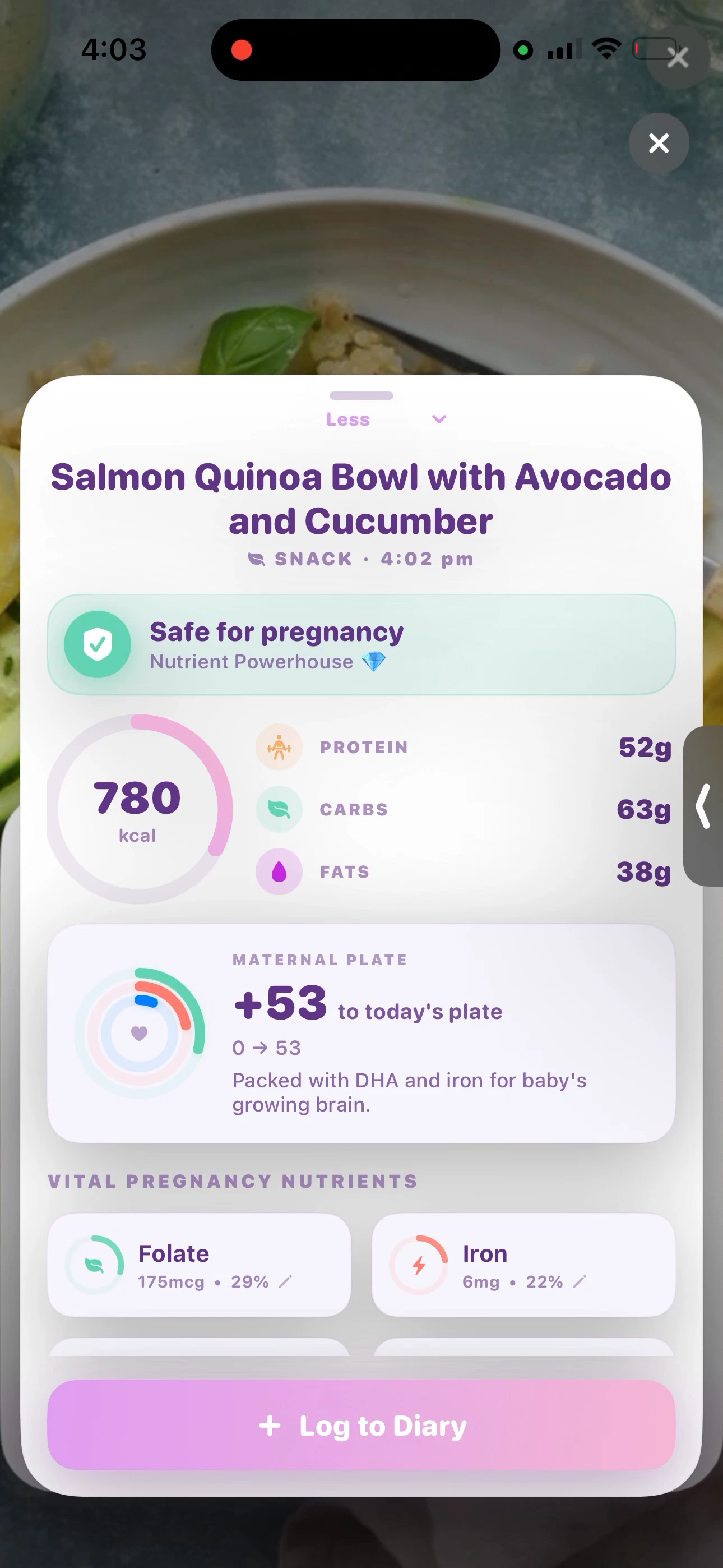
Track your daily Calcium and Protein with the PregnancyPlate AppYour next meal, a little less guesswork.
Scan your plate for pregnancy food-safety guidance and a nutrition breakdown. Keep your meals and nutrient progress in one place.
 Scan with your iPhone
to get the app
There are very few things in life as universally comforting as a beautiful cheese board, a hot slice of pizza, or a perfectly toasted bagel loaded with cream cheese. But the moment that positive line appears on your pregnancy test, cheese suddenly transforms from a comfort food into a source of immense anxiety.
If you search for pregnancy diet advice, one of the very first warnings you will see is to "avoid all soft cheeses." This blanket statement has terrified countless expecting mothers and ruined far too many dinner parties. The internet makes it sound as though looking at a wheel of Brie will immediately harm your baby.
It is time to completely dismantle this outdated, overly broad advice. To do that, we need to understand exactly what pasteurization means, break down the actual risks of Listeria, and look closely at three of the most commonly questioned cheeses: Philadelphia Cream Cheese, Halloumi, and Brie. More importantly, it is time to turn cheese from a "fear food" into a nutritional powerhouse for your baby's skeletal development.
The Real Enemy: Listeria Monocytogenes
To understand the rules of pregnancy cheese, you have to understand exactly what we are trying to avoid. The villain in this story is not the cheese itself; it is a very specific, stubborn type of bacteria called Listeria Monocytogenes.
Unlike most foodborne bacteria, Listeria is incredibly resilient. It can actually survive and multiply in the cold temperatures of your refrigerator. While a normal, healthy adult might contract Listeria and mistake it for a mild 24 hour stomach bug, a pregnant woman's immune system is naturally suppressed. If an expecting mother contracts Listeria, the bacteria can cross the placenta, leading to severe complications, preterm labor, or tragic loss.
This is why obstetricians and clinical dietitians take Listeria so seriously. However, the solution is not to ban all cheese. The solution is to ensure the cheese you eat has undergone a process that completely obliterates the bacteria.
Pasteurization: Your Biological Shield
Pasteurization is the single most important word you need to memorize during your pregnancy. Invented by Louis Pasteur in the 1800s, pasteurization is a brilliant, simple process. Milk is heated to a very specific, high temperature (usually around 161 degrees Fahrenheit) for a short period of time before it is rapidly cooled.
This high heat instantly and completely kills Listeria, E. coli, Salmonella, and any other harmful pathogens lurking in the raw milk. When a cheese is made from pasteurized milk, the dangerous bacteria have been eliminated before the cheese making process even begins.
The Golden Rule: If the label clearly states "Made from pasteurized milk," the FDA and major health organizations consider that cheese safe for pregnant women to consume.
The Philadelphia Cream Cheese Audit
Let us start with one of the most common cravings: a toasted bagel heavily smeared with Philadelphia Cream Cheese.
Because cream cheese is soft and spreadable, many women panic and assume it falls under the "no soft cheese" ban. This is completely false. Philadelphia Cream Cheese is an industrial, highly processed dairy product. It is made from thoroughly pasteurized milk and pasteurized cream. Furthermore, the manufacturing environment is strictly regulated to prevent cross contamination.
The Verdict: Philadelphia (and virtually all commercial supermarket brands of cream cheese) are 100% safe to eat cold, straight from the tub. You do not need to cook it or melt it. Enjoy your morning bagel with zero anxiety.
The Halloumi Audit
Halloumi is a dense, squeaky, semi hard cheese originating from Cyprus, incredibly popular in Mediterranean dishes and summer salads.
Because Halloumi is often served grilled or fried, it usually undergoes a massive "heat kill" step right before it hits your plate, which makes it phenomenally safe. But even if you were to eat it cold, commercial Halloumi sold in North American and European supermarkets is legally required to be made from pasteurized cow, sheep, or goat milk.
The Verdict: Halloumi is incredibly safe. In fact, it is an absolutely fantastic pregnancy food. It is packed with high quality vegetarian protein. The only slight drawback is that Halloumi is preserved in brine, making it very high in sodium. If you are struggling with pregnancy swelling or high blood pressure, just be mindful of your portion size.
The Brie and Camembert Controversy
This is where the rules become slightly more complex. Brie and Camembert are mold ripened soft cheeses. They have a high moisture content and a low acidity level, which technically makes them the perfect breeding ground for bacteria to grow if any were to accidentally slip into the production line.
In the United States, federal law mandates that all raw milk cheeses must be aged for at least 60 days to naturally kill off pathogens. Because Brie is meant to be eaten fresh and soft, it cannot be aged for 60 days. Therefore, virtually 100% of the domestic Brie and Camembert sold in standard American supermarkets is made from pasteurized milk by law.
According to the FDA, if the Brie is pasteurized, it is safe to eat. However, some international health organizations (like the NHS in the UK) take a slightly more conservative stance. They argue that because mold ripened cheeses have such high moisture, they are more susceptible to post pasteurization contamination. The NHS advises that even pasteurized Brie should be cooked until steaming hot to be absolutely safe.
The Verdict: Pasteurized Brie is technically safe. However, the absolute safest, zero anxiety way to consume Brie or Camembert during pregnancy is to bake it. Place the wheel of Brie in the oven until the center is bubbling and steaming hot. This secondary heat treatment completely eliminates any microscopic risk of Listeria, allowing you to enjoy your cheese without a single second thought.
Safety is Step 1. Nutrition is Step 2.
We spend so much time analyzing the bacterial risks of cheese that we often completely overlook its incredible nutritional value. Once you have established that your cheese is pasteurized, you should actively embrace it as a functional superfood for your pregnancy journey.
Your baby is currently growing an entire skeletal system from scratch. To do this, they require a massive amount of Calcium. If you do not consume enough dietary Calcium, your body will literally pull the Calcium directly from your own bones and teeth to ensure the baby has what they need. This is why many women suffer from dental issues or bone density loss after multiple pregnancies.
Cheese is one of the most dense, bioavailable sources of Calcium on the planet. A single slice of cheddar or a serving of Halloumi can provide a massive chunk of your daily requirement. Furthermore, cheese is packed with high quality protein and healthy fats. As we discussed in our honey and blood sugar guide, pairing carbohydrates with dense fats and proteins is the ultimate way to stabilize your energy and prevent gestational diabetes spikes.
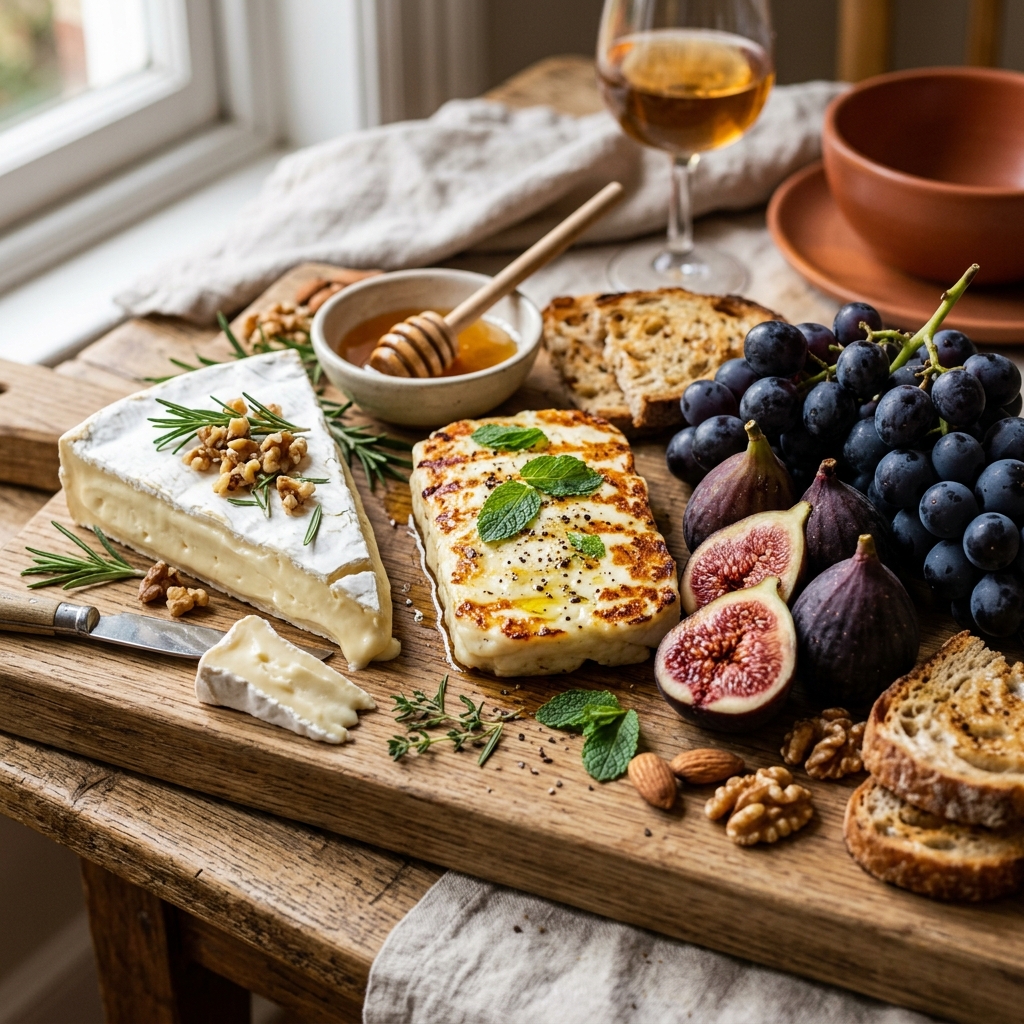
How to Build a Pregnancy Safe Cheese Board
You do not have to sit out during the appetizer course at your next dinner party. Here is exactly how to build a luxurious, completely safe cheese board for yourself:
- The Hard Cheeses (Always Safe): Cheddar, Parmesan, Gouda, and Swiss have such a low moisture content that bacteria simply cannot survive in them. Even if they were made from unpasteurized milk (which is rare), the aging process makes them completely safe. Load your board up with these.
- The Soft Cheeses (Check the Label): Add a tub of whipped Philadelphia cream cheese or pasteurized Boursin for spreading on crackers. Check the labels of any goat cheese (Chèvre) to ensure it says "pasteurized."
- The Hot Element: Take a wheel of pasteurized Brie, drizzle it with a tiny bit of honey, and bake it at 375 degrees until it is bubbling and molten. Serve it hot with fresh apple slices.
- The Wash Protocol: If you are adding fresh fruits to your board, remember that raw produce actually carries a higher Listeria risk than pasteurized cheese! Always wash your fruits thoroughly, which we cover extensively in our grape washing guide.
✅ The Ultimate Cheese Safety Checklist
- Step 1: Look for the P Word. Always read the ingredients label on the back of the package. It must explicitly state "Pasteurized Milk."
- Step 2: Ignore the texture. "Soft" does not automatically mean dangerous. Pasteurized cream cheese, cottage cheese, and ricotta are incredibly safe.
- Step 3: When in doubt, melt it out. If you are ever unsure about a cheese at a restaurant, ask them to bake it or melt it into a hot dish. Heat destroys Listeria instantly.
- Step 4: Avoid the deli counter. Pre sliced cheeses from the grocery store deli counter have a higher risk of cross contamination from the meat slicers. Always buy pre packaged, factory sealed blocks of cheese.
Pregnancy should not be a miserable nine months of culinary deprivation. By understanding the science of pasteurization and ignoring the generalized fear mongering, you can confidently navigate the dairy aisle. Check your labels, prioritize your Calcium intake, and absolutely enjoy that slice of melted Brie. You are growing a human, and you deserve good cheese.
Clinical Sources & Research
- Food and Drug Administration (FDA), Food Safety for Moms-to-Be: Safe Eats - Dairy.
- American College of Obstetricians and Gynecologists (ACOG), Nutrition During Pregnancy and Listeria Guidelines.
- National Health Service (NHS), Foods to Avoid in Pregnancy: Cheese and Dairy.
Meet the Editorial Team
The researchers and experts behind PregnancyPlate.

Fiza Izra
Founder & Tech Researcher
A UK-based mother of 3 with a background in tech and data synthesis, Fiza brings real-world experience navigating hyperemesis gravidarum and postnatal depression. She engineers complex clinical guidelines (NHS, ACOG) into accessible tools, ensuring rigorous fact-checking with deep empathy.

Emma Davies
Senior Nutrition Editor
A mum and writer, Emma runs our food safety desk. She is the one who rings the restaurant to ask how long the lettuce sits out, checks every claim against CDC, FDA and NHS guidance, and rewrites the answer until it is usable at 9pm in a drive-thru queue.
Make sense of every plate.
Scan your plate for pregnancy food-safety guidance and a nutrition breakdown. Keep your meals and nutrient progress in one place.
Scan with your iPhoneto get the app