Pregnancy-Safe Holiday Mocktails: 6 Recipes and the Drinks to Skip
Six festive mocktails that are safe in pregnancy, from a cranberry spritz to warm spiced cider, plus the hidden traps: unpasteurized cider, hibiscus, kombucha and 'non-alcoholic' wine.
In this article
Editorial note: This article is researched from official public health and pregnancy food safety guidance, then edited by the PregnancyPlate team for clarity. It is not medical advice. If you are worried about symptoms or a specific exposure, contact your midwife, GP or healthcare provider.
Cheers, Safely: Most mocktails are perfectly fine in pregnancy. The ones to watch are made with unpasteurized juice or cider, hibiscus tea, kombucha or "non-alcoholic" beer and wine, which can still contain up to 0.5% alcohol. Below are six holiday mocktails that avoid all of them.
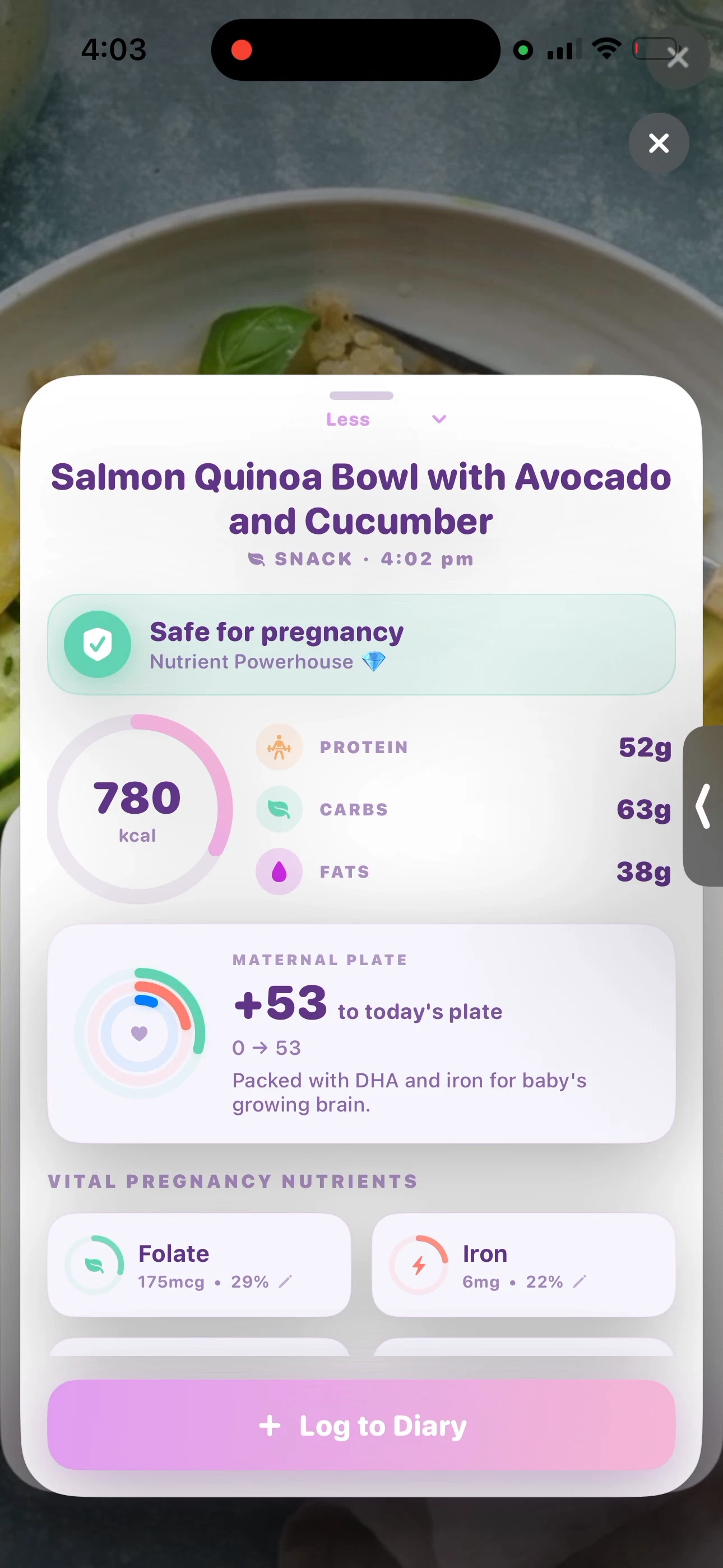
Check party food and drinks in PregnancyPlateYour next meal, a little less guesswork.
Scan your plate for pregnancy food-safety guidance and a nutrition breakdown. Keep your meals and nutrient progress in one place.
 Scan with your iPhone
to get the app
Holiday parties are built around a drink in your hand. When you're pregnant and everyone else is on mulled wine, having something festive of your own makes a bigger difference than you'd expect. It also saves you from the "so, why aren't you drinking?" conversation before you're ready to have it.
The recipes below each make one glass unless we say otherwise, and they all scale up easily into a pitcher.
Six Pregnancy-Safe Holiday Mocktails
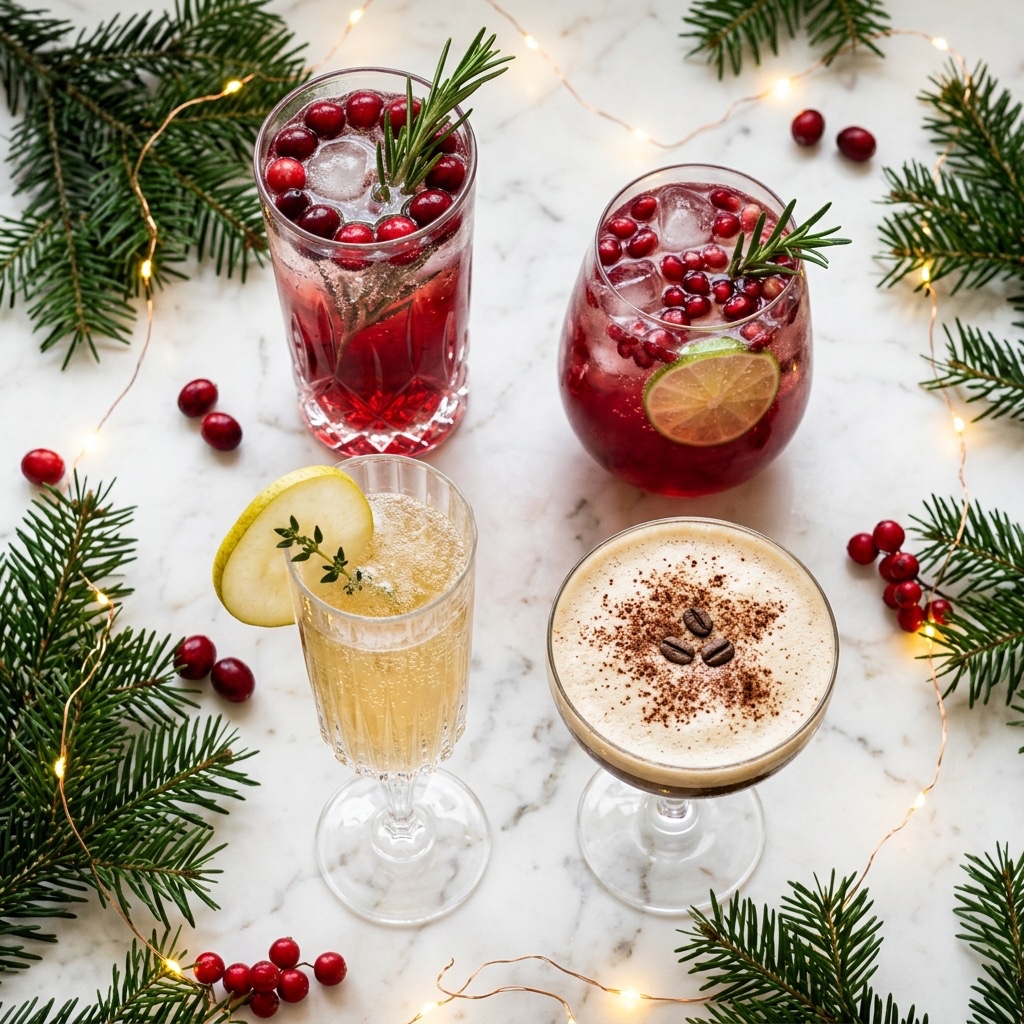
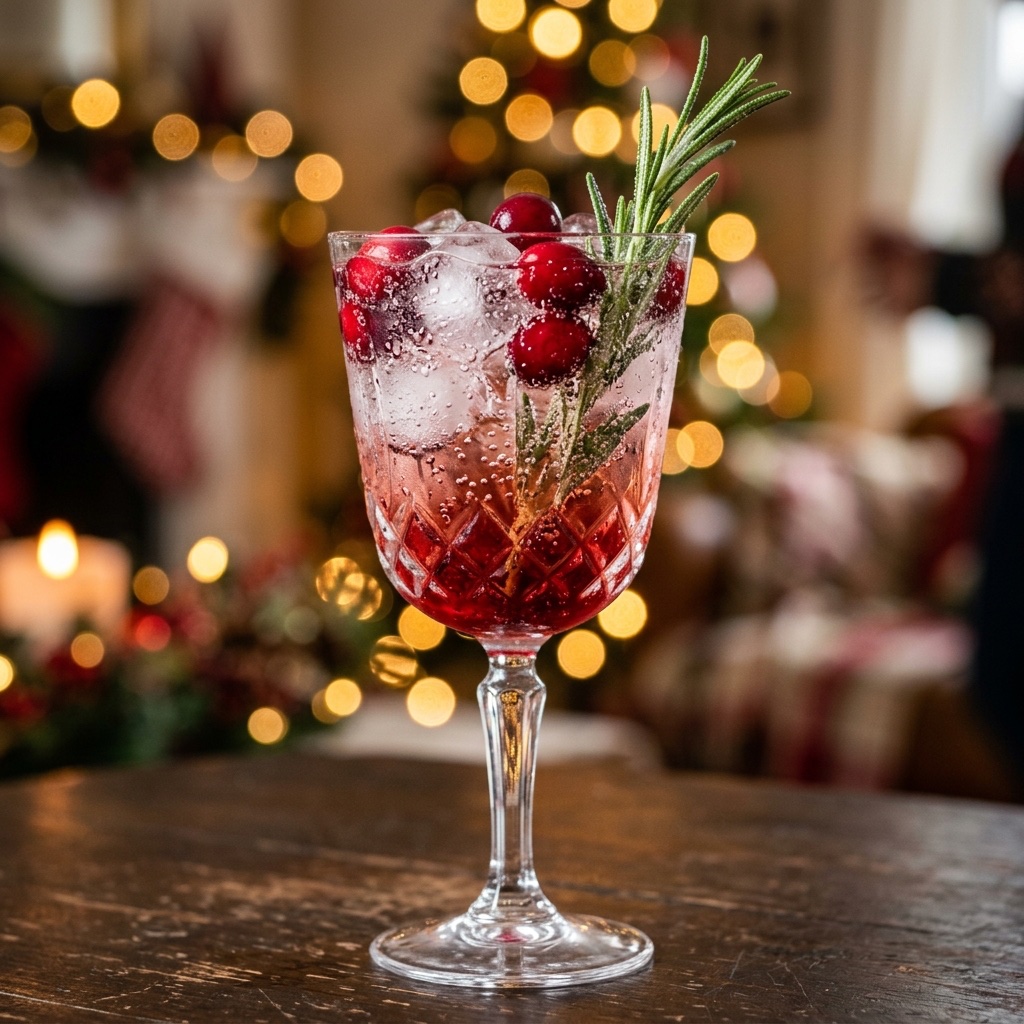
1. Cranberry Rosemary Spritz
- ½ cup 100% cranberry juice blend
- ½ cup sparkling water
- A squeeze of lime
- A sprig of rosemary and a few fresh cranberries, rinsed
Pour the juice over ice, top with sparkling water and finish with lime and rosemary. Shelf-stable cranberry juice is pasteurized, so it's a safe base, and a splash of sparkling water keeps the sugar down.
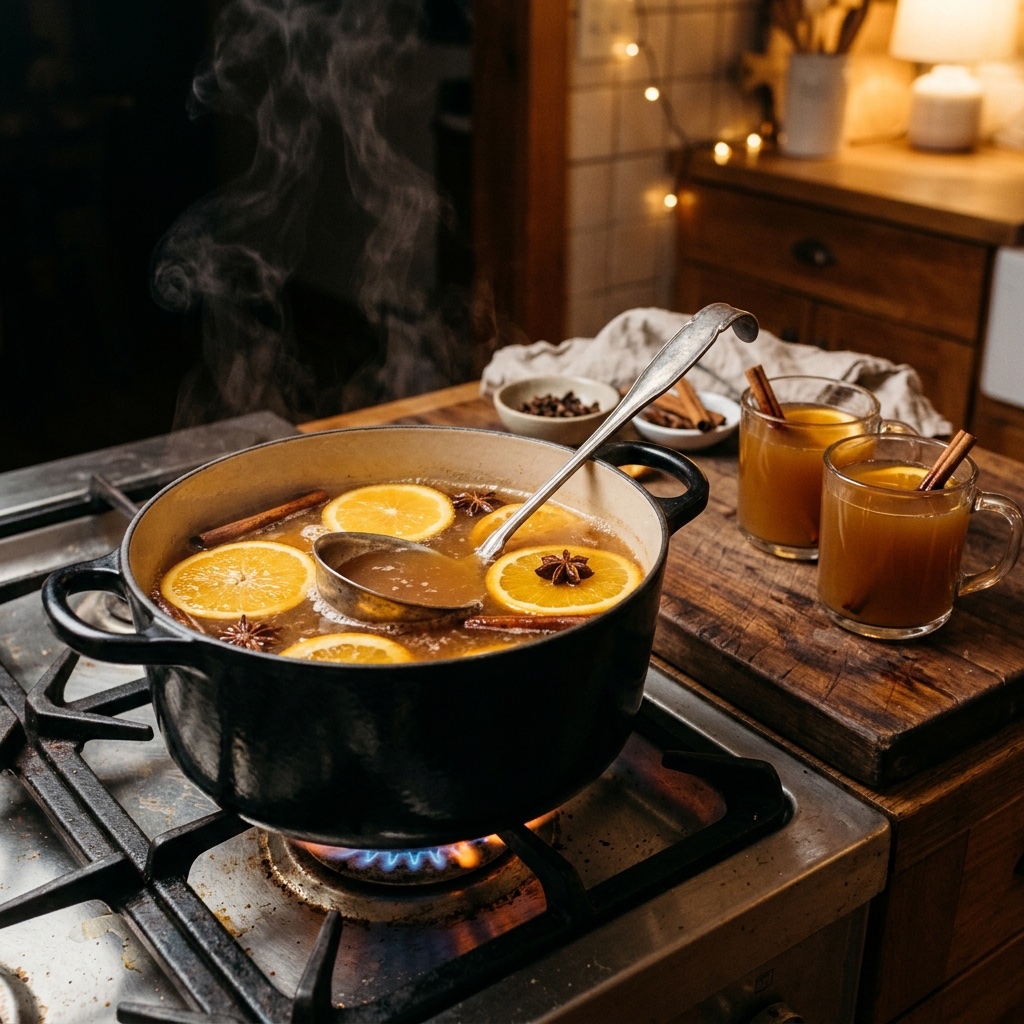
2. Warm Spiced Cider Punch (serves 6)
- 6 cups apple cider, labeled pasteurized
- 2 cinnamon sticks, 4 whole cloves, 2 star anise
- 1 orange, sliced
Simmer everything gently for 15 to 20 minutes, then keep it warm on low. This is the one to make instead of mulled wine. Check the cider label carefully: fresh cider from orchards and farm stands is sometimes unpasteurized, and unpasteurized juice and cider are on the FDA's list of drinks for pregnant women to skip. If the label doesn't say it's pasteurized, US food safety guidance is to bring it to a rolling boil for at least a minute before drinking it.
3. Pomegranate Ginger Fizz
- ¼ cup pomegranate juice
- ½ cup ginger beer (it's a soft drink, with no alcohol)
- A squeeze of lime and a spoonful of pomegranate seeds
Build it over ice in a short glass. The ginger is a bonus if you're still getting waves of nausea, and the amount here is well within normal food levels.
4. Sparkling Pear "Champagne"
- ¼ cup pear nectar
- ½ cup sparkling white grape juice
- A squeeze of lemon
Serve it in a flute for the midnight toast. Sparkling grape juice is sold shelf-stable and pasteurized, and it's the closest thing to the real experience without any alcohol at all.
5. Espresso "Martini" Mocktail
- 1 shot of espresso, cooled (or decaf)
- 2 tablespoons of milk or a splash of cream
- 1 to 2 teaspoons of maple or vanilla syrup
Shake everything hard with ice and strain it into a coupe glass for the frothy top. One shot of espresso has around 75 mg of caffeine, which counts toward ACOG's limit of less than 200 mg a day. If it's an evening party or you've already had coffee, use decaf.
6. Classic Eggnog, Without the Rum
Store-bought eggnog from the refrigerated dairy case is pasteurized, so pour it into a glass and grate some nutmeg on top. Skip homemade eggnog unless you've made it yourself with a cooked custard base. Traditional recipes use raw eggs, and our holiday baking guide explains how to cook it safely.
The Mocktail Traps
Most of these aren't obvious from the name of the drink, so they're worth checking for at a bar or someone else's party.
- "Non-alcoholic" beer and wine. In the US, "non-alcoholic" on a label means less than 0.5% alcohol, not none. The CDC's guidance is that there's no known safe level of alcohol while pregnant, so to avoid it entirely, look for drinks labeled "alcohol-free" or 0.0%.
- Hibiscus. Many red "berry" teas, punches and agua frescas are made with hibiscus. It's one of the herbal teas we suggest skipping in pregnancy, and our safe teas guide explains why.
- Kombucha. Kombucha mocktails are popular, but kombucha is usually unpasteurized and contains small amounts of alcohol from fermentation. Our kombucha guide covers the details.
- Fresh-pressed juice. Juice squeezed to order at a bar or juice stand isn't pasteurized. Bottled and carton juices usually are, and they're required to carry a warning if they aren't.
- "Functional" drinks. Some trendy alcohol-free drinks contain CBD, adaptogens or herbal extracts. The FDA strongly advises against using CBD during pregnancy, and many herbal extracts haven't been studied, so check the label before you drink one.
- Hidden caffeine. Cola-based drinks, cold brew mocktails and energy drink mixers all add up toward your daily 200 mg.
At Someone Else's Party
- Bring your own. A bottle of sparkling grape juice or a jug of cranberry spritz takes the pressure off, and other non-drinkers will thank you.
- Ask about the punch. Punch bowls are often spiked, sometimes after the first round.
- Watch the sugar. Juice-based mocktails add up quickly. If you have gestational diabetes, go heavier on the sparkling water, and have your drink with food.
For the food side of the party, our pregnancy-safe charcuterie board guide covers the cheese and cured meats, and our Christmas food guide covers the rest.
Sources
If you're unsure about a specific drink or ingredient, ask your provider. And if you're finding it hard to avoid alcohol, you can talk to them about that too, without judgment.
Meet the Editorial Team
The researchers and experts behind PregnancyPlate.

Fiza Izra
Founder & Tech Researcher
A UK-based mother of 3 with a background in tech and data synthesis, Fiza brings real-world experience navigating hyperemesis gravidarum and postnatal depression. She engineers complex clinical guidelines (NHS, ACOG) into accessible tools, ensuring rigorous fact-checking with deep empathy.

Emma Davies
Senior Nutrition Editor
A mum and writer, Emma runs our food safety desk. She is the one who rings the restaurant to ask how long the lettuce sits out, checks every claim against CDC, FDA and NHS guidance, and rewrites the answer until it is usable at 9pm in a drive-thru queue.
Make sense of every plate.
Scan your plate for pregnancy food-safety guidance and a nutrition breakdown. Keep your meals and nutrient progress in one place.
Scan with your iPhoneto get the app