Shrimp Cocktail and Crab Rangoon: Navigating Seafood Appetizers While Pregnant
Can you eat chilled shrimp? Is imitation crab safe? We audit the safety of seafood appetizers, the truth about 'Pathogen Kill-Steps', and why Shrimp is your best friend for DHA in 2026.
In this article
Editorial note: This article is researched from official public health and pregnancy food safety guidance, then edited by the PregnancyPlate team for clarity. It is not medical advice. If you are worried about symptoms or a specific exposure, contact your midwife, GP or healthcare provider.
The Seafood Appetizer Audit: From wedding buffets to late-night takeout, seafood appetizers like Shrimp Cocktail and Crab Rangoon are frequent pregnancy cravings. But navigating the line between "Safe Cooked Seafood" and "Raw Risks" requires a clinical understanding of Pathogen-Kill Steps and Internal Temperatures.
Track Your Seafood Safety on PregnancyPlateYour next meal, a little less guesswork.
Scan your plate for pregnancy food-safety guidance and a nutrition breakdown. Keep your meals and nutrient progress in one place.
 Scan with your iPhone
to get the app
Seafood is one of the most polarizing categories in pregnancy nutrition. On one hand, it is the premier source of DHA and Iodine - the two nutrients that dictate your baby's IQ and neurological health. On the other hand, seafood is the primary vehicle for Listeria and Vibrio infections if handled incorrectly. For an expectant mother in 2026, appetizers like Shrimp Cocktail and Crab Rangoon represent a "middle ground" that can be either perfectly safe or a hidden clinical risk depending on how they are prepared. This guide audits every element of the seafood appetizer menu to ensure you're getting the DHA without the danger. We explore the molecular science of mercury, the mechanics of pathogen eradication, and the global standards for safe seafood consumption during gestation. We also examine the role of histamine and the chemistry of preservatives in commercial dipping sauces.
Shrimp Cocktail: The "Chilled vs. Cooked" Audit
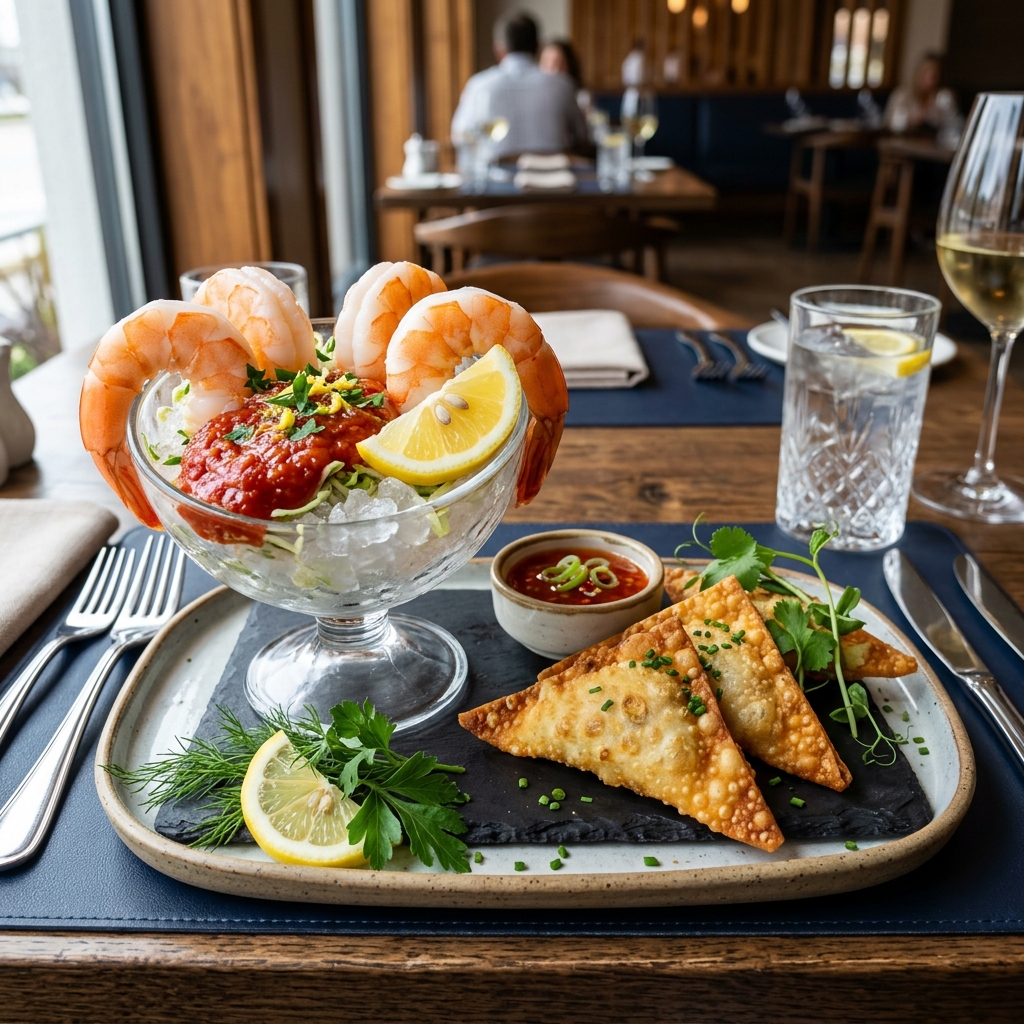
Shrimp cocktail is a classic, but its "chilled" nature often causes mothers to mistake it for raw seafood. Clinical Fact: Shrimp cocktail is always made with fully boiled or steamed shrimp. It is not raw. However, the safety of the shrimp depends entirely on the "Cold Chain" management. If the shrimp were cooked but then allowed to sit at room temperature for even 30 minutes, Listeria can multiply. When eating out, ensure the shrimp are served on a heavy bed of fresh ice. If they feel slimy or have a dull odor, skip them immediately. Shrimp is also exceptionally low in mercury, making it one of the safest seafood choices for regular consumption in 2026. The protein in shrimp is also highly digestible, providing the essential amino acids needed for the baby's muscle and organ development. Shrimp is also a source of astaxanthin, a powerful antioxidant that supports cellular health and helps manage the oxidative stress of pregnancy.
Crab Rangoon: The Truth About "Imitation" Crab
Crab Rangoon almost never contains real "lump" crab meat. Instead, it uses Surimi (Imitation Crab). Surimi is made from pulverized white fish (usually Pollock) that has been fully cooked, shaped, and flavored with crab extract. Because it is pre-cooked during the manufacturing process, it is 100% safe for pregnancy. The filling is usually a mixture of cream cheese and surimi. In 2026, all commercial cream cheese in the US is pasteurized, eliminating the risk of unpasteurized dairy. Furthermore, the Deep-Frying process acts as a definitive "Pathogen Kill-Step" - the wonton is fried at temperatures exceeding 350°F, ensuring any potential bacteria are eradicated. This makes Crab Rangoon a surprisingly safe option for those craving a seafood hit without the raw-fish anxiety. The wonton wrapper also provides a source of complex carbohydrates that can help stabilize blood sugar if eaten as part of a balanced meal.
Calamari and Tempura: The Safety of Heat
In 2026, we suggest a simple clinical rule for seafood appetizers: When in doubt, opt for the fry. High-heat frying (like in Shrimp Tempura or Fried Calamari) is an insurance policy against Vibrio and Salmonella. Even if the seafood was slightly under-chilled before cooking, the high-temperature oil bath provides a significant safety margin that chilled appetizers like ceviche or tartare cannot offer. Calamari is also a great source of Choline, which is critical for fetal brain structure and memory formation. Furthermore, the light batter in tempura provides a source of quick-absorbing carbohydrates that can help manage the low blood sugar (and subsequent nausea) often experienced in the late afternoon of the second trimester. Choline is also essential for the mother's liver function and the prevention of pre-eclampsia.
Mercury Bio-Accumulation: Deep-Sea vs. Coastal Species
Methylmercury is a neurotoxin that can cross the placenta and impact the baby's developing nervous system. Unlike larger predatory fish (like Tuna or Swordfish), shrimp and small crabs have a very short lifespan and sit low on the food chain. This means they have almost no time to accumulate significant levels of mercury. In 2026, clinical guidelines prioritize these "Bottom of the Chain" seafoods. You can safely consume up to 12 ounces of shrimp per week. The mercury content in shrimp is so low (averaging 0.001 ppm) that it is considered a "Best Choice" by both the FDA and the EPA. This makes shrimp cocktail one of the most efficient ways to get your DHA without the toxic baggage. Mercury bio-accumulation is also affected by the water temperature and depth; coastal species like shrimp often have lower levels than deep-sea predators that live for decades.
The "Iodine Paradox" and Fetal Thyroid Health
Your thyroid must work 50% harder during pregnancy, and it requires Iodine to do so. Seafood is the world's best natural source of iodine. A deficiency in iodine during pregnancy is the leading cause of preventable intellectual disability worldwide. Eating shrimp cocktail or crab rangoon provides a necessary surge in iodine. However, if you are also taking a prenatal with high iodine, monitor your intake to avoid "Thyroid Storm" symptoms. Use the PregnancyPlate nutrient tracker to ensure your levels are balanced. Iodine is also critical for the development of the baby's own thyroid gland, which begins to function around week 12 of gestation. Proper iodine levels are also linked to a lower risk of post-term birth and maternal energy levels.
Histamine Toxicity: The "Old Fish" Risk
In 2026, we also audit Scombroid poisoning (Histamine toxicity). This occurs when fish (like tuna, mackerel, or even shrimp) are not properly chilled after being caught. Bacteria begin to break down the amino acid histidine into histamine. Unlike Listeria, histamine is NOT killed by cooking or frying. If you feel a "peppery" or "metallic" taste in your shrimp or crab rangoon, stop eating immediately. Histamine toxicity during pregnancy can cause severe nausea, palpitations, and in extreme cases, respiratory distress. Always source your seafood from high-quality vendors with a visible cold-storage chain of custody.
The Chemistry of Dipping Sauces
Most commercial cocktail sauces are made with pasteurized horseradish, tomato paste, and vinegar. However, many also contain preservatives like Sodium Benzoate and EDTA. In 2026, while these are safe in small amounts, we suggest expectant mothers limit their intake of highly processed condiments. The acidity of cocktail sauce can trigger severe heartburn. We suggest using a very small amount of sauce and pairing it with a glass of water to neutralize the acidity. Horseradish itself is safe in small quantities, but large amounts should be avoided as it can potentially cause stomach upset. Homemade cocktail sauce using fresh, pasteurized ingredients is always the gold standard for prenatal health.
DHA-to-Brain Ratios: The Cognitive Blueprint
The third trimester is a period of rapid brain growth. Your baby's brain is essentially 60% fat, and much of that fat is DHA (Docosahexaenoic acid). In 2026, clinical research shows that mothers who consume safe seafood (like shrimp) twice a week have babies with higher scores on visual recognition and motor coordination tests. By choosing shrimp cocktail over high-mercury options, you are providing the building blocks for your baby's cognitive future. This "DHA Loading" is one of the most impactful dietary choices you can make in the final 12 weeks of pregnancy. DHA also supports maternal eye health and helps reduce the risk of postpartum depression by maintaining healthy neurotransmitter function in the mother's brain.
Sodium and Maternal Edema
Seafood, particularly imitation crab and commercial dipping sauces, is high in sodium. Excessive sodium can exacerbate third-trimester swelling (edema) and increase blood pressure. If you are enjoying Crab Rangoon, offset the sodium by drinking an extra 16 ounces of water and avoiding high-sodium foods for the rest of the day. Maintaining a proper sodium-to-potassium ratio is key to preventing the "puffy ankles" that plague many mothers in the final weeks. Potassium-rich foods like bananas or avocados can help balance the sodium from your seafood feast. Proper hydration also ensures that the placenta remains efficient at exchanging nutrients and waste products with the fetus.
Event Safety: The Buffet Strategy
The most dangerous place to eat seafood appetizers is at a large event or wedding. Foods that are left on silver trays for hours at room temperature are a primary cause of food poisoning. We strictly enforce the 20-Minute Rule. If the shrimp cocktail has been sitting on a tray at room temperature (not on a direct bed of fresh ice) for more than 20 minutes, do not eat it. Similarly, if the Crab Rangoon is lukewarm rather than steaming, pass. Bacteria love room-temperature shellfish. At events, try to time your arrival at the appetizer station to coincide with a fresh batch coming out of the kitchen. Always carry a small bottle of hand sanitizer to use before eating finger foods like Crab Rangoon.
Omega-3 to Omega-6 Ratios
Modern diets are often too high in Omega-6 (found in seed oils used for frying) and too low in Omega-3 (found in seafood). Pregnancy requires a delicate balance of these fatty acids. While Crab Rangoon provides Omega-6 through the frying process, the surimi provides a necessary hit of Omega-3. We recommend balancing your seafood appetizers with a high-quality fish oil supplement or a handful of flaxseeds to ensure your Omega-3 levels stay optimized. This balance is critical for the baby's skin development and the mother's cardiovascular flexibility during the late stages of the third trimester.
The Role of Zinc in Fetal Growth
Shrimp and crab are also excellent sources of Zinc, a mineral that plays a central role in cell division and DNA synthesis. During the rapid growth phases of the second and third trimesters, your baby's demand for zinc surges. Zinc also supports the mother's immune system and helps prevent the "prenatal colds" that can be so draining for expectant mothers. A serving of shrimp cocktail provides nearly 15% of your daily zinc requirement, making it a functional food for both growth and immunity. Zinc is also essential for the sense of taste and smell, which can be altered by pregnancy hormones.
Summary: The Seafood Safety Checklist
- Gold Standard: Shrimp Cocktail (freshly iced) and Steaming Crab Rangoon.
- The Fry Rule: Fried appetizers provide an extra "kill-step" for safety.
- Avoid: Oysters, Ceviche, and Seafood Tartare (Raw risk).
- DHA Goal: 2 servings of safe seafood per week (max 12oz).
- Mercury Check: Stick to small species (shrimp, crab, calamari) to avoid heavy metals.
- Histamine Rule: Discard fish with a "peppery" or "metallic" taste.
- Sodium Balance: Drink extra water and pair with potassium-rich foods like avocado.
Seafood appetizers can be a delicious and nutrient-dense part of your pregnancy journey. By applying the "Kill-Step" filter and ensuring your chilled seafood is truly fresh, you can navigate any menu with clinical authority. Focus on the protein, enjoy the Omega-3s, and eat with total confidence. Check your weekly DHA and Iodine targets on the PregnancyPlate app today. Your 40 weeks are a journey of discovery - ensure every bite supports your baby's future cognitive success.
Meet the Editorial Team
The researchers and experts behind PregnancyPlate.

Fiza Izra
Founder & Tech Researcher
A UK-based mother of 3 with a background in tech and data synthesis, Fiza brings real-world experience navigating hyperemesis gravidarum and postnatal depression. She engineers complex clinical guidelines (NHS, ACOG) into accessible tools, ensuring rigorous fact-checking with deep empathy.

Emma Davies
Senior Nutrition Editor
A mum and writer, Emma runs our food safety desk. She is the one who rings the restaurant to ask how long the lettuce sits out, checks every claim against CDC, FDA and NHS guidance, and rewrites the answer until it is usable at 9pm in a drive-thru queue.
Make sense of every plate.
Scan your plate for pregnancy food-safety guidance and a nutrition breakdown. Keep your meals and nutrient progress in one place.
Scan with your iPhoneto get the app