Best Foods for Acid Reflux During Pregnancy: What to Eat for Heartburn Relief
Is the 'Fire in your Chest' ruining your nights? We audit the best alkaline 'Helper Foods' and rank the worst biological triggers to help you manage pregnancy heartburn naturally.
In this article
Editorial note: This article is researched from official public health and pregnancy food safety guidance, then edited by the PregnancyPlate team for clarity. It is not medical advice. If you are worried about symptoms or a specific exposure, contact your midwife, GP or healthcare provider.
The Acid Reflux Audit: Pregnancy heartburn isn't caused by "too much acid" - it's caused by the hormone Progesterone. This hormone relaxes the Lower Esophageal Sphincter (LES), allowing stomach contents to backflow. You cannot stop the hormone, but you can change the chemistry of what's in your stomach. Strategic "alkalizing" foods can neutralize the burn in seconds without the need for excessive medication.
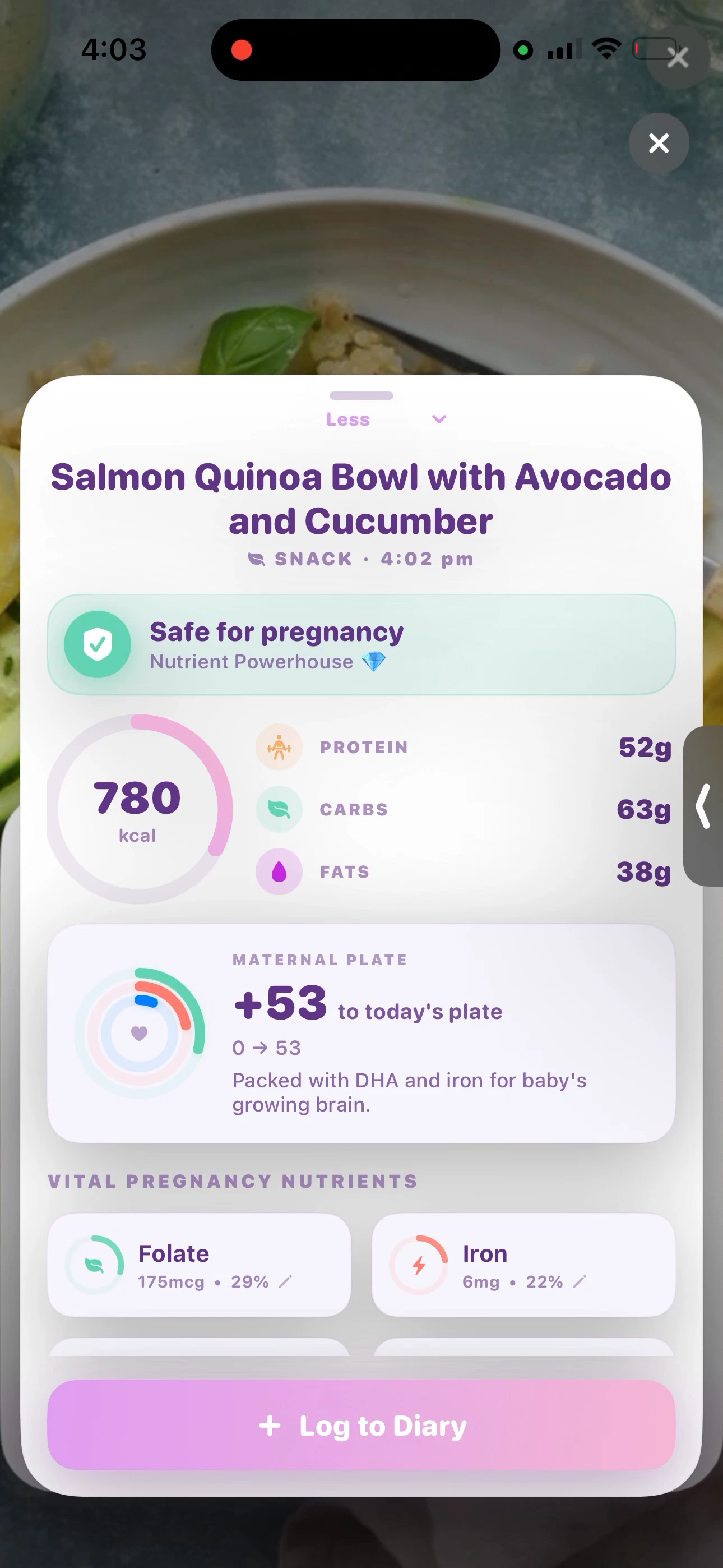
Track Your Heartburn Helpers on PregnancyPlateYour next meal, a little less guesswork.
Scan your plate for pregnancy food-safety guidance and a nutrition breakdown. Keep your meals and nutrient progress in one place.
 Scan with your iPhone
to get the app
That familiar, fiery sensation in your chest usually strikes when you're at your most vulnerable: right after a delicious meal or just as you're trying to settle in for a night's sleep. Pregnancy-induced acid reflux (GERD) affects up to 80% of expectant mothers, with the severity often peaking in the late second and third trimesters. While most doctors simply hand you a bottle of liquid antacid and send you on your way, the reality of 2026 prenatal nutrition is far more sophisticated. We now know that your diet can either be the gasoline or the fire extinguisher for that internal flame.
We now understand that the "Fire in the Chest" is a mechanical failure driven by biological signals. As your baby grows and shifts into the third trimester, the upward pressure on your stomach physically displaces your internal organs, reducing your "gastric capacity." Meanwhile, the surge in progesterone relaxes the "trap door" (the Lower Esophageal Sphincter or LES) that normally keeps stomach acid where it belongs. To manage this without heavy reliance on medication, you need a two-pronged strategy: avoiding the "Biological Triggers" that further loosen the LES and consuming "Helper Foods" that absorb or neutralize acid quickly.
In this authoritative audit, we're going to rank the best and worst foods for pregnancy heartburn. We'll look at the science of alkalizing breakfasts, the role of Ginger and Fennel in digestive motility, the "Horizontal Hazard" of sleeping positions, and provide a 2026 blueprint for "Sleep-Safe" dining to ensure you can finally get a full night’s rest without the burn.
Looking for the full picture? Read our full guide to the best foods for pregnancy heartburn, which covers this topic in more depth.
The "Helper Foods": Natural Antacids
Unlike trigger foods that cause havoc, helper foods provide meaningful symptomatic relief by either neutralizing the pH of your stomach or creating a "gel-like" barrier that prevents acid from rising. In the third trimester, these should be the foundation of your diet.
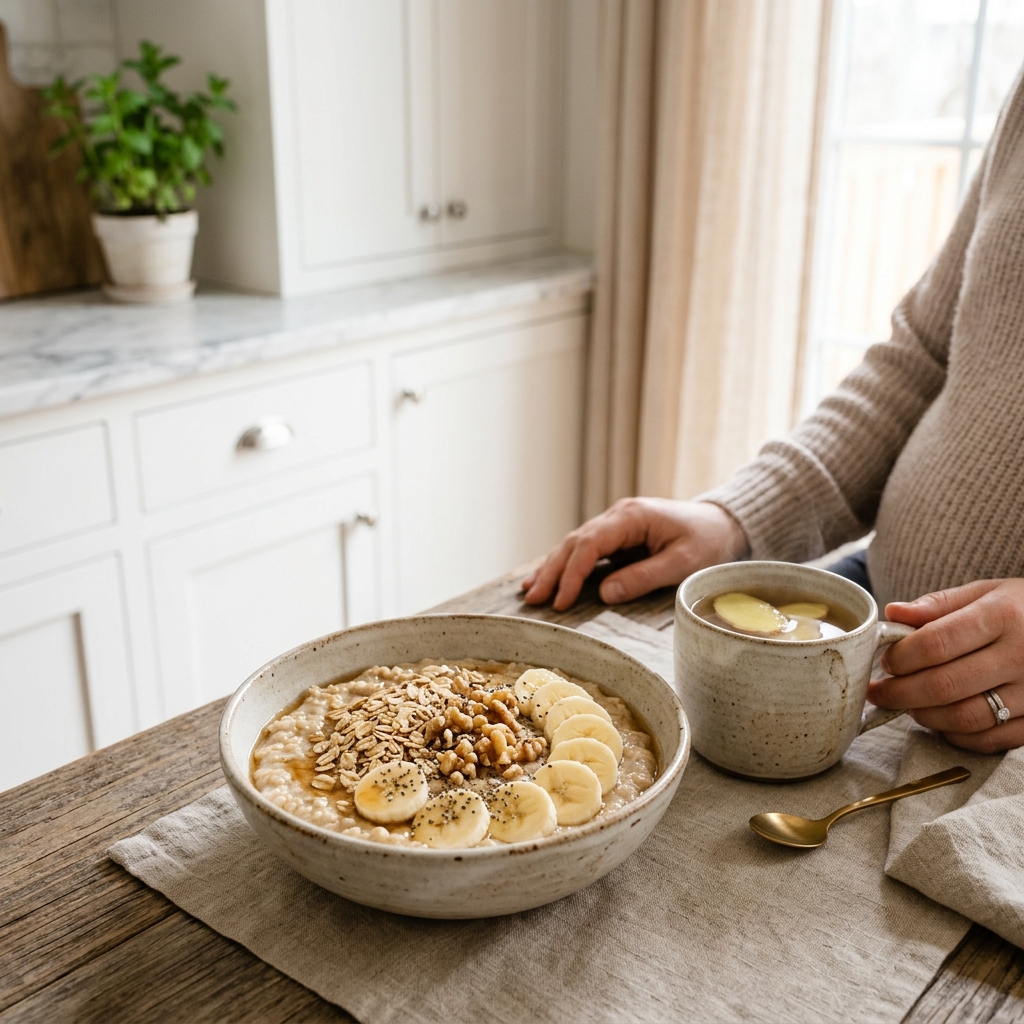
- 1. Oatmeal (Steel-Cut or Rolled): Oatmeal is a massive acid absorber. It is a complex carbohydrate that stays in the stomach just long enough to soak up excess gastric juices without triggering an insulin spike. It's the ultimate "peacekeepers" of the morning gut.
- 2. Bananas: These are naturally low-acid (alkaline) fruits. They have a "mucilaginous" texture that can help coat an irritated esophageal lining. They are also rich in potassium, which helps regulate the fluid balance that often contributes to pregnancy swelling.
- 3. Melons (Watermelon, Cantaloupe): High in water and highly alkaline. These are excellent for neutralizing fruit-induced acidity from earlier in the day. Watermelon provides the added benefit of hydration if you find drinking plain water difficult.
- 4. Ginger & Peppermint (Use Caution): While Peppermint is great for some, it can actually relax the LES further in others. Ginger, however, is a universal gastric motility aid that helps empty the stomach faster, reducing the time acid sits near the "trap door."
- 5. Low-Fat Yogurt/Kefir: Probiotics support general digestion, and the cold, creamy texture provides instant relief to a burning throat. The calcium in dairy also has a mild neutralizing effect on stomach acid.
The "Biological Triggers": What to Avoid
These foods aren't just "spicy" - they functionally interfere with your body's ability to keep acid down. If you're struggling with severe reflux, these should be restricted, especially in the 4 hours before bedtime.
- Spicy Cured Meats: Foods like pepperoni and spicy sausage contain capsaicin and high fats that stay in the stomach for hours, keeping the LES wide open.
- Citrus & Caffeine: Both coffee and orange juice are highly acidic and IRRITATE the inflamed esophageal lining (mucosa). Caffeine also has a mild muscle-relaxant effect on the LES.
- Fried/Greasy Foods: Fat slows down gastric emptying. The longer food sits in your stomach, the more acid your body produces to break it down. French fries are often the #1 culprit for night-time reflux.
- Chocolate: Contains methylxanthine, which has been clinically shown to relax the smooth muscle of the LES, effectively "opening the door" for acid backflow.
- Carbonated Drinks: The gas from bubbles physically forces your LES to open (the burp reflex), which often brings a "hitchhiker" of stomach acid up with it.
The "Mechanical Hack": Timing and Portions
Sometimes it’s not *what* you eat, but *how* you eat it. In the third trimester, your stomach is physically smaller because the uterus is pushing it upwards into your ribcage. In 2026, we advocate for the "Small & Frequent" protocol. Instead of three large meals, aim for six "mini-meals" (roughly the size of two fists). This prevents the "Overfill Reflex" where the sheer volume of food physically forces the stomach contents back up.
The "Sleep-Safe" Window: You should finish your last meal at least 3 hours before lying down. Gravity is your best friend in managing GERD. When you're upright, acid stays down; when you're horizontal, it flows out. If you must snack before bed, choose a "Helper Food" like a few slices of green apple or a few tablespoons of Greek yogurt. Avoid anything "heavy" like a bowl of cereal or a sandwich in the final 120 minutes of your day.
The "Horizontal Hazard": Sleeping Strategy
How you sleep is just as important as what you eat. Clinical studies show that sleeping on your LEFT side is the optimal position for reflux relief. Because of the curved shape of the stomach, sleeping on the left side keeps the LES "above" the level of the stomach acid. Sleeping on your right side allows the acid to pool directly against the "trap door," making a leak much more likely.
Additionally, using a high-quality wedge pillow to elevate your upper body by 6-10 inches can use gravity to keep acid in the stomach throughout the night. Never stack standard pillows, as this can cause you to "fold" at the waist, actually putting *more* pressure on your stomach.
The Role of Hydration: Water Wisdom
Many women make the mistake of drinking massive amounts of water *during* their meals. This is a primary driver of pregnancy heartburn. When you drink 16 ounces of water with a sandwich, you are doubling the volume in your stomach and diluting your natural digestive enzymes.
The 2026 Protocol: Sip water *between* meals. Aim to stop drinking 30 minutes before a meal and resume 30 minutes after. This keeps your "stomach volume" low and ensures your acid is concentrated enough to digest your food quickly, reducing the window for reflux to occur.
Reflux during Exercise: Managing the Burn on the Move
If your daily walk triggers the burn, it's likely due to the mechanical "jostling" of your stomach contents. To prevent "Exercise Reflux":
- Wait 60 minutes: Never walk or exercise immediately after a meal. Give your stomach a head start on digestion.
- Upright activity: Stick to walking or prenatal yoga that keeps your head above your stomach. Avoid "Down Dog" or any inverted poses if you are in a high-reflux phase.
- Alkaline Prep: Have a small alkaline snack (like a banana) before your walk to "anchor" your stomach acid.
Summary Checklist for Heartburn Relief
- Eat Small: 6 mini-meals instead of 3 large ones to avoid "volume reflux."
- Sleep on the Left: Use a wedge pillow and stay on your left side to keep the LES above the acid line.
- Identify Your Triggers: Use a food log to track what specifically causes *your* personal "Burn."
- Alkalize the Morning: Start your day with oatmeal or a banana to set a low-acid baseline for the afternoon.
- Liquid Separation: Drink your water only between meals, never during.
Pregnancy heartburn is agonizing, but it is not an inevitability. By understanding the mechanical and hormonal forces at play, you can design a diet that supports your baby’s growth without sacrificing your own comfort. Focus on "Helper Foods," time your hydration strategically, and respect the "Sleep-Safe" window to reclaim your nights and your appetite through the final trimesters of 2026.
Douse the Fire, Keep the Fuel
You shouldn't have to choose between a healthy meal and a painful night. Download the PregnancyPlate App today. Our "Reflux Auditor" and "Alkalizing Meal Planner" help you identify your personal triggers and provide instant, soothing meal alternatives that keep you nourished and reflux-free. Join 50,000+ mothers sleeping soundly tonight.
Meet the Editorial Team
The researchers and experts behind PregnancyPlate.

Fiza Izra
Founder & Tech Researcher
A UK-based mother of 3 with a background in tech and data synthesis, Fiza brings real-world experience navigating hyperemesis gravidarum and postnatal depression. She engineers complex clinical guidelines (NHS, ACOG) into accessible tools, ensuring rigorous fact-checking with deep empathy.

Emma Davies
Senior Nutrition Editor
A mum and writer, Emma runs our food safety desk. She is the one who rings the restaurant to ask how long the lettuce sits out, checks every claim against CDC, FDA and NHS guidance, and rewrites the answer until it is usable at 9pm in a drive-thru queue.
Make sense of every plate.
Scan your plate for pregnancy food-safety guidance and a nutrition breakdown. Keep your meals and nutrient progress in one place.
Scan with your iPhoneto get the app