Is Peppermint Tea Safe During Pregnancy? Benefits, Heartburn Relief & When to Avoid It
Is peppermint tea completely safe for pregnancy? We audit its powerful effects on morning sickness, the dangers of Pennyroyal mint, and why it can trigger massive acid reflux.
In this article

Editorial note: This article is researched from official public health and pregnancy food safety guidance, then edited by the PregnancyPlate team for clarity. It is not medical advice. If you are worried about symptoms or a specific exposure, contact your midwife, GP or healthcare provider.
Quick Answer: Yes, commercially prepared Peppermint Tea (made from Mentha piperita) is entirely safe and highly beneficial during pregnancy. It is caffeine-free and clinically proven to reduce first-trimester nausea and bloating. However, if you suffer from severe third-trimester acid reflux, peppermint will actually make your heartburn worse. Never consume peppermint essential oil or wild "pennyroyal" mint.
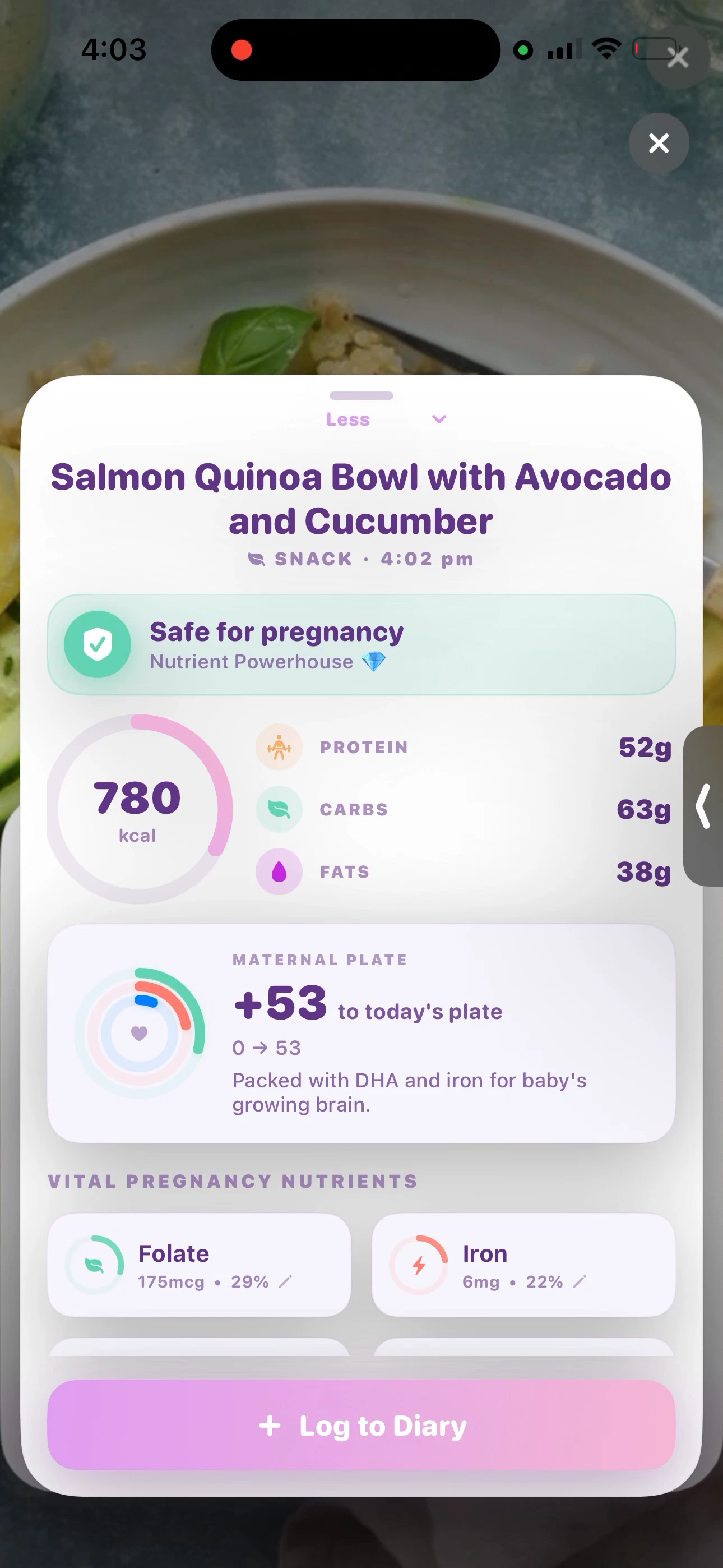
Track Your Safe Herbal Teas on PregnancyPlateYour next meal, a little less guesswork.
Scan your plate for pregnancy food-safety guidance and a nutrition breakdown. Keep your meals and nutrient progress in one place.
 Scan with your iPhone
to get the app
Navigating the beverage aisle during pregnancy often feels like walking through a minefield. Once you eliminate coffee due to caffeine limits, energy drinks due to taurine, and alcohol for obvious reasons, many expectant mothers turn to the "herbal" tea section, assuming that anything natural is inherently safe. Unfortunately, in the world of prenatal nutrition, the "natural" fallacy is a dangerous one. Many herbal teas, such as hibiscus and excessive chamomile, carry genuine risks for uterine stimulation or developmental complications.
However, shining brightly on the 2026 safe list is a staple of traditional wellness: Peppermint Tea.
Whether you're battling the debilitating waves of first-trimester morning sickness or desperately trying to stay hydrated when plain water makes you gag, peppermint tea offers a scientifically backed sanctuary. But it is not a flawless miracle cure. Depending on which trimester you are in, and what specific pregnancy symptoms you are experiencing, peppermint tea can act as either your greatest relief or a sudden trigger for severe discomfort.
In this comprehensive, we are breaking down the exact pharmacological effects of Mentha piperita on the pregnant body. We will explore how menthol soothes the digestive tract, why it is the ultimate double-edged sword for heartburn, the critical danger of confusing peppermint with toxic "pennyroyal" mint, and establishing the true safe daily limits for consumption.
The Chemistry of Peppermint: Why It Works
Peppermint (Mentha × piperita) is a naturally occurring hybrid mint, a cross between watermint and spearmint. The active compound that gives peppermint its distinctive cooling flavor and its medicinal properties is menthol.
When you steep peppermint leaves in hot water, the essential oils containing menthol are gently released into the cup. When ingested, menthol acts as a powerful antispasmodic. This means it actively relaxes the smooth muscles of the gastrointestinal tract. During pregnancy, your digestive system is already under immense stress due to the surging hormone progesterone, which inherently slows down digestion. By introducing menthol, the stomach muscles relax, spasms cease, and the overall digestive transit becomes smoother and less volatile.
The Holy Grail for Morning Sickness (First Trimester)
During weeks 6 through 14 of pregnancy, up to 80% of women will experience nausea and vomiting of pregnancy (NVP), commonly known as morning sickness. The exact cause is linked to the rapid rise of Human Chorionic Gonadotropin (hCG) and estrogen.
For decades, ginger has been the gold standard for nausea relief. But what happens when you have an aversion to the spicy, pungent taste of ginger? Peppermint tea is the primary clinical alternative.
How it helps:
- Stomach Settling: Because menthol relaxes the stomach muscles, it reduces the involuntary contractions that lead to the physical act of vomiting.
- Aromatherapy Action: Interestingly, you don't even need to drink the tea to get some of the benefits. Studies have shown that simply inhaling the steam from a hot cup of peppermint tea can intercept nausea signals in the olfactory bulb of the brain, instantly suppressing the urge to gag.
- Hydration: When you are vomiting frequently, dehydration is a severe risk. Dehydration leads to lower amniotic fluid volume and can trigger premature contractions. Sipping warm peppermint tea is an excellent, flavor-forward way to hit your 100-ounce daily fluid target without the extreme nausea triggered by plain, cold water.
The Double-Edged Sword: Heartburn and Acid Reflux
Here is the most critical physiological caveat of this entire audit: Peppermint tea is terrible for severe heartburn.
If you are in your third trimester, your growing uterus is physically pushing your stomach upward, compressing it against your diaphragm. Simultaneously, progesterone relaxes the Lower Esophageal Sphincter (LES), the muscular valve separating your stomach from your esophagus. This allows stomach acid to easily splash upward, causing the burning sensation of acid reflux.
Remember how we established that menthol is a powerful muscle relaxant? Unfortunately, menthol does not discriminate. While it relaxes the stomach cramps (which is good), it further relaxes the Lower Esophageal Sphincter (which is very, very bad). By drinking peppermint tea when you already have acid reflux, you are essentially opening the floodgates, allowing gastric acid to pour upward into your esophagus.
The Trimester Rule for Peppermint
First Trimester: Drink freely. Excellent for nausea and stomach pain.
Third Trimester: Proceed with caution. If you suffer from frequent heartburn or GERD, avoid peppermint tea entirely and switch to a soothing, non-relaxing tea like marshmallow root or mild ginger.
The Danger of Misidentification: The Pennyroyal Warning
Not all mints are created equal. This is the single highest-risk factor when discussing herbal teas during pregnancy.
While true Peppermint (Mentha piperita) and Spearmint (Mentha spicata) are safe, there is a wild plant in the mint family known as Pennyroyal (Mentha pulegium). Pennyroyal looks and smells incredibly similar to standard mint. However, pennyroyal contains a highly toxic compound called pulegone.
In historical and clinical contexts, pennyroyal is a known abortifacient. It aggressively stimulates uterine contractions and causes severe liver damage. Ingesting pennyroyal tea during pregnancy can trigger miscarriage, preterm labor, or fatal organ failure.
The Safety Protocol:
- NEVER Wildcraft: Do not go foraging for wild mint in the woods or fields during pregnancy. The risk of misidentifying pennyroyal as peppermint is simply too high.
- Buy Commercial: Only buy peppermint tea from reputable, commercial brands (like Twinings, Traditional Medicinals, or Bigelow). These companies use strict botanical testing to ensure 100% Mentha piperita purity.
- Read the Label: If buying from a local apothecary or farmers market, ensure the label explicitly states the botanical name and does not contain generic "wild mint blends."
Peppermint Essential Oil: A Strict "Do Not Ingest"
While peppermint tea is a gentle, heavily diluted infusion of the leaves, peppermint essential oil is an incredibly potent, concentrated chemical extraction. It takes roughly 250 pounds of peppermint leaves to make just one pound of essential oil.
During pregnancy, you must never ingest peppermint essential oil. Taking drops of the oil internally, or placing it under your tongue, can cross the placental barrier in massive, unstudied doses. It can also cause severe toxicity, mucosal burning, and neurological issues for both mother and fetus. If you want the benefits of peppermint internally, exclusively use tea bags or fresh culinary leaves.
Note: Using highly diluted peppermint essential oil topically (like rubbing it on your temples for a headache) is generally considered safe, but always consult your OB-GYN first.
Constipation Relief and Digestive Harmony
Around 40% of pregnant women will experience severe constipation, exacerbated by prenatal iron supplements and the slowing down of the digestive tract. While hydration and dietary fiber are the primary solutions, peppermint tea acts as a powerful supporting ally.
The antispasmodic effect of menthol helps to relieve the painful gas and bloating that accompanies constipation. By relaxing the intestinal walls, peppermint tea can help facilitate smoother bowel movements without the need for harsh stimulative laxatives (which are often restricted during pregnancy). A cup of warm peppermint tea after a heavy meal is an excellent way to prevent the dreaded "pregnancy bloat."
Safe Consumption Limits: How Much is Too Much?
Because peppermint tea is naturally 100% caffeine-free, it does not count toward your daily 200mg caffeine limit. However, because it is a pharmacologically active herb, "caffeine-free" does not mean "unlimited."
The American College of Obstetricians and Gynecologists (ACOG) and leading prenatal dietitians recommend limiting consumption to 1 to 3 cups (8-24 oz) per day. Consuming massive quantities (like drinking a gallon of strong peppermint tea) could theoretically introduce excessive levels of menthol into your bloodstream, which may impact liver function or unnecessarily alter your digestive rhythm.
Fresh Leaves vs. Tea Bags vs. Loose Leaf
Does the format of your peppermint tea matter? From a safety perspective, all three standard formats are completely safe, provided they are sourced correctly.
- Commercial Tea Bags: The safest, most consistent option. The drying process stabilizes the menthol, and the dosing is perfectly regulated.
- Fresh Supermarket Leaves: Buying a clamshell of fresh mint from the grocery store and steeping it in boiling water creates an incredibly vibrant, vitamin-rich tea. Just ensure you wash the leaves thoroughly to remove any surface pesticides or dirt, as toxoplasmosis from unwashed produce is a real pregnancy risk.
- Loose Leaf: High-quality loose leaf peppermint offers the deepest flavor profile. Again, ensure you are buying from a reputable tea merchant guaranteed to provide pure Mentha piperita without unknown herbal "fillers."
How Peppermint Compares to Other Herbal Teas
To put peppermint's safety into perspective, here is how it ranks against other popular herbal teas during pregnancy in 2026:
- Ginger Tea: The holy grail for nausea. 100% safe and highly recommended alongside peppermint.
- Rooibos (Red Bush): 100% safe. Highly antioxidant, zero caffeine, incredibly hydrating.
- Chamomile: Safe in moderation (1 cup a day), but excessive consumption in the third trimester has been weakly linked to premature closure of the fetal ductus arteriosus. Use caution.
- Red Raspberry Leaf: Controversial. Believed to tone the uterus for labor, it is heavily restricted during the first and second trimesters to avoid early contractions. Only safe in the final weeks under midwife supervision.
- Hibiscus: UNSAFE. Hibiscus is a known emmenagogue, meaning it stimulates blood flow to the pelvic region and can trigger menstruation or miscarriage. Avoid entirely.
Conclusion: The Ultimate 2026 Verdict
Peppermint tea is not just safe; it is a vital tool in your prenatal wellness arsenal. When battling the intense aversions and nausea of early pregnancy, a warm cup of commercial peppermint tea is one of the most effective, biologically appropriate remedies available.
Simply abide by the golden rules: Stick to 1-3 cups a day, exclusively use reputable, labeled brands to avoid toxic pennyroyal contamination, and immediately halt consumption if you begin experiencing third-trimester acid reflux. Do that, and you can sip your mint tea with absolute peace of mind.
Don't Guess on Herbal Safety
Herbal teas look innocent, but their active compounds can be incredibly powerful. Don't risk a mistake by trusting a random blog post from 2012. Download the PregnancyPlate App today. Our built-in "Herbal Scanner" lets you instantly verify the clinical safety of over 150 different botanical ingredients, ensuring every single cup you brew is optimized for your baby’s development.
Meet the Editorial Team
The researchers and experts behind PregnancyPlate.

Fiza Izra
Founder & Tech Researcher
A UK-based mother of 3 with a background in tech and data synthesis, Fiza brings real-world experience navigating hyperemesis gravidarum and postnatal depression. She engineers complex clinical guidelines (NHS, ACOG) into accessible tools, ensuring rigorous fact-checking with deep empathy.

Emma Davies
Senior Nutrition Editor
A mum and writer, Emma runs our food safety desk. She is the one who rings the restaurant to ask how long the lettuce sits out, checks every claim against CDC, FDA and NHS guidance, and rewrites the answer until it is usable at 9pm in a drive-thru queue.
Make sense of every plate.
Scan your plate for pregnancy food-safety guidance and a nutrition breakdown. Keep your meals and nutrient progress in one place.
Scan with your iPhoneto get the app