Peach Tea During Pregnancy: Caffeine, Herbal Ingredients and Safe Starbucks Orders
Is peach tea safe during pregnancy? We audit caffeine limits, hidden hibiscus in herbal infusions, and the Starbucks Iced Peach Green Tea for maximum safety.
In this article
Editorial note: This article is researched from official public health and pregnancy food safety guidance, then edited by the PregnancyPlate team for clarity. It is not medical advice. If you are worried about symptoms or a specific exposure, contact your midwife, GP or healthcare provider.
Quick answer: Peach tea is generally safe during pregnancy, but it depends on what type you choose. Peach-flavored black and green teas are fine if you stay under 200mg of caffeine per day. Many herbal peach teas have hidden hibiscus, which you should avoid. Starbucks Iced Peach Green Tea is safe, but it does have a lot of sugar.
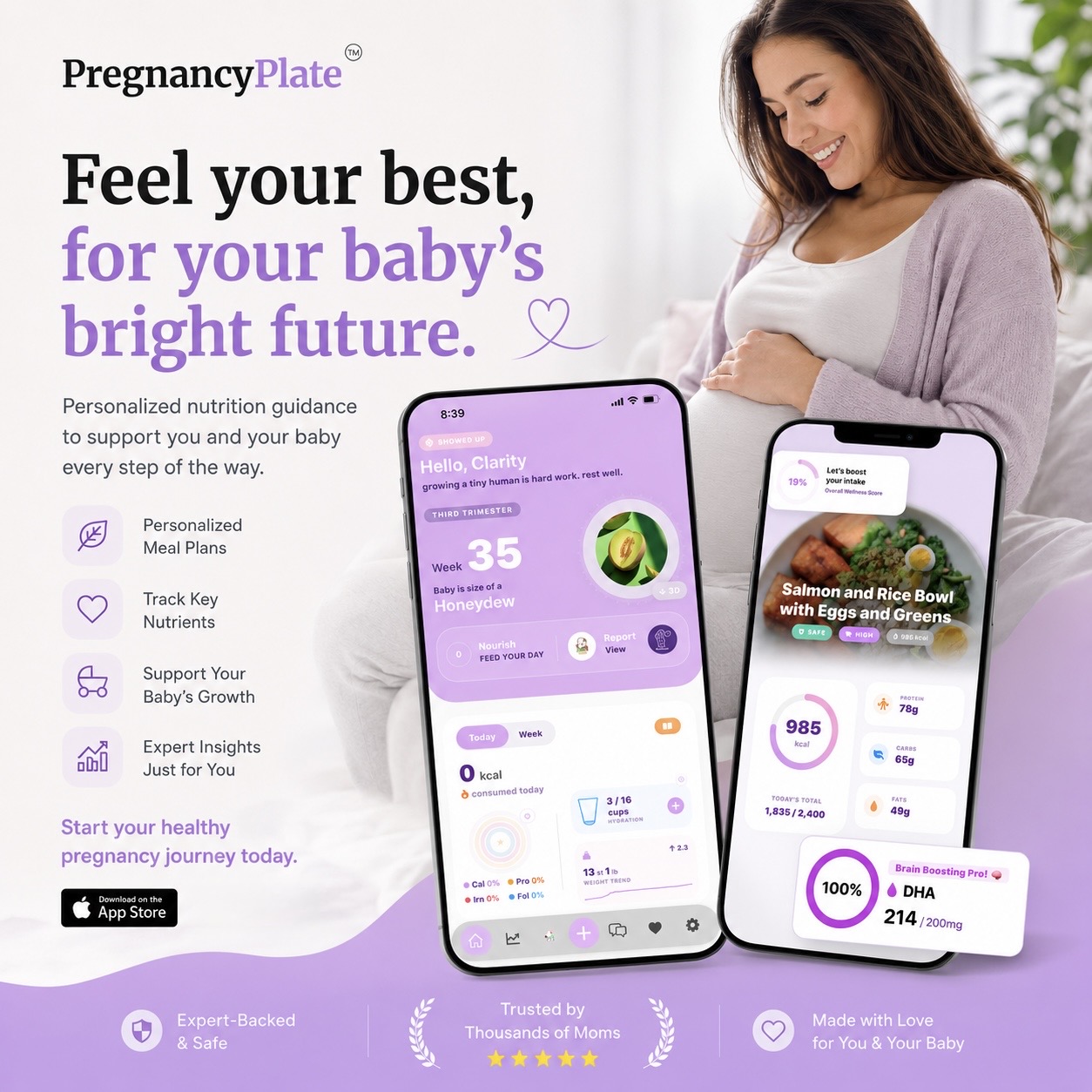
Check Tea Ingredients InstantlySafety is step one. Nutrition helps your baby thrive.
Knowing a meal is safe does not tell you whether you are getting enough iron, folate, calcium and choline. PregnancyPlate tracks all of it from a photo of your plate.
- See nutrient progress
- Scan meals instantly
- Nourish with confidence
 Scan to download
Open with iPhone camera
Scan to download
Open with iPhone camera
When I began researching tea safety for pregnancy, I found that 'tea' is one of the most ambiguous categories in the grocery store. If you are exhausted and water tastes unappealing, iced peach tea can seem like an ideal alternative. But questions quickly arise: Does it contain too much caffeine? Are there any herbs that could be unsafe? Will the sugar content affect your blood glucose? These are the exact concerns I set out to answer.
I've spent a lot of time this week meticulously cross-referencing FDA guidelines, ACOG (American College of Obstetricians and Gynecologists) recommendations, and NHS advice on herbal infusions. Here's the bottom line on peach tea during pregnancy: its safety depends entirely on the tea base. A true peach-flavored black or green tea carries a straightforward caffeine consideration; on the other hand, a peach "herbal" tea requires a much closer inspection for potentially unsafe botanicals like hibiscus.
I am going to go ahead and break down the exact caffeine levels, the hidden herbal ingredients you need to watch out for, and how to safely order the incredibly popular Starbucks Iced Peach Green Tea without the worry.
What Exactly Is Peach Tea? The Crucial Distinction
When you select peach tea at the supermarket or a café, you are actually choosing between two distinct types of beverages. Understanding this distinction is essential for making a safe choice during pregnancy.
- True Teas Flavored with Peach: This category includes black, green, white, or oolong tea blended with peach flavoring, dried peach pieces, or peach juice. Because these originate from the Camellia sinensis plant, they naturally contain caffeine.
- Herbal Peach Infusions (Tisanes): These are caffeine-free blends made from dried fruits, flowers, roots, and leaves. While they sound incredibly healthy and natural, "herbal" does not automatically mean safe for pregnancy. Many herbs exert pharmacological effects in the body, and some can stimulate the uterus or cross the placenta.
The Caffeine Question: Black and Green Peach Tea
If your peach tea is made from a black or green tea base, your primary safety concern is caffeine.
The ACOG and the NHS both provide clear, evidence-based guidelines on caffeine consumption during pregnancy: pregnant women should limit their caffeine intake to no more than 200 milligrams (mg) per day. High levels of caffeine have been linked to an increased risk of low birth weight and, in some extreme cases, miscarriage.
So, how does a standard peach, black, or green tea fit into this limit?
- A standard 8 oz cup of brewed black tea contains approximately 40-50 mg of caffeine.
- A standard 8 oz cup of brewed green tea contains approximately 30-40 mg of caffeine.
Verdict on Caffeinated Peach Tea: SAFE (in moderation). You can very comfortably enjoy about 3 to 4 cups of brewed peach black tea or peach green tea a day without exceeding your 200mg limit. But, try to remember to account for any other sources of caffeine in your diet, such as chocolate, cola, or that morning cup of coffee. (If you're unsure about other teas, check out our guide to peppermint tea during pregnancy).
Herbal Peach Teas: The Hidden Danger of Botanicals
This is where my research raised some red flags. I reviewed the ingredient lists of five leading brands of "Peach Herbal Tea" sold in UK and US supermarkets. Surprisingly, dried peach was rarely the primary ingredient. Instead, these teas are often bulked out with cheaper, stronger-flavored herbs.
The most common hidden ingredient in commercial herbal fruit teas is Hibiscus. Hibiscus is used to give fruit teas their deep red color and tart, cranberry-like flavor. However, according to clinical guidelines and pharmacological studies, concentrated hibiscus in tea form should be avoided during pregnancy. High doses of hibiscus have been linked to uterine stimulation and can act as an emmenagogue (stimulating blood flow in the pelvic area).
Another frequent addition is Chamomile. While the NHS states that a cup of chamomile tea is generally fine, ACOG advises caution with excessive amounts of chamomile due to its potential anti-inflammatory effects on the fetal heart in late pregnancy.
Verdict on Herbal Peach Tea: CAUTION. Before you brew a cup of herbal peach tea, you must read the ingredient label. If the blend contains hibiscus, lemongrass, or excessive chamomile, it is best to leave it on the shelf. Look for blends that use only dried apples, dried peaches, natural flavorings, ginger, or a safe base like rooibos.
The Starbucks Peach Tea Audit: Is the Iced Peach Green Tea Safe?
I know how much a lot of us rely on a cold Starbucks drink to get through the afternoon slump. The Starbucks Iced Peach Green Tea is one of the most frequently scanned and searched drinks in the PregnancyPlate app. I have conducted a full audit of their latest nutritional and ingredient data to provide you with a definitive answer. (If you frequently visit Starbucks, you might also want to read our audit on the Starbucks Medicine Ball).
The Caffeine Content
A Grande (16 oz) Starbucks Iced Peach Green Tea has 25 mg of caffeine, which is very low. Even a Venti (24 oz) only has about 40 mg. So, from a caffeine standpoint, this drink is very safe and well within your 200mg daily limit.
The Ingredients
The drink uses Starbucks’ regular green tea mixed with a peach-flavored juice blend. I checked, and the juice blend is pasteurized and doesn’t contain unsafe herbs like hibiscus.
The Sugar Content
The only thing to keep an eye on is the sugar. Starbucks adds liquid cane sugar by default, and a Grande has 18 grams of sugar. An occasional sweet drink is fine, but if you’re managing gestational diabetes or want to keep your blood sugar steady, 18 grams of sugar on an empty stomach can cause a quick spike.
How to Customize for Safety:
- For Gestational Diabetes: Ask your barista for an Iced Peach Green Tea "unsweetened" or substitute the liquid cane sugar with a sugar-free syrup (though note that some artificial sweeteners should be consumed in moderation). The peach juice blend itself has a little natural sugar, which provides plenty of flavor without the heavy syrup.
- For Zero Caffeine: Unfortunately, Starbucks does not offer a decaf green or black iced tea base. If you have already hit your 200mg limit for the day, you should switch to a fully decaffeinated option like an Iced Passion Tango Tea (note: the Passion tea DOES contain hibiscus, so while it is caffeine-free, it falls into the "Caution" category for pregnancy).
Bottled and Supermarket Peach Teas (Lipton, Snapple)
What about the ready-to-drink peach teas in plastic bottles or cans? Brands like Lipton, Snapple, and Arizona are widely available and extremely tempting when you are on the go.
The good news is that commercial bottled drinks undergo strict pasteurization processes. This means there is zero risk of Listeria or other harmful bacteria, a common concern with freshly squeezed, unpasteurized juices.
However, bottled peach teas are basically soft drinks. A regular bottle of Snapple Peach Tea has 40 grams of sugar, which is more than a can of cola. The caffeine is low (about 18-20mg per bottle), but the high sugar means you should only have these occasionally, not as your main drink.
How to Make a 100% Safe, Delicious Peach Tea at Home
If you want the safest and most refreshing peach tea at home, making it yourself is easy and much cheaper. You won’t have to worry about caffeine, hidden hibiscus, or sugary syrups.
Ingredients:
- 4 bags of decaffeinated black tea (decaf ensures you don't even have to think about the 200mg limit)
- 4 cups of boiling water
- 2 fresh, ripe peaches (washed thoroughly)
- Optional: A splash of pasteurized apple juice for natural sweetness
Method:
- Brew the decaffeinated black tea in the boiling water for 5 minutes. Remove the bags and let the tea cool.
- Slice the fresh peaches. Make sure you wash the skins thoroughly under running water to remove any potential pesticide residue or bacteria.
- Add the peach slices directly to the cooled tea and refrigerate for at least 2 hours to infuse.
- Serve over plenty of ice.
This method gives you complete control. You are getting the hydration you desperately need, the peach flavor you are craving, and zero anxiety about what is actually in your glass.
Final Verdict
Peach tea is generally safe during pregnancy as long as you know what’s in your cup. Choose caffeinated peach teas within the 200mg daily limit, avoid herbal blends with hibiscus, and keep an eye on sugar at places like Starbucks.
If you are ever standing in a cafe or supermarket aisle, wondering whether a specific drink is safe, don't guess. The PregnancyPlate app has a massive database of drinks, ingredients, and restaurant menus, giving you instant, evidence-based safety ratings right from your phone.
Meet the Editorial Team
The researchers and experts behind PregnancyPlate.

Fiza Izra
Founder & Tech Researcher
A UK-based mother of 3 with a background in tech and data synthesis, Fiza brings real-world experience navigating hyperemesis gravidarum and postnatal depression. She engineers complex clinical guidelines (NHS, ACOG) into accessible tools, ensuring rigorous fact-checking with deep empathy.

Emma Davies
Senior Nutrition Editor
A mum and writer, Emma runs our food safety desk. She is the one who rings the restaurant to ask how long the lettuce sits out, checks every claim against CDC, FDA and NHS guidance, and rewrites the answer until it is usable at 9pm in a drive-thru queue.