Can You Eat Pepperoni When Pregnant? Pizza Rules & Deli Meat Risks
Can you eat pepperoni pizza while pregnant? We explain the strict 165°F heat rule for killing Listeria in deli meats, and exactly how to safely satisfy your pizza cravings.
In this article
Editorial note: This article is researched from official public health and pregnancy food safety guidance, then edited by the PregnancyPlate team for clarity. It is not medical advice. If you are worried about symptoms or a specific exposure, contact your midwife, GP or healthcare provider.
Quick Answer: Yes, Pepperoni is safe during pregnancy ONLY if it is heated until steaming hot (165°F / 74°C), such as on a cooked pizza. Cold pepperoni from a deli counter or charcuterie board is moderately high-risk for Listeria and should be strictly avoided or reheated before consumption. Additionally, limit intake due to high sodium and nitrate levels which can trigger pregnancy edema (swelling).
Track Your Nitrates on PregnancyPlateYour next meal, a little less guesswork.
Scan your plate for pregnancy food-safety guidance and a nutrition breakdown. Keep your meals and nutrient progress in one place.
 Scan with your iPhone
to get the app
Few foods are as synonymous with comfort and craving as pepperoni. Whether it's the classic topping on a Friday night pizza or a staple of a quick deli sandwich, its salty, spicy profile is a favorite for many expectant mothers. However, pepperoni belongs to a class of foods known as "cured meats," which in the medical world of prenatal nutrition, triggers immediate caution. The manufacturing process for pepperoni - which involves fermentation and drying rather than traditional cooking - leaves several windows open for bacterial contamination.
So, can you satisfy that pizza craving? Is a single slice of cold pepperoni going to harm your baby? And what is the real deal with nitrates and fetal development in 2026? During pregnancy, your immune system is naturally suppressed (to prevent it from attacking the fetus), which makes you 10 to 20 times more susceptible to foodborne illnesses like listeriosis. This isn't just about a stomach ache; it's about life-altering safety for your baby.
In this clinical audit, We examine the "Heat Kill" rule that makes pizza safe, the hidden Listeria risks at the deli counter, the impact of sodium on pregnancy swelling (edema), the chemistry of nitrates, and provide a definitive guide on how to enjoy your favorite spicy topping without compromising your baby’s safety.
The Manufacturing Audit: How Pepperoni is Made
To understand the risk, you first have to understand the process. Pepperoni is a raw sausage made from a mixture of beef and pork. Unlike a social steak or a chicken breast, it is not cooked with heat during production. Instead, it undergoes Lactic Acid Fermentation. This process lowers the pH of the meat, making it too acidic for many types of bacteria to survive. Following fermentation, the meat is stuffed into casings and dried for several weeks.
While this process makes the meat "shelf-stable," it is not an absolute sterilization. Certain hardy pathogens, specifically Listeria monocytogenes, can occasionally survive the fermentation and drying process. This is why pepperoni is categorized as a "ready-to-eat" meat that requires extra scrutiny during pregnancy. The lack of a high-heat step during manufacturing means the only safety barrier between you and the bacteria is the acidity - and Listeria is surprisingly acid-resistant.
The Listeria Factor: Why "Cold" is the Enemy
Listeria is the primary concern for any pregnant woman consuming cured meats. While rare, listeriosis can be devastating, leading to miscarriage, stillbirth, or severe neonatal infection. Unlike most bacteria, Listeria is a "psychrotroph," meaning it can actually grow and multiply at refrigerator temperatures. This makes cold deli counters one of the most dangerous zones in the grocery store for expectant mothers.
The Deli Counter Risk: If you buy sliced pepperoni from a deli counter, the risk is compounded. The slicers used in delis are notorious for harboring Listeria if not sanitized perfectly every few hours. If a contaminated ham was sliced before your pepperoni, the bacteria is transferred directly onto your spicy slices. For this reason, cold, deli-sliced pepperoni is strictly off-limits unless you intend to heat it yourself until it is steaming.
The "Steaming Hot" Rule: Making Pizza 100% Safe
Here is the absolute good news: Heat is the absolute neutralizer of Listeria. The bacteria cannot survive temperatures above 165°F (74°C).
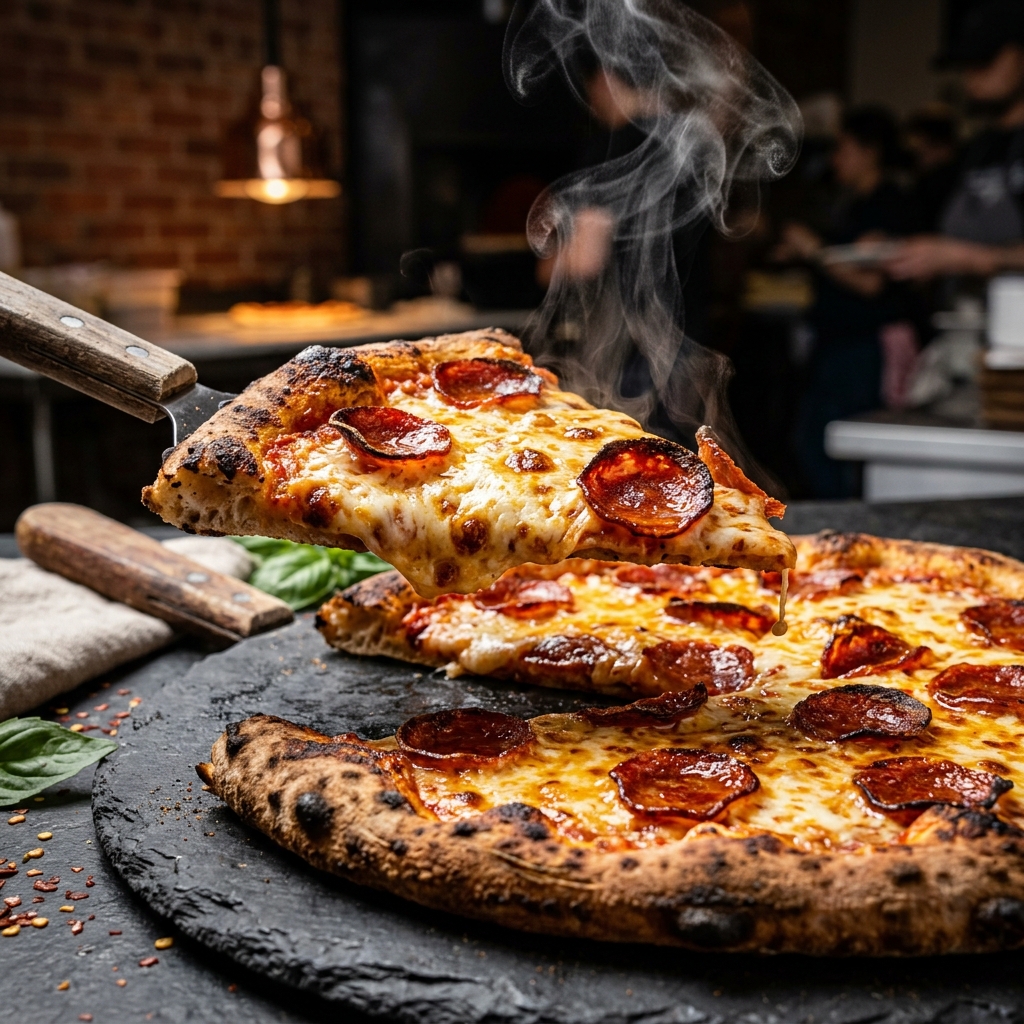
When you place pepperoni on a pizza and slide it into a commercial oven (which typically operates between 450°F and 800°F), the pepperoni rapidly exceeds the 165°F threshold. This effectively "pasteurizes" the meat on top of your pie. As long as the cheese is bubbling and the meat is sizzling (and slightly curling at the edges), any potential Listeria or other pathogens have been destroyed. This makes Pepperoni Pizza a safe pregnancy food.
The 2026 Reheating Guide: If you are eating leftover pizza cold for breakfast (a common first-trimester habit), you are re-introducing a small window of risk. In 2026, we recommend reheating your leftovers in an oven or air fryer until the pepperoni is once again sizzling to ensure total safety. Do not rely on a quick 20-second microwave zap, as this creates "cold spots" where bacteria can survive.
The Nitrate Debate: Fetal Development Risks
Beyond bacteria, we have to look at the chemical composition of pepperoni. Almost all commercial pepperoni uses Sodium Nitrite as a preservative. Nitrites are what give pepperoni its vibrant red color and prevent the growth of Clostridium botulinum (botulism).
In 2026, clinical research into prenatal nitrate exposure has evolved. While occasional consumption is not linked to birth defects, high-frequency intake of nitrites has been associated with an increased risk of pediatric brain tumors and Type 1 diabetes later in life. Furthermore, nitrites can interfere with the blood's ability to carry oxygen (methemoglobinemia), which is a heightened concern when your blood volume is already working overtime to support a fetus.
The Solution: Look for "Nitrate-Free" or "Uncured" pepperoni. These varieties use natural preservatives like celery juice or sea salt. While they still carry the same Listeria risks if eaten cold, they eliminate the chemical concerns of synthetic nitrites. Brands like Applegate and Boar's Head offer excellent uncured versions that are widely available.
Sodium and Pregnancy Swelling (Edema)
One ounce of pepperoni contains roughly 500mg of sodium. To put that in perspective, the daily recommended limit for pregnant women is 2,300mg. Just a few slices of pepperoni pizza can easily push you past 50% of your daily allowance. When sodium levels in your blood rise too quickly, your body compensates by pulling water into the surrounding tissues to dilute the salt.
During the second and third trimesters, your body naturally retains more fluid. High sodium intake causes your cells to hold onto even more water, leading to painful Edema (swelling) in your ankles, feet, and hands. This isn't just a cosmetic issue; severe swelling can increase blood pressure and lead to discomfort when walking. If you already struggle with pregnancy-induced hypertension or swelling, pepperoni should be treated as a high-sodium "treat" rather than a dietary staple.
Heartburn and Indigestion Science
As your pregnancy progresses, the hormone progesterone relaxes the esophageal sphincter, making you highly susceptible to acid reflux. Pepperoni is a "triple threat" for heartburn: it is high in fat, heavily spiced, and acidic.
- Fat: Slows down stomach emptying, leaving acid in the stomach for longer.
- Spices: Directly irritate the lining of the esophagus.
- Acidity: Adds more fuel to the burning fire of reflux.
If you find yourself reaching for the Tums every time you eat pizza, consider swapping the pepperoni for a lower-fat, non-spicy topping like grilled chicken or mushrooms. If you must have pepperoni, try eating it for lunch rather than dinner to give your body time to digest before you lie down to sleep.
The charcuterie board trap: Party Safety
One of the hardest social environments for a pregnant woman is a party where a charcuterie board is served. Pepperoni, salami, and prosciutto are often the centerpieces. In 2026, we recommend a total avoidance of shared charcuterie boards. Not only is the meat "cold" and therefore high-risk, but these boards are often left out at room temperature for hours - creating the perfect breeding ground for Staphylococcus aureus and E. coli.
If you are hosting, you can create a "Pregnancy-Safe Charcuterie" by using cooked meats like grilled chicken strips, hard pasteurized cheeses, and plenty of fresh fruit and nuts. If you are a guest, stick to the cooked appetizers and ignore the deli meats entirely unless you can see them being taken directly from a hot oven.
Ordering at Major Chains: Domino's, Pizza Hut & Papa John's
Can you trust the "Heat Kill" at major pizza chains? Generally, yes. In 2026, these chains use conveyor belt ovens that are calibrated for consistency. The internal temperature of a pizza exiting a Domino's oven is typically well over 200°F, far exceeding the listeria-kill requirement. The primary risk at these chains is post-cooking contamination. If the person cutting your pizza uses the same cutter on a "cold-topping" pizza (like one with raw arugula or cold chicken added after the bake) and then uses it on yours, there is a minute risk. However, for most healthy pregnancies, a freshly cooked pepperoni pizza from a major chain is considered very safe.
Summary Safety Checklist for Pepperoni
- Steaming Hot Only: Only eat pepperoni that has been cooked to 165°F. Sizzling is the keyword.
- Avoid Cold Deli Slices: Skip the charcuterie board and pre-sliced cold deli packs.
- Prefer "Uncured": Opt for nitrate-free versions where possible to support fetal brain health.
- Mind the Portions: Limit intake to 1-2 times per week to manage sodium and nitrates.
- Hydrate: If you do eat pepperoni, drink an extra glass of water to help your kidneys flush the excess sodium.
- Watch the Reflux: Avoid eating pepperoni late at night if you suffer from heartburn.
Safe Alternatives for the Spicy Craving
If you absolutely crave that spicy, salty hit but want to bypass the cured meat risks, try these 2026 pregnancy-safe alternatives:
- Spiced Ground Turkey: Sautéed with paprika, fennel, and cayenne. Provides the flavor profile of pepperoni with zero listeria risk and better protein density.
- Turkey Pepperoni: Typically lower in fat and sodium than pork/beef versions, but the same heating rules (steaming hot) still apply.
- Safe Chorizo: If cooked thoroughly untilcrumbly and hot, chorizo offers a similar spice profile with less of the "cured meat" chemical load.
- Vegetarian Pepperoni: In 2026, plant-based pepperoni (made from pea or soy protein) has reached flavor parity with the real thing. Because it contains no animal fat, it is much lower-risk for listeria and easier on the digestive system. Brand like Yves and Field Roast are excellent choices.
Clinical References
Our 2026 pepperoni safety audit is based on:
- FDA Food Safety for Moms-to-Be (2025 Revised): Reheating requirements for deli meats and cold cuts.
- ACOG Nutrition Guidelines (2026): Sodium and nitrate impacts on gestational health and edema management.
- Journal of Pediatric Health: Meta-analysis on nitrate consumption during pregnancy and childhood outcomes.
- Mayo Clinic: Managing pregnancy heartburn and digestive distress through dietary modification.
Is Your Pizza Topping Safe?
From pepperoni to soft cheeses, the pizza menu is full of "maybe" foods. Take the guesswork out of Friday night. Download the PregnancyPlate App. Our instant "Menu Auditor" scans any restaurant menu and highlights exactly what is 100% safe, what needs reheating, and what you should skip for your baby’s safety. Join 50,000+ moms eating with total confidence.
Meet the Editorial Team
The researchers and experts behind PregnancyPlate.

Fiza Izra
Founder & Tech Researcher
A UK-based mother of 3 with a background in tech and data synthesis, Fiza brings real-world experience navigating hyperemesis gravidarum and postnatal depression. She engineers complex clinical guidelines (NHS, ACOG) into accessible tools, ensuring rigorous fact-checking with deep empathy.

Emma Davies
Senior Nutrition Editor
A mum and writer, Emma runs our food safety desk. She is the one who rings the restaurant to ask how long the lettuce sits out, checks every claim against CDC, FDA and NHS guidance, and rewrites the answer until it is usable at 9pm in a drive-thru queue.
Make sense of every plate.
Scan your plate for pregnancy food-safety guidance and a nutrition breakdown. Keep your meals and nutrient progress in one place.
Scan with your iPhoneto get the app