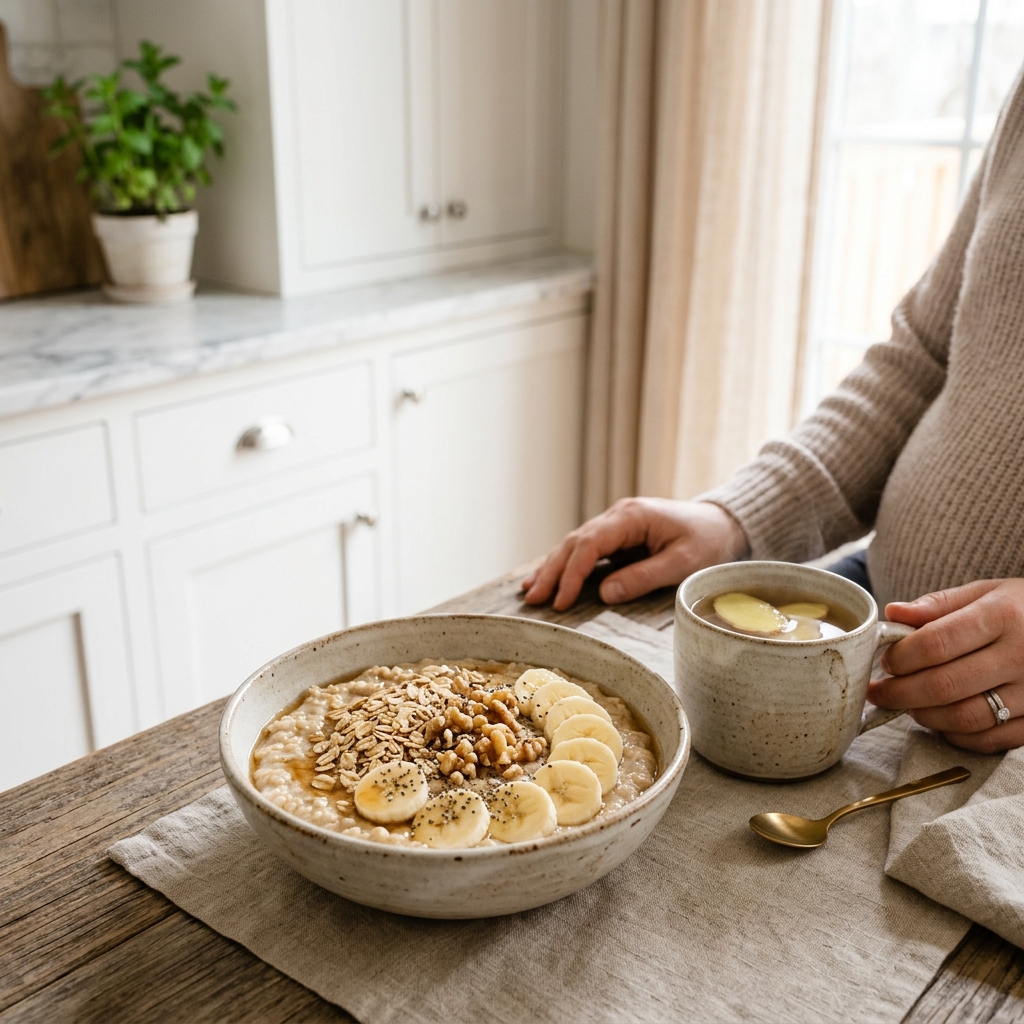
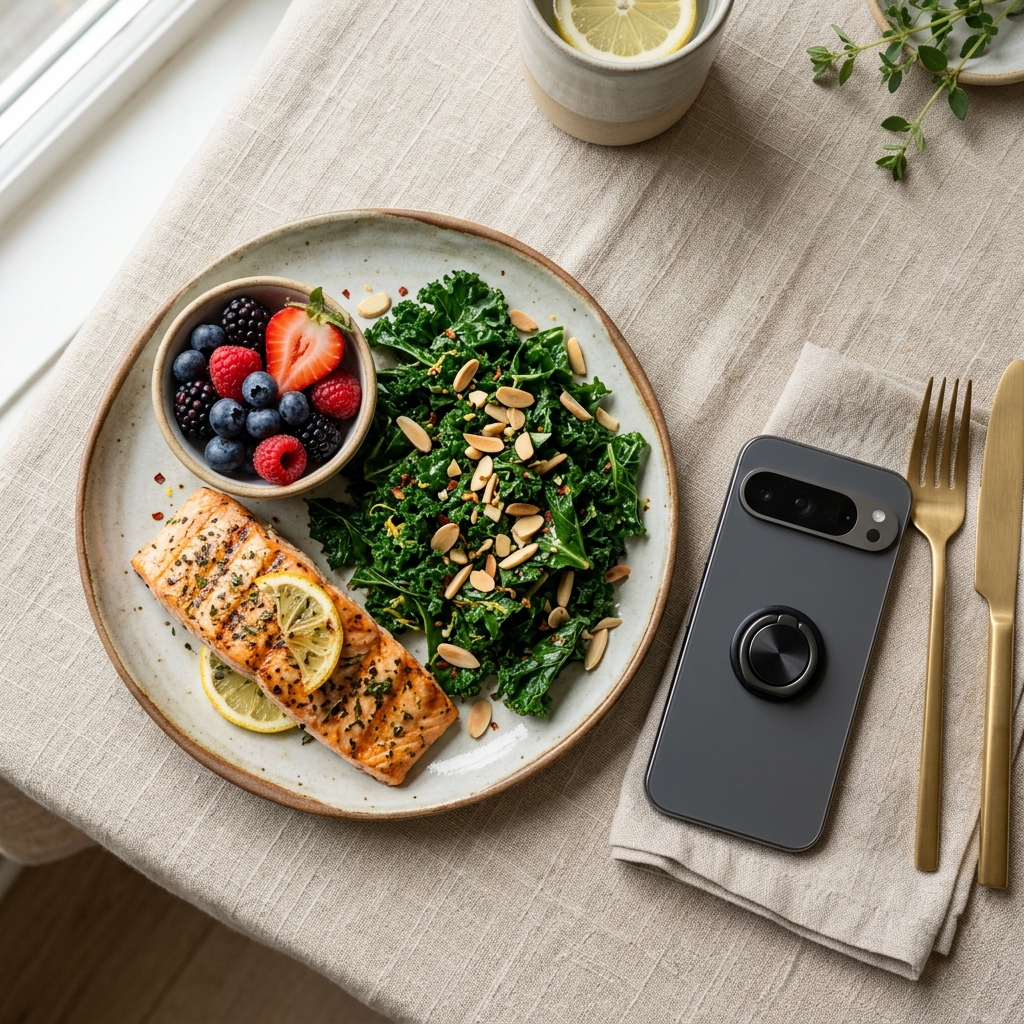
What to Eat in the Third Trimester: Foods to Prepare Your Body for Labor & Delivery
Labor is a biological marathon. Discover the clinical 'Labor Prehab' diet, including the 6-dates-a-day protocol, uterine-toning teas, and the minerals you need for a faster recovery.
In this article

Editorial note: This article is researched from official public health and pregnancy food safety guidance, then edited by the PregnancyPlate team for clarity. It is not medical advice. If you are worried about symptoms or a specific exposure, contact your midwife, GP or healthcare provider.
The "Labor Prehab" Blueprint: You aren't just finishing a pregnancy; you are training for a biological marathon. The third trimester is your opportunity to "pre-load" the minerals, fatty acids, and energy reserves that will dictate your endurance during labor and the speed of your postpartum recovery. In 2026, we focus on Cervical Ripening Foods and Oxytocin-Supporting Nutrition.
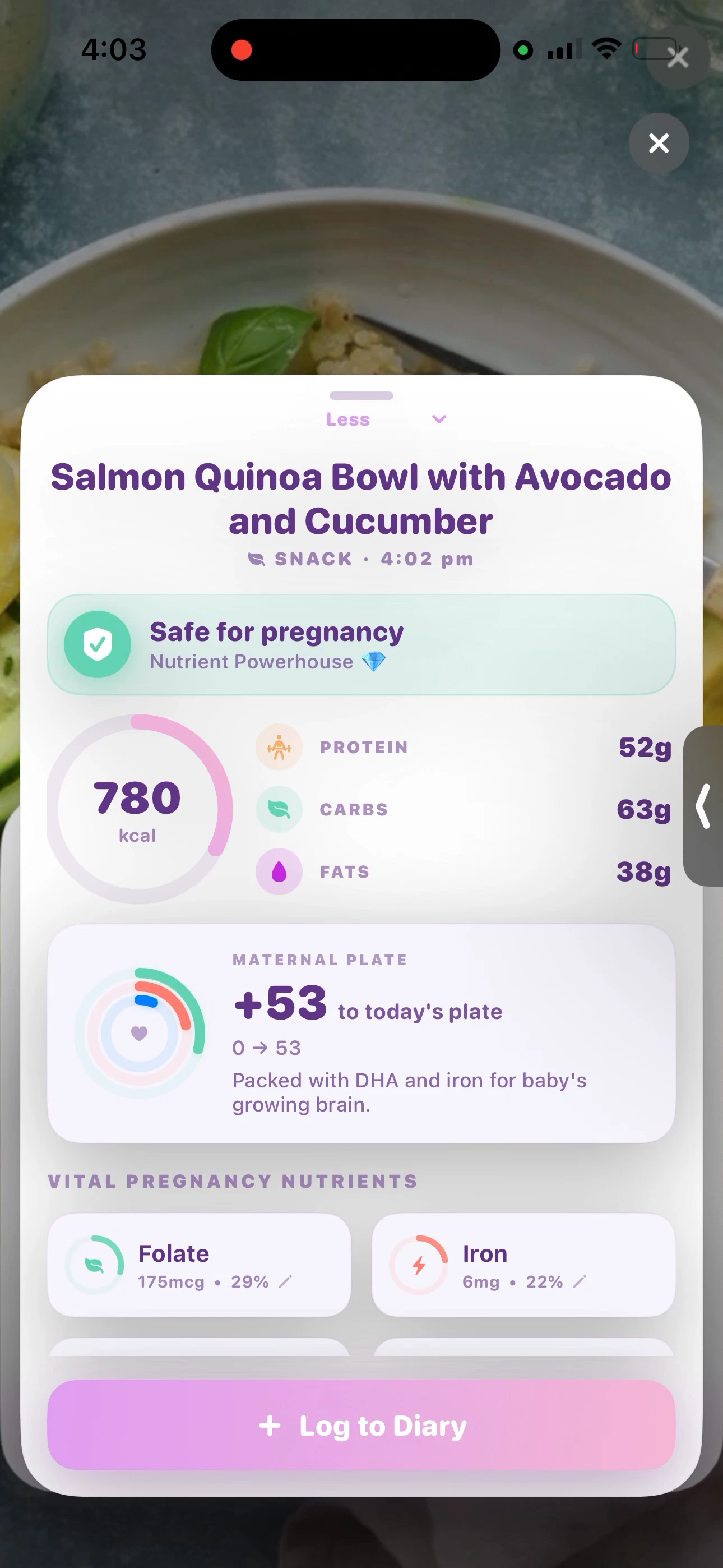
Track Your Labor Prep Macros on PregnancyPlateYour next meal, a little less guesswork.
Scan your plate for pregnancy food-safety guidance and a nutrition breakdown. Keep your meals and nutrient progress in one place.
 Scan with your iPhone
to get the app
The third trimester is a period of intense physiological anticipation and physical challenge. As you approach the "Finish Line," your body is undergoing a massive shift in hormonal priority. While the second trimester was about anabolic growth, the final 12 weeks are about metabolic preparation. Your baby is now putting on significant body fat for temperature regulation, and their brain development is entering its most rapid synaptic pruning phase. Simultaneously, your own body is beginning the subtle, complex process of thinning the cervix and loosening the pelvic ligaments in preparation for the mechanical descent of birth.
Nutrition during these final weeks needs to be surgical. You need high energy density to combat the systemic fatigue of carrying extra internal weight, but you also need specific compounds that have been clinically shown to support a smoother, faster labor experience. In this authoritative guide, we audit the "Labor Prep" foods that actually work according to the latest 2026 data, the role of Red Raspberry Leaf tea, the "6 Dates a Day" protocol, and how to manage the late-stage digestive slowdown that makes eating feel nearly impossible.
The "Cervical Ripening" Protocol: Dates & Pineapple
In 2026, we don't rely on old wives' tales; we look at the clinical evidence. Several double-blind studies have shown that consuming specific foods in the final 4 weeks of pregnancy can lead to significantly shorter labors and a reduced need for intervention. This isn't magic; it's biochemistry.
- The 6 Dates a Day Rule: Randomized controlled trials have shown that women who consume roughly 70g–75g of dates per day starting at week 36 are significantly more dilated upon arrival at the hospital and have a higher rate of spontaneous labor. Dates contain compounds that bind to oxytocin receptors, potentially priming the myometrium (uterine muscle) for efficient, coordinated contractions.
- Stuffed Dates for Glucose Stability: Don't just eat plain dates, which can cause a sugar spike. Stuff them with almond butter and a pinch of sea salt for a balanced, energy-dense snack that provides sustained glucose for hours.
- Fresh Pineapple & Bromelain: While pineapple won't "induce" labor instantly, the enzyme bromelain helps soften connective tissue. In the final weeks, it can contribute to cervical ripening, though it must be consumed fresh, as canning or pasteurization destroys the active enzymes.
Oxytocin Support: The Role of Magnesium
Oxytocin is the primary hormone of labor. It is the chemical that causes the uterus to contract and helps you bond with your baby immediately after birth. To ensure your body produces and utilizes it effectively, you need a high Magnesium baseline. Magnesium acts as a "Master Relaxant" - it prevents premature, erratic cramping while ensuring that when real contractions start, the uterine muscle has the cellular energy (ATP) to function properly.
- Dark Chocolate (70% +): A delicious, clinical source of magnesium and potent antioxidants. It also provides a gentle "serotonin lift" during the late-pregnancy emotional rollercoaster.
- Pumpkin Seeds & Magnesium-Rich Greens: Toss these into every salad. They are a "silent helper" for preventing the painful nocturnal leg cramps that plague the third trimester.
- The Vitamin K Factor: Dark leafy greens like spinach and kale are rich in Vitamin K, which is essential for blood clotting. Having high "K" levels during labor is a proactive defense against excessive postpartum hemorrhage.
Brain Architecture: The DHA Final Push
In the final trimester, your baby's brain weight literal triples. This growth is architecturally composed of fatty acids. If you aren't consuming enough low-mercury DHA, your body will take it from your own neural stores, which can lead to significant memory issues and emotional volatility.
- Sardines, Mackerel, and Salmon: These oily fish are the "gold standard" for third-trimester DHA. They are virtually mercury-free and packed with calcium for the baby's rapidly hardening skeleton. Aim for 3 servings per week in the final 30 days.
- Grass-Fed Eggs: Look for "DHA-Enhanced" eggs. The choline in the yolks works synergistically with the Omega-3s to build healthy synaptic connections and preserve your own cognitive function during the "third-trimester fog."
Managing the "Third Trimester Slowdown"
As your baby occupies nearly all the physical space in your abdomen, your stomach and intestines are physically compressed and displaced. This leads to two major clinical issues: instant fullness (early satiety) and severe acid reflux. The solution is Liquid Nutrition and Vertical Dining.
The Smoothie Strategy: When you can't stomach a full meal, a nutrient-dense smoothie is your clinical best friend. Blend greek yogurt (high protein/calcium) with flax seeds (DHA) and berries. It bypasses the need for heavy mechanical digestion while delivering a massive nutrient load to the placenta without causing the "overstuffed" feeling that leads to reflux.
Vertical Dining & Gravity: Standing up or taking a slow 10-minute walk after your final meal of the day is mandatory. This uses gravity to keep stomach acid where it belongs and helps move fiber through the compressed intestinal tract, reducing the risk of third-trimester constipation.
Red Raspberry Leaf Tea: The Uterine Toner
Often misunderstood, Red Raspberry Leaf tea is NOT an induction agent and will not cause "premature" labor. Instead, it is a uterine toner. It contains fragarine, an alkaloid that helps the muscles of the uterus work more effectively during contractions. Think of it as "weightlifting" for your uterus. Starting at 32 weeks with one cup a day, and increasing to three cups by 37 weeks, has been shown to lead to a more efficient second stage of labor (the pushing phase).
Hydration and Amniotic Fluid Mastery
In the third trimester, your water requirements reach their peak. You aren't just drinking for thirst; you are drinking to maintain the volume of your amniotic fluid, which is being recycled by the baby every few hours. Dehydration is the #1 cause of "false labor" (Braxton Hicks) and can lead to unnecessary hospital visits for monitoring.
The 100oz Rule: In 2026, we suggest a target of 100 ounces (3 liters) of water per day. If plain water causes you heartburn (a common issue!), try infusing it with cucumber or a splash of coconut water for electrolytes. Electrolytes are the "spark plugs" that allow your uterine muscles to communicate effectively during labor.
The Hospital Bag Food Audit: Eating *During* Labor
The old advice of "clear liquids only" during labor is being phased out in modern hospitals. Labor is an athletic event; you wouldn't run a marathon on a stomach full of only water. You need Quick-Fuel and Slow-Fuel in your bag:
- Quick-Fuel (The Sprints): Honey sticks, coconut water, or fresh fruit. These provide the immediate glucose your brain and uterus need during intense surges.
- Slow-Fuel (The Endurance): Small amounts of nut butter, Greek yogurt, or whole-grain crackers. These keep your energy from crashing during a long labor.
- Pro-Tip: Avoid high-fat or heavily spiced foods during labor, as your digestion slows to a halt, which can lead to nausea during the transition phase.
Summary: Your 3rd Trimester Prep Checklist
- 6 Dates Daily: Start at week 36 to help prime your oxytocin receptors.
- 3 Cups of Raspberry Leaf Tea: Tone the uterine muscles from week 32 onwards.
- DHA Loading: 3 servings of low-mercury fish per week to support the baby's brain.
- 100oz Hydration: Use electrolytes to prevent false labor and maintain amniotic levels.
- Iron Stacking: Build up your ferritin reserves now to prevent postpartum exhaustion.
The third trimester is not just the "waiting room" for birth - it is an active training period. By nourishing your body with the specific minerals, fatty acids, and ripening agents it needs, you are shortening your labor time and building the physical resilience you'll need for motherhood. Focus on the goals, monitor your daily nutrients, and trust the process.
Training for the Best Birth Possible?
Don't enter your birth environment with nutritional gaps. Use the PregnancyPlate App to monitor your daily "Labor Prep" dashboard. Our AI tracks your Choline, Iron, Magnesium, and DHA in real-time, ensuring you are 100% physically prepared for the marathon of birth and the transition into postpartum recovery. Join 50,000+ empowered mothers today.
Meet the Editorial Team
The researchers and experts behind PregnancyPlate.

Fiza Izra
Founder & Tech Researcher
A UK-based mother of 3 with a background in tech and data synthesis, Fiza brings real-world experience navigating hyperemesis gravidarum and postnatal depression. She engineers complex clinical guidelines (NHS, ACOG) into accessible tools, ensuring rigorous fact-checking with deep empathy.

Emma Davies
Senior Nutrition Editor
A mum and writer, Emma runs our food safety desk. She is the one who rings the restaurant to ask how long the lettuce sits out, checks every claim against CDC, FDA and NHS guidance, and rewrites the answer until it is usable at 9pm in a drive-thru queue.
Make sense of every plate.
Scan your plate for pregnancy food-safety guidance and a nutrition breakdown. Keep your meals and nutrient progress in one place.
Scan with your iPhoneto get the app