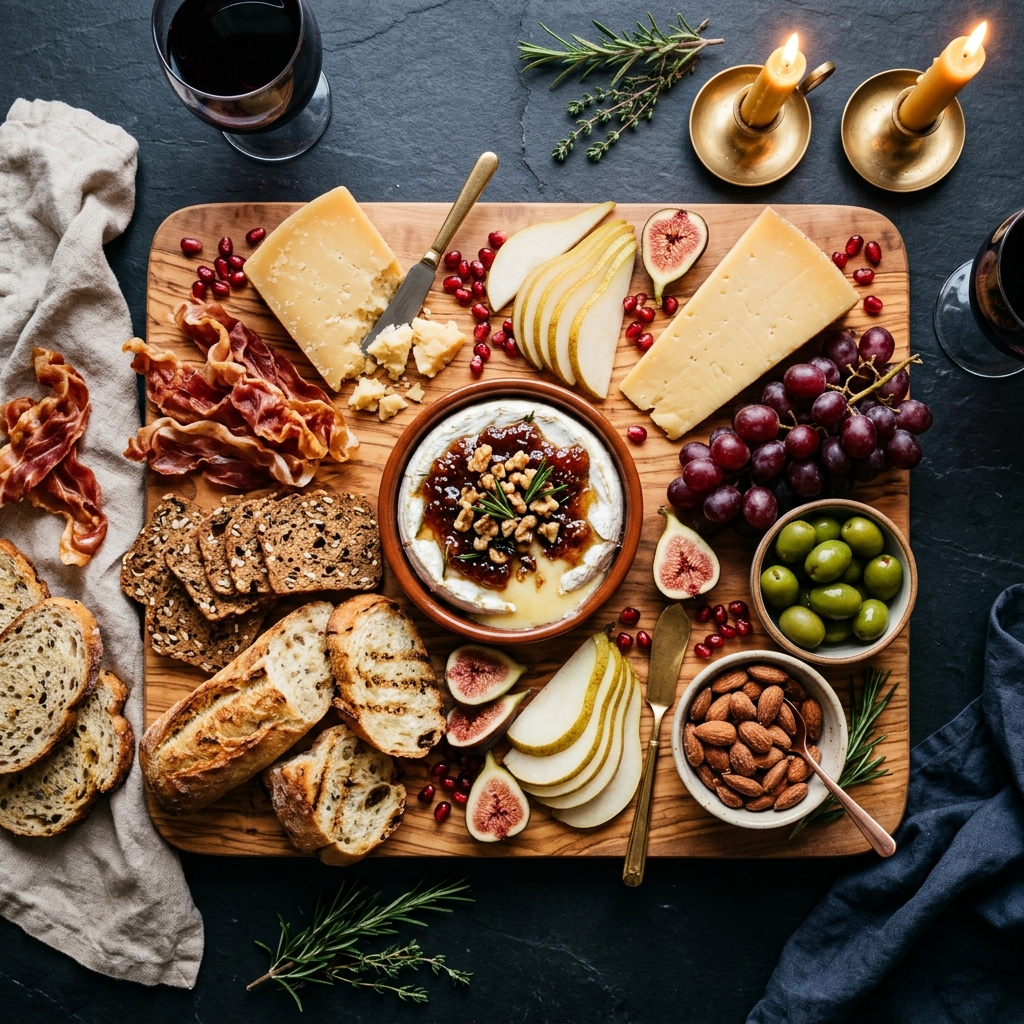
Is Apple Cider Safe During Pregnancy? Fresh, Mulled & Hard Cider
Most grocery store cider is pasteurized. How to spot untreated farm cider, what the FDA warning label means, how to boil it safely at home, and why hard cider and mulled wine are off the list.
In this article
Editorial note: This article is researched from official public health and pregnancy food safety guidance, then edited by the PregnancyPlate team for clarity. It is not medical advice. If you are worried about symptoms or a specific exposure, contact your midwife, GP or healthcare provider.
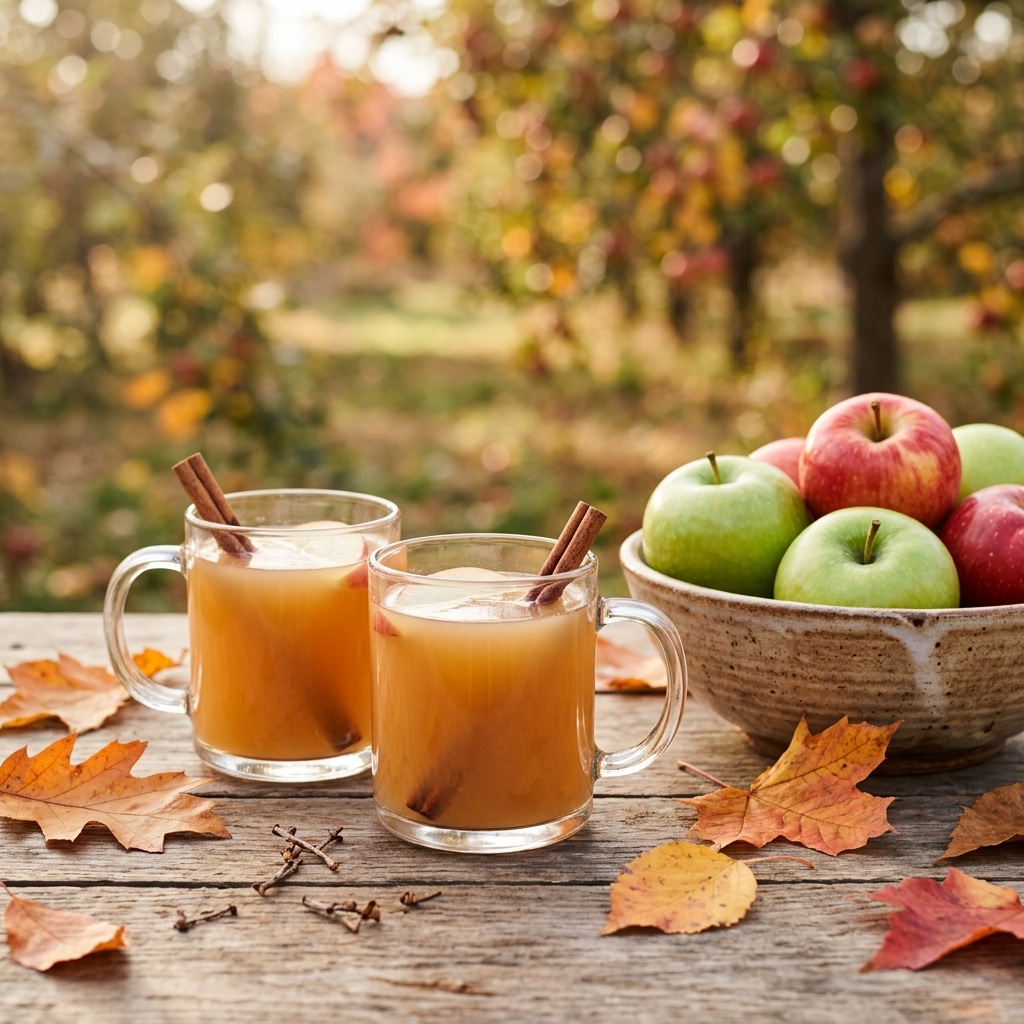
Before You Pour: Most apple cider sold in US grocery stores is pasteurized and fine during pregnancy. The cider to check is fresh-pressed cider from orchards, cider mills, farm stands and farmers markets, which may be untreated. Look for the FDA warning label, ask when it's sold by the cup, or bring it to a rolling boil for 1 minute at home. Hard cider and mulled wine contain alcohol, so skip those.
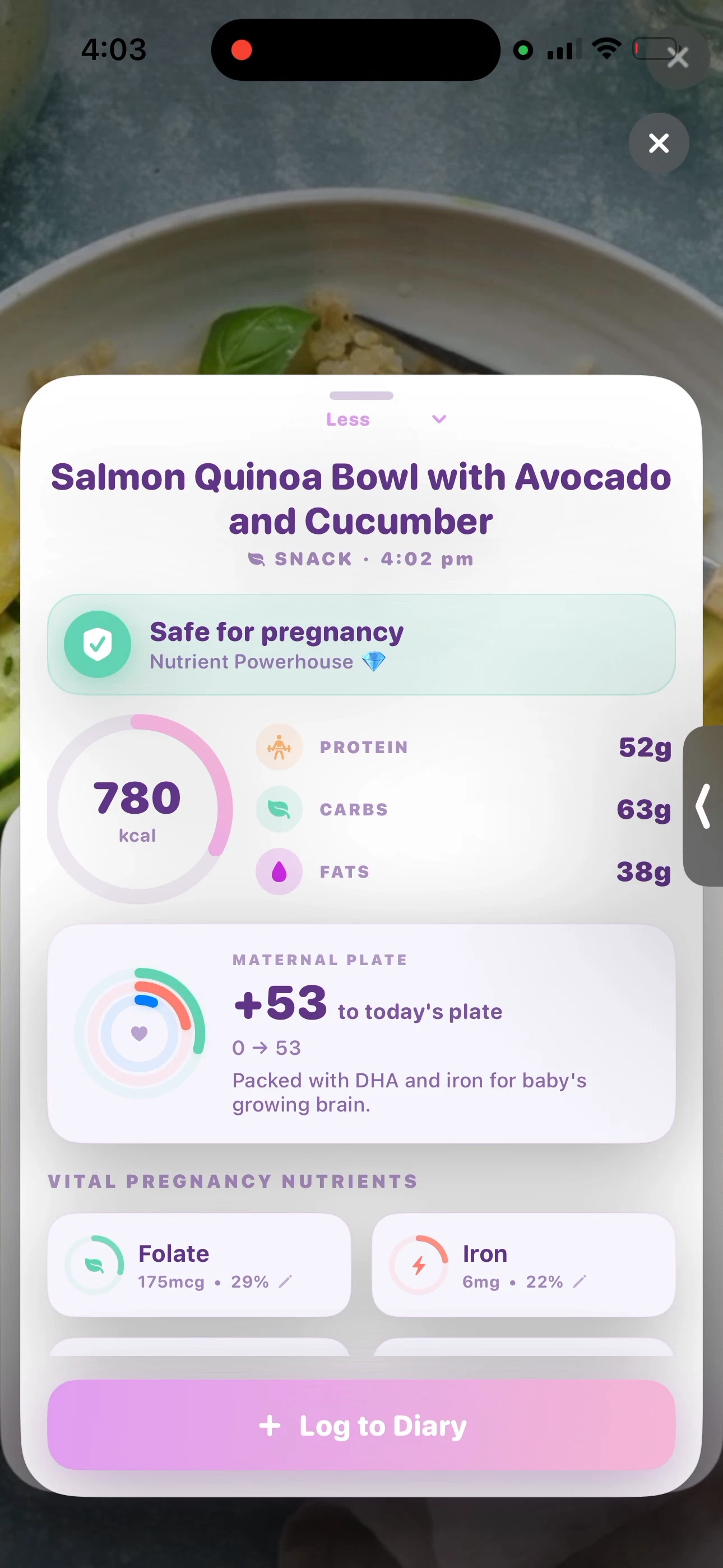
Check fall drinks in PregnancyPlateYour next meal, a little less guesswork.
Scan your plate for pregnancy food-safety guidance and a nutrition breakdown. Keep your meals and nutrient progress in one place.
 Scan with your iPhone
to get the app
In the US, "apple cider" usually means fresh-pressed apple juice that hasn't been filtered, which is why it's cloudy and tastes more like the fruit. It's not the alcoholic drink the word means in the UK or Australia. That version is called hard cider here.
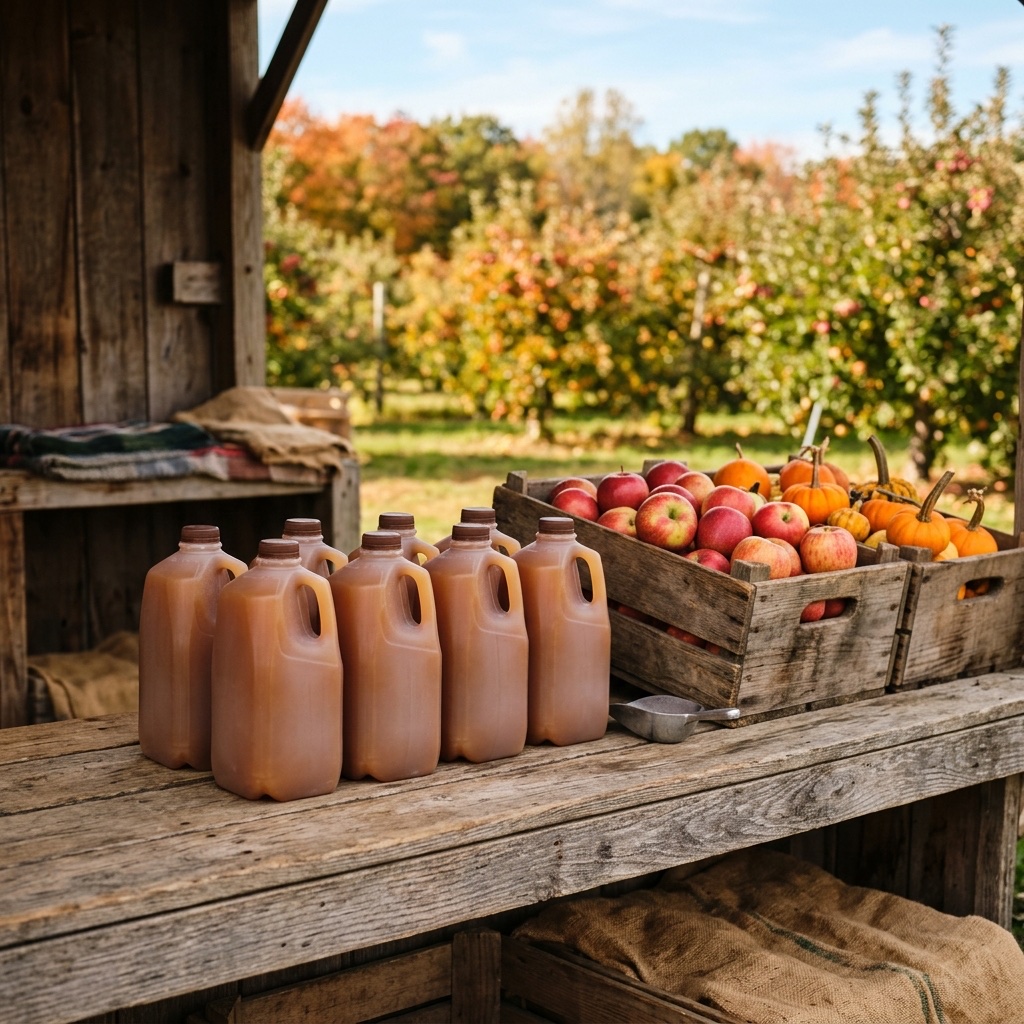
Most cider and juice on US shelves has been pasteurized or treated another way to kill bacteria. The exceptions are the ones that feel most like fall: the gallon jug from the orchard, the cup of hot cider at a pumpkin patch, and the bottles in the refrigerated case at a health food store. On its juice safety page, the FDA lists pregnant women alongside young children and older adults as the people most likely to get seriously ill from untreated juice and cider.
Why Untreated Cider Is a Concern
Cider is pressed from whole apples, and some of those apples have been picked up from the ground or have bruised skins. If bacteria on the fruit end up in the juice and nothing heats or treats it afterward, they're still there when you drink it. Outbreaks of E. coli O157:H7 and the parasite Cryptosporidium have both been traced back to unpasteurized cider in the US.
Pregnancy changes your immune system in ways that make some foodborne infections harder to fight off, so this is one of the few drinks where a quick label check is worth the five seconds.
Reading the Jug
There are four things you're likely to see, or not see, on a container of cider:
- "Pasteurized": heat-treated. Good to go.
- A boxed warning saying the product hasn't been pasteurized and may contain harmful bacteria: this is the FDA-required label for untreated packaged juice. Skip it, or boil it first.
- "Treated" or "UV-treated": some cider mills use ultraviolet light instead of heat to kill bacteria. Treated cider is fine and doesn't need the warning label.
- No label at all: the FDA doesn't require a warning on juice or cider sold by the glass, for example at orchards, farmers markets, roadside stands, juice bars and some restaurants. So a cup with no label tells you nothing. Ask.
Cider by Where You Buy It
| Where | Usually | What to do |
|---|---|---|
| Grocery store, shelf-stable bottles | Pasteurized | Fine as is. |
| Grocery store, refrigerated case | Mostly pasteurized | Check the label. The FDA says untreated juice is most likely to turn up here. |
| Orchard or cider mill, by the jug | Varies | Look for the warning label or "pasteurized," or ask the staff. |
| Pumpkin patch or farmers market, by the cup | Unknown | Ask whether it's pasteurized. Warm cider in a slow cooker hasn't necessarily been boiled. |
| Sparkling cider in a champagne-style bottle | Pasteurized | Fine, but confirm it's the non-alcoholic kind. |
| Hard cider, any source | Alcoholic | Skip. |
How to Make Farm Cider Safe at Home
If you've brought home a jug of untreated cider, you don't have to pour it out. US food safety guidance for pregnant women is to bring unpasteurized juice or cider to a rolling boil and keep it boiling for at least 1 minute.
- Pour the cider into a large pot. It foams up as it heats, so leave room at the top.
- Bring it to a full, rolling boil, the kind that keeps bubbling when you stir it, and let it boil for 1 minute.
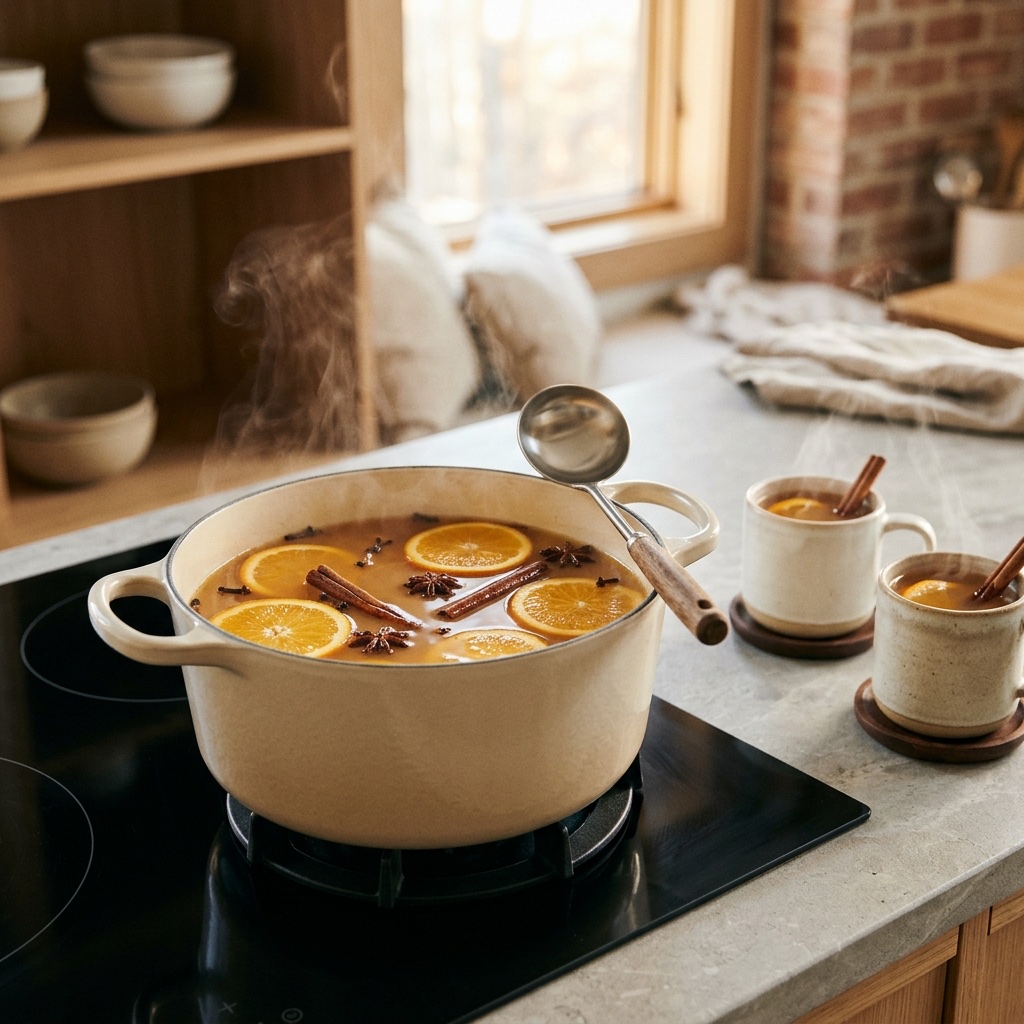
- Turn the heat down and add cinnamon sticks, a few cloves and a strip of orange peel if you want it mulled.
- Serve it warm, or let it cool and refrigerate it.
Boiling changes the fresh taste a little, which is why mulled cider is the best use for a jug of farm cider. A gentle simmer in a slow cooker is lovely, but it doesn't replace the boil, so do that step first on the stove.
Hard Cider, Mulled Wine and Spiked Cider
Hard cider is fermented and alcoholic, usually about as strong as beer, and some are stronger. The CDC says pregnancy has no known safe level of drinking, which puts it on the skip list along with wine and beer.
Mulled wine and spiked hot cider catch people out because they've been heated, and it's tempting to assume the alcohol cooked off. It doesn't, at least not fully. USDA data on alcohol in cooked food shows about 40% of the alcohol still there after 15 minutes of simmering, and about 25% after an hour. Ask for a mug from the pot before the wine or rum goes in, or make your own from plain cider.
Non-alcoholic hard cider is newer on shelves. Like non-alcoholic beer, it can legally contain up to 0.5% alcohol. Our holiday mocktails guide explains that label and has a warm spiced cider punch for a crowd.
A Note on Sugar
Cider is 100% fruit juice, but it's still a lot of sugar in liquid form: a cup has roughly the same 24 grams or so as apple juice, and around 110 to 120 calories. If you're watching your blood sugar for gestational diabetes, a smaller mug with food is easier on your numbers than a big one on its own. Half cider and half hot water with a cinnamon stick still tastes like fall.
Other Apple Cider Questions
What about apple cider vinegar?
That's a different product. Apple cider vinegar is fermented all the way to vinegar, and the spoonful in a salad dressing or a marinade is ordinary food use. Daily "shots" of vinegar haven't been studied in pregnancy and can make heartburn worse, so check with your provider before starting a habit like that.
Are apple cider donuts OK?
Yes. They're fried or baked, so any cider in the batter has been cooked. They're a treat rather than a snack, but there's nothing to worry about on the safety side.
I drank fresh cider at an orchard before I knew. What now?
Most untreated cider doesn't make anyone sick, so try not to panic. The FDA says foodborne illness usually starts within 1 to 3 days. Watch for diarrhea (especially if it's bloody), stomach cramps, vomiting or a fever, and call your provider if any of those show up. Our food poisoning guide covers when to call and what helps.
Cider is usually on the table at Thanksgiving, too. Our Thanksgiving food safety guide covers the stuffing, the leftovers and the rest of the meal, and our eggnog guide has the other holiday drink people ask about.
Meet the Editorial Team
The researchers and experts behind PregnancyPlate.

Fiza Izra
Founder & Tech Researcher
A UK-based mother of 3 with a background in tech and data synthesis, Fiza brings real-world experience navigating hyperemesis gravidarum and postnatal depression. She engineers complex clinical guidelines (NHS, ACOG) into accessible tools, ensuring rigorous fact-checking with deep empathy.

Emma Davies
Senior Nutrition Editor
A mum and writer, Emma runs our food safety desk. She is the one who rings the restaurant to ask how long the lettuce sits out, checks every claim against CDC, FDA and NHS guidance, and rewrites the answer until it is usable at 9pm in a drive-thru queue.
Make sense of every plate.
Scan your plate for pregnancy food-safety guidance and a nutrition breakdown. Keep your meals and nutrient progress in one place.
Scan with your iPhoneto get the app