High-Protein Vegetarian Foods for Pregnancy: How to Meet Your Macros Without Meat
Struggling with meat aversions or a plant-based diet? We audit the most nutrient-dense vegetarian proteins, the science of 'Protein Complementation', and how to hit your 100g daily goal.
In this article
Editorial note: This article is researched from official public health and pregnancy food safety guidance, then edited by the PregnancyPlate team for clarity. It is not medical advice. If you are worried about symptoms or a specific exposure, contact your midwife, GP or healthcare provider.
The Protein Gap: During pregnancy, your protein requirement increases dramatically - from a pre-pregnancy baseline of roughly 46g to a metabolic demand of 71g–100g per day. For vegetarians, meeting this target requires "Nutrient Densification" - every single bite must count. You don't just need more food; you need food that is architecturally superior for fetal growth.
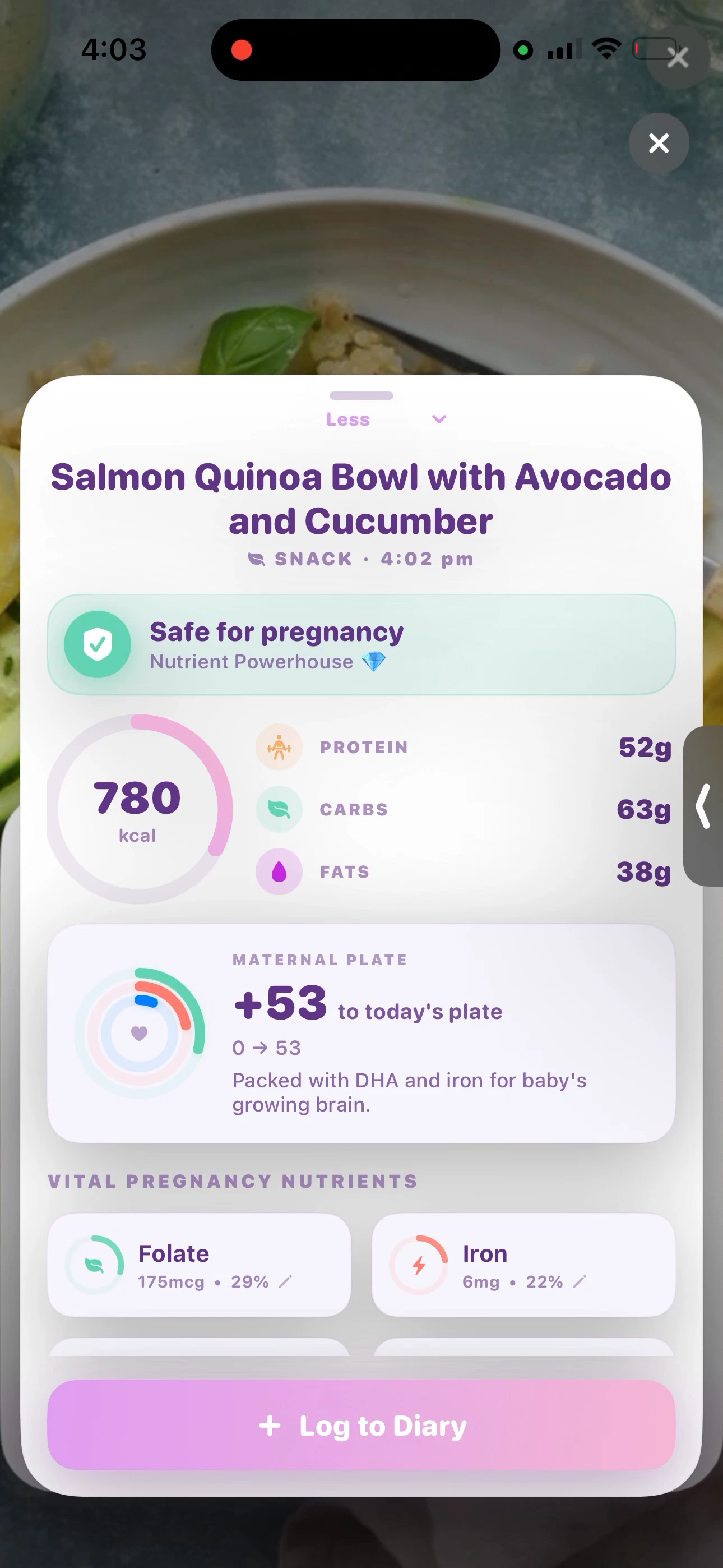
Track Your Plant Protein Macros on PregnancyPlateYour next meal, a little less guesswork.
Scan your plate for pregnancy food-safety guidance and a nutrition breakdown. Keep your meals and nutrient progress in one place.
 Scan with your iPhone
to get the app
Whether you have been a lifelong vegetarian or you have recently developed a violent meat aversion (a common physiological reaction to high-progesterone levels) in your first trimester, the challenge of hitting your protein macros can feel insurmountable. The common, outdated advice - "just eat more beans and nuts" - is clinically incomplete in 2026. While beans are excellent fiber sources, they are not a complete protein on their own and rely on sophisticated biological pairings to provide the baseline amino acids your baby needs to construct organ tissue, heart valves, and high-functioning brain cells.
In the expansive and metabolic-heavy phases of the second and third trimesters, protein is the "scaffolding" of your pregnancy. It supports the exponential expansion of your uterus, the thickening of the placental wall, and the tripling of your baby's physical weight. In this authoritative guide, we audit the highest-density vegetarian protein sources available today, the science of Protein Complementation, and how to successfully manage the common bloating that plagues a high-fiber plant-based pregnancy.
The "Big Three" Vegetarian Powerhouses
Not all vegetarian proteins are created equal. In 2026, we focus on Biological Value (BV) - a measure of how efficiently your body can actually integrate the protein you consume into maternal and fetal tissues. A high BV is critical when you have limited stomach space due to third-trimester displacement.
- 1. Eggs (The Gold Standard): Eggs have a biological value of 100, the absolute highest of any food ever measured. They contain every single essential amino acid (EAA) in the exact proportions your baby needs for growth. Crucially, they are the primary dietary source of Choline, which is vital for preventing neural tube defects and longitudinal cognitive delays.
- 2. Greek Yogurt (The Concentration Hack): Unlike regular yogurt, Greek yogurt is triple-strained, which effectively doubles its protein concentration. A single cup provides between 20g and 25g of protein - nearly a third of your daily requirement.
- 3. Lentils (The Iron Sponge): Lentils provide approximately 18g of protein per cooked cup. They are also packed with Folate and non-heme Iron. To ensure your body actually absorbs the iron, you must pair them with a Vitamin C source like bell pepper or lemon juice.
Protein Complementation: The Science of Completeness
Most plant proteins (with the notable exceptions of soy, quinoa, and hemp) are considered "incomplete." This means they lack one or more of the nine essential amino acids. In 2026, we utilize Protein Complementation - the intentional pairing of specific plant foods to create a "complete" amino acid profile that matches the strength of animal protein.
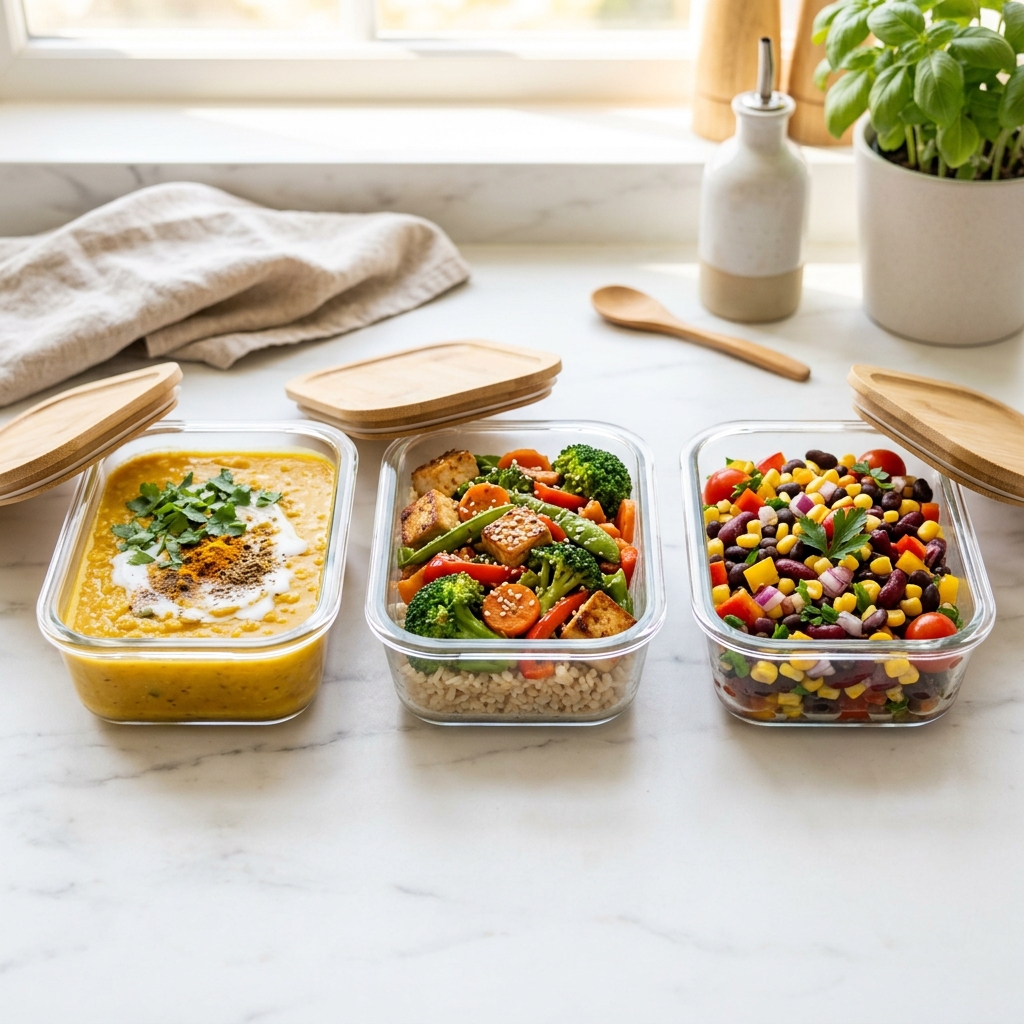
- Grains + Legumes: The classic, data-backed pairing. Brown rice and black beans, or sprouted whole-wheat bread paired with red lentil soup. Together, they provide the Leucine and Lysine your baby’s muscles and immune system require.
- Nuts/Seeds + Legumes: Hummus (chickpeas) topped with tahini (sesame seeds) is an elite complete protein snack.
Soy and Pregnancy Safety: The 2026 Phytoestrogen Audit
One of the most persistent myths in pregnancy nutrition is that soy is dangerous due to its phytoestrogen content. Clinical meta-analyses in 2026 have decisively debunked this for expectant mothers. In fact, organic, non-GMO soy is one of the few complete plant proteins in existence.
Edamame, Tofu, and Tempeh: These are high-density protein sources that actually support fetal health. Tempeh is particularly valuable because its fermentation process breaks down the anti-nutrients (phytates) found in soy, making the iron and zinc much easier for your baby to access. Aim for 2-3 servings of organic soy weekly to meet your lysine targets without meat.
Managing the "Iron Absorption" Obstacle Course
As a vegetarian, you are getting "Non-Heme" iron, which is significantly harder for the human body to absorb than the "Heme" iron found in beef. Many plant foods also contain Phytates, Oxalates, and Tannins - compounds that physically bind to iron and carry it out of your body before it can enter the placenta.
The Pro Strategy: Never drink coffee or tea within one hour of your main protein meal. Always soak your beans and grains overnight. Most importantly, always "bridge" your meal with a Vitamin C source like a squeeze of lime or a side of strawberries. A single slice of red bell pepper can more than double the iron absorption from a bowl of lentils.
The Zinc and B12 Challenge
If you have recently transitioned to a vegetarian diet due to a meat aversion, you are at risk of a B12 and Zinc deficit within just a few weeks. B12 is mandatory for the formation of your baby's spinal cord and brain. Deficiency can lead to irreparable neurological damage.
Clinical Verdict: If you are avoiding all meat, you must prioritize high-quality eggs and dairy, or utilize a heavy fortification strategy (nutritional yeast). Your pregnancy nutrition app is your best defense here - log your meals for two days to see if your B12 and zinc levels are dipping into the "red zone." If they are, speak to your OBGYN about a methylcobalamin supplement immediately.
Meeting your 100g protein requirement as a vegetarian isn't about simply eating a higher volume of food - it’s about Surgical Nutrition. By focusing on high-BV sources like eggs and Greek yogurt, utilizing complementation, and overcoming the iron absorption obstacle course, you can provide your baby with every amino acid they need without the inflammation or aversions of meat.
Are You Hitting Your 100g Target?
Don't leave your baby's brain and tissue development to chance. Use the PregnancyPlate App to monitor your exact amino acid intake. Our AI dashboard automatically calculates "Protein Complementation" in real-time, showing you your cumulative Folate, iron, and B12 numbers as you log. Join 50,000+ empowered plant-based mothers today.
Meet the Editorial Team
The researchers and experts behind PregnancyPlate.

Fiza Izra
Founder & Tech Researcher
A UK-based mother of 3 with a background in tech and data synthesis, Fiza brings real-world experience navigating hyperemesis gravidarum and postnatal depression. She engineers complex clinical guidelines (NHS, ACOG) into accessible tools, ensuring rigorous fact-checking with deep empathy.

Emma Davies
Senior Nutrition Editor
A mum and writer, Emma runs our food safety desk. She is the one who rings the restaurant to ask how long the lettuce sits out, checks every claim against CDC, FDA and NHS guidance, and rewrites the answer until it is usable at 9pm in a drive-thru queue.
Make sense of every plate.
Scan your plate for pregnancy food-safety guidance and a nutrition breakdown. Keep your meals and nutrient progress in one place.
Scan with your iPhoneto get the app