Is Feta Cheese Safe During Pregnancy? The Complete Guide
Craving Greek salad but terrified of the cheese? We break down the exact pasteurization rules for feta cheese, how to safely navigate restaurants, and the risk of Listeria.
In this article
Editorial note: This article is researched from official public health and pregnancy food safety guidance, then edited by the PregnancyPlate team for clarity. It is not medical advice. If you are worried about symptoms or a specific exposure, contact your midwife, GP or healthcare provider.
The Great Soft Cheese Panic: Decoding Feta Safety
If there is one absolute universal experience among newly pregnant women, it is the terrifying moment you stare down at a restaurant menu and realize you have absolutely no idea if the cheese on your salad is going to harm your baby. The warnings surrounding soft cheese and pregnancy are loud, relentless, and often highly conflicting. Friends tell you it is completely fine; the internet tells you it is a lethal threat. The truth, as always with pregnancy nutrition, lies strictly in the medical details.
Among the most widely debated cheeses in the entire pregnancy community is Feta. This delightfully tangy, uniquely crumbly Greek staple is a massive cultural favorite worldwide. It is heavily featured in beautiful Mediterranean diets, huge vibrant summer salads, warm savory wraps, and incredibly popular baked pasta dishes. However, because Feta is technically classified by food safety authorities as a "soft cheese" (largely due to its heavy moisture content and specific curing process), it immediately triggers massive, anxiety-inducing alarm bells for newly expectant mothers who are desperately trying to follow the rules.
So, is Feta genuinely safe? Are you honestly putting your developing baby at extreme, unnecessary risk by simply eating a refreshing Greek salad on your lunch break? Let us completely shatter the myths, dive deep into the specific biology of foodborne pathogens, and explain the precise, highly regulated medical science behind Feta cheese safety.
The Root of the Soft Cheese Fear: Listeria Monocytogenes
To fundamentally understand the extreme fear and aggressive warnings surrounding Feta cheese, you must first intimately understand the primary adversary: Listeria. Listeria monocytogenes is a highly resilient, incredibly stubborn form of bacteria that is naturally found in soil, water, and some animals. However, unlike the vast majority of foodborne pathogens (like Salmonella or E. coli) that rapidly perish in cold environments, Listeria is a biological outlier. It can absolutely survive and brutally, aggressively multiply inside the cold, dark environment of your standard kitchen refrigerator.
Why is Listeria so uniquely terrifying during pregnancy? Because while a normal, healthy adult might simply experience mild, passing food poisoning symptoms, Listeria explicitly possesses the terrifying biological ability to cross the highly guarded placental barrier. It acts as an invasive intracellular pathogen. If a pregnant woman contracts Listeriosis, it can lead directly to catastrophic second-trimester miscarriage, severe premature labor, or tragic stillbirth. Furthermore, due to your body naturally, intentionally suppressing your immune system so it does not mistakenly attack the growing fetus, you are roughly 10 to 20 times more susceptible to contracting a Listeria infection while pregnant than the general population.
Why Are Soft Cheeses Specifically Targeted?
Listeria is incredibly opportunistic, but it desperately needs a highly moist, relatively low-acid environment to vigorously reproduce. Hard cheeses - like heavily aged sharp Cheddar, hard Parmesan, or aged Gouda - are incredibly dry and highly acidic. Their internal environment strictly prevents bacterial growth. Soft, spreadable, or crumbly cheeses like Brie, Camembert, Blue cheese, and specifically unpasteurized Feta, are intensely wet environments. If Listeria accidentally enters a block of raw-milk soft cheese during the manufacturing or packaging process, that wet cheese becomes a literal petri dish where the bacteria will exponentially replicate, even while sitting in your fridge.
This is why understanding exactly how your specific block of Feta was created is the single most important factor in deciding whether or not to eat it. For related reading on navigating confusing food safety rules at popular chains, check out our highly requested guide: Is Subway Safe During Pregnancy? The Complete Deli Meat Guide.
The Pasteurization Guarantee: Your Absolute Saving Grace
Despite the terrifying, clinical warnings listed above, there is absolutely brilliant, scientifically verified news that should instantly calm your anxiety: Feta cheese is completely, 100% safe to eat during your pregnancy if it is genuinely made from strictly pasteurized milk.
Pasteurization is not some modern chemical additive; it is the highly regulated, foundational industrial thermal process of aggressively heating raw milk to a specific extreme temperature (typically 161°F / 72°C) for a strictly set duration (usually 15 seconds) to violently and absolutely obliterate dangerous bacteria, including Listeria, Salmonella, Campylobacter, and E. coli. If the Feta block is made from fully pasteurized cow's, sheep's, or goat's milk, the critical Listeria threat is fundamentally neutralized and completely destroyed before the cheese is even curated into a block.
Supermarket Feta Safety in Developed Nations
If you live in the United Kingdom, the United States, Australia, Canada, or New Zealand, the overarching food safety regulations are incredibly strict and heavily enforced. Practically every single block of mass-produced, commercial Feta cheese sitting brightly on a major supermarket shelf is heavily legally required to be Pasteurized. For example, in the US, the FDA heavily mandates that all domestically produced and imported mass commercial Feta must utilize pasteurized milk, or it legally cannot be sold in massive retailers.
Massive, trusted commercial brands like Athenos, President, Dodoni, and practically all standard "supermarket own-brands" (like Tesco, Asda, Walmart, or Target) exclusively use strictly pasteurized milk for their Feta products. This means that grabbing a plastic tub of crumbled Feta from your local major grocery chain for your Friday night dinner is an overwhelmingly safe, risk-free choice.
🛒 The Golden Label Rule
Always violently read the ingredient list before purchasing or consuming. Never simply assume based on the packaging design. You are looking specifically, exclusively for the exact phrase: "Pasteurized Milk", "Pasteurized Sheep's Milk", or "Pasteurized Goat's Milk". If the ingredient label deceptively merely says "Milk", "Raw Milk", or "Unpasteurized Milk" without the explicit word "pasteurized", you must completely heavily avoid it until after delivery.
The Restaurant Trap: Where The True Danger Lies
While enthusiastically eating verified supermarket Feta at home is delightfully simple and remarkably safe, happily ordering Feta at a restaurant requires ruthless boundary setting and significant investigation. You absolutely cannot passively assume that a busy restaurant uses pasteurized cheese safely.
The Horrors of Cross-Contamination
Even if a specific restaurant diligently purchases pasteurized Feta, they frequently purchase it in massive, bulk commercial plastic tubs, where massive blocks sit heavily bathing in a communal wet brine. In a fast-paced, incredibly chaotic restaurant kitchen, pressured cooks frequently, repeatedly reach into this communal Feta tub with dirty, unwashed hands, or they aggressively utilize heavily contaminated tongs that literally just previously touched raw chicken, unwashed lettuce, or dirty countertops.
Because Feta is so wet, if Listeria from a dirty kitchen counter is accidentally introduced into that massive, wet communal tub, it will rapidly and aggressively multiply throughout the entire batch of brine, instantaneously rendering the otherwise perfectly pasteurized cheese incredibly dangerous to a pregnant woman. This is notoriously common at "build-your-own" salad bars, buffet stations, and fast-casual dining spots where ingredients sit out in the open air for hours on end.
The Authentic Greek Restaurant Dilemma
Authentic, high-end Mediterranean and Greek restaurants frequently take intense culinary pride in specifically importing artisanal, highly traditional Feta cheese directly from small, independent farms scattered across Greece. By very strict European culinary tradition, incredibly high-quality, authentic regional Feta is often aggressively and intentionally made from unpasteurized (raw) sheep's milk to violently protect its traditional, robust, sharp flavor profile. Because it is artisanal and traditional, it bypasses some mass commercial pasteurization requirements. This makes eating raw Feta at a high-end authentic Greek restaurant an absolute, indisputable no-go zone for pregnant women.
If you are struggling with restaurant anxiety, you might also find comfort in our guide comparing another controversial craving: Is Cheesecake Safe During Pregnancy?.
How To Order Feta Safely in Public
When you are out ordering a salad or a wrap at a cafe or restaurant, you absolutely must advocate for your baby. You have two strict, medically sound strategic options:
- Ask the manager explicitly and aggressively: Look the server in the eye and say, "I am pregnant. Are you 100% absolutely certain your Feta is pasteurized?" If the server hesitates, looks confused, says "I think so," or has to "guess," immediately decline the cheese. Only accept an absolute, confident "Yes, I checked the label."
- Order it aggressively, violently cooked (The Ultimate Hack): The ultimate, unbreakable safety hack for any restaurant cheese is extreme, blistering heat. If you order a hot pita wrap, a flatbread, or a pizza, specifically ask the kitchen to bake the Feta directly into the dish and ensure it uniquely arrives visibly steaming, melting, and bubbling hot. Cooking Feta until it is piping hot (reaching a minimum internal temperature of roughly 165°F / 74°C) instantaneously and brutally eradicates absolutely all bacterial risks, regardless of whether it was cross-contaminated at the salad bar or if it was entirely unpasteurized raw milk to begin with. Heat is your greatest protector.
The Phenomenal Nutritional Benefits of Safe, Pasteurized Feta
Once you meticulously verify your Feta is strictly pasteurized, you can and absolutely should guiltlessly enjoy it. Feta actually provides phenomenal, scientifically backed maternal nutritional benefits when heavily compared to standard processed American cheeses or generic heavy creams.
Massive Calcium for Severe Fetal Bone Development
During the second and third trimesters, your rapidly developing baby is aggressively, relentlessly pulling massive amounts of heavy calcium directly from your circulating bloodstream, strictly to physically construct their tiny, compounding skeletal system and developing teeth buds. If your daily dietary calcium actively drops below their required threshold, your biological body will prioritize the baby and mercilessly leach calcium directly from your own maternal bones and teeth to compensate. This is why pregnant women frequently suffer dental issues. A standard hefty crumble of Feta actively provides a magnificent, substantial hit of highly bioavailable calcium to directly protect the mother's skeletal density while feeding the baby's growth.
High-Quality, Easily Digestible Protein
Authentic Feta is deeply packed with highly significant, quality protein per ounce. Many pregnant women violently suffer from intense, nauseating meat aversions during the brutal first trimester, making chewing chicken or steak utterly intolerable. Generously tossing an ounce or two of Feta into a massive vegetarian salad powerfully ensures you are still aggressively hitting those critical, foundational amino-acid protein targets required for massive fetal cell division and rapid organ growth.
Valuable Probiotics and Gut Health
Because authentic Feta is fundamentally a fermented dairy product, it is naturally rich in spectacular probiotics (specifically Lactobacillus plantarum). These friendly, highly beneficial bacteria strains aggressively help regulate the maternal gut microbiome. During pregnancy, the massive influx of progesterone drastically slows down your digestive tract, frequently leading to brutal, agonizing constipation. The natural probiotics found in high-quality pasteurized Feta can actively assist in smoothing out the digestive process and preventing severe gastrointestinal distress.
The Only Downside: The Extreme Sodium Warning
While the benefits are spectacular, there is one legitimate, highly significant downside to safe Feta: the manufacturing process mandates that it is fundamentally aggressively cured and heavily preserved in highly concentrated, intense salt brine. Feta is intensely, exceptionally high in pure sodium.
During the very late third trimester, extreme, untracked sodium intake will dramatically exacerbate severely uncomfortable water retention, rapidly spike maternal blood pressure, and lead to severely swollen, painful ankles (referred to as edema). While you do not need to avoid it entirely, you must treat Feta strictly as a respectful, highly flavorful garnish rather than aggressively eating half a massive block in a single sitting. Moderation of the salt is absolutely key.
The Science of Fermentation and Pregnancy Metabolism
When discussing feta cheese, it is impossible to ignore the profound biological process of fermentation. Authentic feta is heavily fermented, uniquely altering its lactose profile. For pregnant women who violently struggle with intense, sudden lactose intolerance during their second and third trimesters, feta can often be significantly easier to metabolize and deeply comfortably digest compared to heavy, unfermented dairy products like heavy cream or massive glasses of whole milk. The precise fermentation process aggressively breaks down the heavy lactose sugars, severely reducing the intense gastrointestinal load on your already heavily compressed stomach.
Furthermore, studying the rich, deep history of Mediterranean dietary habits provides incredible, spectacular insight. For thousands of years, pregnant women across Greece, Cyprus, and Southern Italy have heavily, consistently consumed feta practically daily. This deep historical context, while not a substitute for modern pasteurization science, heavily supports the magnificent nutritional density of the cheese. It is a deeply traditional, heavily relied-upon staple that has successfully nourished countless healthy pregnancies throughout human history, providing massive, essential calories during times when other heavy proteins were scarce.
Spectacular Alternatives to Feta for Your Salads
If you are simply too overwhelmed by anxiety to comfortably eat feta, or if you absolutely cannot verify the strict pasteurization status at your local deli, there are magnificent, spectacular alternatives that violently pack the same delightfully tangy, wonderfully salty punch.
- Hard Goat Cheese: While soft goat cheese (chevre) carries similar moisture-related risks to unpasteurized feta, heavily aged, incredibly hard goat cheese is spectacularly safe. It physically crumbles beautifully and delivers a wildly similar, sharp, acidic flavor profile.
- Aged Parmesan Shavings: Parmesan is arguably one of the driest, most highly acidic, incredibly safe cheeses on the entire planet. Aggressively shaving huge, generous chunks of sharp Parmesan over your Greek salad completely eradicates any bacterial concerns while delivering massive, intense umami flavor and heavy sodium satisfaction.
- Halloumi (Aggressively Grilled): Halloumi is a fantastic, wildly popular Mediterranean alternative. Because Halloumi is traditionally heavily cooked, aggressively fried, or violently grilled until it reaches blistering internal temperatures before serving, it inherently severely bypasses practically all massive bacterial concerns.
- Vegan Feta Alternatives: The absolute safest, most risk-free alternative is entirely plant-based. Modern vegan feta, heavily made from aggressively compressed tofu or highly refined coconut oil, absolutely cannot harbor dangerous Listeria in the same structural manner as animal dairy. It vividly mimics the crumbly texture and salty brine to perfection.
A Deep Breakdown of the "Greek Salad" Components
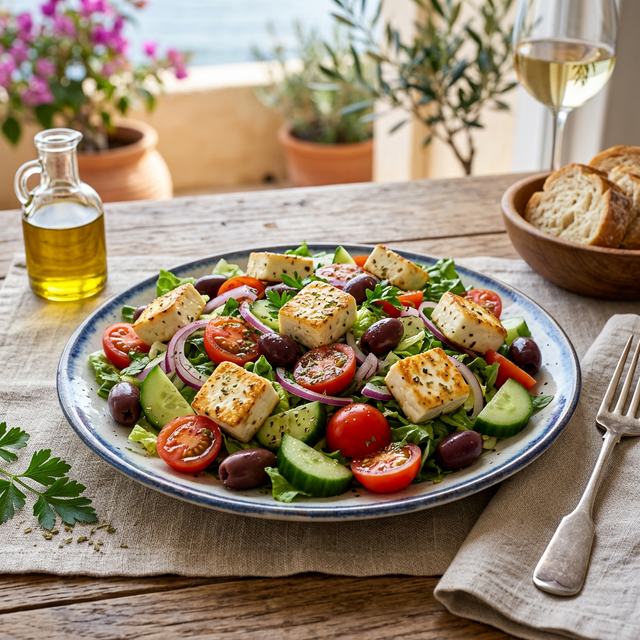
Feta is rarely eaten entirely alone; it is almost universally consumed as the crowning jewel of a massive, heavily dressed Greek Salad. It is highly critical to strictly analyze the other foundational components of this deeply popular meal to uniquely ensure absolute, total food safety for your developing baby.
The Olives: Kalamata olives are spectacularly healthy, aggressively packed with phenomenally healthy fats, and fiercely safe. However, heavily assure they are fully pitted; accidentally violently biting down on a hidden, solid olive pit can severely crack a tooth, and dental work during the third trimester is a notoriously miserable, terrifying experience due to restricted pain relief options.
The Cucumbers and Tomatoes: While the cheese draws all the absolute panic, the actual raw produce is frequently the hidden, silent danger. Raw, unwashed vegetables are a massive, frequently ignored source of severe E. coli and terrifying Toxoplasmosis. You must aggressively, violently scrub cucumbers under high-pressure running water to entirely remove agricultural soil, and slice tomatoes on a strictly clean, deeply sanitized cutting board. Never use the same knife that just sliced raw chicken.
The Olive Oil Dressing: Extra virgin olive oil is arguably the single healthiest, most spectacular fat you can aggressively consume during pregnancy. It violently reduces maternal inflammation and provides massive, clean energy. Pour it generously and completely guilt-free.
Shrimp vs. Prawns: Understanding the Delicate Difference
When intensely navigating massive, complex seafood menus or aggressively shopping at your local, bustling fishmonger, you will inevitably powerfully confront the deeply confusing terminology of "shrimp" versus "prawns." Are they chemically identical? Does one inherently carry a significantly higher, incredibly dangerous bacterial risk during pregnancy? Let us violently shatter the confusion and deeply explore the biological reality.
Biologically speaking, shrimp and prawns are physically entirely distinct, separate marine species. Prawns generally exclusively inhabit massive, flowing freshwater rivers and deep lakes, while shrimp predominantly violently populate highly aggressive, salty marine environments and massive oceanic coastlines. Prawns typically feature a slightly sweeter, highly delicate flavor profile and grow to a significantly, noticeably larger size than standard shrimp.
However, from a strict, rigid pregnancy food-safety perspective, they are practically, magnificently identical. Both phenomenal crustaceans are spectacularly low in terrifying heavy metal mercury. Both incredible proteins powerfully deliver massive, highly bioavailable protein hits. And most critically, both absolutely, unequivocally harbor the exact same severe, horrific risks of terrifying Vibrio infections and terrible food poisoning if they are aggressively undercooked or served entirely raw. The universal, golden rule strictly applies to both: violently cook them perfectly until they are completely, utterly opaque and heavily curled.
Fresh vs. Frozen Shrimp: Which is Uniquely Safer?
There is a massive, incredibly prevalent culinary myth that entirely "fresh" seafood intricately sitting on heavily piled crushed ice at the local grocery store counter is somehow inherently, massively safer and significantly superior to heavily frozen bags. This is a severe, wildly dangerous misconception, especially for vulnerable pregnant women.
The vast, overwhelming majority of commercial shrimp wildly available at standard supermarkets is aggressively labeled as "previously frozen." It was heavily caught on massive commercial trawlers, instantly and violently flash-frozen directly on the massive boat to perfectly lock in incredible freshness and immediately stop massive bacterial degradation, and then slowly, artificially thawed at the specific grocery store solely to beautifully display it on the shiny ice.
Purchasing massive bags of heavily frozen shrimp from the deep freezer aisle is arguably physically significantly safer for a pregnant woman. You aggressively control exactly how and when it violently thaws. Slowly safely thawing frozen shrimp overnight strictly inside the cold safety of your heavily refrigerated environment entirely prevents massive, rapid bacterial replication. Leaving "fresh" shrimp aggressively sitting out on a warm kitchen counter to rapidly warm up is a massive, horrific invitation for massive bacterial disaster.
A Deep Dive into the Official Seafood Guidelines
When obstetricians aggressively command you to restrict your seafood, they are strictly referencing massive, terrifying predatory fish. The FDA wildly encourages expecting mothers to aggressively consume a massive 8 to 12 entire ounces of "low-mercury" seafood every single week. This specifically intensely includes shrimp, salmon, pollock, and light canned tuna.
Why this heavily specific number? Twelve ounces provides the absolute massive, exact required dosage of brilliant Omega-3 fatty acids exactly necessary to physically build the complex fetal brain tissue and construct the highly delicate optic nerves for the infant's vision, without entirely spilling over into dangerous toxic levels. Shrimp is incredibly light and entirely low-calorie, meaning you can aggressively eat massive, huge mountainous piles of it to physically reach that 12-ounce weekly target without actively ruining your carefully planned daily caloric intake or severely spiking your blood sugar.
Safe, Spectacular Preparations for Home Cooking
If you are intensely terrified of aggressively dining out at chaotic, busy restaurants, the absolute safest, most spectacular option is entirely cooking your shrimp heavily at home. Here are magnificently safe, heavily recommended preparation methods for the intensely risk-averse expectant mother:
- Aggressive Deep Frying: While perhaps not the absolute healthiest caloric choice, violently deep-frying coconut shrimp in massive vats of blistering, 375-degree hot boiling oil is arguably the most fiercely, undeniably safe method. The extreme, violent heat practically atomizes practically all potential hidden bacteria instantly.
- Fierce Boiling (Shrimp Cocktail): If you violently crave shrimp cocktail, completely skip the terrifying pre-cooked deli platters sitting out at room temperature. Buy raw, heavily frozen shrimp. Violently boil them in a massive, furiously rolling pot of heavily seasoned water at an aggressive 212°F (100°C) for strictly 3 to 4 thick minutes until they violently curl and abruptly turn deeply opaque white. Instantly violently shock them in massive ice water. This creates magnificent, spectacularly safe homemade shrimp cocktail.
- Simmered deeply in Acidic Tomato Sauce: Heavy Italian marinara sauces are incredibly, violently acidic. When you aggressively drop raw shrimp directly into a huge, furiously bubbling pot of severe, boiling acidic tomato sauce and let it simmer heavily until thoroughly cooked, you are utilizing a powerful double-barreled safety technique of extreme heat combined with massive pathogen-killing acid.
The Absolute Bottom Line Conclusion
You absolutely do not need to spend nine long, exhausting months miserably terrified of enjoying a delicious Greek Salad. The fundamental, unbreakable medical rule of Feta cheese during pregnancy is beautifully, wonderfully black and white: If it is definitively Pasteurized, it is spectacularly safe. If it is Unpasteurized (Raw), it is dangerously forbidden.
Read your supermarket ingredient labels aggressively, demand absolute, unshakeable confirmation from restaurant waitstaff regarding pasteurization, completely avoid communal wet salad bars, and when you are ever in deep doubt regarding cross-contamination - simply blast the cheese entirely with blistering heat in the oven until it is boiling. Follow these strict guidelines, protect your baby, and violently enjoy your cheese cravings!
Meet the Editorial Team
The researchers and experts behind PregnancyPlate.

Fiza Izra
Founder & Tech Researcher
A UK-based mother of 3 with a background in tech and data synthesis, Fiza brings real-world experience navigating hyperemesis gravidarum and postnatal depression. She engineers complex clinical guidelines (NHS, ACOG) into accessible tools, ensuring rigorous fact-checking with deep empathy.

Emma Davies
Senior Nutrition Editor
A mum and writer, Emma runs our food safety desk. She is the one who rings the restaurant to ask how long the lettuce sits out, checks every claim against CDC, FDA and NHS guidance, and rewrites the answer until it is usable at 9pm in a drive-thru queue.