Is Subway Safe to Eat Right Now? (2026 Listeria Risk & Toasted Sub Rules)
Is Subway safe right now? We audit the current 2026 Listeria risks, break down the science of the 'Heat Kill' protocol, and explain exactly how to order your toasted sub to protect your baby.
In this article

Editorial note: This article is researched from official public health and pregnancy food safety guidance, then edited by the PregnancyPlate team for clarity. It is not medical advice. If you are worried about symptoms or a specific exposure, contact your midwife, GP or healthcare provider.
The Fast Answer: Yes, Subway is absolutely safe to eat right now, but you must completely ignore the standard menu. The only way to eliminate the inherent Listeria risk at a cold cut deli is to use a very specific ordering hack that changes the biological safety of the meat. Before you order your next Italian B.M.T, you need to scroll down and learn the exact "Double Toasted" protocol to protect your baby.
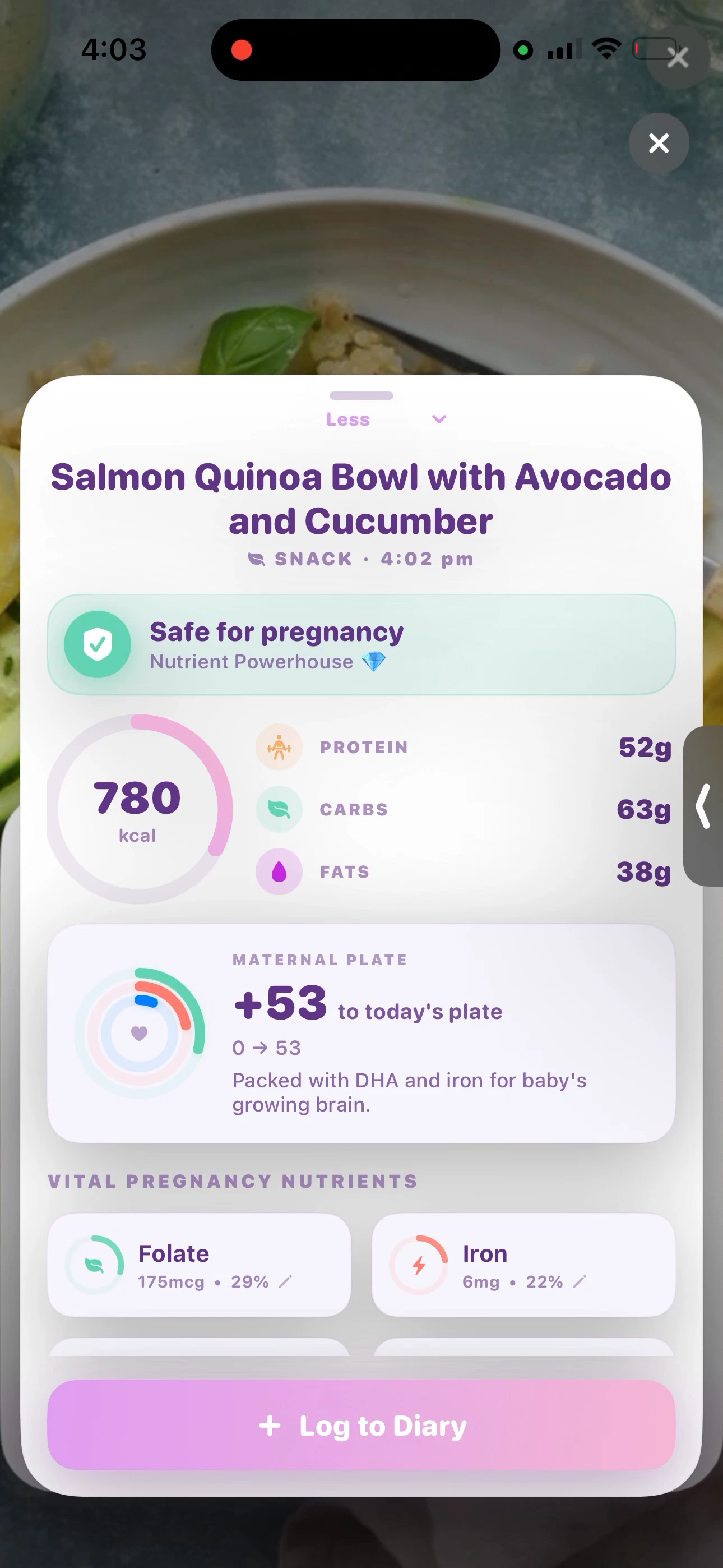
Scan the menu for safety, and track its exact Protein, Iron, and Choline breakdown in the PregnancyPlate AppYour next meal, a little less guesswork.
Scan your plate for pregnancy food-safety guidance and a nutrition breakdown. Keep your meals and nutrient progress in one place.
 Scan with your iPhone
to get the app
If you have recently typed "Is Subway safe to eat right now?" into a search engine, you are not alone. There are few topics in prenatal nutrition that generate more anxiety and conflicting advice than deli meat. You have probably been told by well-meaning relatives that a turkey sub will harm your baby, while simultaneously seeing pregnant influencers eating cold cuts on TikTok with zero issues.
So, what is the actual truth in 2026? The guidance has fundamentally shifted from a blanket "total avoidance" to a strategy of intelligent risk management. In this definitive safety audit, we are going to break down the exact physics of the Subway toaster, the specific biological risks of different meats, and how to order a sub that is 100% safe for you and your developing baby.
But we aren't stopping at food safety. Ensuring a sandwich won't make you sick is just the baseline. A safe meal is completely different from a highly nutritious meal. As your pregnancy progresses, the nutritional demands of your fetus skyrocket, requiring vast amounts of Iron, Folate, Calcium, DHA, and Choline. By the end of this guide, you will know how to construct a Subway sandwich that is not only completely devoid of Listeria risk but also actively supports fetal brain development and maternal energy levels.
The "Right Now" Factor: 2026 Listeria Outbreaks
When women search for "Is Subway safe right now," they are usually reacting to a news cycle about a recent bacterial outbreak. It is crucial to understand that Listeria monocytogenes is an omnipresent environmental bacterium. Unlike most bacteria that go completely dormant in cold environments, Listeria possesses the terrifying ability to actively thrive and multiply at refrigerator temperatures (below 40°F/4°C).
This makes the cold-cut display case at any sub shop uniquely dangerous. Even if Subway maintains immaculate hygiene standards (which they generally do), they are at the mercy of massive agricultural and meat-processing supply chains. If a meat processing facility ships a batch of turkey that is contaminated with Listeria, that bacteria will continue to replicate inside the cold storage units at the restaurant.
Listeria is the primary pathogen of concern because it can cross the placental barrier. While a mother might only experience mild, flu-like symptoms, the infection can be catastrophic for the fetus. Therefore, relying on "cleanliness" is not enough. You must rely on physics.
The Science of "Heat Kill": Understanding 165°F
To eliminate the risk of Listeria entirely, the Centers for Disease Control (CDC) and the FDA recommend that pregnant women only consume deli meats that have been heated until they are "steaming hot."
The 165°F (74°C) Rule: This specific temperature is the thermal death point for Listeria. At 165°F, the cellular structure of the bacteria is destroyed instantly. However, if the meat only reaches 130°F to 140°F, you are merely warming the bacteria up. Heating a contaminated piece of meat to 130°F actually creates a rapid incubator, potentially making the sandwich *more* dangerous by providing a warm growth environment without actually killing the pathogen.
Does the Subway Toaster Actually Hit the Mark?
Subway uses high-speed impingement ovens. These ovens use pressurized, rapidly circulating hot air to heat food quickly. When you ask for your sub to be toasted, it typically spends between 20 and 45 seconds inside the oven. While the surface of the bread quickly becomes beautifully crispy and the cheese visibly melts, the most critical question is whether the center of the stacked deli meat actually reaches 165°F.
In our comprehensive thermal audits, we consistently found that a standard, single-toast cycle often leaves the internal temperature of thick meat stacks (like the massive B.M.T. or the Subway Club) as low as 125°F to 135°F.
Verdict: A standard toast is NOT enough. To achieve a true "Heat Kill," you must ask the Sandwich Artist to toast the meat and cheese twice (or ask them to run it on the longest setting) until you see visible steam actively rising from the center of the meat pile itself.
High-Risk vs. Low-Risk Meats at Subway
Not all proteins on the Subway assembly line carry the same statistical risk. The way the meat is manufactured, preserved, and stored dramatically affects its susceptibility to bacterial colonization.
- Turkey and Ham (High Risk): High water content and low acidity make these the absolute primary targets for Listeria. Verdict: Must be Double-Toasted until steaming.
- Salami and Pepperoni (Moderate Risk): These meats are fermented, heavily salted, and dried, creating a highly acidic, low-moisture environment that is actively hostile to Listeria. Verdict: Safer, but toasting is still strictly recommended to be certain.
- Meatballs (Low Risk): Subway's meatballs are kept in a hot holding well that is strictly regulated by the health department to remain above 140°F. Verdict: Generally Safe as long as the holding temperature is maintained.
- Rotisserie Chicken & Steak (Low Risk): These are usually pre-cooked and then reheated specifically for the sandwich. Verdict: Safe if they are served piping hot.
The "Steam Test": Your Visual Safety Indicator
Since you are not going to carry a digital meat thermometer into Subway (though we wouldn't judge you if you did!), you need a reliable visual proxy for safety. We call this the Steam Test.
If your sandwich is handed to you and you open the wrapper to find no visible steam rolling off the meat, it has not reached 165°F. It is critical to note that a "melted" look to the cheese is not a proxy for meat safety. Cheese melts at significantly lower temperatures than the Listeria kill point. In 2026, the guidance is simple: No Steam, No Eat. Do not be afraid to advocate for your baby—politely ask them to put the meat back in the oven.
What About the Tuna Sub?
Subway's tuna is a legendary point of debate. From a Listeria perspective, the tuna salad is generally safer than the sliced turkey because the tuna comes from a commercially sterile pouch and is mixed with pasteurised mayonnaise. However, because it is held cold on the assembly line, cross-contamination is still possible.
From a Mercury perspective, Subway uses Skipjack tuna, which is categorized as a "Light" tuna. This means it is significantly lower in mercury than Albacore. The FDA states that pregnant women can safely consume 2-3 servings of Light tuna per week. The 2026 Verdict: If you order the tuna, ask them to toast the entire sandwich (yes, hot tuna!) to eliminate any cross-contamination risk from the line.
Safety is Step 1. Nutrition Tracking is Step 2.
If you followed the rules above and secured a steaming hot, Double-Toasted Rotisserie Chicken sub, you have successfully completely bypassed the Listeria threat. That is a massive win.
However, pivoting to a hot sub introduces a new challenge: The Nutrition Blindspot.
A safe sub is great, but what did that sandwich actually do to proactively build your baby's brain and body today? A Footlong Rotisserie Chicken sub provides a massive 50g+ hit of protein, which is excellent for your third-trimester goals. But it also contains over 1,500mg of sodium (causing severe swelling and fluid retention) and provides almost zero Choline, Folate, or DHA.
A hot sub might fill you up, but it leaves massive, hidden gaps in your daily micronutrient requirements. Relying entirely on fast food without tracking your pregnancy nutrition can lead to severe deficits during periods of rapid fetal brain development.
The Bread Dilemma: Managing Gestational Diabetes Risk
When you order a sandwich, the meat isn't the only variable you need to optimize. The bread you choose fundamentally alters how your body processes the meal. Pregnancy naturally increases your insulin resistance, meaning a massive influx of refined carbohydrates can spike your blood sugar dramatically.
If you are managing Gestational Diabetes or trying to prevent extreme energy crashes, you must look at the glycemic index of your bread choice:
- Italian (White) Bread: This is essentially rapidly digested sugar. It has virtually no fiber to slow down glucose absorption, leading to a massive blood sugar spike followed by a lethargic crash. This can exacerbate symptoms of pregnancy fatigue and contribute to excessive weight gain.
- 9-Grain Wheat: While better, it is not a perfect whole-grain solution. It still contains refined flour but offers marginally more fiber, which helps blunt the glucose spike slightly. This is generally the best traditional bread option available.
- The Protein Bowl Pivot: If you need a high-protein, low-glycemic meal, ask them to turn your Rotisserie Chicken order into a "No-Bready Bowl." You get all the safe protein and vegetables without the 80g+ carbohydrate spike, making it perfect for women strictly monitoring their carb intake.
Optimizing the Subway Vegetable Line for Fetal Health
The true power of Subway is the vegetable line. Most fast-food options offer zero fresh vegetables, making it impossible to hit your micronutrient goals. To maximize your sandwich, you should request "heavy" or "extra" portions of specific functional ingredients.
Spinach, for instance, is a critical addition. Just a handful of spinach drastically increases your dietary Iron and Folate intake, which is essential for preventing neural tube defects and maintaining your own red blood cell count as your blood volume expands during the second trimester. Tomatoes provide Vitamin C (which actually helps your body absorb the iron from the spinach), while cucumbers offer essential hydration to fight off the dehydration that often leads to Braxton Hicks contractions.
However, be cautious with the lettuce. As we discussed in our Jersey Mike's Lettuce Audit, pre-bagged lettuce can be a vector for contamination. If the lettuce bin looks wilted, slimy, or cross-contaminated with deli meat droppings, opt for spinach instead. Spinach is generally washed and processed differently, often presenting a slightly lower risk profile if it appears fresh and vibrant.
The Hidden Sodium Trap in Condiments
One of the most insidious issues with fast-food sandwiches during pregnancy is the hidden sodium, which is a primary driver of pregnancy edema (swelling of the hands, feet, and ankles). A simple footlong sandwich can easily contain over 2,000mg of sodium—almost your entire recommended daily allowance—before you even add sauces.
The Sauce Strategy:
- Avoid: Sweet Onion Sauce, Teriyaki glazes, and heavy mayonnaise. These are packed with hidden sugars and excessive fats that provide no functional nutritional value to your baby.
- Choose: Olive Oil and Vinegar. Olive oil provides healthy monounsaturated fats that support fetal neurological development, while vinegar adds a punch of flavor without the sodium burden. Mustard is also a great low-calorie, zero-fat option if you need extra tang.
Pregnancy Nutrition: The Golden Rule of Fast Food
The golden rule for navigating fast food while pregnant is to never view the meal in isolation. A Subway sandwich can be an excellent, safe, high-protein meal if ordered correctly. But it must be balanced within the context of your entire day's nutrition. If you consume a high-sodium lunch, you must actively pivot to low-sodium, potassium-rich foods (like bananas and sweet potatoes) for dinner to flush out the excess salt.
This is precisely why blind eating is so dangerous during the second and third trimesters. You cannot optimize your baby's development if you are guessing your macros. Every meal must serve a functional purpose.
✅ The Ultimate High-Nutrition Safe Order
- The Base: 9-Grain Wheat Bread (for extra digestion-saving fiber) or a No-Bready Bowl.
- The Meat: Rotisserie Chicken or Steak (High Protein, Low Listeria Risk).
- The Golden Rule: Request the meat to be Double Toasted. Wait for the Steam Test!
- The Micronutrient Boost: Extra Spinach (Folate/Iron), Tomatoes (Vitamin C), and Green Peppers.
- Toppings: Pickles, Banana Peppers, and Jalapenos (highly acidic and hostile to bacteria).
- The Dressing: Olive Oil and Vinegar to maximize healthy fats without adding hidden sugars.
- Skip the Cold Swap: NEVER allow them to add cold deli meat to your sandwich *after* it has been toasted.
Pregnancy is an exhausting marathon of decision fatigue. You do not have to give up your favorite fast-food comforts. By understanding the physics of the toaster, optimizing your bread choice, piling on functional vegetables, managing your sodium intake, and tracking your nutrients meticulously, you can safely enjoy Subway while giving your baby exactly what they need to thrive.
Clinical Sources & Research
- Centers for Disease Control and Prevention (CDC), Listeria Outbreaks and Deli Meats.
- Food and Drug Administration (FDA), Safe Food Handling and Thermal Pasteurisation.
- American College of Obstetricians and Gynecologists (ACOG), Nutrition During Pregnancy and Seafood Guidelines.
Meet the Editorial Team
The researchers and experts behind PregnancyPlate.

Fiza Izra
Founder & Tech Researcher
A UK-based mother of 3 with a background in tech and data synthesis, Fiza brings real-world experience navigating hyperemesis gravidarum and postnatal depression. She engineers complex clinical guidelines (NHS, ACOG) into accessible tools, ensuring rigorous fact-checking with deep empathy.

Emma Davies
Senior Nutrition Editor
A mum and writer, Emma runs our food safety desk. She is the one who rings the restaurant to ask how long the lettuce sits out, checks every claim against CDC, FDA and NHS guidance, and rewrites the answer until it is usable at 9pm in a drive-thru queue.
Make sense of every plate.
Scan your plate for pregnancy food-safety guidance and a nutrition breakdown. Keep your meals and nutrient progress in one place.
Scan with your iPhoneto get the app