The Japan Secret: Do Japanese Mothers Really Eat Sushi During Pregnancy?
Is the western fear of sushi during pregnancy justified? We explore the Japanese perspective, medical standards, and why raw fish might be safer than you think.
In this article
Editorial note: This article is researched from official public health and pregnancy food safety guidance, then edited by the PregnancyPlate team for clarity. It is not medical advice. If you are worried about symptoms or a specific exposure, contact your midwife, GP or healthcare provider.
The Global Great Sushi Debate: Fact vs. Cultural Fear
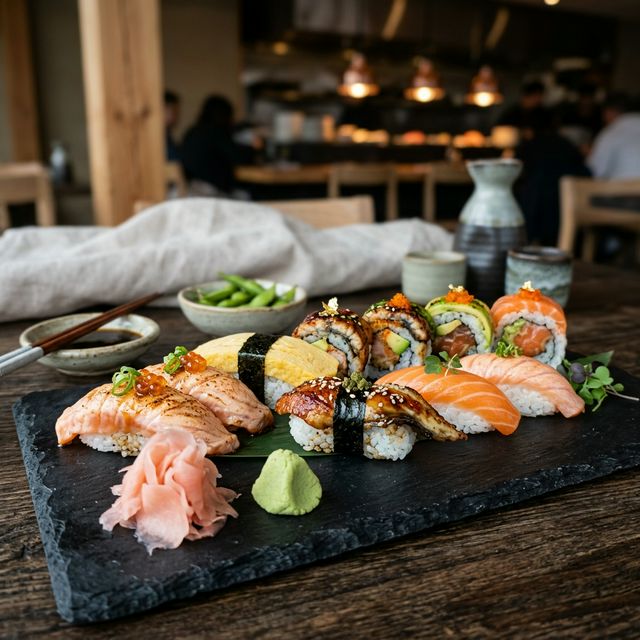
If you tell a doctor in New York, London, or Sydney that you’re eating sushi while pregnant, you’ll likely receive a sharp, stern warning about Listeria and parasites. However, if you sit in a prenatal clinic in Tokyo, the advice is remarkably different. In Japan, sushi isn't just "allowed" - it is often actively encouraged as a vital source of high-quality protein and essential Omega-3 fatty acids for the developing baby’s brain.
Is the Western fear justified, or are we missing out on one of the healthiest prenatal meals on the planet based on outdated myths? In this deep-dive, we explore "The Japan Secret," the biological truth about fish parasites, and how you can navigate any sushi menu with absolute confidence.
Quick Answer: Can I Eat Sushi While Pregnant?
Yes, you can eat sushi while pregnant, but the how matters more than the what. While raw fish carries a theoretical risk of parasites (Anisakis), modern "flash-freezing" technology in developed nations virtually eliminates this danger. The primary medical risk isn't actually bacteria - it’s mercury. By choosing low-mercury fish and high-quality restaurants, you can enjoy sushi safely throughout all three trimesters.
The Japanese Reality: What the "Boshi Techo" Says
In Japan, every expectant mother receives a "Boshi Techo" - a Maternal and Child Health Handbook. Unlike Western pamphlets that often contain a flat "no" to raw fish, Japanese medical guidelines focus on mercury management rather than a blanket raw-food ban. The consensus among Japanese OB-GYNs is that high-quality, fresh raw fish is a nutrient-dense staple that supports fetal development.
Why the difference? Japan has some of the world's strictest food safety standards for fish handling, but the biological reality of the fish is the same. The "secret" lies in the Standard Operating Procedure of the sushi supply chain.
The Parasite Myth: Why "Flash-Freezing" Changes Everything
The biggest fear surrounding raw fish is Anisakis, a tiny parasitic worm. In the West, many assume "fresh" is always better. However, in the world of sushi safety, frozen is safer than fresh.
❄️ The Cold Truth
In the United States, EU, and UK, health regulations generally require fish intended for raw consumption to be "flash-frozen" at extremely low temperatures (typically -4°F for 7 days or -31°F for 15 hours). This process kills parasites instantly while preserving the texture and flavor of the fish. If your sushi comes from a reputable restaurant that uses "sushi-grade" fish, the parasite risk is nearly zero.
Mercury: The Real Villain of the Sushi World
While we worry about bacteria, the real biological threat to a developing baby’s nervous system is Methylmercury. Unlike bacteria, mercury cannot be "killed" by freezing or even cooking. It accumulates in the tissue of predatory fish. This is the area where Japanese and Western doctors find absolute agreement.
High-Mercury Fish (STRICTLY AVOID):
- Swordfish (Mekajiki): One of the highest mercury counts in the ocean.
- King Mackerel: Also known as Sawara (some varieties).
- Bigeye Tuna: This is a premium tuna but carries significant mercury.
- Tilefish & Shark: Should be avoided entirely.
Low-Mercury Fish (SAFE & RECOMMENDED):
- Salmon (Sake): Extremely low in mercury and packed with DHA.
- Shrimp (Ebi): Usually served cooked in sushi. Very safe.
- Eel (Unagi/Anago): Always served cooked and glazed. High in Vitamin A.
- Scallops (Hotate): Low mercury and very safe when fresh.
Listeria and Cross-Contamination: The Deli Meat Comparison
Interestingly, Listeria monocytogenes - the bacteria we fear most in pregnancy - is far more common in deli meats and unwashed salads than it is in raw fish. Raw fish is rarely a vector for Listeria outbreaks. As long as the restaurant is clean and doesn't leave fish sitting at room temperature, the bacterial risk of a piece of Nigiri is statistically much lower than a pre-packaged Caesar salad from a grocery store.
The "Safe Sushi" Cheat Sheet: What to Order
If you want to enjoy the sushi experience without a shred of anxiety, stick to these three categories:
The "Fully Cooked" Favorites
If you want 0% raw risk, these are your best friends:
- Unagi / Anago: Fresh-water or salt-water eel, always grilled.
- Ebi: Boiled shrimp.
- Tamago: The classic Japanese sweet omelet.
- Inari: Tofu pockets filled with vinegared rice.
- Soft Shell Crab: Usually served in rolls, always deep-fried.
The "Veggie & Vegan" Delights
- Kappa Maki: Simple cucumber rolls.
- Avocado Rolls: Packed with healthy fats for baby.
- Oshinko: Japanese pickled radish rolls (great for managing morning sickness nausea).
The "Low-Risk Raw" Tier
- Salmon: Cold-water salmon is the "superfood" of pregnancy.
- Ikura: Salmon roe is high in nutritional value, though Western advice recommends caution.
The Deep Science: DHA, neuronal Growth, and Fetal Potential
While Western panic focuses on the 0.01% risk of a parasite, they often ignore the 100% guarantee that a baby requires Docosahexaenoic Acid (DHA) for proper neuronal development. DHA is the primary structural component of the human brain and retina. During the third trimester, your baby’s brain is growing at its fastest rate, absorbing up to 60mg per day of DHA from your blood supply.
Oily fish like Salmon (Sake) and Mackerel (Saba) are the most bioavailable sources of this fat. In Japan, the high intake of these fish is seen as an "investment" in the child’s future cognitive ability. Clinical studies have shown that mothers who consume at least 340 grams (about two typical restaurant servings) of seafood per week during pregnancy have children with higher performance in verbal intelligence, fine motor skills, and social-behavioral development compared to mothers who avoid fish.
Cultural Context: Sushi as a Celebration in Japan
In Japanese culture, the first meal many mothers request immediately after delivery isn't a burger or pasta - it's a high-grade platter of sushi. But even before the baby is born, prenatal clinics in Tokyo do not have "Forbidden Food" posters. Instead, they provide charts on portion control for Mercury (Suigin).
This nuanced approach allows mothers to benefit from the high mineral content of Japanese coastal diets. Along with DHA, sushi offers a wealth of Selenium, an antioxidant that uniquely binds with any trace amounts of mercury, neutralizing it before it can cause harm to the mother or child. This "Selenium-Mercury" balance is a major reason why the Japanese diet remains safe despite the regular consumption of marine life.
The Role of Seaweed (Nori): An Iodine Powerhouse
Every piece of sushi - whether raw, cooked, or vegetarian - is wrapped in Nori. This toasted seaweed is one of nature's best sources of Iodine. Why does this matter? Iodine is the "fuel" for your thyroid gland, which in turn regulates the hormones that manage your baby's metabolic rate and brain architecture.
However, like anything in pregnancy, balance is key. Very high doses of iodine (found in Kombu or excessive seaweed snacks) can actually be counterproductive. The amount found in a standard sushi meal is generally considered the "sweet spot" for prenatal health.
Beyond the Meat: Wasabi, Ginger, and Rice Vinegar
The accompaniments on your sushi tray are there for more than just flavor. Historically, ginger and wasabi were used for their antibacterial properties. While they won't cure a severe infection, they have unique benefits for the pregnant body:
- Pickled Ginger (Gari): A world-class remedy for first-trimester morning sickness. The gingerol compounds in Gari can settle a rolling stomach instantly and improve digestion during the slower gastrointestinal transit times of the second trimester.
- Rice Vinegar (Sushizu): The vinegar used to season the rice has a low glycemic index effect. This means that a sushi meal is less likely to cause a massive blood sugar spike compared to a sandwich with white bread or a pasta dish, making it a "safer" choice for those monitoring Gestational Diabetes.
A Deep Dive into Toppings: Hidden Safety Factors
It’s not just about the meat. Every part of your sandwich has a safety profile. Commercial dressings and toppings are highly regulated to ensure they're safe for high-risk populations like pregnant women.
- Commercial Mayo: Unlike homemade mayo, the jars of mayonnaise used at sub shops like Jersey Mike's and Firehouse are strictly pasteurized. This means they are 100% safe from Salmonella risks.
- Cheese Safety: Most modern sub-shop cheeses are mass-produced and pasteurized. This includes the Provolone, American, Swiss, and Cheddar. The only "soft cheese" risk would be a specialty blue cheese or unpasteurized feta, neither of which are standard at these chains.
- Veggies & Soil Bacteria: Listeria can also live in unwashed lettuce. Reputable chains have strict "triple-wash" protocols for their produce, making them much safer than a home garden harvest that hasn't been properly cleaned.
The "Safe Sushi" Cheat Sheet: What to Order
If you want to enjoy the sushi experience without a shred of anxiety, stick to these three categories:
The "Fully Cooked" Favorites
If you want 0% raw risk, these are your best friends:
- Unagi / Anago: Fresh-water or salt-water eel, always grilled and glazed. These are rich in Vitamin A (retinol), which is safe in food form.
- Ebi: Boiled shrimp. Very low in mercury and high in protein.
- Tamago: The classic Japanese sweet omelet. It's fully cooked and provides choline for baby's brain.
- Inari: Tofu pockets filled with vinegared rice. High in plant-based protein.
- Soft Shell Crab: Usually served in "Spider Rolls," always deep-fried and safe.
The "Veggie & Vegan" Delights
- Kappa Maki: Simple cucumber rolls. Hydrating and low calorie.
- Avocado Rolls: Packed with folic acid and healthy monounsaturated fats.
- Oshinko: Japanese pickled radish rolls. The crunch and vinegar help with nausea.
The "Low-Risk Raw" Tier (Reputable Spots Only)
- Salmon (Sake): The "gold standard." Low mercury, high DHA.
- Ikura: Salmon roe. While Western advice is cautious, Japanese doctors see it as a "vitamin pill" for pregnancy.
How to Order: Your Sushi Restaurant Script
When you sit down at a sushi bar, don't be afraid to speak up. A skilled sushi chef (Itamae) cares deeply about the quality of their food and the well-being of their guests.
📝 Your Detailed Ordering Script
To the Server: "I’m currently pregnant, so I’m focusing on low-mercury options today. Could you please confirm that your fish - especially the salmon - is flash-frozen for safety? Also, could you please ask the chef to use a clean cutting board for my meal to avoid cross-contamination?"
To the Chef: "Could I have the Salmon Nigiri and the Unagi today? I'm avoiding high-mercury fish like Bigeye Tuna and Swordfish, so what else would you recommend that is safe today?"
Frequently Asked Questions: Sushi & Pregnancy
Q: Is the soy sauce safe during pregnancy?
A: Yes, standard soy sauce is safe, though high in sodium. If you are managing pregnancy-related swelling (edema) or high blood pressure, use it sparingly. Kewpie Mayo found in specialty rolls is also made with pasteured eggs and is 100% safe.
Q: Can I eat "Spicy Tuna" or "Spicy Salmon"?
A: Spicy Tuna is usually made from "tuna scrape" - the meat closer to the bone. While delicious, it often has a slightly higher surface area for potential bacterial growth. During pregnancy, a whole piece of Salmon Nigiri is statistically safer than a "spicy mix" roll.
Q: What about Miso Soup?
A: Miso is a fermented soy product - it’s a probiotic powerhouse! It helps maintain a healthy gut microbiome, which can be disrupted by pregnancy hormones. It's a 10/10 choice for a starter.
Q: Is Smoked Salmon the same as Raw Salmon?
A: Biologically, no. Cold-smoked salmon (lox) hasn't been heated enough to kill Listeria. However, hot-smoked salmon (which is flaky like cooked fish) is perfectly safe.
Knowledge Check: Scenario Quiz
🧠 Scenario Quiz
Q: You're at a "Conveyor Belt" (Kaiten) sushi spot. The salmon has been circling for about 15 minutes and looks a bit dry around the edges. Do you eat it?
A: Absolutely NO. During pregnancy, freshness is your shield. Avoid anything that has been sitting out in the open air at room temperature. Always order fresh from the chef directly, ensuring the fish comes straight from the refrigerated case.
The Bottom Line: Confident Dining
The "Japan Secret" isn't magic - it’s just a focus on quality and a realistic understanding of risk. If you are eating at a high-end, reputable sushi restaurant that uses flash-frozen, low-mercury fish, the risks are infinitesimally small, while the rewards for your baby's development are massive.
So, enjoy that salmon nigiri. Savor those veggie rolls. And let go of the guilt, knowing you're following a tradition that has nourished millions of healthy babies for centuries.
Related Reading
See also: Is Shrimp Safe During Pregnancy?, Can I Eat Tuna While Pregnant?, and Omega-3 and Brain Development Guide.
Download PregnancyPlate to check the mercury level of any fish instantly, access AI-powered menu scans at Japanese restaurants, and track your DHA intake with ease.
Meet the Editorial Team
The researchers and experts behind PregnancyPlate.

Fiza Izra
Founder & Tech Researcher
A UK-based mother of 3 with a background in tech and data synthesis, Fiza brings real-world experience navigating hyperemesis gravidarum and postnatal depression. She engineers complex clinical guidelines (NHS, ACOG) into accessible tools, ensuring rigorous fact-checking with deep empathy.

Emma Davies
Senior Nutrition Editor
A mum and writer, Emma runs our food safety desk. She is the one who rings the restaurant to ask how long the lettuce sits out, checks every claim against CDC, FDA and NHS guidance, and rewrites the answer until it is usable at 9pm in a drive-thru queue.




Related posts