Best Pasteurized Mayo Brands: Are Hellmann's, Kewpie, and Duke's Safe for Pregnancy?
The fear of "raw eggs" in mayonnaise is a common pregnancy anxiety. We break down the science of pasteurization and rank the safest store-bought brands for your peace of mind.
In this article

Editorial note: This article is researched from official public health and pregnancy food safety guidance, then edited by the PregnancyPlate team for clarity. It is not medical advice. If you are worried about symptoms or a specific exposure, contact your midwife, GP or healthcare provider.
A History of Risk: Why Mayo Got a Bad Reputation
To understand why we are so afraid of mayonnaise today, we have to look back at how it was traditionally made. Mayonnaise originated in the mid-18th century (some say it was named after the victory of the Duke de Richelieu at Mahon). For over 200 years, it was a delicate sauce made purely by hand in household kitchens or small local shops. These recipes called for fresh, raw eggs straight from the farm, which were whisked with oil and lemon juice.
Because there was no such thing as industrial pasteurization, and refrigeration was inconsistent at best, mayonnaise was a high-risk food. Farm eggs were frequently contaminated with Salmonella Enteritidis, a bacterium that live in the intestinal tracts of poultry and can be found inside perfectly normal-looking eggs. If a single contaminated egg was used to make a batch of mayo that then sat in a warm kitchen for hours, the bacteria would multiply into the millions.
This historical reality is what created the "Mayo Scare" that our grandmothers passed down to us. But today, the grocery store landscape is entirely different. Industrial food safety standards have transformed mayonnaise from a gamble into a stable, safe staple.
The Salmonella Factor: Why It Is Dangerous to Your Pregnancy
Why do doctors emphasize avoiding Salmonella specifically? While most healthy adults recover from Salmonella poisoning within a week with no lasting damage, it is a different story when you are pregnant. Salmonella causes acute gastroenteritis, which leads to severe dehydration, high fever, and bacteremia (where the bacteria enters your bloodstream).
In rare but serious cases, a Salmonella infection can lead to intrauterine sepsis or induce premature labor. Because your body's immune system is naturally lowered during pregnancy - a fascinating process that prevents your body from attacking the "foreign" DNA of the fetus - you are much more likely to develop a severe case of food poisoning from a dose of bacteria that wouldn't affect a non-pregnant person. This is why pasteurization is non-negotiable.
The Science of Safety: What is Pasteurization?
Pasteurization is a heat-treatment process discovered by Louis Pasteur in the 19th century. To make eggs safe for mass consumption without actually "cooking" them into scrambled eggs, manufacturers heat the liquid egg yolks to a specific temperature (usually around 140°F/60°C) and hold them there for a precise amount of time. This temperature is high enough to kill Salmonella and other harmful pathogens but low enough to preserve the functional properties needed to create a creamy emulsion.
In the United States, the USDA and FDA mandate that all egg products used in commercial food manufacturing must be pasteurized. This means that if you are buying a jar of mayonnaise off a shelf in a standard grocery store, the eggs inside it are, by law, treated and safe. This regulation applies to every single jar of Hellmann's, Duke's, or Kraft you will ever see.
🔍 The Label Rule
If a product contains eggs and is sold at room temperature on a grocery store shelf, it must be pasteurized. If it weren't, it would spoil and become dangerous within hours. The fact that it is shelf-stable is your first clue to its safety.
Top 5 Pregnancy-Safe Mayo Brands: Decoded
Not all mayonnaise is created equal in terms of flavor and ingredients. Here is our breakdown of the most popular brands and their pregnancy safety status.
Hellmann’s & Best Foods (The Gold Standard)
Whether you call it Hellmann's (East Coast) or Best Foods (West Coast), this is the undisputed king of American mayo. Hellmann's uses 100% pasteurized cage-free eggs and egg yolks. They are incredibly transparent about their sourcing. Because the product is highly acidic (which acts as a secondary barrier to bacteria) and pasteurized, it is a very low-risk product.
- Safety Rating: 10/10
- Note: Their "Light" and "Canola Oil" versions are also entirely safe.
Kewpie Mayonnaise (The Japanese Icon)
Kewpie is the obsession of chefs and foodies worldwide. It is richer and more "umami" than American mayo because it uses only the yolks (rather than whole eggs) and a proprietary blend of vinegars. We get constant questions about Kewpie because it is an international product. Is Kewpie safe? YES. Every batch of Kewpie produced for the US market (and the original Japanese version) uses pasteurized egg yolks.
The richness of Kewpie comes from the higher yolk concentration. Interestingly, yolks are actually less likely to be contaminated with Salmonella than egg whites, but the pasteurization process used by Kewpie makes the point moot. It is safe for all three trimesters.
- Safety Rating: 10/10
- Tip: Kewpie contains a small amount of MSG, which is generally recognized as safe (GRAS) by the FDA, but some women prefer to avoid it if they have sensitivities.
Duke’s Mayonnaise (The Sugar-Free Hero)
A cult favorite in the American South, Duke's is famous for having zero added sugar and extra cider vinegar. Like Hellmann's, Duke's uses pasteurized eggs and is completely safe for pregnant women to consume straight from the jar. It is often the preferred choice for women managing Gestational Diabetes because of its low carbohydrate profile.
- Safety Rating: 10/10
Kraft Real Mayo
Another grocery store staple. Kraft is meticulously regulated and uses pasteurized liquid eggs. It is entirely safe for your sandwich needs. They also offer a "Mayo with Olive Oil" version which is safe and provides a slightly different nutrient profile.
- Safety Rating: 10/10
Sir Kensington’s (The Premium Pick)
For those looking for a "cleaner" label or non-GMO ingredients, Sir Kensington’s is a popular premium choice. They use Certified Humane, free-range pasteurized eggs. Their "Avocado Oil" mayo is also a great choice for those looking for heart-healthy fats and avoiding soy-based oils common in other brands.
- Safety Rating: 10/10
The Real Red Flags: When to Avoid Mayo
While the jar in your pantry is safe, there are three scenarios where mayonnaise moves from the "Safe" list to the "High Risk" list during pregnancy.
Homemade "Artisanal" Mayo and Aioli
If you are at a high-end restaurant, a farm-to-table bistro, or a gourmet cafe and they boast about their "homemade aioli" or "scratch-made mayo," you must ask if they use pasteurized eggs or raw farm eggs. Most traditional chefs use raw, unpasteurized farm eggs to create the emulsion because it produces a superior texture. However, during pregnancy, always opt for the commercial, mass-produced version (like the little packets at Chipotle or Subway) over the "authentic" homemade one. When in doubt at a nice restaurant, ask the server. If they aren't sure, skip the sauce.
The "Picnic Temperature" Trap
Mayo-based salads (tuna salad, chicken salad, egg salad, coleslaw) are not dangerous because of the mayo itself, but because of poor temperature management. Mayonnaise is actually quite acidic, which inhibits bacterial growth. The danger in these salads usually comes from the other ingredients - like the chicken or eggs - which provide a neutral pH that bacteria love. If these salads sit out in the "Danger Zone" (40°F to 140°F) for more than two hours at a picnic or buffet, they become a breeding ground for Staphylococcus aureus or Listeria. During pregnancy, only eat these salads if you know they have been stored at 40°F or below.
Raw Egg Cousins: Hollandaise and Caesar
Always double-check products like "Hollandaise Sauce" (on Eggs Benedict) or "Caesar Dressing" at restaurants. These are essentially cousins of mayonnaise that are frequently made with raw, unpasteurized eggs. Unlike the mayo in the jar, these are often prepared fresh daily. Most modern restaurants use pasteurized liquid eggs for these sauces now, but it is always worth confirming with your server.
💡 Pro-Tip for Home Cooks
If you absolutely crave homemade mayo at home, buy a carton of "Pasteurized Shell Eggs" (like Davidson’s Safest Eggs). These look and taste like regular eggs but have been treated with a water bath to kill all bacteria. They are safe for raw consumption, even for those with suppressed immune systems. You can also buy "liquid egg yolks" in a carton, which are always pasteurized.
Navigating the Sandwich Shop
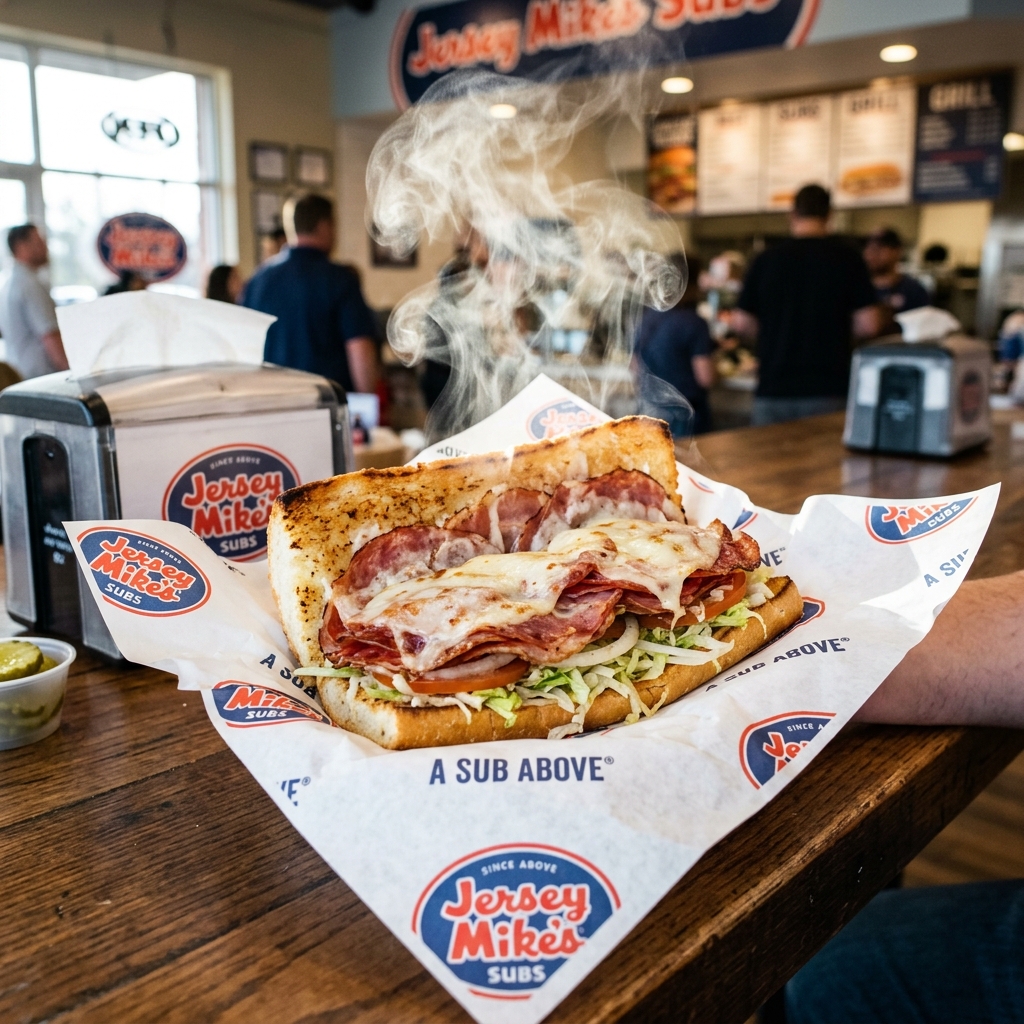
If you are at Subway, Jersey Mike's, or Jimmy John's, you can use the mayo with total confidence. These chains use massive industrial supplies of pasteurized mayonnaise that are shelf-stable until opened and then refrigerated. The risk at these shops isn't the mayo - it is actually the cross-contamination on the cutting boards or the temperature of the lettuce and tomatoes. Stick to the mayo, but skip the sprouts!
Top Vegetarian / Vegan "Mayo" Alternatives
If you want to eliminate the egg question entirely, or if you find that eggs are a specific pregnancy aversion for you (which is extremely common!), vegan mayonnaise is an incredible alternative. These products use starches, pea proteins, or aquafaba (chickpea water) as an emulsifier instead of eggs, making them 100% raw-egg-free.
- Hellmann’s Vegan: Surprisingly close in flavor to the original, if a bit tangier.
- Follow Your Heart Vegenaise: A favorite in the wellness community with a very clean, neutral flavor. Verified safe and delicious.
- Primal Kitchen Vegan Mayo: Made with avocado oil and no inflammatory seed oils. A great choice for those prioritizing clean fats.
The Health Perspective: Fat, Calories, and GDM
While safe from a bacterial standpoint, remember that mayonnaise is essentially pure fat. A single tablespoon contains about 90-100 calories and 10 grams of fat. During pregnancy, high-quality fats are essential for the baby's brain development (DHA and healthy oils), but excessive saturated fat can contribute to unwanted weight gain or severe heartburn. If you have Gestational Diabetes, be sure to avoid brands with added "High Fructose Corn Syrup" and stick to brands like Duke's or Sir Kensington's.
Knowledge Check: Scenario Quiz
🧠 Quick Quiz
Scenario: You are at a family BBQ and there is a bowl of potato salad that has been sitting on the picnic table for 3 hours in 85-degree weather. Is it safe to eat if you know they used Hellmann's mayo?
Answer: NO. While the Hellmann's mayo was safe when it came out of the jar, the salad has spent too much time in the "Danger Zone." Bacteria from the potatoes or handled eggs could have multiplied to dangerous levels. Always skip mayo-based salads that have been at room temperature for more than 2 hours (or 1 hour if it's over 90°F).
The Final Verdict
You can breathe a sigh of relief and enjoy that sandwich. Every major brand of mayonnaise found on American grocery shelves - from the classic Hellmann's to the trendy Kewpie - is made with pasteurized eggs and is 100% pregnancy-safe. Just be wary of "homemade" labels at fancy restaurants and keep your deli salads properly chilled. Your turkey club sandwich is waiting for you.
Related Reading
See also: The Ultimate Deli Meat Safety Guide, Which Soft Cheeses Are Actually Safe?, and How Much Caffeine Is Too Much?.
Download PregnancyPlate to use our "Pasteurization Scanner." Simply point your camera at any food label and our AI will immediately confirm if the ingredients are pasteurized and safe for your trimester.
Meet the Editorial Team
The researchers and experts behind PregnancyPlate.

Fiza Izra
Founder & Tech Researcher
A UK-based mother of 3 with a background in tech and data synthesis, Fiza brings real-world experience navigating hyperemesis gravidarum and postnatal depression. She engineers complex clinical guidelines (NHS, ACOG) into accessible tools, ensuring rigorous fact-checking with deep empathy.

Emma Davies
Senior Nutrition Editor
A mum and writer, Emma runs our food safety desk. She is the one who rings the restaurant to ask how long the lettuce sits out, checks every claim against CDC, FDA and NHS guidance, and rewrites the answer until it is usable at 9pm in a drive-thru queue.