Safe Sushi 101: Can I Eat California Rolls or Tempura While Pregnant?

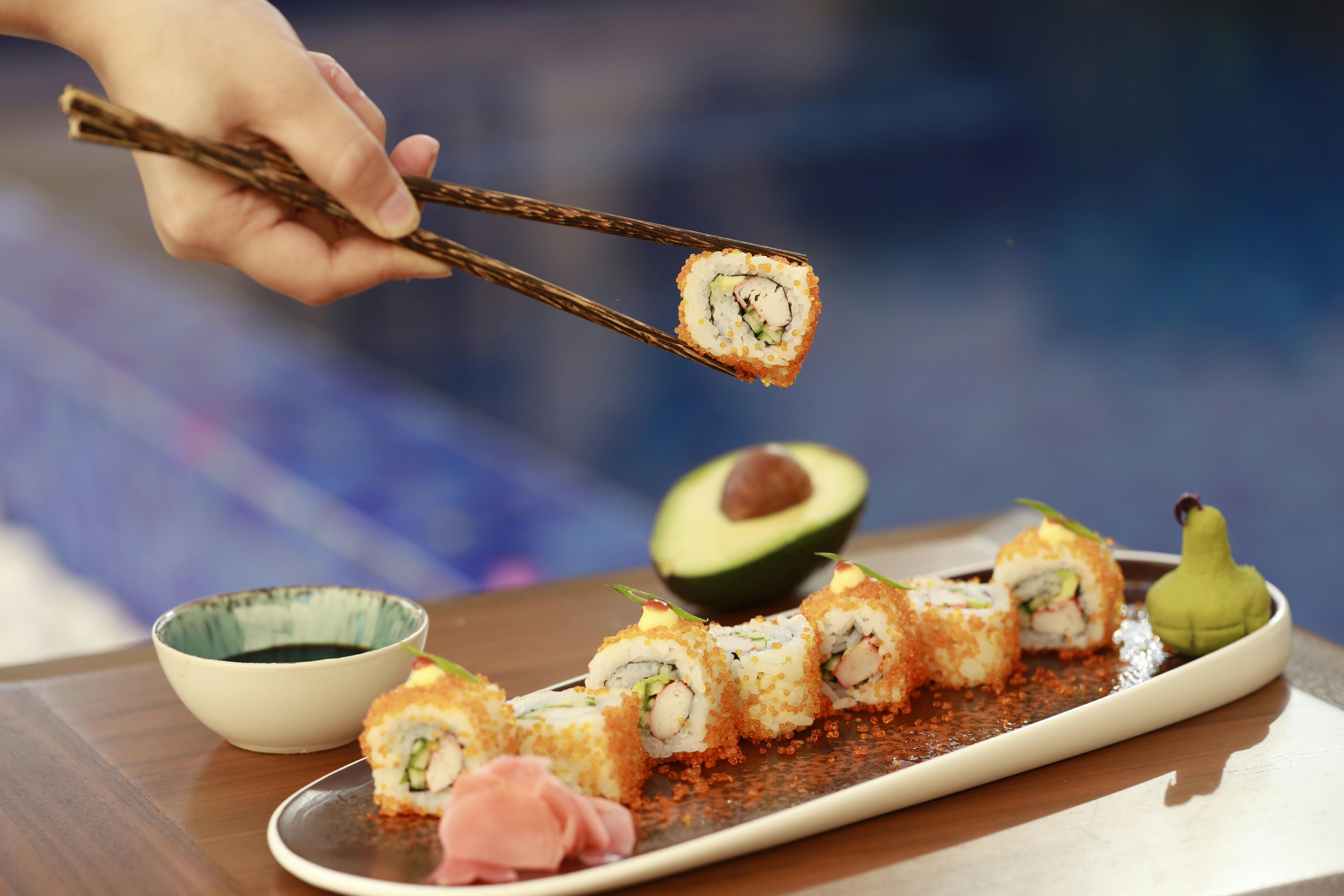
Photo by Shameel mukkath via Pexels



Editorial note: This article is researched from official public health and pregnancy food safety guidance, then edited by the PregnancyPlate team for clarity. It is not medical advice. If you are worried about symptoms or a specific exposure, contact your midwife, GP or healthcare provider.
Quick Overview: California rolls are generally safe during pregnancy because they contain cooked imitation crab (surimi), not raw fish. Tempura is also safe since the batter-frying process cooks the shrimp or vegetables to a high temperature. The sushi to avoid is anything with raw fish, specifically high-mercury species like tuna (bluefin), swordfish, and king mackerel. At a reputable restaurant, a California roll or a shrimp tempura roll is a perfectly reasonable pregnancy meal.
Check Sushi Safety on the AppI want to be upfront about something: the pregnancy sushi conversation is one of the most overcomplicated, anxiety-inducing food topics out there. I've read the forums and seen the heated debates. And reading the FDA's actual guidance on fish consumption during pregnancy, I've come to the conclusion that most of the blanket "no sushi ever" advice is doing more harm than good by treating all sushi as equivalent when it absolutely is not.
There is a massive difference between a California roll and a bluefin tuna nigiri. Understanding that difference is what this article is about. Let's go through it properly.
What Is Actually in a California Roll?
Before answering whether it's safe, we need to find out what's inside. A standard California roll contains three core ingredients: imitation crab (also called surimi), avocado, and cucumber, all wrapped inside-out with nori and rice.
Here's the key fact that most pregnancy advice glosses over: imitation crab is fully cooked. Surimi is made from white fish (usually Alaska Pollock) that has been processed, cooked, and compressed into a crab-shaped stick. It is not raw. It was never raw. When you order a California roll, you are eating cooked fish, ripe avocado, and fresh cucumber, all wrapped in rice seasoned with rice vinegar. The only thing on that plate that is remotely risky from a foodborne illness standpoint is the cucumber, and even that risk is negligible at a licensed restaurant that is properly washing its produce.
Avocado and cucumber are both considered safe by the American College of Obstetricians and Gynecologists (ACOG). Neither carries a pregnancy-specific warning. And imitation crab, being cooked and processed, sits in the same safety category as any other cooked fish you would eat without a second thought.
The verdict on California rolls: safe.
What About Real Crab in a Sushi Roll?
Some higher-end sushi restaurants use real cooked crab in their rolls rather than surimi. If the menu says "real crab" or "king crab," it is still cooked. Crab is always served cooked in sushi. Unlike tuna or salmon, you will never encounter raw crab in a roll because the texture and structure of raw crab don't hold up the same way. Real crab in a sushi roll is safe during pregnancy.
The one caveat I would add is that crab is a shellfish, and shellfish tends to be higher in sodium than other proteins. If you're managing blood pressure or dealing with swelling in the third trimester, that's worth keeping in mind. But from a food safety standpoint, cooked crab at a reputable restaurant is not something to stress over.
Is Tempura Safe During Pregnancy?
Tempura is one of the most misunderstood items on the sushi menu. People hear "sushi restaurant" and assume everything carries the same risk of raw fish, but tempura is a completely different cooking method.
Tempura means the ingredient (shrimp, sweet potato, asparagus, zucchini, crab) has been coated in a light batter and deep-fried at extremely high temperatures, usually around 340°F to 375°F (170°C to 190°C). At those temperatures, any surface bacteria are destroyed within seconds. A shrimp tempura roll or a vegetable tempura roll contains fully cooked ingredients, not raw ones.
Shrimp, specifically, is one of the seafood options the FDA and EPA explicitly list as a low-mercury "best choice" that pregnant women can eat regularly, up to two to three servings per week. A shrimp tempura roll fits comfortably within that guideline.
The verdict on tempura rolls: safe, and actually a good source of protein.
What Sushi Is Actually Risky?
Now for the part where I do need to pump the brakes. Raw fish sushi and sashimi are the items that carry a genuine, evidence-based pregnancy risk, and not all raw fish is equal. There are two separate concerns here: bacteria and parasites from raw fish, and mercury levels in certain species.
The Raw Fish Problem
Raw fish can harbor parasites such as Anisakis and bacteria such as Listeria monocytogenes and Salmonella. During pregnancy, your immune system is naturally suppressed to protect the baby, which means you are more vulnerable to these pathogens than you would normally be. A 2019 review published in Nutrients (PMC6835727) confirmed that pregnant women are approximately ten times more likely than healthy adults to develop listeriosis, and that fetal infection can occur even when the mother's symptoms are mild. If you do get a listeria infection during pregnancy, it can cross the placental barrier and cause serious complications, including preterm labor.
Does that mean a single piece of salmon sashimi is going to definitely harm your baby? No. The absolute risk from a single exposure at a high-quality restaurant is very low. But the risk is nonzero and elevated compared to that of a non-pregnant person. Most ACOG and FDA guidance lands on "avoid raw fish during pregnancy" as a precaution, and I think that's a reasonable position to take for nine months.
The Mercury Problem
Mercury is a separate issue from bacteria. Methylmercury accumulates in large, predatory fish that have eaten smaller fish their entire lives. The FDA and EPA have a specific list of fish to avoid during pregnancy because of their high mercury content. The ones you're most likely to encounter on a sushi menu are:
- Bluefin tuna (Hon-maguro): One of the highest mercury fish on a sushi menu. Avoid.
- Yellowfin tuna (Ahi): Lower mercury than bluefin, but still on the FDA's "eat no more than one serving per week" list for pregnant women. Best avoided entirely.
- Albacore tuna (Shiro-maguro): Similar guidance as yellowfin. One serving or fewer per week.
- Swordfish and king mackerel: High mercury. Not commonly found on a sushi menu, but worth knowing.
The good news is that skipjack tuna (the kind used in most canned tuna and some spicy tuna rolls) has much lower mercury levels and falls into the FDA's "best choices" category, meaning up to two to three servings per week. However, it is still raw when served in a spicy tuna roll, so the bacteria concern still applies.
The Restaurant Quality Factor
Something that never gets mentioned enough in these conversations is that restaurant quality matters enormously. The risk profile of eating a California roll at a licensed, high-turnover sushi restaurant in a major city is completely different from eating one at a gas station grab-and-go counter that has been sitting in a display case since this morning.
High-volume sushi restaurants have rapid ingredient turnover, which means their fish is fresh and hasn't been sitting long enough for bacteria to multiply. They also typically source from licensed distributors who are required to freeze fish to specific temperatures before sale, which kills parasites. A restaurant with a visible health inspection certificate, a long queue of customers, and a kitchen you can observe is a very different risk environment from a random takeout place with three-day-old fish.
I'm not saying you should eat raw salmon at a busy sushi bar. I'm saying that if you're going to eat at a sushi restaurant during pregnancy, the quality and turnover of that specific restaurant is a meaningful factor in your actual risk level, not just the theoretical risk level. The same logic applies to any food you eat out during pregnancy, whether it's fast food or a sit-down restaurant.
What About Soy Sauce, Wasabi, and Pickled Ginger?
These are safe. All three are fine during pregnancy with a bit of context.
- Soy sauce: Commercially produced soy sauce is brewed and pasteurized. The main concern is sodium, not food safety. A few dips of your California roll in soy sauce is fine. Drinking it by the cup is not a great idea for your blood pressure.
- Wasabi: Real wasabi (made from wasabi root) is safe. Most wasabi served in US restaurants is actually horseradish paste with food coloring. Either way, safe in normal condiment quantities.
- Pickled ginger: Safe, and actually useful. Ginger has a well-documented mild anti-nausea effect that some studies support for pregnancy nausea. The pickled ginger served alongside sushi is pasteurized and entirely safe to eat. If you want more ideas for managing nausea through food, our guide on nausea-safe dinners for the first trimester is worth a read.
Building the Safest Possible Sushi Order
If you're going to a sushi restaurant and want to eat safely, here is what a good pregnancy order looks like:
- California rolls (surimi, avocado, cucumber)
- Shrimp tempura rolls
- Vegetable rolls (avocado, cucumber, sweet potato tempura)
- Edamame as a starter (protein, folate, iron - genuinely excellent for pregnancy)
- Miso soup (safe and warming)
- Cooked scallop rolls, cooked eel (unagi, which is always served grilled)
Things to skip: tuna nigiri or sashimi of any kind, raw salmon, yellowtail (hamachi), and anything labeled "spicy" that is based on raw fish. You're not missing out as much as you think. There's genuinely a lot on a sushi menu that doesn't involve raw fish at all, and most of it is delicious.
The Frozen Fish Rule
Here's something worth knowing if you're doing your own research: the FDA requires that fish intended for raw consumption be frozen to specific temperatures before serving. This kills parasites (though not all bacteria). Many reputable sushi restaurants in the US operate under this requirement, which is part of why high-end sushi at a licensed US restaurant carries a lower parasitic risk than, say, eating raw fish from a local lake.
This doesn't make raw sushi categorically safe during pregnancy, because bacterial risk still exists, and the freezing requirement isn't always perfectly enforced. But it's a useful context when you're trying to evaluate actual risk versus theoretical risk.
The Final Verdict
California rolls: yes. Tempura rolls: yes. Cooked eel (unagi): yes. Edamame: absolutely yes. Vegetable rolls: yes.
Raw tuna, raw salmon, any sashimi or nigiri with uncooked fish: best avoided for the nine months.
The good news is that the pregnancy-safe options on a sushi menu are genuinely satisfying, and you won't be sitting there watching everyone else eat while you have a side of edamame. A well-chosen sushi order is actually a solid pregnancy meal, with good protein, healthy fats from the avocado, and a manageable sodium load if you're careful with the soy sauce.
Use the PregnancyPlate app to log your meals and check food safety in real time. And if you're still building out your pregnancy diet, our first trimester meal plan has a full breakdown of what to prioritize week by week.
1. U.S. Food and Drug Administration. Advice About Eating Fish. FDA, 2024.
2. Mateus T, et al. Listeriosis During Pregnancy: A Public Health Concern. Nutrients. 2019;11(10):2489.
3. American College of Obstetricians and Gynecologists (ACOG). Womens Health Resources. ACOG, 2023.
Meet the Editorial Team
The researchers and experts behind PregnancyPlate.

Fiza Izra
Founder & Tech Researcher
A UK-based mother of 3 with a background in tech and data synthesis, Fiza brings real-world experience navigating hyperemesis gravidarum and postnatal depression. She engineers complex clinical guidelines (NHS, ACOG) into accessible tools, ensuring rigorous fact-checking with deep empathy.

Emma Davies
Prenatal Nutrition Editor
Emma translates dense public health and FDA guidelines into practical, everyday advice to help mothers navigate pregnancy food safety with confidence.