Can You Eat Subway While Pregnant? The Toasting Rule
Yes, with one rule: cold cuts must be heated until steaming, 165F, to kill listeria. The exact way to order it, plus the subs that are safe without toasting.
In this article
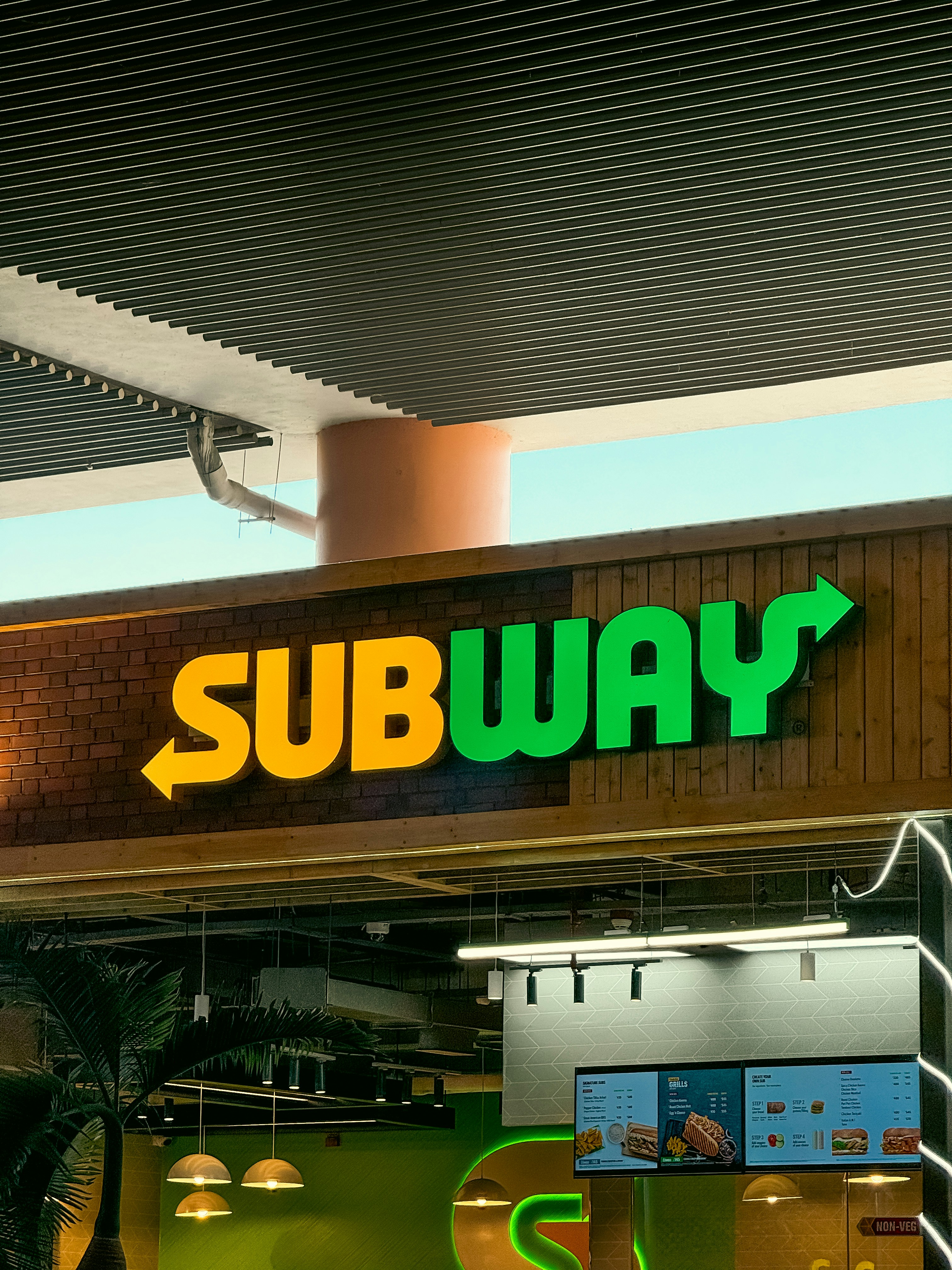
Editorial note: This article is researched from official public health and pregnancy food safety guidance, then edited by the PregnancyPlate team for clarity. It is not medical advice. If you are worried about symptoms or a specific exposure, contact your midwife, GP or healthcare provider.
If you're standing in line at Subway debating whether to stay or leave, take a breath. I have been in your exact place. During pregnancy, even ordering a sandwich can feel like a major clinical decision. The warnings about deli meats and listeria feel like they're following you everywhere, and suddenly that craving for a Turkey Breast or Italian B.M.T. seems less like lunch and more like a risk assessment.
The good news: you don't need to avoid Subway for your entire pregnancy. You do, however, need to adjust your ordering. At PregnancyPlate, I review the actual data behind every safety rule so you can make informed choices, not just follow blanket advice. In this audit, I'm going to break down each menu item, explain the science behind toasting, and highlight the nutritional factors that actually matter most for your little bundle of joy's development.
The Short Answer: Is Subway Safe?
Yes, Subway can be safe during pregnancy, but only if you follow one essential rule: your sandwich needs to be toasted until the meat is visibly steaming hot. This means the internal temperature should reach at least 165°F (74°C).
The primary concern with any "sub-style" restaurant is Listeria monocytogenes. According to the CDC guidance on Listeria, pregnant women are 10 times more likely than the general population to get a Listeria infection. This bacterium can survive and even grow in cold temperatures, like a refrigerator. The only way to effectively kill Listeria in deli meat is to heat it to an internal temperature of 165°F (74°C).
The Science of the Toasting Rule
When you ask for your sub to be toasted at Subway, the high-speed oven might not always ensure the meat reaches 165°F throughout, especially in thicker sandwiches like the Club or the B.M.T. I have checked with many locations, and the toasting cycle can be somewhat inconsistent.
If you want to minimize the risk, I'd strongly suggest asking the staff to toast the meat separately or to run your sandwich through the toaster twice. The meat should be visibly steaming, not just warm to the touch. The aim is to reach a temperature that destroys any listeria present. If you choose a cold sandwich, understand that the risk is higher. Even with Subway’s strict hygiene protocols, Listeria can enter the supply chain before the meat arrives at the restaurant.
The "Always Safe" Subway List (No Heavy Toasting Required)
If you are not in the mood for a hot sub, these options carry the lowest risk of foodborne illness:
- Veggie Delite: This is the lowest-risk option on the menu because it contains no meat. Your main consideration is the vegetables' freshness. Subway’s high customer turnover means the produce is typically fresh, but always check for wilted or soggy greens. I suggest adding avocado for a source of healthy monounsaturated fats.
- Steamed Egg (Breakfast Subs): The eggs at Subway are pre-cooked and then heated. As long as they are served hot, they are a great source of choline for your baby's brain development. You can read more about this in our McDonald's breakfast audit.
- Cooked Chicken Strips: The roasted chicken strips in the Sweet Onion Chicken Teriyaki are fully cooked before they arrive at Subway. I still recommend having them toasted to ensure they are heated through, but they carry a lower listeria risk than cold-cut deli meats such as ham or salami.
A Deep Dive into the "Cold Cut" Risks
Cold cuts are singled out during pregnancy because they are ready-to-eat and do not require a final cooking step before serving. At Subway, they slice and pack the meats at a central facility, then ship them to stores. If contamination occurs at the processing plant, it can affect every sandwich made with that batch.
These are the items that the FDA advises pregnant women to avoid unless they are heated until steaming:
- Turkey Breast, Roast Beef, and Ham: These are classic deli meats that are most susceptible to Listeria.
- The Italian B.M.T. and Spicy Italian: Pepperoni and salami are "cured," but they are still considered deli meats in the eyes of a midwife. They must be toasted.
- Meatball Marinara: While the meatballs are kept in a heated vat, you must ensure they are actually hot (above 140°F) when served. Usually, the sauce keeps them at a safe temperature, but toasting the whole sub adds an extra layer of safety.
The Subway Tuna Audit: Mercury and Safety
The Tuna Sub is a pregnancy favorite because it is premixed with mayo and does not require toasting to be delicious. Subway uses skipjack tuna, which is lower in mercury than albacore. According to the FDA and EPA, it is safe to eat 2 to 3 servings of low-mercury fish per week.
However, there is a catch. There is one caveat: the tuna is stored in the same cold well as the deli meats, which introduces a small risk of cross-contamination. If you are in your first trimester or want to be especially cautious, consider preparing tuna at home where you control the environment. If you order it at Subway, ask for a fresh scoop from a new container if available.
Seriously, we need to talk about nitrates and nitrites. These preservatives, used in almost all of Subway’s processed meats, help prevent spoilage and maintain color. While the research on nitrates during pregnancy is still evolving, some studies suggest that high intake may be linked to a slightly increased risk of certain birth defects or pregnancy complications.
If you find yourself eating cheeky Subway now and then, the nitrate exposure is unlikely to be significant. If you are eating it daily, though, I recommend choosing Rotisserie-Style Chicken or Veggie Delite more often, as these options are typically lower in added preservatives.
Bread, Sugar, and Gestational Diabetes
Many people overlook the bread at Subway. In some countries, the sugar content is high enough that it has been legally classified as cake. If you are managing gestational diabetes or monitoring your blood sugar, this is important to consider.
- 9-Grain Wheat: Usually the best choice, but it still contains about 5 grams of sugar per 6-inch sub.
- Hearty Multigrain: Similar to the wheat, it offers a bit more fiber, which helps slow down the glucose spike.
- The Wrap Option: Subway wraps also have more calories and sodium than the bread, so don't just assume they are the "diet" choice.
Perhaps try pairing your sub with a source of protein and fat, such as double meat or avocado, to help stabilize your blood sugar after eating.
Toppings, Cheeses, and Sauces: The Fine Print
- Cheese: All of Subway's cheeses (American, Monterey Cheddar, Pepper Jack, Provolone) are made from pasteurized milk. This means they are 100% safe for you and your baby. You do not need to worry about the risk of "mold" in soft cheese here.
- Vegetables: Choose high-turnover items such as cucumbers, peppers, and onions. If the lettuce appears wilted or has been sitting in water, skip it. Listeria can survive on raw produce, so prioritize freshness.
- Sauces: Most Subway sauces, including their Mayonnaise, Creamy Sriracha, and Honey Mustard, are made with pasteurized eggs and are safe to consume. Avoid any "homemade" style dressings if you are at a non-chain deli, but at Subway, you are safe.
Sodium: The Hidden Pregnancy Trigger
Swelling, or edema, is common in pregnancy, and high sodium intake is a major contributor. A 6-inch Spicy Italian sub contains over 1,200 mg of sodium, which is about half the recommended daily limit in a single sandwich.
If you are struggling with swelling or high blood pressure, skip the pickles, olives, and salty sauces. Choose oil and vinegar or Sweet Onion sauce, and add extra spinach and green peppers for volume and nutrients. Don't be afraid to tell the staff you're pregnant. I have found that most employees are happy to take an extra few seconds to ensure your meat is steaming hot or to change their gloves before handling your Veggie Delite.
If you notice an employee touch raw meat or an unclean surface before handling your bread, ask them to change their gloves. This is your right as a customer and an important step for your safety.
Common Questions I Get Asked
- Can I eat the cookies? Yes, they are baked and safe. Just watch the sugar if you have GD!
- Is the rotisserie chicken safe? Yes, it is fully cooked, but I still recommend toasting it to be on the safe side. It is one of the "cleanest" meat options on the menu.
- What about soup? Subway soups are stored in heated wells. So long as the soup is hot (not just warm), it is safe. Broccoli Cheddar is a great choice for a calcium boost.
The 2026 Verdict
Subway can be a practical option when you need a quick, affordable meal with real vegetables. The goal, however, must be to satisfy your craving while also keeping risk as low as possible. Follow the toasting rule, choose pasteurized cheeses, and enjoy your meal. Navigating these choices is not easy, but you are making informed decisions.
Building a human, growing a baby, is demanding work. If you want to simplify your daily nutrition decisions, the PregnancyPlate App uses this data to help you track nutrient density and safety in real time. Scan your meals review safety audits, and make sure you hit your targets every day.
Meet the Editorial Team
The researchers and experts behind PregnancyPlate.

Fiza Izra
Founder & Tech Researcher
A UK-based mother of 3 with a background in tech and data synthesis, Fiza brings real-world experience navigating hyperemesis gravidarum and postnatal depression. She engineers complex clinical guidelines (NHS, ACOG) into accessible tools, ensuring rigorous fact-checking with deep empathy.

Emma Davies
Senior Nutrition Editor
A mum and writer, Emma runs our food safety desk. She is the one who rings the restaurant to ask how long the lettuce sits out, checks every claim against CDC, FDA and NHS guidance, and rewrites the answer until it is usable at 9pm in a drive-thru queue.