Do Japanese Women Eat Sushi While Pregnant? (The Cultural Reality of Raw Fish)
It is the most common argument against Western pregnancy food rules: 'Women in Japan eat sushi!' We explore the cultural reality, Japanese clinical guidelines, and the difference in seafood supply chains.
In this article
Editorial note: This article is researched from official public health and pregnancy food safety guidance, then edited by the PregnancyPlate team for clarity. It is not medical advice. If you are worried about symptoms or a specific exposure, contact your midwife, GP or healthcare provider.
Quick Answer: Yes, pregnant women in Japan do eat raw fish. However, this does not mean standard Western sushi is automatically safe. The Japanese seafood supply chain utilizes rigorous, mandatory flash-freezing protocols that virtually eliminate parasite risks. Furthermore, Japanese health authorities still issue strict clinical warnings about mercury levels in specific fish like bluefin tuna. Because the average Western grocery store or mid-tier restaurant lacks these stringent supply chain guarantees, clinical guidelines in the US and UK advise expectant mothers to stick strictly to cooked seafood options or heavily regulated vegetarian rolls.
Track Seafood Safety with PregnancyPlateSafety is step one. Nutrition helps your baby thrive.
Knowing a meal is safe does not tell you whether you are getting enough iron, folate, calcium and choline. PregnancyPlate tracks all of it from a photo of your plate.
- See nutrient progress
- Scan meals instantly
- Nourish with confidence
 Scan to download
Open with iPhone camera
Scan to download
Open with iPhone camera
Spend five minutes on any pregnancy forum and you will see it. A desperate mother asks if she can eat a spicy tuna roll. Immediatly, someone chimes in with the ultimate mic-drop argument. "Women in Japan eat sushi all the time and their babies are fine!" It is a compelling point. It sounds logical. It makes Western clinical guidelines seem overly cautious or even paranoid. But as a nutrition researcher, I do not rely on forum logic. I rely on data.
I recently spent hours digging through translated docs from the Japanese Ministry of Health, Labour and Welfare. I specifically tracked down copies of the Boshi Kenko Techo. That is the Maternal and Child Health Handbook given to every pregnant women in Japan by her local municipality. I wanted to see exactly what Japanese doctors tell their patients. The reality? Its completely fascinating. The cultural approach to raw fish is very different. But the biological rules of pregnancy are exactly the same. Japanese women def face clinical restrictions. They just navigate a completely diff food landscape. In this breakdown, we will tear apart the "Japanese exception" myth. We will look at supply chains, parasite risks, and the actual mercury limits enforced in Tokyo. By the end, you'll understand exactly why ur OB tells you to avoid the local sushi buffet.
The Boshi Kenko Techo: What Japanese Doctors Actually Say
Let us start with the official guidance. When a woman in Japan registers her pregnancy, she receives the Boshi Kenko Techo. This handbook is her medical passport. It tracks her vitals, her weight, and her baby's growth. It also contains extensive nutritional guidelines. So, what does it say about sushi?
It does not explicitly ban raw fish. That is the truth. However, it issues very clear, bolded warnings about the risks of food poisoning. Japanese obstetricians advise their patients that immune function drops during pregnancy. They warn that contracting foodborne illnesses from raw meat or fish can be dangerous. The handbook strongly encourages pregnant women to ensure any raw fish they consume is exceptionally fresh. It tells them to prioritize high-quality sourcing. This is a massive caveat. It shifts the burden of safety onto the supply chain.
The handbook also contains highly specific warnings about methylmercury. Japanese women are absolutely instructed to restrict their intake of high-mercury species. This includes swordfish, bluefin tuna, and certain types of whale meat. These apex predators accumulate heavy metals in their tissue. Mercury easily crosses the placental barrier. It poses a severe risk to fetal neurological development. If you want to understand exactly which types of tuna are safe and which are dangerous, you must read our definitive tuna safety audit. The idea that Japanese women eat unlimited amounts of raw fish without restriction is simply a myth. They calculate their intake just like we do.
The Supply Chain: Why Tokyo Is Not Your Local Strip Mall
If the biological risks are the same, why is raw fish culturally accepted for pregnant women in Japan? The answer lies entirely in logistics. Its all about the supply chain tbh.
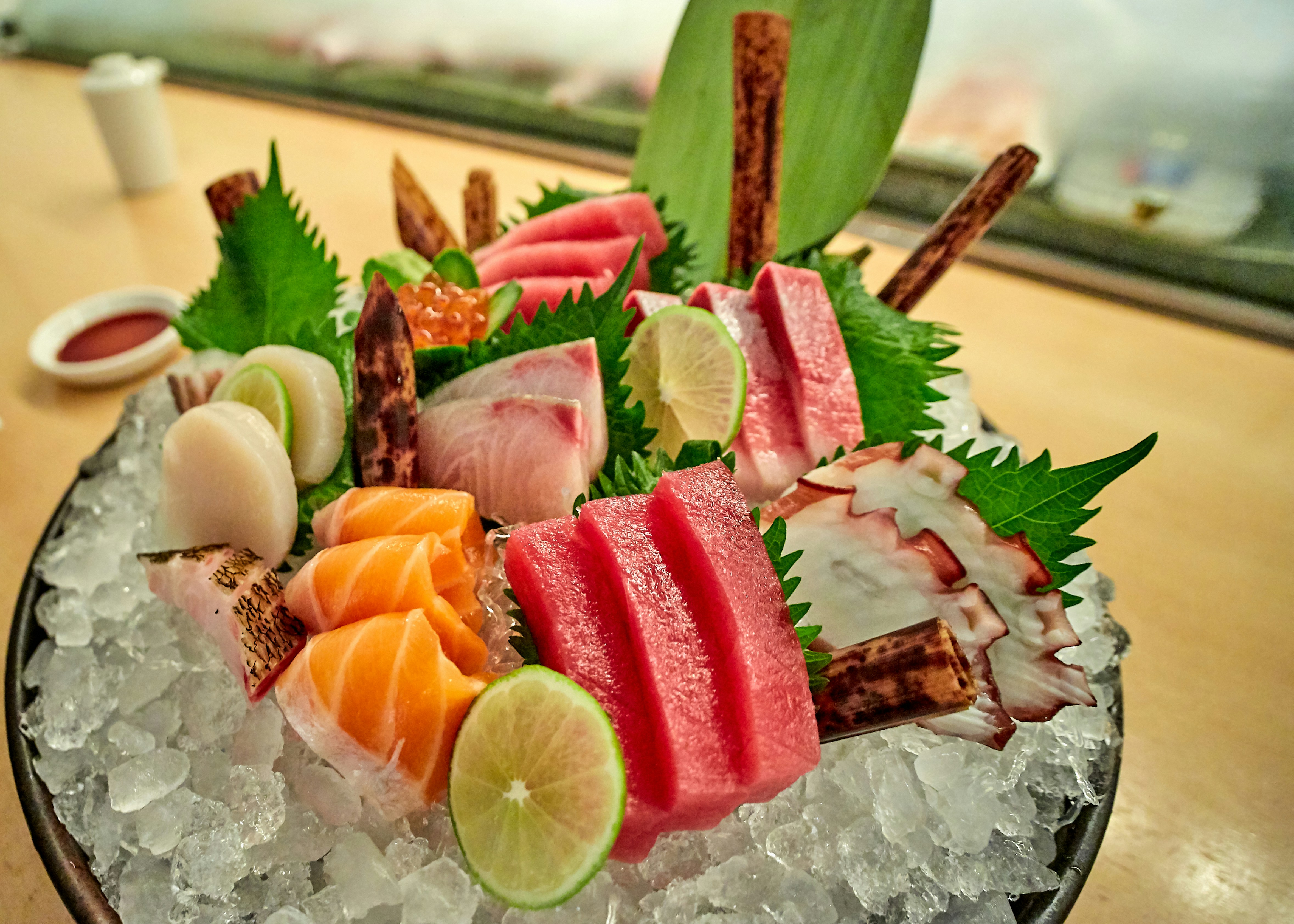
Japan is an island nation with a hyper-efficient, culturally ingrained seafood infrastructure. The journey from the ocean to the plate is incredibly short. More importantly, the standards for fish categorized as "sashimi-grade" are legally distinct and ruthlessly enforced. When fish is caught, it is subjected to immediate, deep-freeze protocols. Flash-freezing is a critical step. By rapidly dropping the core temperature of the fish to -20°C (-4°F) or lower for several days, all parasites are destroyed. This includes anisakis, a common marine worm that causes severe gastrointestinal distress.
In contrast, the Western seafood supply chain is vastly different. While the FDA does have freezing guidelines for fish intended for raw consumption, the enforcement and handling standards vary wildly. The fish at your local mid-tier sushi restaurant or grocery store counter has likely passed through multiple distributors. It may have experienced slight temperature fluctuations during transport. Every hour it spends in a transit truck or a display case increases the risk of bacterial replication. You simply cannot compare the microbiological profile of fish purchased at the Tsukiji Outer Market with fish purchased at a landlocked American grocery store. The foundational safety guarantees are entirely different.
Listeria Versus Parasites: Understanding the Dual Threat
To really understand why clinical guidelines differ, we have to separate the biological threats into two categories. There are parasites, and there is bacteria.
Parasites, like tapeworms or anisakis, are living organisms. They are easily killed by the strict flash-freezing protocols we just discussed. If a restaurant serves properly handled, previously frozen fish, the parasite risk is essentially zero. This is why Japanese women can eat high-quality sashimi with confidence. The freezing process handles the parasite problem.
Bacteria, however, is a completely different beast. The primary bacterial threat during pregnancy is Listeria monocytogenes. Listeria is terrifying because it thrives in cold environments. Refrigeration does not kill it. Freezing does not kill it. It just goes dormant. If a piece of raw fish becomes contaminated with Listeria during processing, slicing, or handling, the bacteria will survive right up until the moment you eat it. Listeria can cross the placenta. It can cause severe fetal complications or late-term pregnancy loss.
Because raw fish cannot be subjected to a "heat kill" step before consumption, any cross-contamination on a prep counter or a chef's knife is transferred directly to the diner. In Japan, the intense cultural focus on sanitation and hyper-fresh turnover minimizes this risk. In Western restaurants, where turnover is slower and cross-contamination is more common, the risk spikes. This is why the ACOG and the FDA maintain a blanket ban on raw seafood for expectant mothers. The statistical risk of a Listeria outbreak is simply too high when you lack a perfect supply chain.
Hidden Menu Traps: The Condiment Danger Zone
Even if you decide to order a cooked roll, you must navigate the hidden traps on the menu. Sushi is rarely eaten plain. It is drenched in sauces, dips, and garnishes. Many of these condiments harbor their own distinct safety risks.
Let us talk about soy sauce. Standard soy sauce is incredibly high in sodium. A single tablespoon contains almost 1,000 milligrams of sodium. During pregnancy, your blood volume doubles. Excessive sodium intake can exacerbate edema (swelling in the hands and feet) and contribute to elevated blood pressure. Always ask for low-sodium soy sauce and use it sparingly.
Next, consider the sauces. Spicy mayo is often made with commercial mayonnaise, which is safe if pasteurized, but it is highly caloric. Eel sauce (unagi sauce) is a thick, sweet glaze made from soy sauce, sugar, and mirin (a Japanese rice wine). Because mirin contains alcohol, you should ensure the sauce has been properly cooked down to evaporate the alcohol content. Finally, we have to look at the garnishes. Tobiko and masago are the tiny orange fish eggs often sprinkled on top of rolls. These eggs are completely raw. They are almost never cooked. If you order a cooked shrimp tempura roll, but it is covered in raw tobiko, the roll is no longer pregnancy-safe. For a deep dive into these specific ingredients, read our guide to hidden sushi ingredients.
How to Eat Sushi Safely During Pregnancy
So, where does this leave you? You cant fly to Tokyo for dinner. But you dont have to avoid sushi restaurants for nine months. You simply need to pivot your ordering strategy. You must become an expert at identifying safe, fully cooked options.
The Shrimp Tempura Roll: This is a massive favorite. The shrimp is battered and deep-fried at incredibly high temperatures. This acts as a perfect heat-kill step for both bacteria and parasites. As long as it is not garnished with raw fish roe, it is a fantastic, crunchy, satisfying option.
The California Roll: The classic California roll is made with imitation crab (surimi). Surimi is a paste made from finely minced, cooked white fish (usually pollock). Because it is fully cooked and pasteurized during manufacturing, it is entirely safe. It also contains zero mercury. Just ensure the roll is not topped with raw tobiko.
The Eel (Unagi) Roll: Unagi is always served cooked. It is typically grilled or broiled before being added to the roll. It has a rich, savory flavor that mimics the density of raw fish perfectly. It is a brilliant option for satisfying a deep sushi craving.
Vegetarian Options: Sweet potato tempura rolls, cucumber rolls, and avocado rolls are excellent choices. They provide the familiar texture of the nori (seaweed) and vinegared rice without any of the seafood risks. They are also packed with fiber and healthy fats.
If you need a comprehensive list of every safe option you can order at your local restaurant, bookmark our master guide to pregnancy-safe sushi.
The Bottom Line on the Cultural Myth
The next time you see someone online claiming that raw fish is perfectly fine because "Japanese women eat it," you will know the full story. Yes, they do. But they are operating within a completely different paradigm. They have access to a legally enforced, culturally obsessive seafood supply chain. They rely on immediate flash-freezing and hyper-sanitary handling. Even then, they still adhere to strict clinical limits regarding high-mercury fish.
Living in the West means operating under different logistical constraints. The distance from the ocean to your plate is longer. The temperature variables are higher. The cross-contamination risks at a standard restaurant are statistically significant. Your OB is not trying to ruin your Friday night. They are looking at the reality of the Western supply chain and the devastating potential of a Listeria infection. Stick to the cooked rolls. Enjoy your shrimp tempura. Track your mercury intake. And leave the raw sashimi until after your baby arrives safely.
Confused at the Sushi Counter?
Trying to decipher a massive menu while pregnant is stressful. You dont have to guess. Download the PregnancyPlate App today. Our searchable database instantly flags safe, cooked rolls, calculates your weekly mercury limits, and alerts you to hidden raw garnishes so you can enjoy your meal with total peace of mind.
Sources
- Japanese Ministry of Health, Labour and Welfare, Boshi Kenko Techo (Maternal and Child Health Handbook) Guidelines (2025).
- American College of Obstetricians and Gynecologists (ACOG), Nutrition and Seafood Safety During Pregnancy (2024).
- U.S. Food and Drug Administration (FDA), Advice about Eating Fish for Women Who Are or Might Become Pregnant (2023).
- Centers for Disease Control and Prevention (CDC), Listeria (Listeriosis) and Pregnancy Risk Factors (2024).
Meet the Editorial Team
The researchers and experts behind PregnancyPlate.

Fiza Izra
Founder & Tech Researcher
A UK-based mother of 3 with a background in tech and data synthesis, Fiza brings real-world experience navigating hyperemesis gravidarum and postnatal depression. She engineers complex clinical guidelines (NHS, ACOG) into accessible tools, ensuring rigorous fact-checking with deep empathy.

Emma Davies
Senior Nutrition Editor
A mum and writer, Emma runs our food safety desk. She is the one who rings the restaurant to ask how long the lettuce sits out, checks every claim against CDC, FDA and NHS guidance, and rewrites the answer until it is usable at 9pm in a drive-thru queue.