Pregnancy-Safe Sandwiches: The Ultimate Guide to Deli Meats, Cheeses, and Chain Orders
Craving a sandwich but worried about deli meat? We audit the Listeria risk, safe heating protocols, pasteurised cheeses, and major sub chain menus.
In this article
Editorial note: This article is researched from official public health and pregnancy food safety guidance, then edited by the PregnancyPlate team for clarity. It is not medical advice. If you are worried about symptoms or a specific exposure, contact your midwife, GP or healthcare provider.
Quick Answer: Good news! You do not have to give up sandwiches for nine months. Most sandwiches are perfectly safe and highly nutritious if you follow a few basic safety rules. Cold deli meats (like turkey, ham, and roast beef) carry a small risk of Listeria and should be heated until steaming hot, which means an internal temperature of 165°F (74°C). Most hard cheeses and pasteurised soft cheeses are completely safe, but you should skip raw sprouts entirely due to contamination risks.
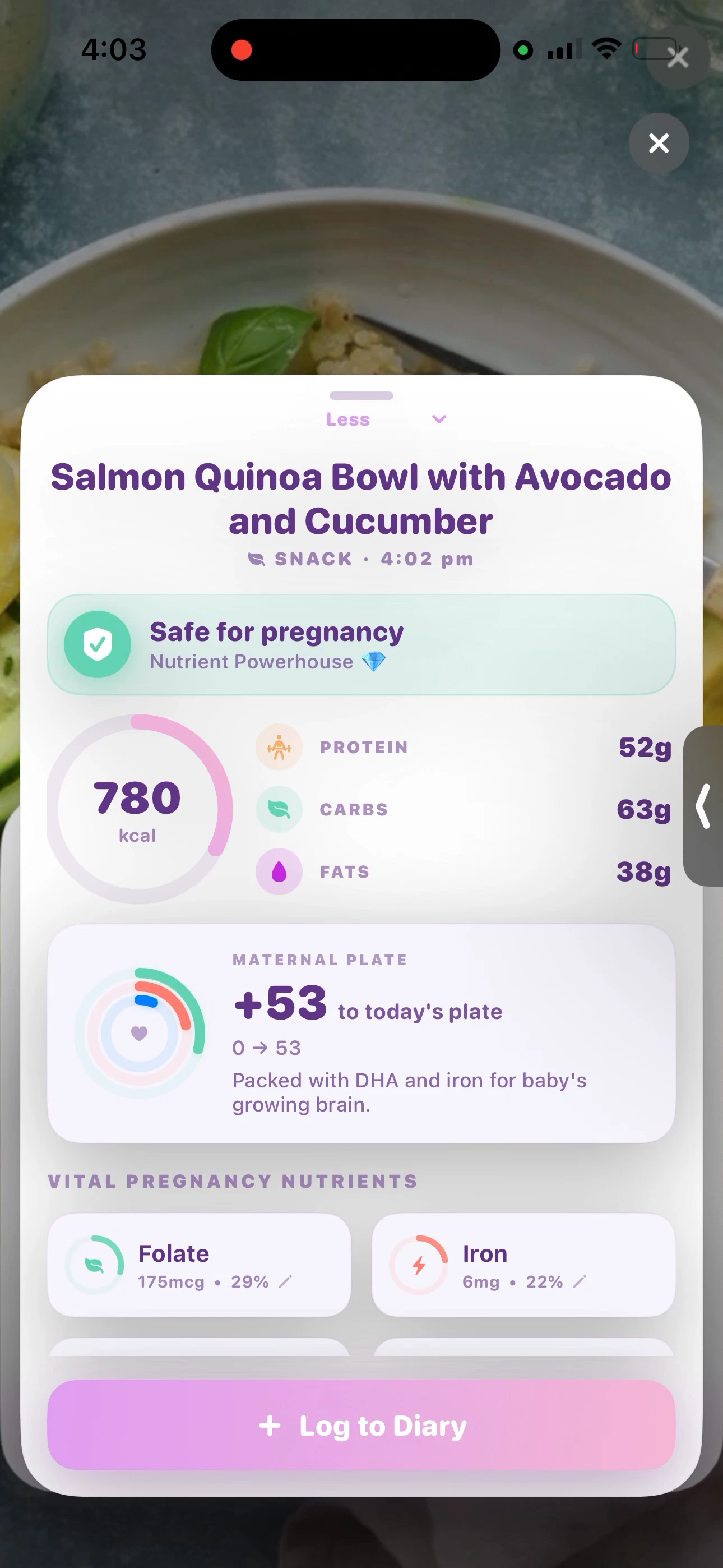
Track Your Prenatal Food Safety with PregnancyPlateYour next meal, a little less guesswork.
Scan your plate for pregnancy food-safety guidance and a nutrition breakdown. Keep your meals and nutrient progress in one place.
 Scan with your iPhone
to get the app
If you are anything like me, a simple sandwich is the ultimate comfort food. It is quick, easy, and let's face it, sometimes it is the only thing that actually sounds good when you are dealing with pregnancy fatigue or morning sickness. But the moment you see those two blue lines, the humble sandwich suddenly feels like a nutritional minefield. You have probably heard the warnings: "No deli meat while pregnant." But does that mean you have to survive on boring lunches for nine whole months?
The short answer is a reassuring no. By understanding the actual risks, learning a couple of simple heating tricks, and knowing how to navigate restaurant menus, you can safely enjoy sandwiches throughout your pregnancy. I have spent hours analysing the latest food safety guidelines so you do not have to stress. In this guide, we will break down the real science behind Listeria, look at how to heat your meats safely, check which cheeses are fine, and go through a clear audit of Subway, Jersey Mike's, and Jimmy John's.
Let's Talk About Listeria: What is the Real Risk?
The big reason doctors tell us to avoid cold deli meats is a bacterium called Listeria monocytogenes. Now, I want to reassure you: listeriosis is incredibly rare. You are not walking around in constant danger. But it is something we need to take seriously during pregnancy. According to the Centers for Disease Control and Prevention (CDC), pregnant women are about 10 times more likely to get a Listeria infection than the general population. This is because your immune system naturally dials down during pregnancy. It is a beautiful design that stops your body from rejecting your growing baby, but it also leaves you a little more vulnerable to foodborne bugs.
While standard food poisoning might just mean a miserable weekend for a healthy adult, Listeria is different because it can cross the placenta. This means it can pose serious risks to your baby, including premature delivery or infection. What makes Listeria particularly pesky is that it is a hardy little bug. Unlike other bacteria (such as Salmonella or E. coli), Listeria can survive and even grow slowly in the cold refrigerator. A standard fridge does not stop it; it only slows it down.
But here is the best part: Listeria is easily killed by heat. That is why the FDA and the American College of Obstetricians and Gynecologists (ACOG) agree that deli meats are safe to eat as long as they are heated until they are steaming hot.
The "Steaming Hot" Rule: How to Heat Your Meats Safely
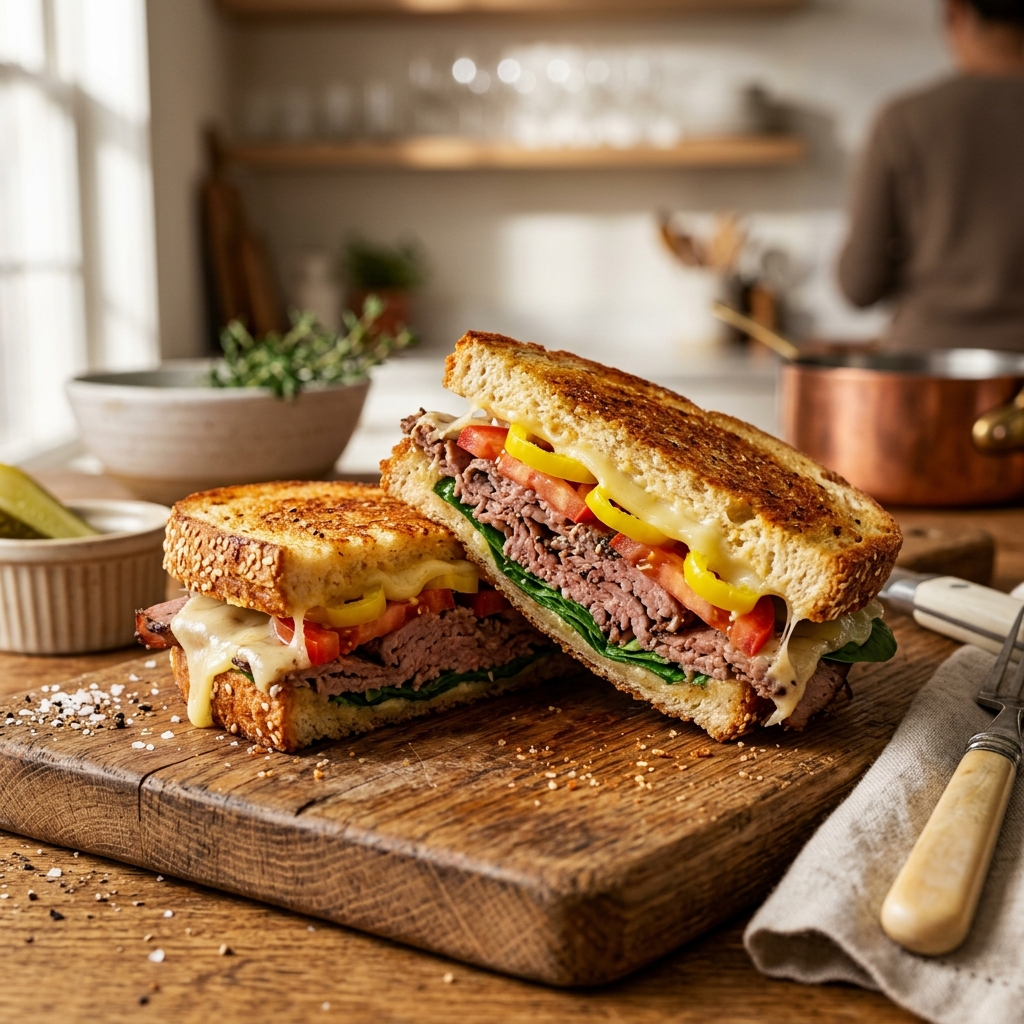
So, what does "steaming hot" actually look like in real life? Technically, we are looking for an internal temperature of at least 165°F (74°C). But since you probably do not want to poke a meat thermometer into a thin slice of turkey, think of it this way: sizzling is the keyword. You want to see actual steam rising from the meat before it goes on your bread.
It is important to know that a quick toast in a restaurant oven usually is not enough. Most sandwich shop toasters are designed to crisp the bread and melt the cheese in about 15 seconds, but they do not heat the cold meat stack in the centre to a safe temperature. If you want to make a sandwich at home, you have a few easy, fuss-free options:
- The Skillet Steam: Place your deli meat slices directly in a hot pan with a tiny splash of water. Cover it with a lid and let it steam for 1 to 2 minutes. The meat comes out hot, juicy, and completely safe, not dry and rubbery.
- The Microwave Wrap: Wrap your deli slices in a damp paper towel and microwave them on high for 30 to 45 seconds. Check that the meat is steaming hot throughout before putting it on your bread. Avoid quick, short runs that leave cold spots.
- The Oven Bake: If you are making a baked sandwich (like a homemade panini), bake it at 375°F (190°C) for at least 10 minutes to ensure the heat reaches all the way to the centre.
For more details on heating times and restaurant protocols, read our Subway Toasted Sub Audit.
What About Nitrates and Preservatives?
Beyond the bacterial risk, a lot of mums ask me about the preservatives in deli meats. Traditional deli meats like ham, pepperoni, and bacon are cured using sodium nitrites and nitrates. These compounds keep the meat pink and prevent bad bacteria, but they are also a hot topic in pregnancy nutrition.
Under high heat, nitrites can form compounds called nitrosamines, which we want to limit. Some research also suggests that high consumption of nitrates is associated with an increased risk of pregnancy swelling and blood pressure spikes. Furthermore, nitrates can slightly interfere with the blood's ability to carry oxygen, which is a concern when your body is already working overtime to produce extra blood to support your baby.
If you love sandwiches and eat them often, my recommendation is to buy "Uncured" or "Nitrate-Free" deli meats. They use natural preservatives like celery juice or sea salt instead. While they still carry the same Listeria risks if eaten cold and must be heated to 165°F, they eliminate the chemical concerns of synthetic preservatives. Brands like Applegate and Boar's Head make fantastic uncured options that are easy to find in the grocery store.
The Cheese Guide: What's Safe and What's Not
A good sandwich needs cheese, but the cheese aisle can feel a bit overwhelming when you are pregnant. The concern here is once again Listeria, which loves soft, moist, low-acid environments like raw, unpasteurised cheeses. Fortunately, navigating this is much simpler than it looks, and you have plenty of delicious options.
Safe Cheeses (Green Light)
- Hard Cheeses: Cheddar, Swiss, Provolone, Gouda, Parmesan, and Monterey Jack are complete green lights. Because they have very little moisture, bacteria cannot easily grow in them. Even if they are made from raw milk, the long aging process kills off pathogens. You can eat these cold with zero worries.
- Pasteurised Soft Cheeses: Commercial cream cheese, cottage cheese, mozzarella, ricotta, and pasteurised feta are safe to eat. In the UK and the US, almost all commercial soft cheeses sold in supermarkets are pasteurised by law. Just check the ingredient list for the words "pasteurised milk." For a detailed look, read our Ultimate Halloumi and Feta Guide.
Caution Cheeses (Yellow Light)
- Mould-Ripened Cheeses: Mould-ripened cheeses require a bit of care. Brie, Camembert, Gorgonzola, and Roquefort fall into this yellow-light category. Even if they are pasteurised, their moist, low-acid texture makes it easier for bacteria to grow if contaminated after pasteurising. The safest rule is to only eat these if they are baked or cooked until bubbling hot. For more details, see our Brie Safety Audit.
Avoid Cheeses (Red Light)
- Unpasteurised Soft Cheeses: Any soft cheese made from raw, unpasteurised milk should be skipped. This includes authentic, artisanal Mexican cheeses (like Queso Fresco or Cotija) and raw milk cheeses from local farm stands. If it does not explicitly state "pasteurised" on the label, it is best to skip it. Queso fresco is the exception to the label rule: the FDA advises pregnant women to avoid queso fresco-type cheeses even when pasteurized, unless they are cooked until steaming. If you accidentally ate unpasteurised cheese, do not panic, just follow the steps in our guide: I Ate Unpasteurized Cheese - What to Do?.
Condiments and Toppings: The Hidden Details
Once your bread, heated meat, and pasteurised cheese are ready, let's talk toppings. There are a couple of hidden details here that catch many mums-to-be off guard:
Is Mayonnaise Safe?
You might have heard that mayonnaise is risky because it is made with raw eggs, which can carry Salmonella. However, this is only true for homemade mayo. Every commercial jar of mayo on the grocery store shelf (like Hellmann's, Duke's, or Kraft) uses pasteurised liquid eggs, making them completely safe. In fact, commercial mayo is highly acidic, which actually makes it hostile to bacteria. You can spread it on your sandwich with total confidence. Just avoid scratch-made, artisanal mayo or aioli at fancy restaurants unless they confirm they use pasteurised eggs. For a full breakdown, read our Mayonnaise Safety Guide.
The Real Danger: Raw Sprouts
While vegetables are great, raw sprouts (like alfalfa, clover, or radish sprouts) are a different story. They are actually one of the highest-risk produce items in the food industry. The seeds need warm, humid conditions to grow, which is exactly the environment bacteria need to multiply. Because the bacteria can get inside the seed itself, washing them does not make them safe. It is best to skip sprouts entirely until after your baby is born.
Tomatoes and Lettuce
Tomatoes and lettuce add a great crunch, but they can carry soil bacteria. Wash all produce thoroughly under cold water before slicing. When eating out, stick to busy, clean sandwich shops where the salad bins are kept fresh and cold.
How to Order at Subway, Jersey Mike's, and Jimmy John's
If you find yourself standing in line at a sandwich shop, here is your quick cheat sheet to ordering safely and stress-free. You do not have to feel awkward asking for these tweaks; sandwich shop staff are used to customising orders!
Subway: Ask for a Double Toast
Subway is highly standardised. All of their cheeses are pasteurised, and their mayo is safe. However, their meats sit in a cold case. To eat safely, order your sub toasted. Since a standard quick toast might not heat the centre of the meat completely, ask the staff to toast the meat and cheese on the bread twice. Most sandwich artists are happy to run it through again. For a complete guide, read our Subway Deep-Dive Audit.
Jersey Mike's: Use the Grill
Jersey Mike's slices their meat fresh for every sub, which is delicious, but the slicer itself is a potential cross-contamination point. Fortunately, Jersey Mike's has a flat-top grill. When ordering a cold sub like turkey or roast beef, simply ask the staff to heat the meat and cheese on the grill until it is sizzling hot. It takes less than a minute, and it completely eliminates the risk. Read our full audit: Jersey Mike's Safety Audit.
Jimmy John's: Safe Swaps
Jimmy John's is super fast, but they slice their meat in batches and serve it cold. Since they do not have hot grills, cold-cut subs are not recommended. However, you can still order safely by choosing their cooked or vegetarian options:
- The Tuna Salad Sub: Canned tuna is fully cooked during the canning process, making it safe from Listeria. Jimmy John's uses commercial pasteurised mayo, so their tuna salad is safe. Just limit tuna to 1 to 2 times a week to keep your mercury intake low.
- The Vegetarian Option: Swap the meat for extra avocado spread and cheese. Just make sure to request no sprouts, as sprouts are a staple of many Jimmy John's sandwiches.
For a side-by-side comparison, read our guide: Jersey Mike's vs. Jimmy John's Safety Audit.
Your Safe Sandwich Checklist
✅ Safe Sandwich Checklist
- Uncured Meats: Choose organic, nitrate-free options when shopping.
- Heat Until Sizzling: Steam or skillet-heat your meat to 165°F.
- Pasteurised Dairy: Ensure soft cheeses are made from pasteurised milk.
- Wash Your Veggies: Wash lettuce and tomatoes thoroughly before prep.
- Skip the Sprouts: Avoid raw alfalfa and clover sprouts entirely.
- Keep it Clean: Wash hands and cutting boards to prevent cross-contamination.
- The 2-Hour Rule: Eat your sandwich immediately or keep it chilled. Do not let it sit in a warm lunchbox for hours.
The Nutritional Perspective: Fueling Your Trimester
When made safely, a sandwich is not just a convenient lunch, it is a fantastic, balanced meal for you and your baby. By choosing the right ingredients, you can pack a ton of essential nutrients into one simple meal:
- Whole-Grain Bread: Sourdough, whole wheat, or rye bread provides complex carbs for energy and B-vitamins like folate. The fibre also helps manage pregnancy constipation.
- Lean Protein: Heated turkey or roast beef deliver the amino acids your body needs to build fetal tissue. Roast beef is also rich in iron, which helps prevent pregnancy fatigue and anaemia.
- Healthy Fats: Sliced avocado or a spread of hummus provide monounsaturated fats that support your baby's brain and eye development.
- Fresh Veggies: Tomatoes, spinach, and bell peppers provide Vitamin C, which helps your body absorb the iron in your bread and meat.
Ordering at a roast beef chain? Our Arby's pregnancy guide explains why roast beef that's cooked in the restaurant and sliced warm is a different case from cold deli roast beef.
Conclusion: Savor the Sandwich
There is no need to dread the lunch menu. While Listeria is a real concern, the solution is simple: heat. By heating your deli meats until sizzling, choosing pasteurised cheeses, skipping raw sprouts, and asking for grilled options at restaurants, you can enjoy delicious, comforting sandwiches with absolute peace of mind. Savor your lunch, drink plenty of water, and keep tracking your meals on the PregnancyPlate app!
Sources
- Centers for Disease Control and Prevention (CDC), Listeria (Listeriosis) Prevention Guidelines (2024).
- American College of Obstetricians and Gynecologists (ACOG), Women's Health FAQ and Resources (2024).
- U.S. Food and Drug Administration (FDA), Food Safety for Pregnant Women (2023).
- Journal of Food Protection, Thermal inactivation of Listeria monocytogenes in ready-to-eat deli meats (2018).
Unsure About a Sandwich Ingredient?
Your baby's safety is your top priority. Don't leave it to guesswork. Download the PregnancyPlate App today. Our built-in "Food Safety Scanner" lets you scan barcodes or search menu items to instantly check pasteurisation and cooking temps, helping you dine safely throughout all three trimesters.
Meet the Editorial Team
The researchers and experts behind PregnancyPlate.

Fiza Izra
Founder & Tech Researcher
A UK-based mother of 3 with a background in tech and data synthesis, Fiza brings real-world experience navigating hyperemesis gravidarum and postnatal depression. She engineers complex clinical guidelines (NHS, ACOG) into accessible tools, ensuring rigorous fact-checking with deep empathy.

Emma Davies
Senior Nutrition Editor
A mum and writer, Emma runs our food safety desk. She is the one who rings the restaurant to ask how long the lettuce sits out, checks every claim against CDC, FDA and NHS guidance, and rewrites the answer until it is usable at 9pm in a drive-thru queue.
Make sense of every plate.
Scan your plate for pregnancy food-safety guidance and a nutrition breakdown. Keep your meals and nutrient progress in one place.
Scan with your iPhoneto get the app