Frozen Yogurt (Froyo) vs. Ice Cream During Pregnancy: The Listeria Safety Guide
Battling heat and cravings? We audit the Listeria risks of soft-serve machines, the probiotic benefits of Froyo, and why hard-scoop ice cream is the gold standard for pregnancy safety.
In this article

Editorial note: This article is researched from official public health and pregnancy food safety guidance, then edited by the PregnancyPlate team for clarity. It is not medical advice. If you are worried about symptoms or a specific exposure, contact your midwife, GP or healthcare provider.
The Chilled Dessert Audit: When the pregnancy cravings hit, a cold, creamy dessert is often the only thing that will suffice. But the debate between Frozen Yogurt and Ice Cream isn't just about calories - it's about Microbial Safety and the hidden risks of Soft-Serve Machinery.
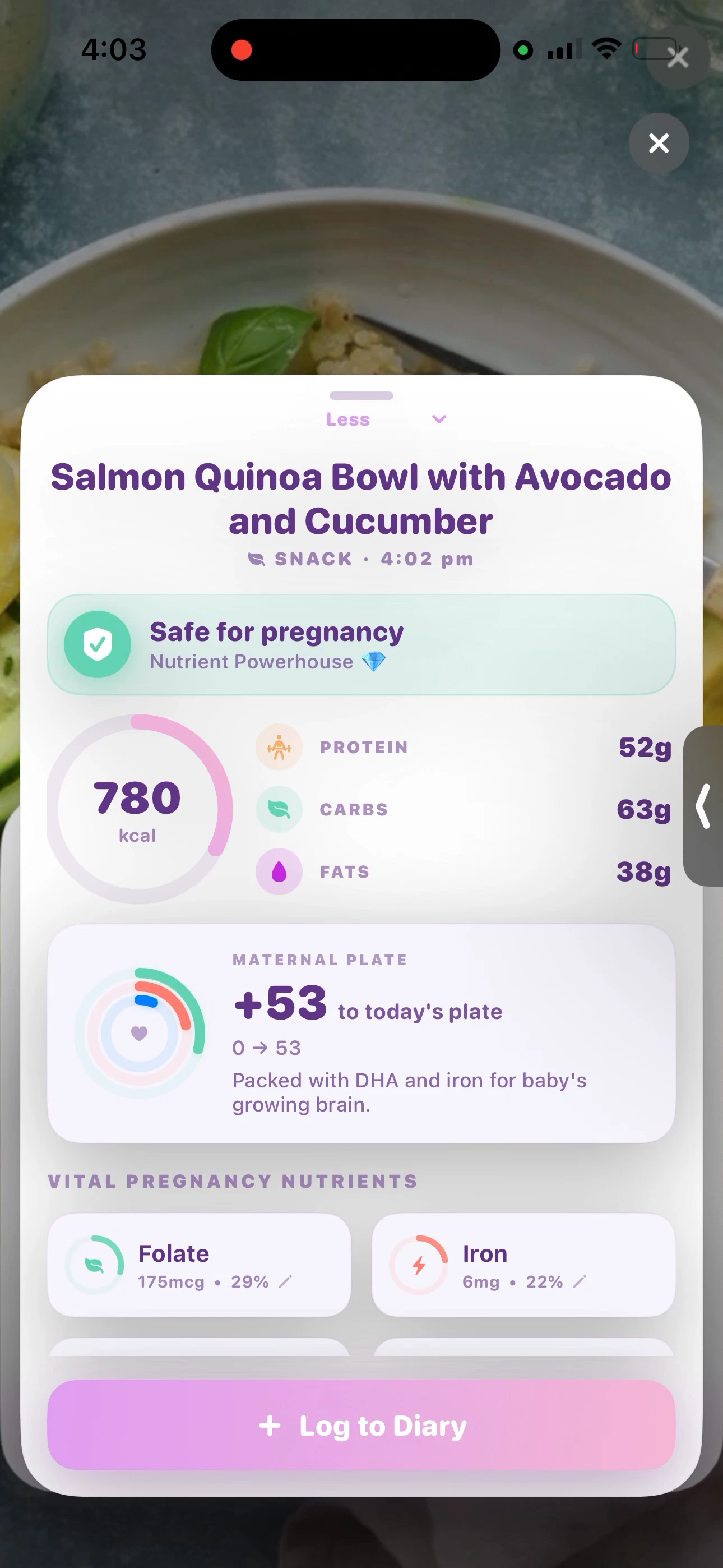
Track Your Pregnancy Sugar Intake on PregnancyPlateYour next meal, a little less guesswork.
Scan your plate for pregnancy food-safety guidance and a nutrition breakdown. Keep your meals and nutrient progress in one place.
 Scan with your iPhone
to get the app
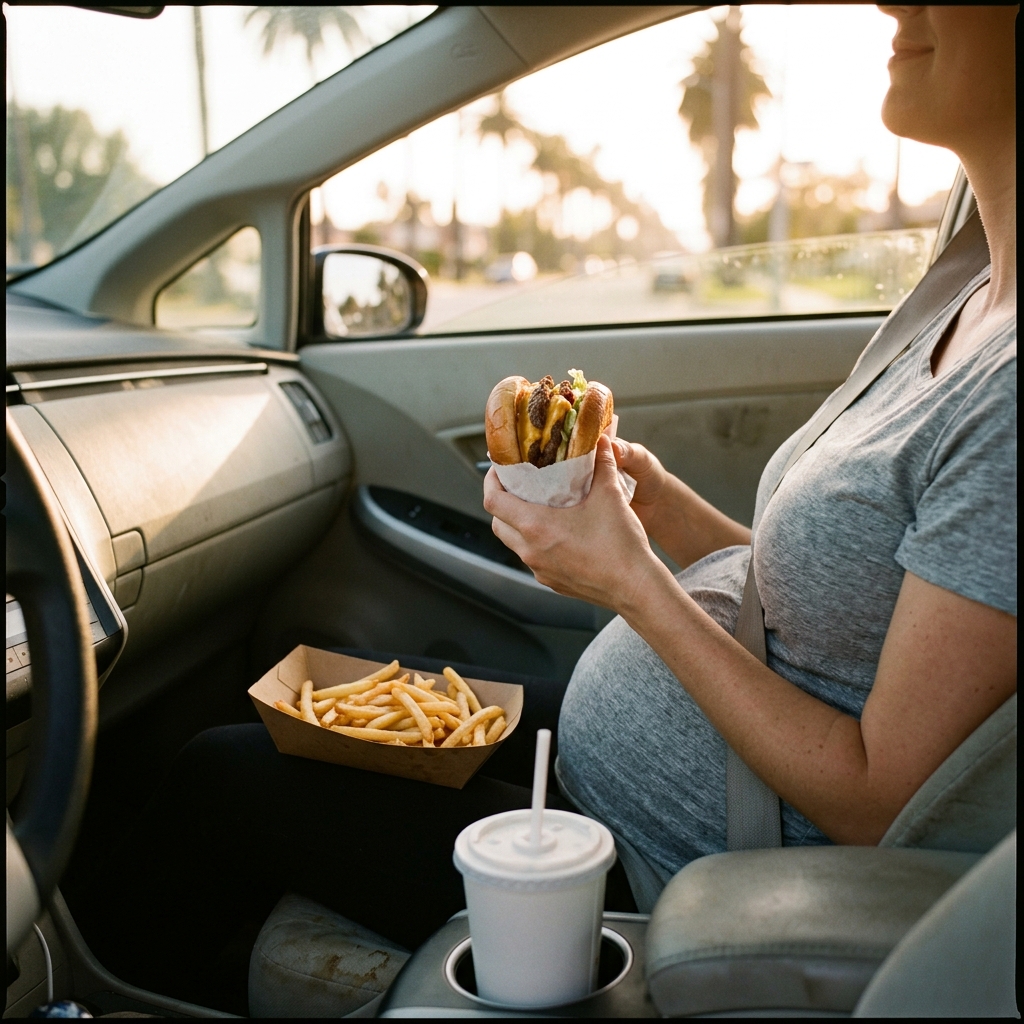
Throughout the 40 weeks of gestation, a woman's body undergoes a massive shift in core temperature and metabolic demand. This frequently manifests as intense cravings for cold, high-fat, or high-sugar foods. Whether you're battling first-trimester nausea (where cold foods are often the only thing that stays down) or third-trimester heat (where internal body temperatures rise significantly), ice cream and frozen yogurt are staples of the maternal diet. However, for an expectant mother in 2026, the question "Is this safe?" is paramount. While both desserts are made from pasteurized milk, the delivery method - specifically the soft-serve machines found in many Froyo shops and fast-food outlets - introduces a unique clinical variable: Listeria monocytogenes.
The Soft-Serve Machine: A Clinical Danger Zone
The primary difference between standard ice cream and "Froyo" isn't just the fat content - it's the machinery. Soft-serve machines are complex, multi-part systems that require daily, rigorous cleaning. Unlike hard-scoop ice cream which is frozen at extremely low temperatures that inhibit bacterial growth, soft-serve is maintained at a "temperate" cold - cold enough to stay soft, but warm enough that Listeria can potentially survive if the sanitation protocols are even slightly missed.
The Biofilm Risk: Listeria is a "biofilm-forming" bacterium. This means it can create a protective, sticky layer inside the internal valves and pipes of a soft-serve machine. Once a biofilm is established, standard surface cleaning won't remove it. In 2026, we suggest only consuming soft-serve from high-volume establishments with a visible 100% health rating. Listeria is particularly dangerous because it can cross the placental barrier, potentially leading to complications like preterm labor or infection of the fetus. This bacterium is remarkably resilient, capable of surviving and even growing in refrigerated temperatures where other pathogens would remain dormant. The refrigeration of the soft-serve base (before it is even churned) must be held strictly below 40°F (4°C) to prevent initial bacterial colonization.
Cryo-Protection and Texture: The Science of Dairy Fat
Ice cream's high fat content (at least 10% milkfat) actually acts as a natural stabilizer. In frozen yogurt, which is often low-fat or fat-free, manufacturers must use "stabilizers" like guar gum, locust bean gum, or carrageenan to prevent large ice crystals from forming. While these are safe, some expectant mothers find that high levels of these gums can exacerbate pregnancy bloating and gas. If your gut is sensitive, a premium hard-scoop vanilla with a simple ingredient list (cream, milk, sugar, eggs) is often the more "digestive-friendly" choice. The fat in ice cream also slows down the absorption of sugar into the bloodstream, preventing the sharp insulin spikes that can be problematic for women managing gestational diabetes.
Probiotics: The Frozen Yogurt Advantage
Frozen yogurt's primary health claim is its probiotic content. During pregnancy, your gut microbiome undergoes significant changes, often leading to constipation or slow motility. Probiotics like Lactobacillus bulgaricus and Streptococcus thermophilus can help maintain a healthy digestive balance. However, the freezing process can sometimes "stun" these bacteria. To ensure you're getting the benefits, check for the "Live & Active Cultures" seal. In 2026, many high-end brands use cryo-tolerant strains of probiotics that remain active even at sub-zero temperatures, providing a dual benefit of craving satisfaction and digestive support. This is especially helpful for maintaining the vaginal microbiome, which is critical for a healthy birth canal environment. A healthy microbiome also supports the mother's immune system, which is naturally suppressed during pregnancy to protect the fetus.
The Sugar Alcohol Audit: Erythritol and Xylitol
Many "diet" frozen yogurts use sugar alcohols like Erythritol or Xylitol to keep the calorie count low. While these are generally recognized as safe by the FDA, they can cause significant gastrointestinal distress (bloating and diarrhea) in pregnant women. This is due to the way sugar alcohols pull water into the colon (osmotic effect). Dehydration during pregnancy is a primary risk factor for Braxton Hicks contractions. If you are already prone to digestive sensitivity, we clinically recommend real sugar in moderation rather than high-dose artificial sweeteners. If you must use a sweetener, Stevia is often better tolerated, though its impact on the gut microbiome is still being studied in 2026. Furthermore, some sugar alcohols can trigger a migraine in susceptible individuals, and since many pregnancy-safe migraine medications are limited, it's best to avoid these triggers entirely.
Artisanal vs. Commercial Sourcing
In 2026, the "Artisanal" movement is thriving, with many local shops making ice cream in small batches. While the quality is often higher, you must verify that they are using Pasteurized Eggs. Traditional French-style custards often use raw egg yolks which are then heated, but if the temperature isn't monitored with a clinical-grade thermometer, Salmonella remains a risk. Commercial brands (like Ben & Jerry's or Häagen-Dazs) are much more strictly regulated and use fully pasteurized liquid egg products, making them the safer bet for expectant mothers. If you are at a local shop, don't be afraid to ask: "Is your base made with pasteurized eggs?" This is a standard safety question that any high-quality establishment should be able to answer with confidence.
Temperature Management: The "Melt-Freeze" Cycle
Bacteria thrive in the "Danger Zone" between 40°F and 140°F. If your ice cream melts on the way home from the grocery store and you then re-freeze it, you are potentially trapping high levels of bacteria inside the tub. Re-freezing doesn't kill bacteria; it just puts them into stasis. When you thaw the ice cream again to eat it, the bacteria "wake up" and multiply rapidly. Always use an insulated bag for your frozen purchases and discard any dessert that has spent more than 30 minutes at room temperature. This is a non-negotiable safety rule for 2026 maternal health. Furthermore, the texture of the ice cream will suffer - large, jagged ice crystals will form, making the experience less enjoyable and signaling that the product has been temperature-compromised.
Toppings: The Hidden Contamination Point
In self-serve Froyo shops, the topping bar is often a higher risk than the frozen yogurt itself. Open bins of fruit, nuts, and candies are subject to cross-contamination. Raw, unwashed fruit can carry Toxoplasmosis or Salmonella. If the fruit at the Froyo shop looks like it has been sitting in its own juices for hours at room temperature, skip it. Dry, pre-packaged toppings like chocolate chips or pretzels are generally the safest option as they don't support bacterial growth as easily as moist fruit. We also recommend avoiding the "syrup" pumps if they look sticky or uncleaned, as sugar residue is a magnet for environmental bacteria.
Managing Cravings and Brain Health
There is a biological reason for ice cream cravings: your brain needs the quick energy of glucose and the slow energy of dairy fats to manage the cognitive load of pregnancy. However, excessive sugar can lead to "brain fog" and energy crashes. We recommend pairing your chilled dessert with a handful of walnuts. The Omega-3s in the walnuts provide a "Satiety Anchor," slowing down the absorption of the sugar and providing the DHA needed for your baby's brain development. This makes your treat a functional part of your prenatal nutrition plan. Furthermore, the calcium in the dairy supports the baby's bone development and the mother's cardiovascular health, as calcium plays a role in regulating blood pressure.
Global Health Guidelines: FDA vs. NHS
When looking at frozen treats, international guidelines vary slightly but share a common core of safety. The US FDA emphasizes the pasteurization of all dairy products, whereas the UK's NHS specifically warns against "soft-serve" ice cream from machines if the hygiene standards are unknown. In 2026, global consensus suggests that the safest way to consume these treats is in their pre-packaged, hard-frozen form. This eliminates the "human element" of machine cleaning and ensures that the product was handled in a sterile, industrial environment. If you are traveling during your pregnancy, always opt for sealed, branded ice cream bars rather than local soft-serve stalls.
The Psychological Benefit of Indulgence
We cannot overlook the emotional aspect of eating. Pregnancy is a period of intense physical and psychological stress. A safe, delicious treat can provide a much-needed "dopamine hit" that helps manage the anxieties of expectant motherhood. When you know the science behind your food, that anxiety is replaced with empowerment. You aren't just "eating ice cream" - you are making an informed choice to satisfy a craving while protecting your baby's health. This mindset of "clinical confidence" is what we strive for at PregnancyPlate.
Summary: The 2026 Dessert Safety Audit
- Gold Standard: Hard-scoop tub ice cream (lowest bacterial risk).
- Silver Standard: High-volume soft-serve from clean, reputable shops.
- Red Flag: Raw-milk artisanal ice cream or low-volume buffet machines.
- Probiotic Tip: Look for the "Live & Active Cultures" seal for gut support.
- Safety Rule: Never re-freeze melted ice cream. Discard after 30 mins at room temp.
- Nutrition Hack: Add walnuts or almonds to anchor the sugar and provide DHA/Healthy Fats.
Your 40 weeks should be a time of discovery and delight. By applying these high-authority clinical filters, you can enjoy the cooling relief of ice cream and the probiotic punch of frozen yogurt with total confidence. Stay cool, stay safe, and remember to log your daily sugar intake on the PregnancyPlate app to keep your health on track.
Postpartum Note: Frozen yogurt can be a surprisingly effective postpartum recovery food. The combination of protein for tissue repair and probiotics to reset the digestive system after delivery makes it an ideal snack for the 'Fourth Trimester.' Furthermore, the cold temperature can be soothing if you are managing low-grade inflammation or hormonal night sweats during the first weeks of lactation.
In 2026, we also look at the role of Dairy-Derived Peptides. Ice cream and frozen yogurt are not just sources of calcium; they contain specific peptides that have been shown to have a mild antihypertensive effect. For mothers at risk of high blood pressure, these treats (in moderation) can be a part of a stress-reduction strategy. However, the sugar content remains the primary clinical constraint. We recommend enjoying your chilled dessert after a high-fiber dinner to blunt the glucose response and maximize the vascular benefits of the dairy peptides. This holistic approach to indulgence ensures that you are nourishing both your body and your baby's developing cardiovascular system.
Meet the Editorial Team
The researchers and experts behind PregnancyPlate.

Fiza Izra
Founder & Tech Researcher
A UK-based mother of 3 with a background in tech and data synthesis, Fiza brings real-world experience navigating hyperemesis gravidarum and postnatal depression. She engineers complex clinical guidelines (NHS, ACOG) into accessible tools, ensuring rigorous fact-checking with deep empathy.

Emma Davies
Senior Nutrition Editor
A mum and writer, Emma runs our food safety desk. She is the one who rings the restaurant to ask how long the lettuce sits out, checks every claim against CDC, FDA and NHS guidance, and rewrites the answer until it is usable at 9pm in a drive-thru queue.
Make sense of every plate.
Scan your plate for pregnancy food-safety guidance and a nutrition breakdown. Keep your meals and nutrient progress in one place.
Scan with your iPhoneto get the app